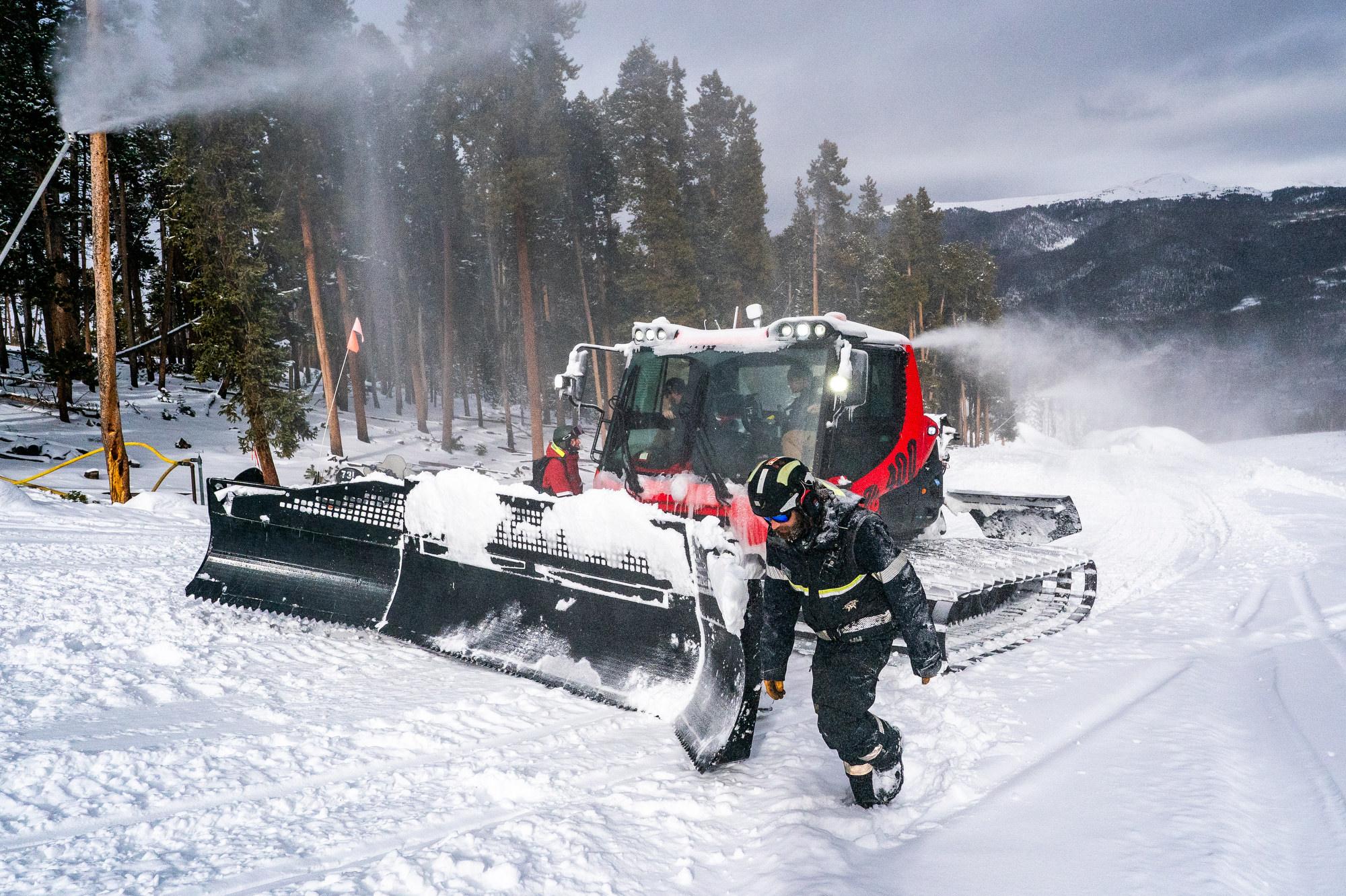
Before the sun has even risen over the snow-capped Gore mountains, Bode Kier and Jake Lewis are trudging through feet of snow in the pitch black up one of the 140 ski runs at Keystone Resort.
Their mission? To make snow.
Kier and Lewis are just two of the 34 snowmakers at the resort. And according to the resort’s snowmaking manager, Dave Mansavage, the work that Kier and Lewis do is crucial to keeping Keystone open.
“It's a pretty gratifying job,” Mansavage told CPR News. “To see what happens overnight, to just create ski runs basically from scratch, is a super awesome feeling.”
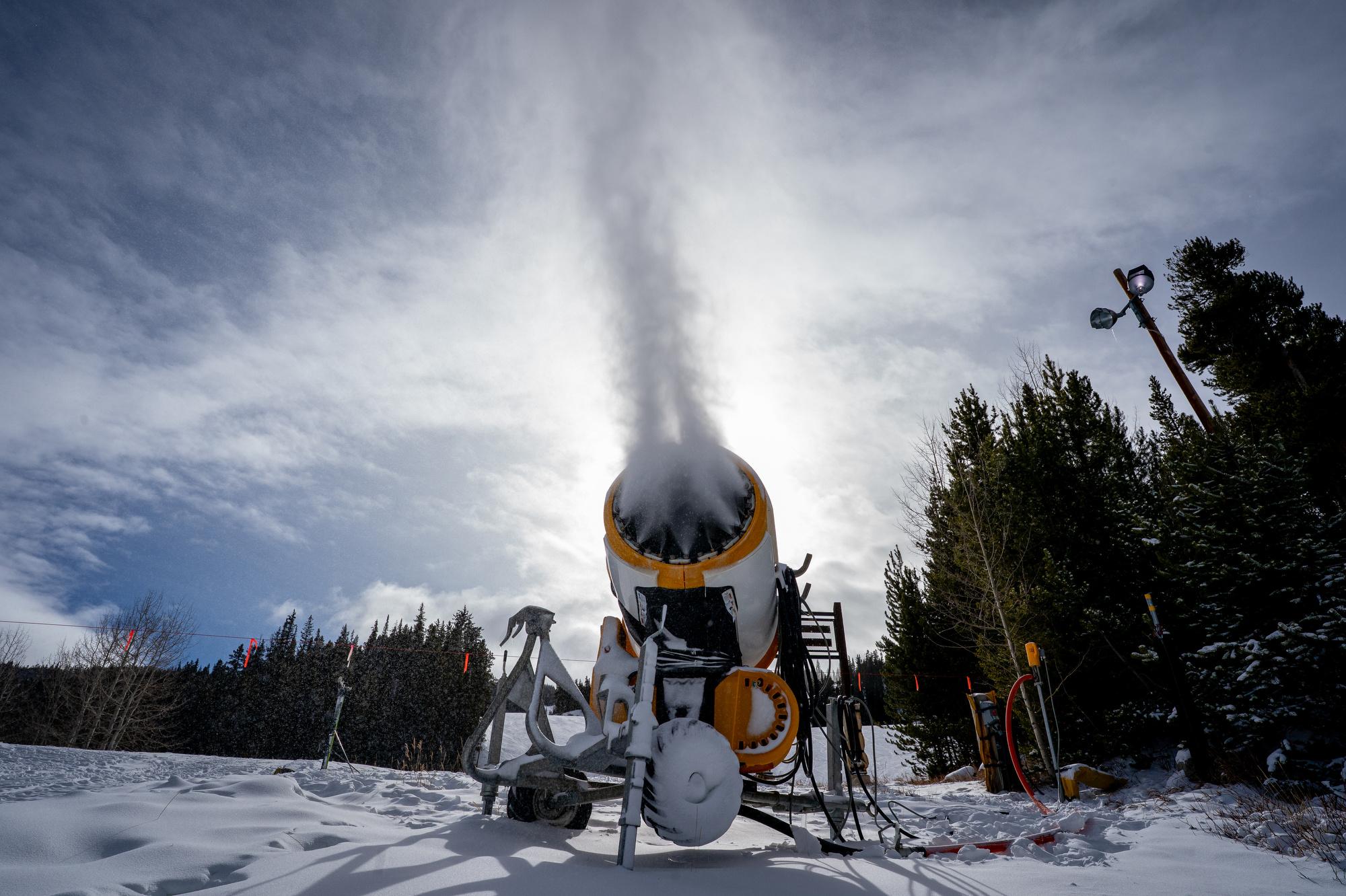
Snowmaking is one of the most dangerous jobs in Colorado’s nearly multibillion-dollar ski industry. In the complete darkness, with only headlamps to guide them, Kier and Lewis work together to activate hundreds of snow guns that line the ski runs. That means digging through feet of snow to reach buried equipment, navigating steep terrain in subzero temperatures, and constantly adjusting to whatever the weather throws at them.
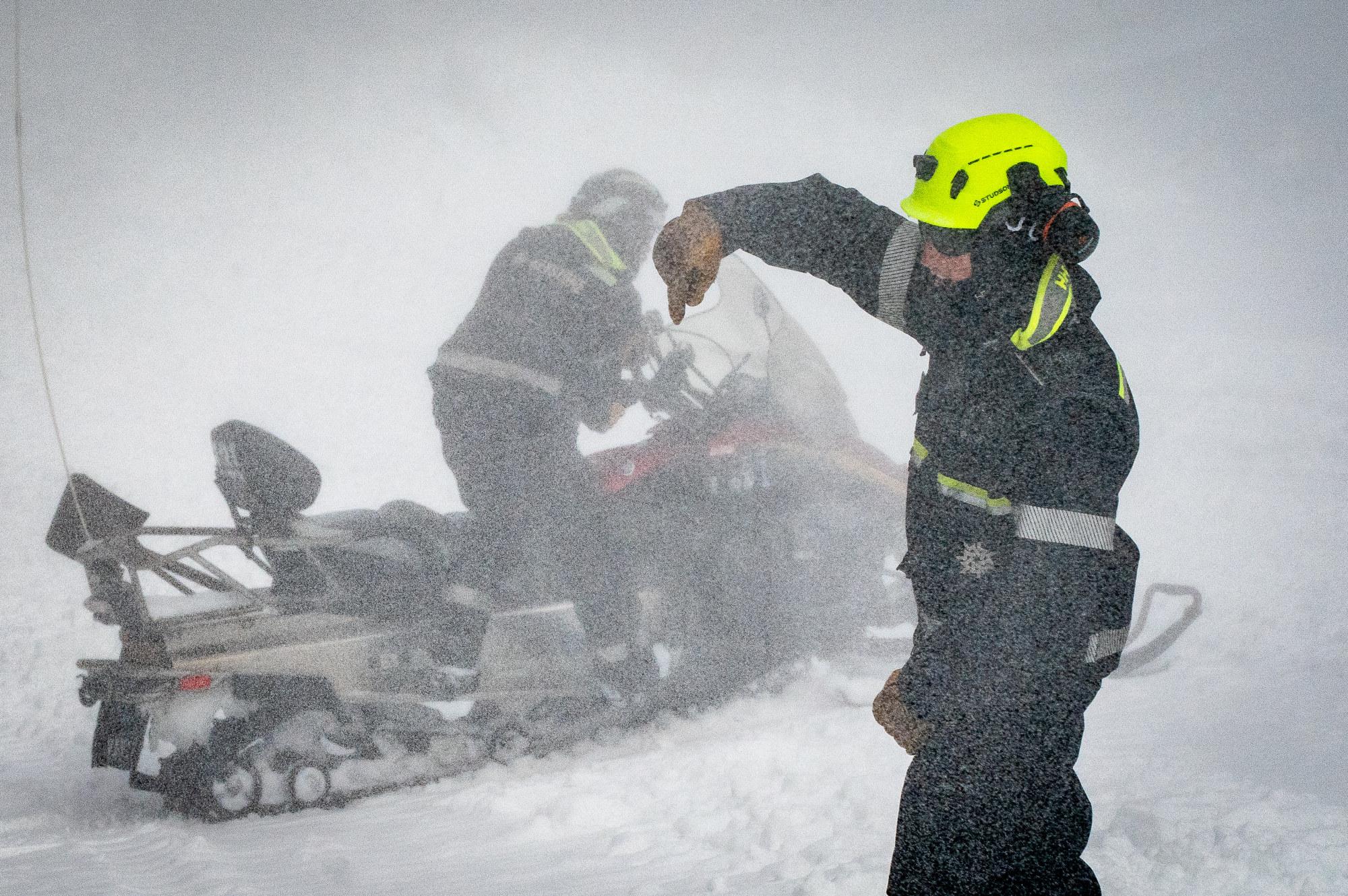
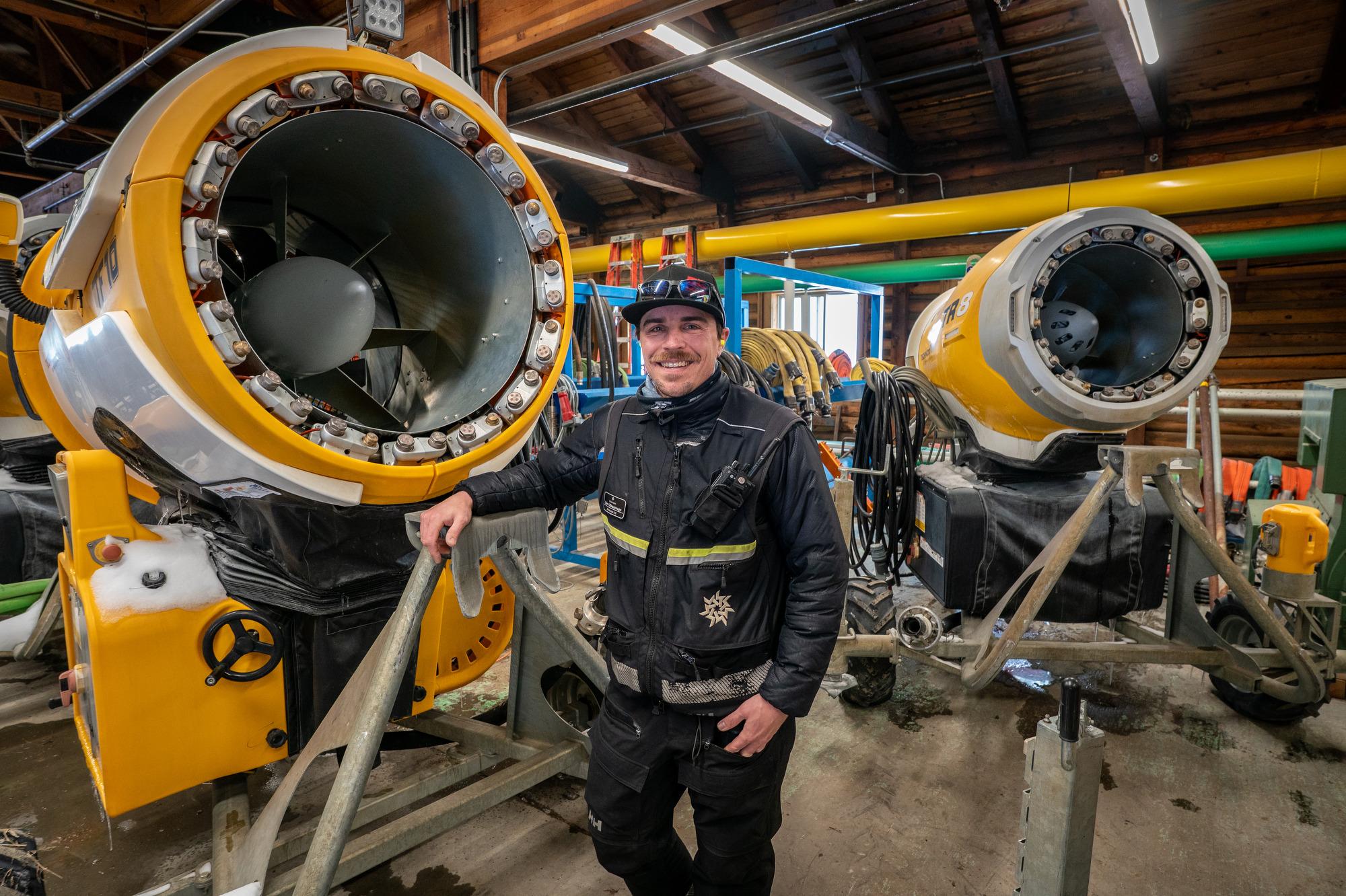
“Working in the dark is so much fun,” Kier said, laughing. “All you have is a headlight, and you can just barely see where the snow gun is pointed. You’re kind of guessing. You can barely see where the snow’s landing, and you’re just hoping it’s not burying itself.”
A sudden shift in wind can send the spray of snow in the wrong direction, burying the guns — and sometimes the workers — rather than coating the ski run. It’s one of many reminders that snowmakers operate both with and against the elements.
“The guns will blow back on themselves,” Kier said. “So, you’re just kind of just hoping and praying.”
But, at the core of the job, the mission is simple: supplement whatever Mother Nature provides. And lately, she hasn’t offered much. Colorado’s ski season is off to one of its driest starts in years, making the work of snowmakers even more essential.
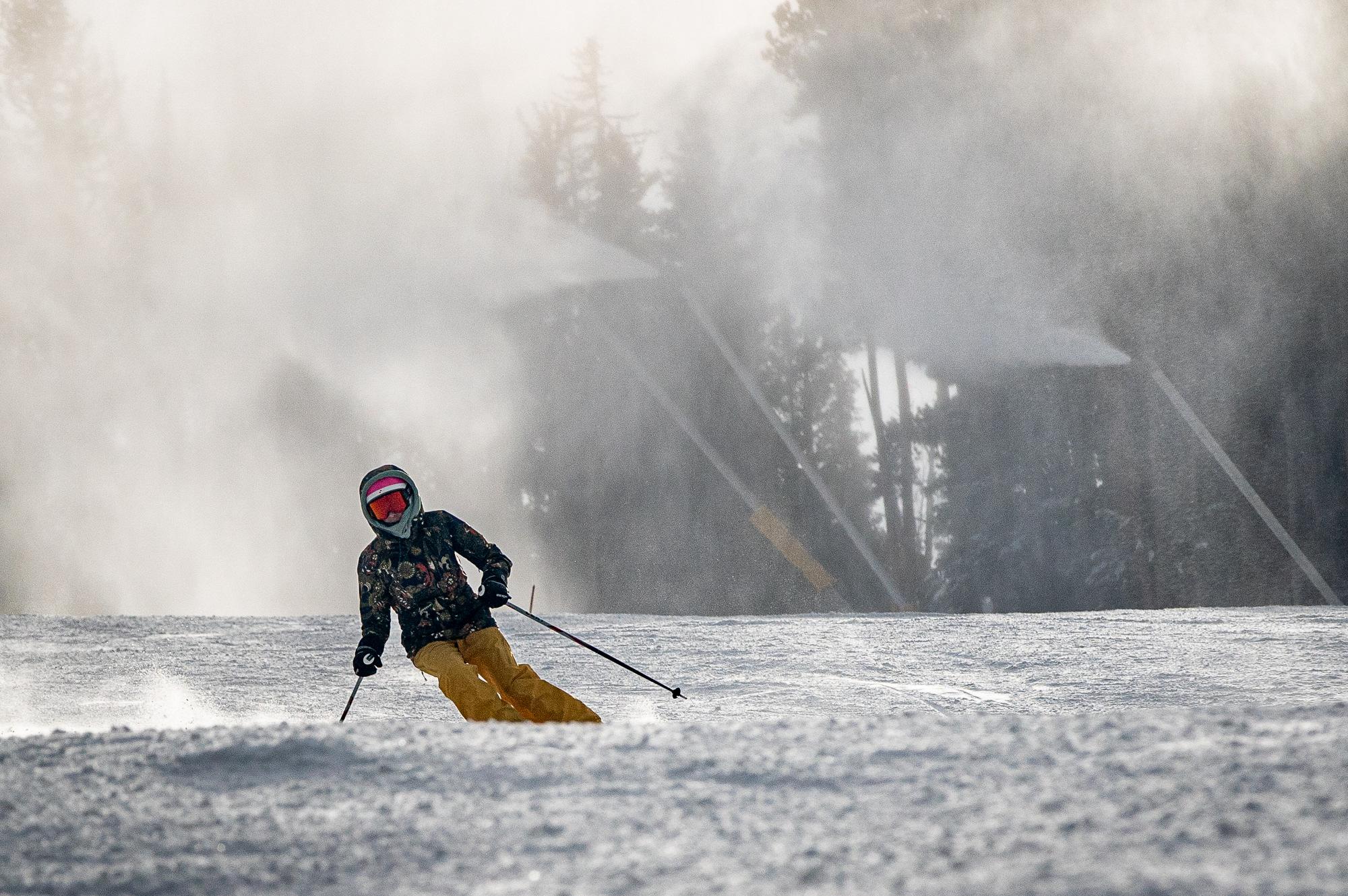
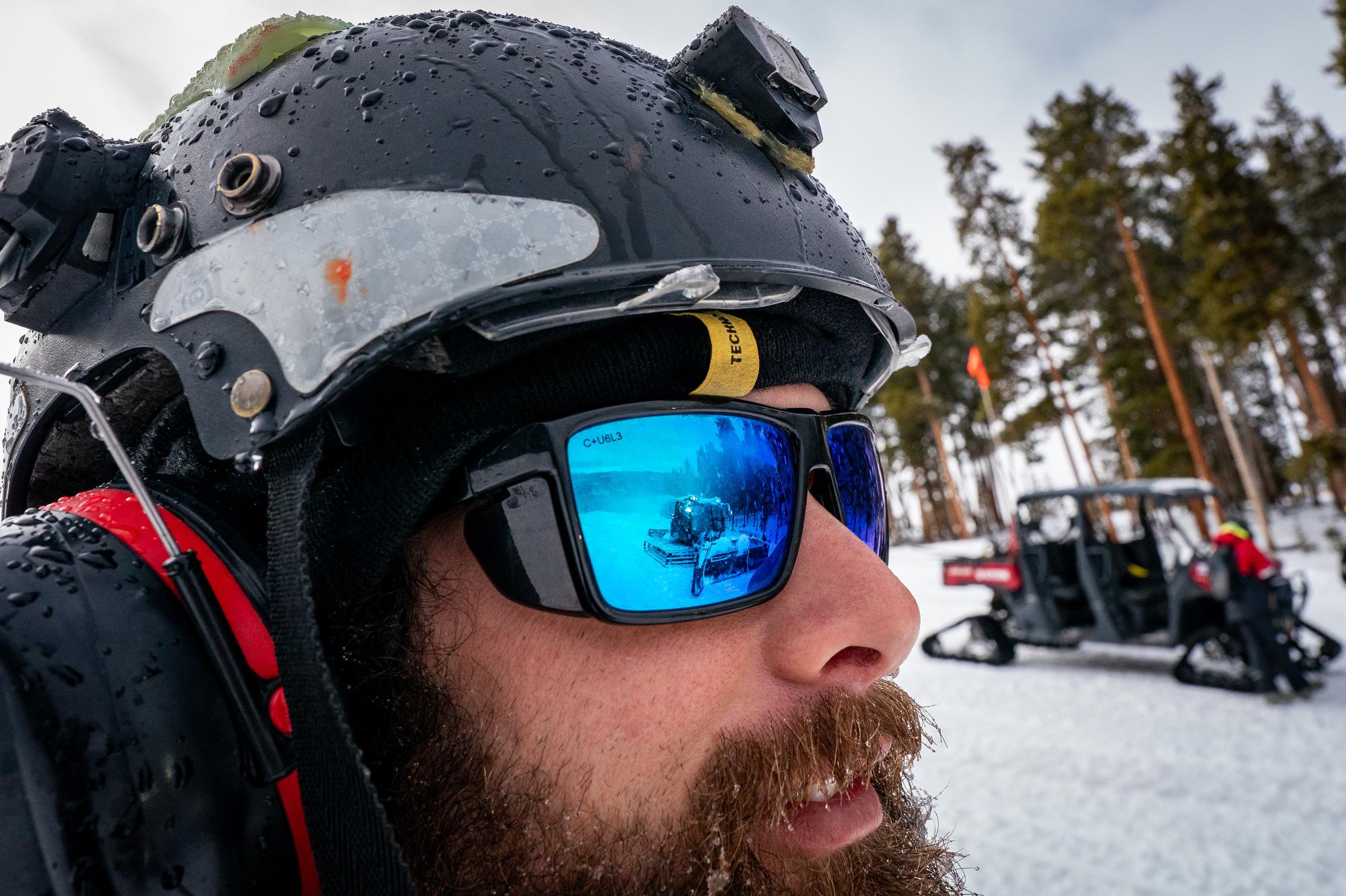
“This year I'd say it was an exceptionally warm early season,” Mansavage said. “But we've still been able to get open early, which is awesome. And that goes back to the crew.”
That early opening isn’t just about manpower but technology as well. Over the last decade, Vail Resorts has invested more than $100 million in snowmaking equipment across its mountains — upgrades that have given resorts like Keystone the ability to make more snow faster, even in marginal conditions.
This year, Keystone was the first ski resort to open in North America, a milestone Mansavage says was possible only because of his crew and the resort’s state-of-the-art snowmaking system, which the resort invested in back in 2019.
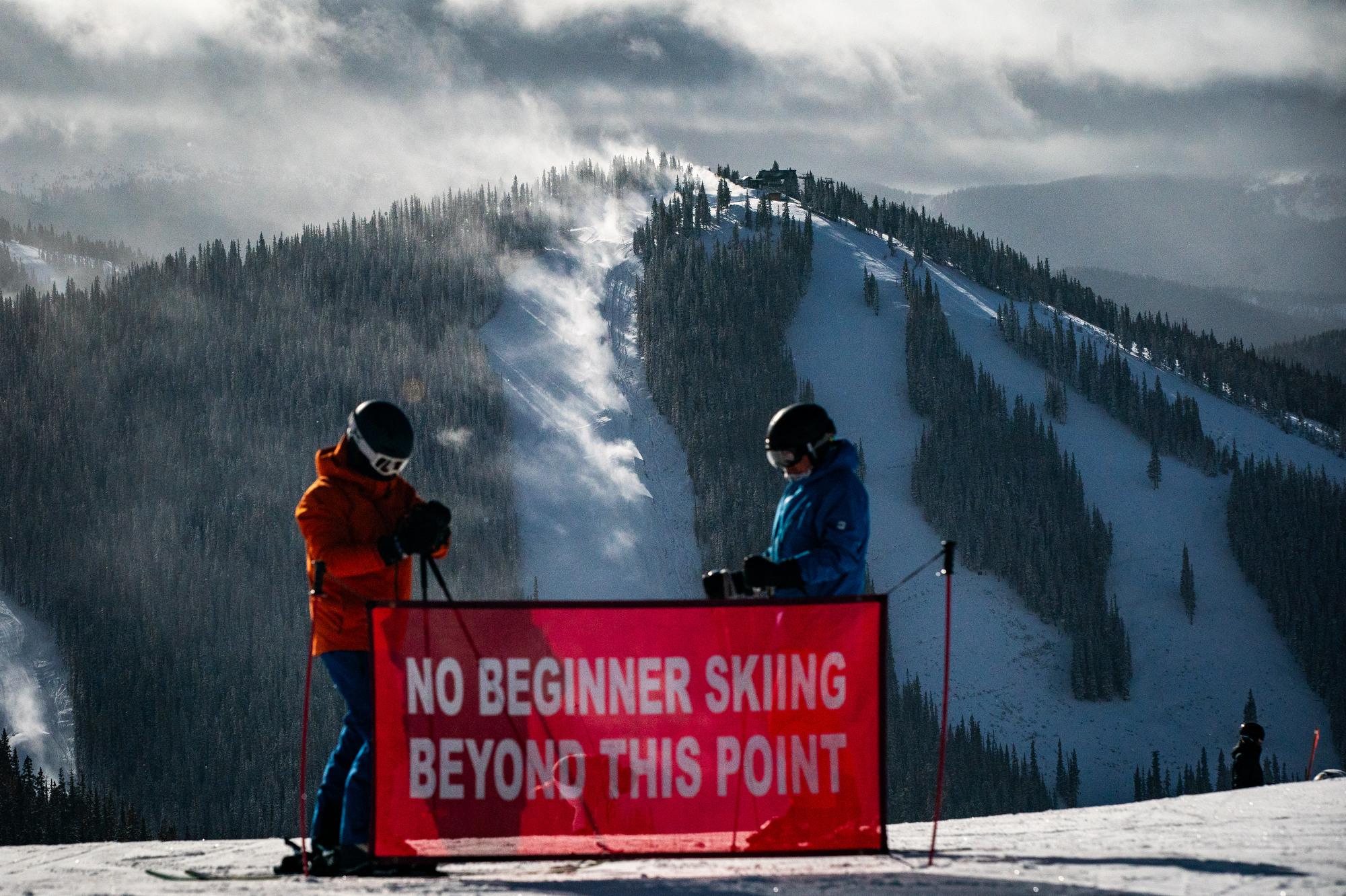
“I'd say this year the team has been doing a great job of producing snow in marginal conditions. Around 28 degrees is barely when we're turning the stuff on, and it's hard to determine if that is borderline rain on your jacket or actual snowflakes,” he said. “Getting the good, early-season production at marginal temperatures has kind of set us apart this year. But that's kind of what we've heard from everyone on the chairlifts that ski all around Summit County and Eagle County. We've got the best skiing around us right now.”
So far, all of Keystone’s 12 open runs are made up nearly entirely of manmade snow.
“I live here in Keystone, and the fact that we haven’t gotten any snow but the conditions are still so great … it’s unbelievable,” Allen Skinn, a Keystone resident who has already skied 30 days this season, told CPR News last week. The resort only opened on Oct. 25.
But Skinn says despite the conditions being “really, really good for manmade snow,” if resorts don’t start receiving more natural snow soon, it will “be troublesome for everybody.”
Skinn’s concerns echo a broader trend. Much of the mountain West ended the 2025 water year in a drought, a pattern scientists link to a warming climate that is shortening winters, delaying storms, and increasing the pressure on resorts to rely on snowmaking. At places like Keystone, snowmaking isn’t just a tool to open the season early; it’s become a cornerstone of keeping the season viable at all.
While both Mansavage and Keystone’s communications manager, Sarah McLear, were careful not to speak directly about climate change or what rising temperatures might mean for snowmaking’s future, they acknowledged something harder to avoid: the science behind snowmaking is being pushed by the warm, dry starts that now mark so many Colorado winters.
So how much water does it take to make snow?
The short answer: a lot.
Kate Schifani, senior director of mountain operations at Keystone, was reluctant to say exactly how much water the resort uses but said, “It’s a big number, but that could be relative — depends on what you think big is.”
Keystone, like most other resorts in Colorado, is governed by water rights. The Snake River, a mountain stream that winds its way through the heart of the resort’s village, is the foundation of their snowmaking operation. The water from the river feeds the guns. And six years ago, the resort invested in brand-new snowmaking equipment to update and maximize efficiency.
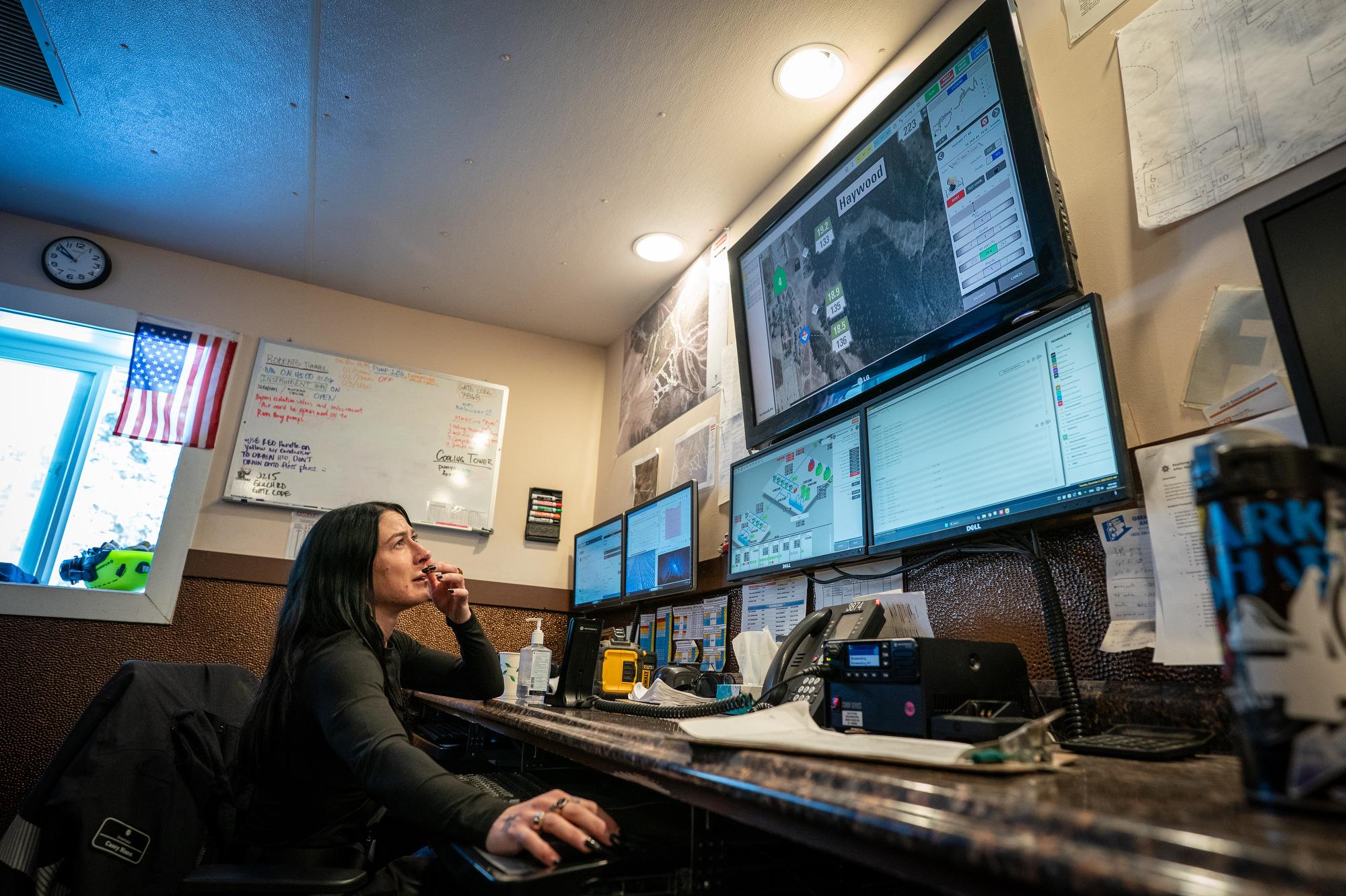
“Our goal every year is to make the same guest experience with less snow,” Schifani said. “And we've been successful in reducing our water use every year in the last six years.”
“We're always working with our local and federal agencies to figure out how we can be most responsible with the resources that we have,” McLear said. “We're making snow with those same resources no matter what.”
Keystone has a minimum flow agreement with the Forest Service. Meaning, when natural flow shrinks early in the winter, they rely on supplemental water routed through the Roberts Tunnel from Lake Dillon — a closed-loop system that lets the snowmakers keep building the base skiers depend on.
“So as long as Denver is moving water through that tunnel, we can supplement the river with our own water to make snow,” Mansavage said. “And anything that we don't use just flows back into Lake Dillon.”
But for 19-year-old Kier, the real payoff is seeing the tangible results of his and the other 34 snowmakers' hard work. And as the natural snow continues to lag, the mountain they build overnight is becoming the mountain skiers depend on.
“It's sick,” he said. “You kind of own the resort a little bit more. You're like, ‘Yeah, I made this.’”