
As Colorado moves toward a more bullish stance on gambling, it isn’t a surprise to those who’ve battled addiction and the people who treat them that Coloradans are spending more time betting.
Colorado’s evolution from a “limited gaming” state to one that’s increasingly open to gambling began when voters approved a proposition that legalized sports betting online and in other venues beginning in 2020.
Since then, Colorado has further eased restrictions on gaming, allowing people to buy lottery tickets with credit cards instead of cash and permitting mountain casinos to set their own betting limits.
The change is evident in Black Hawk, one of three mountain towns in Colorado that have casinos, with the development of Monarch Casino’s massive new hotel and casino. The voter-approved move to allow mountain casinos to remove betting limits was a victory for Colorado’s casinos in their efforts to fend off competition from Las Vegas. Denver has long been a major feeder market for Las Vegas casinos.
The state’s betting metamorphosis is a concern for those who’ve witnessed gambling addiction first-hand.
“We have seen a significant increase in problematic behavior since 2020 … We've seen an increase in calls to the 1-800-GAMBLER hotline. I've seen an increase in calls, and it hasn't slowed down,” said therapist Jamie Glick, president of the Problem Gambling Coalition of Colorado, one of the organizations that receives a portion of tax revenues from gambling to treat addiction.
Glick calls the issue “an emerging public health crisis” and said it’s not discussed enough.

But for a state that is struggling to make ends meet, money talks. While some of the tax revenues are earmarked for treatment and a statewide gambling hotline, the bulk of the money follows a long line of sin taxes that benefit the state, including water projects, water conservation grants and funding for community colleges.
And the state’s bet on gambling is reaping financial rewards. Tax revenues from Colorado’s casinos have jumped about 33 percent compared to pre-pandemic levels.
Sports gambling has also been transformative for the state, offering gamblers the ease of app-based access by enabling them to make unlimited bets on their phones from the comfort of their living room couches.
As legal sports betting has migrated to Colorado, so have a multitude of ads during sporting events. The sports gaming industry also sponsors sports talk shows and even the sports leagues themselves. Sports betting in Colorado has been so popular that the state had to get voter permission under Colorado’s Taxpayer Bill of Rights (TABOR) law to keep the higher-than-anticipated tax revenues.
For problem gamblers, the state’s evolution creates added temptations. Zach Everett of Denver, 31, has been to three treatment centers initially at the insistence of his wife, father and other family members. He hasn’t gambled for a year and a half.
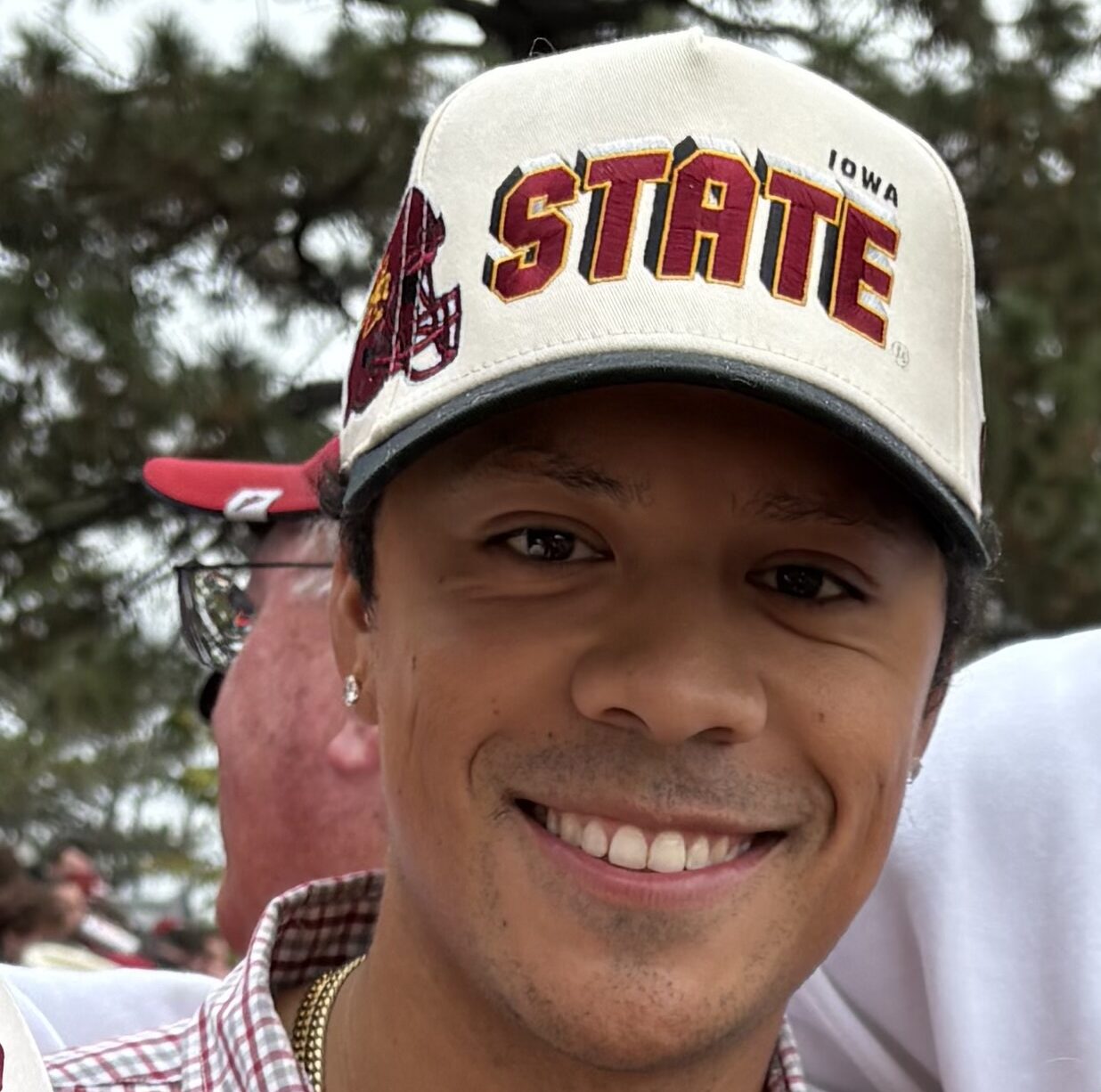
Everett remembers going to the race track with his family as a kid growing up in Minnesota. At the time, he couldn’t bet, but he remembers the thrill of choosing a horse and the excitement he felt when he picked the right one.
By the time Everett was 18 and in high school, he was going to casinos and playing poker with friends. That continued when he went to college.
“It was mostly blackjack, baccarat, those types of things,” Everett said. “Sports betting came to me probably my junior year of college when we had a bookie at school.”
Online sports betting came later. Everett was eventually losing more money to betting than he was earning at work and used payday loans to get by.
“I got to a point where I had maxed out of several credit cards, wasn’t able to pay the loans back, and then the payday loans were already getting to my paycheck before I could even wake up,” said Everett. “So I was waking up with almost negative money in my account while getting paid.”
Everett said he also began asking friends and family for money.
“The desperation mode was insane,” he said.
Therapist Jamie Glick said Everett’s money challenges aren’t unique, given the amount that can be gambled in a short amount of time.
“People can essentially lose their entire savings in one night, and that is a few hours of gambling that can disrupt people's lives forever,” said Glick.
Glick said in addition to the financial repercussions, there is significant damage to relationships with spouses, family and kids.
“We think about the individual, and we oftentimes treat the individual, but the family is also affected, and that whole system is disrupted,” said Glick.
He said data from the state’s gambling hotline shows that between 60 to 80 percent of the calls are from young males. His group, the Problem Gambling Coalition of Colorado, made an ad targeting high schoolers as a way to head off gambling early. It was played recently at the state high school football championships.
“We want sports to continue to be fun,” Glick said. “We want people to have a healthy relationship with sports, and gambling can really interfere with that.”

People in Colorado who want to stop gambling may choose to exclude themselves from casinos and sports betting apps, but Glick said if someone really wants to gamble, they can usually figure out a way. Colorado also has an involuntary exclusion list where, for a variety of reasons, the state can ban certain individuals from all gaming in the state.
Glick said there are other approaches the state could take to mitigate the harm gambling can do to people’s lives. He said he wants the state to create a task force to tackle the issue in a coordinated way from a public health perspective.
Everett said he’d urge the state to require income verification for gambling, similar to the way people apply for a credit card or a loan, but he’s skeptical that would ever happen.
Everett said that while the temptation to gamble is an ongoing issue, helping people who are new to recovery has helped him with his own recovery.
“Continuing to be of service and helping others is what I can do now to keep myself accountable,” Everett said.
If you or someone you love is struggling with gambling, you can call or text the Confidential Problem Gambling Hotline at 1-800-GAMBLER. It operates 24 hours a day, 7 days a week.