This story is part of The Trip, a CPR News series on Colorado’s new psychedelic movement.
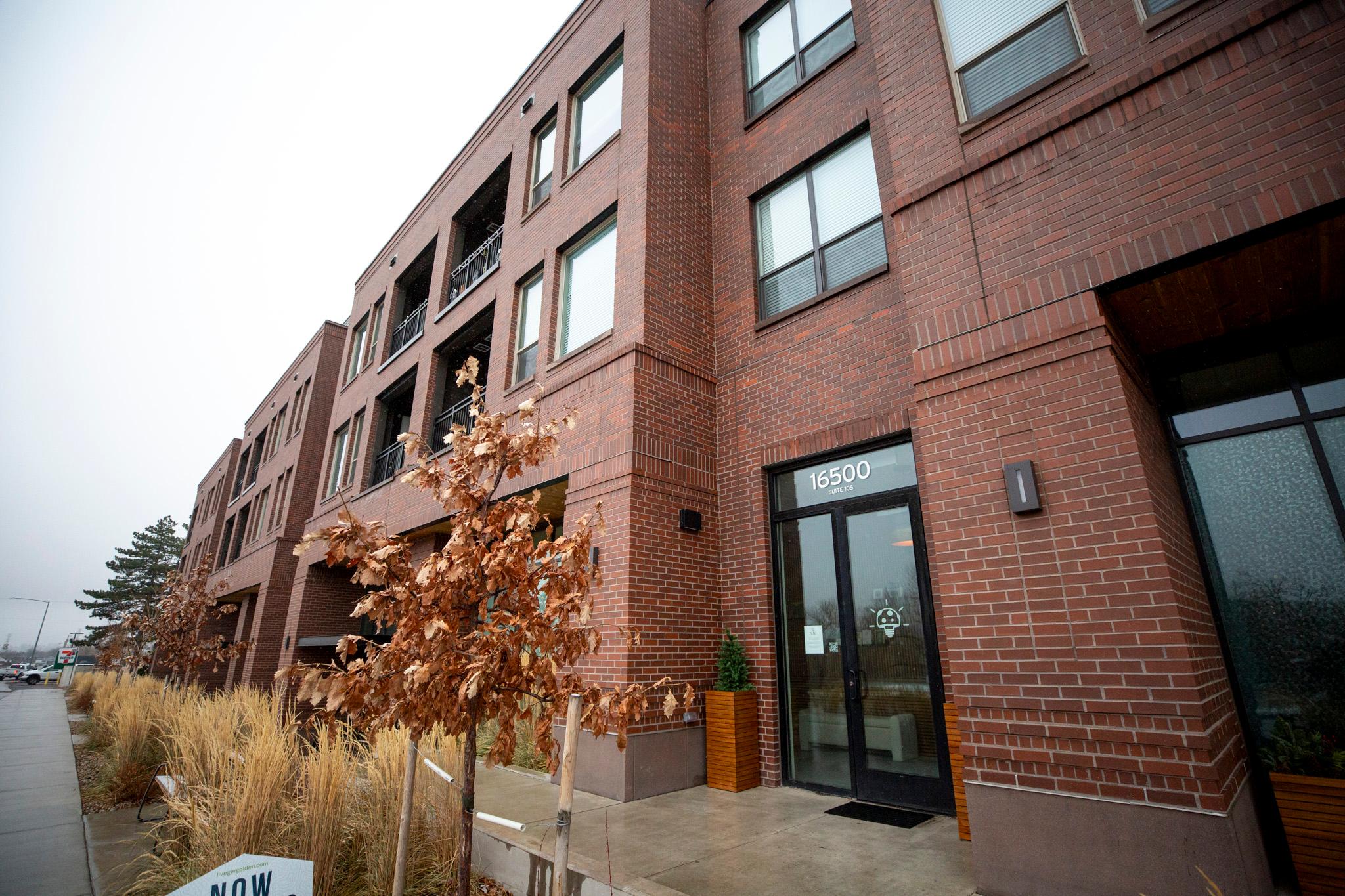
Right in the middle of downtown Aspen, tucked away in a far corner, is a space for a newly legalized form of treatment — one where people struggling with depression or addiction, with past trauma or anxiety, even with a desire for spiritual or mental growth, can begin psilocybin-assisted therapy.
Currently, Colorado has approved 34 state-licensed healing centers, with more than a dozen applications pending, where psilocybin can be administered to adults 21 and older by professional facilitators. That includes Aspen’s SANCTUM, a healing center inside a yoga studio.
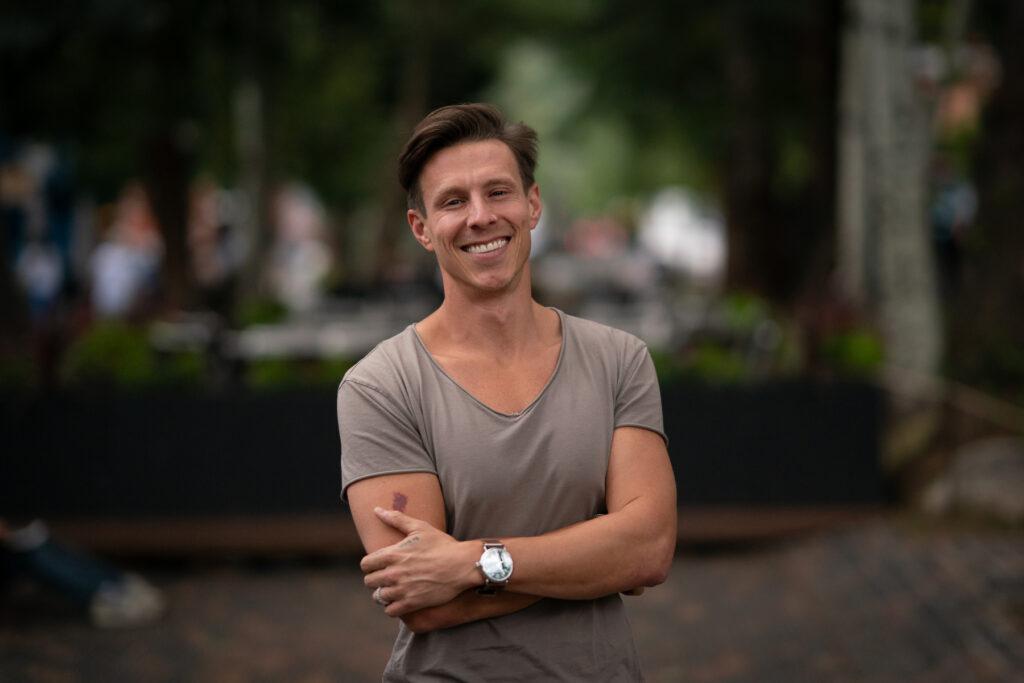
“There's something really beautiful about simply getting to cultivate the space for an inner-directed journey,” said Skippy Mesirow, the administrator and facilitator of psychedelic medicine for SANTCUM. “Putting a hundred percent of your trust and belief in the client, seeing them reciprocate that, and then just watching the magic happen.”
SANCTUM began offering psilocybin-assisted therapy in June. The space is adorned with barnwood, Moroccan lanterns and gold mirrors; it’s very non-clinical.
“It holds the energy it's had for the last 7 years,” Mesirow said. “Just walking down the stairs from Aspen into our little subterranean cove where we have total isolation from all other businesses.”
The building has small rooms with a bed for individual sessions and a more spacious yoga studio with a customizable altar for group work.
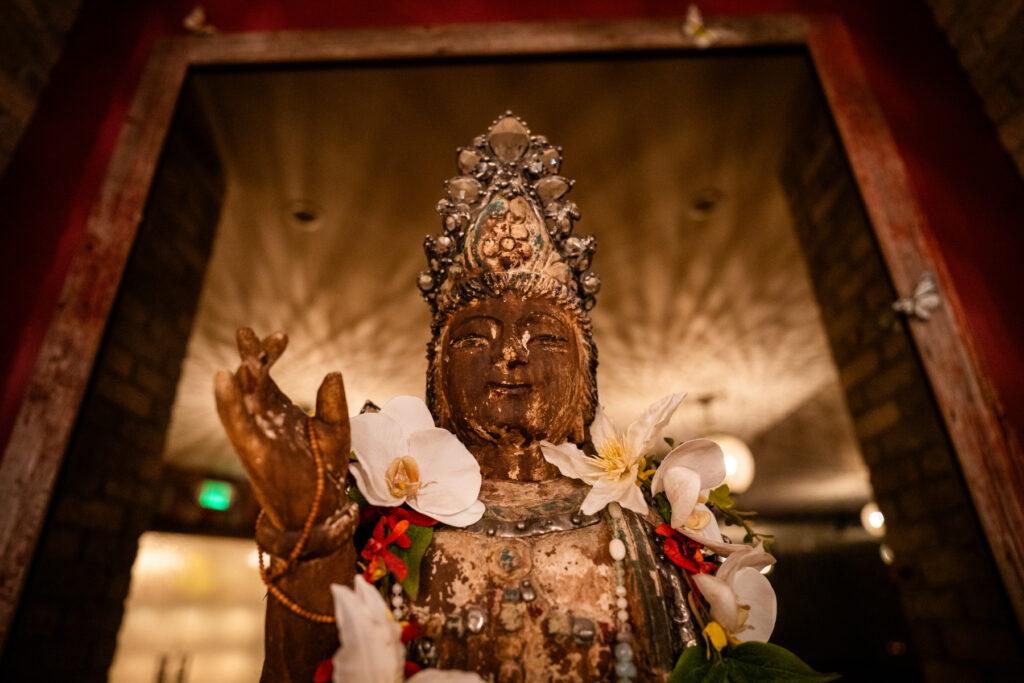
“This space is beautiful and large,” Mesirow told CPR News during a tour last year. “(There’s) downlighting candles, wood floors, a brick-back wall, a large altar, a lot of really precious artifacts from all over the world. We'll bring (a) bed out and put it out near the ground and then build out a large semicircular altar there with a lot of different plush and fabric and pelts so that there's a lot of different textures and things that people can move and stretch as they need.”
Mesirow first participated in psychedelic-assisted therapy in Costa Rica years ago — before there was legal access in the U.S.
“I was really struggling with chronic and acute anxiety, which was sort of downstream from addiction, which was downstream from, which was downstream from,” he said. “My intention was just to understand the root of my anxiety. I experienced a lot of things over that week, really incredible things.
“But none of them were, ‘Here's your answer; go forward.’ What I got was a set of awareness and practices.”
He helped bring SANCTUM to Aspen, the city’s first such healing center and the first to administer psilocybin on the Western Slope, with the goal of helping people find the same awareness and practices.
“The thing that I appreciate most about the administration ceremony in particular is it's entirely about creating the environment. I'm not doing much as a facilitator. I'm holding space,” he said.
Coloradans approved creating healing centers in 2022, when voters passed a ballot measure that paved the way for state licenses and decriminalized the personal cultivation, possession, consumption, and sharing of psychedelic mushrooms. But the psychedelic-assisted therapy avenue comes with rules.
Mesirow is one of the 15 members appointed by Gov. Jared Polis to serve on the Natural Medicine Advisory Board that recommends regulations to state agencies for cannabis and psilocybin — including healing centers. Those involve requirements like psilocybin limits, guidelines for the physical space, safety protocols, and a three-step process for administering psilocybin.
The system allows for two types of licensure for healing centers as well as licenses for growers and regulators. Aspen has a standard license, meaning the center can hold more than 750 milligrams of psilocybin.
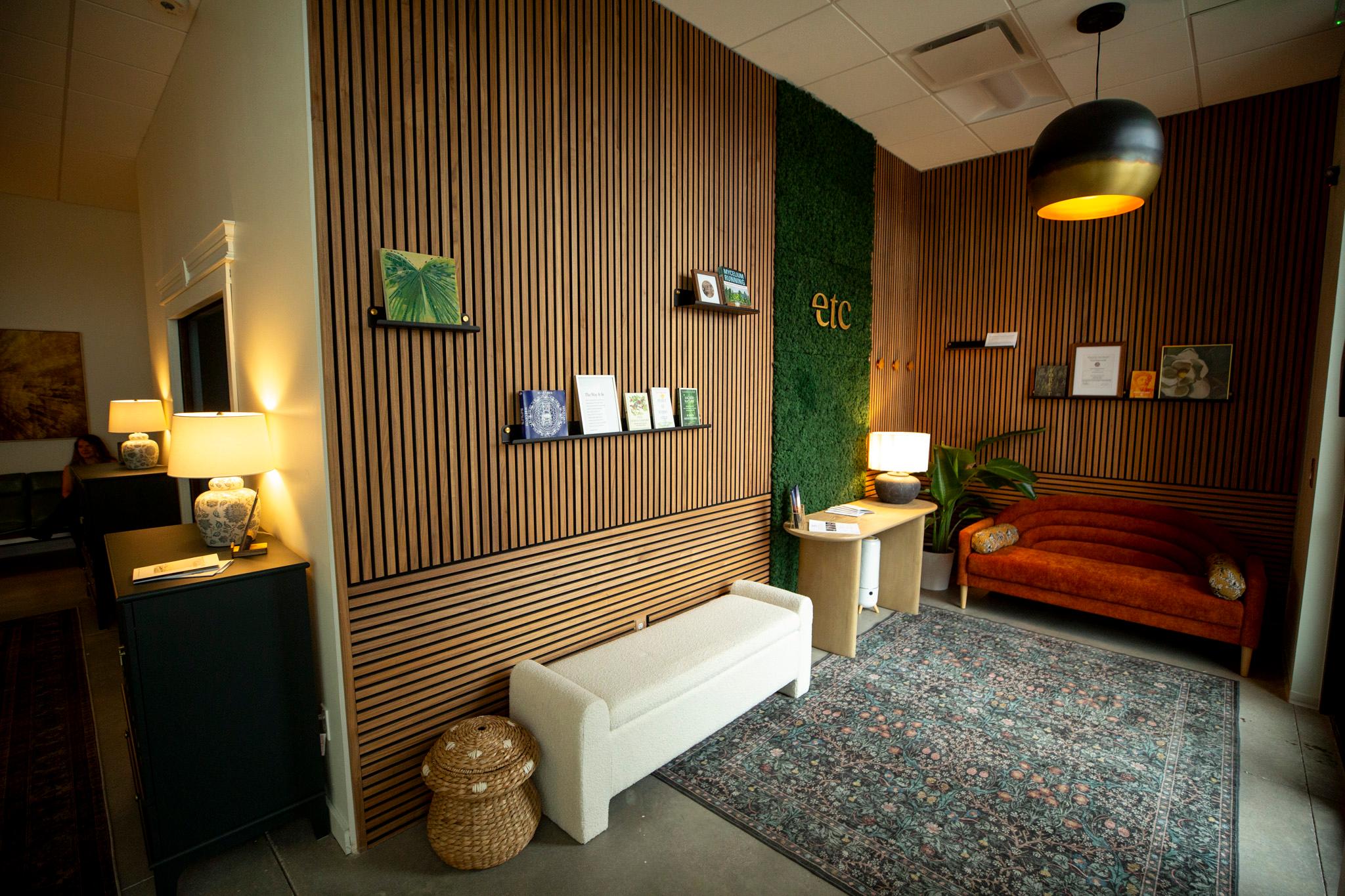
Other therapists or wellness businesses might opt for a micro-healing center license, which limits the amount of psilocybin allowed on-site to below 750 milligrams, like ETC Hospitality Center in Golden.
“We're big lovers of all things mushrooms in context with people,” ETC owner and culinary mushroom expert Erik Vaughan told a tour group visiting from the MAPS Psychedelic Science Conference in downtown Denver. His company has worked with typical kitchen mushrooms as well as adaptogenic (non-psychedelic) mushrooms like Reishi and Lion’s Mane, popular in the wellness world. Their company name is a sort of pun on “mushrooms, etcetera.”
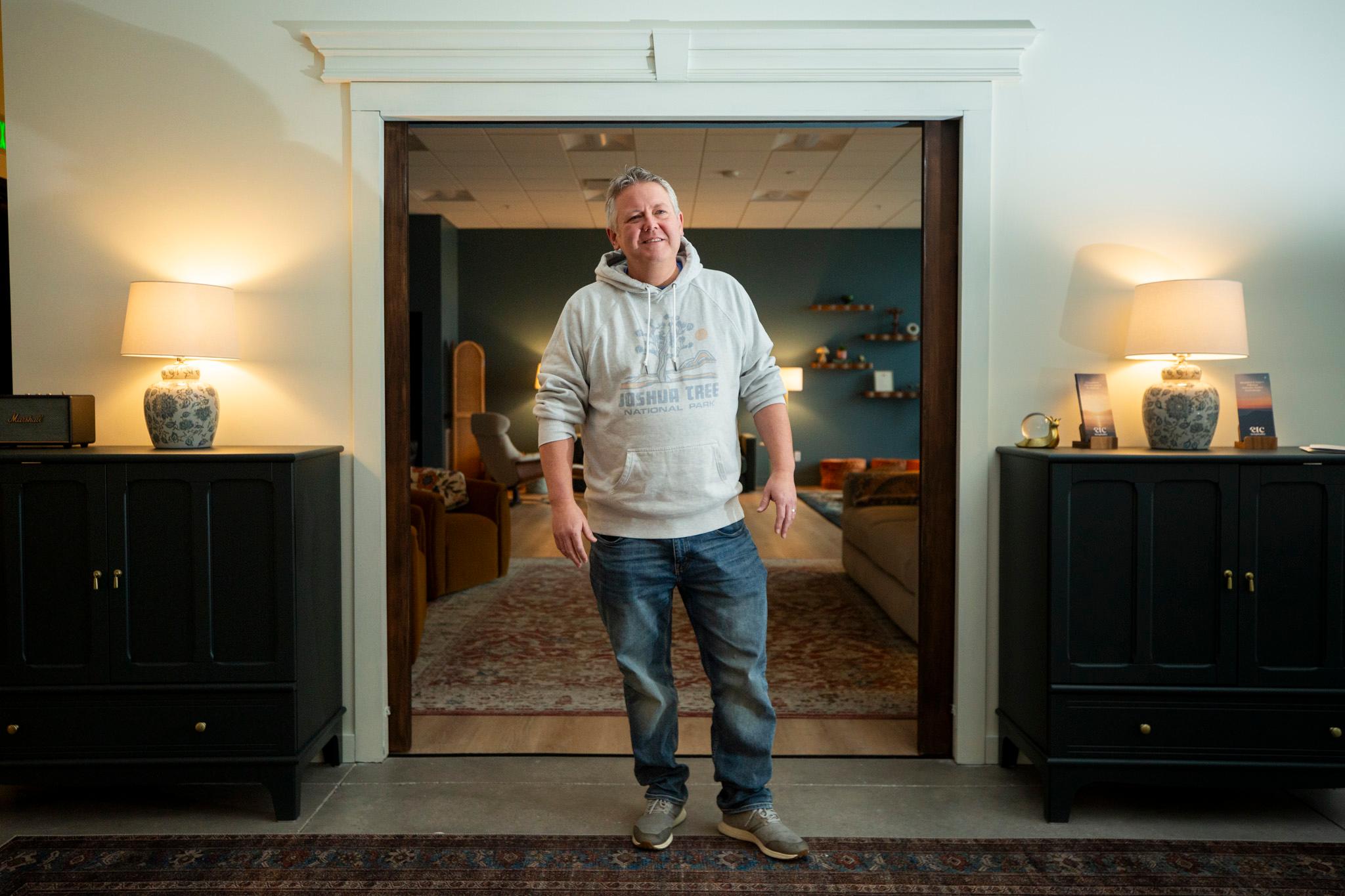
“That's why we're so thrilled now for what we're on the verge of here,” Vaughan said. “I'm ready.”
ETC received a license for a micro-healing center this fall after getting off a waitlist of more than 100 people. According to the Colorado Department of Revenue Natural Medicine Division website, this type of license is a potentially more cost-effective option compared to a standard license, and it’s geared towards centers aiming to provide a limited number of sessions each week or year. The typical medical dosage of psilocybin varies per person depending on body type, weight, preference, and other factors.
“We're at a very significant moment here in Colorado. We have the great pleasure, the great responsibility of following the work of what has been done in Oregon, the folks that have set up the first program and allowed us to set up this second program,” Vaughn said. “We have a chance here to build on their successes and show the safety and efficacy of psilocybin mushroom therapy in broad daylight.”
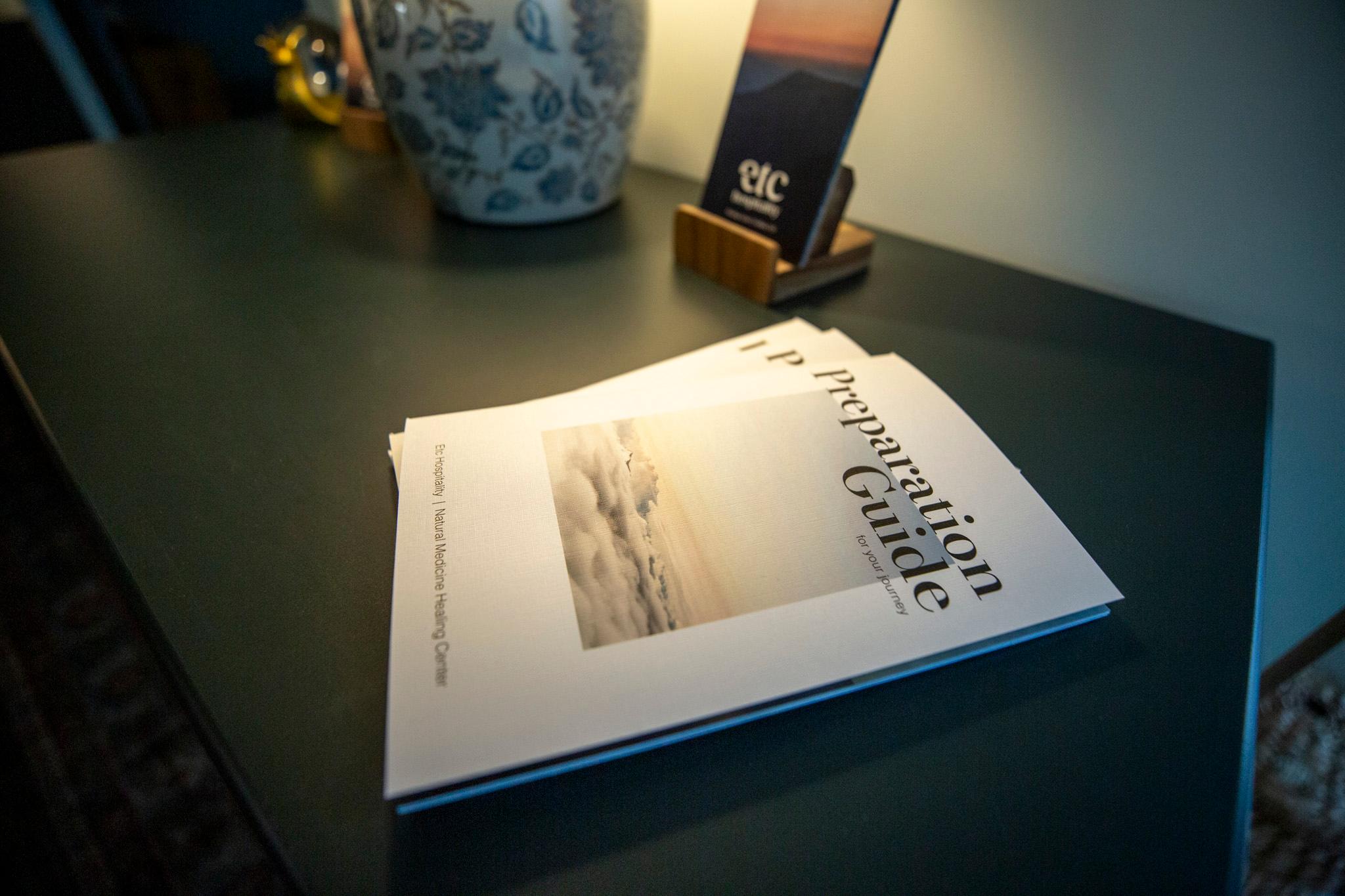
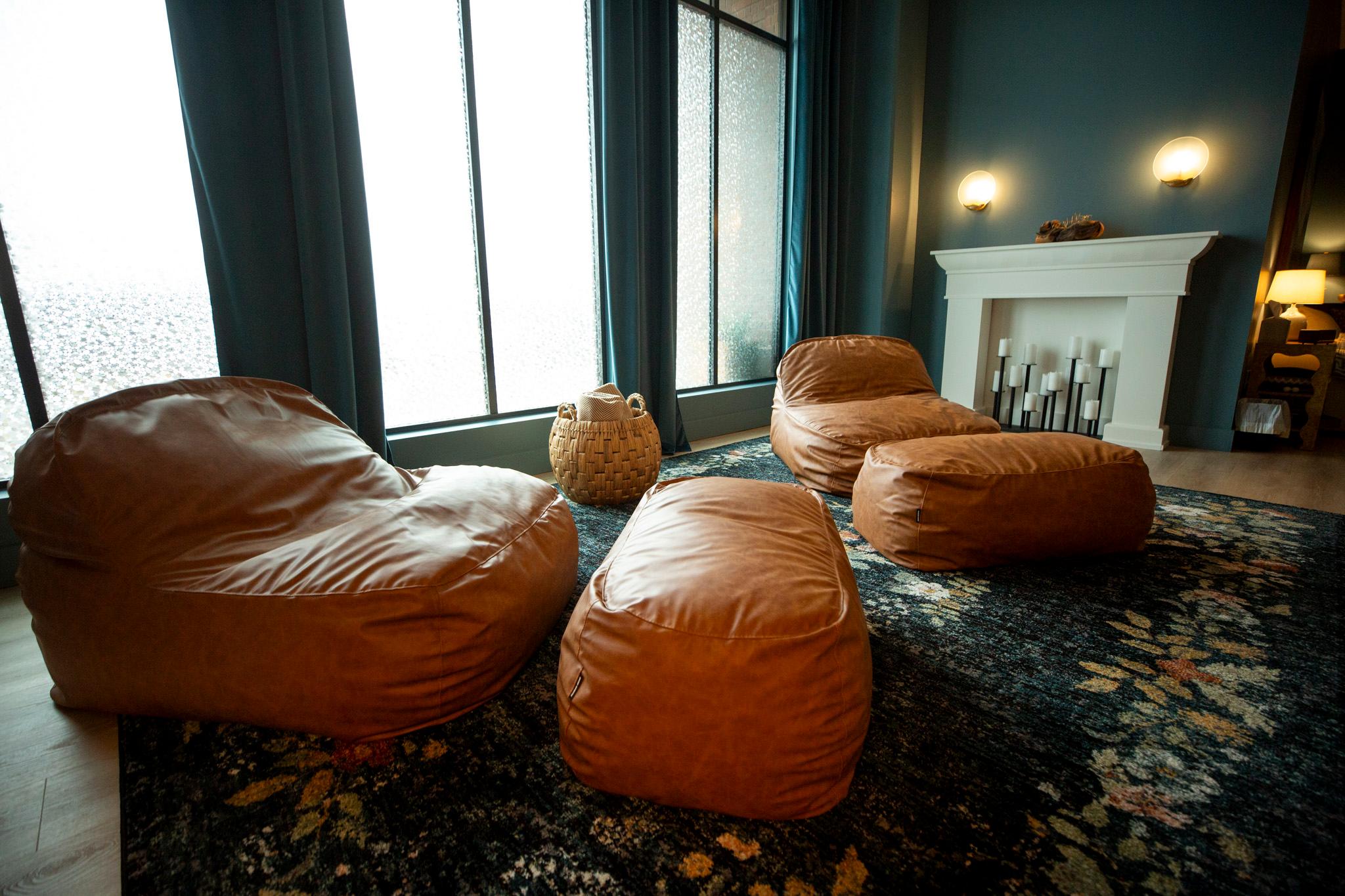
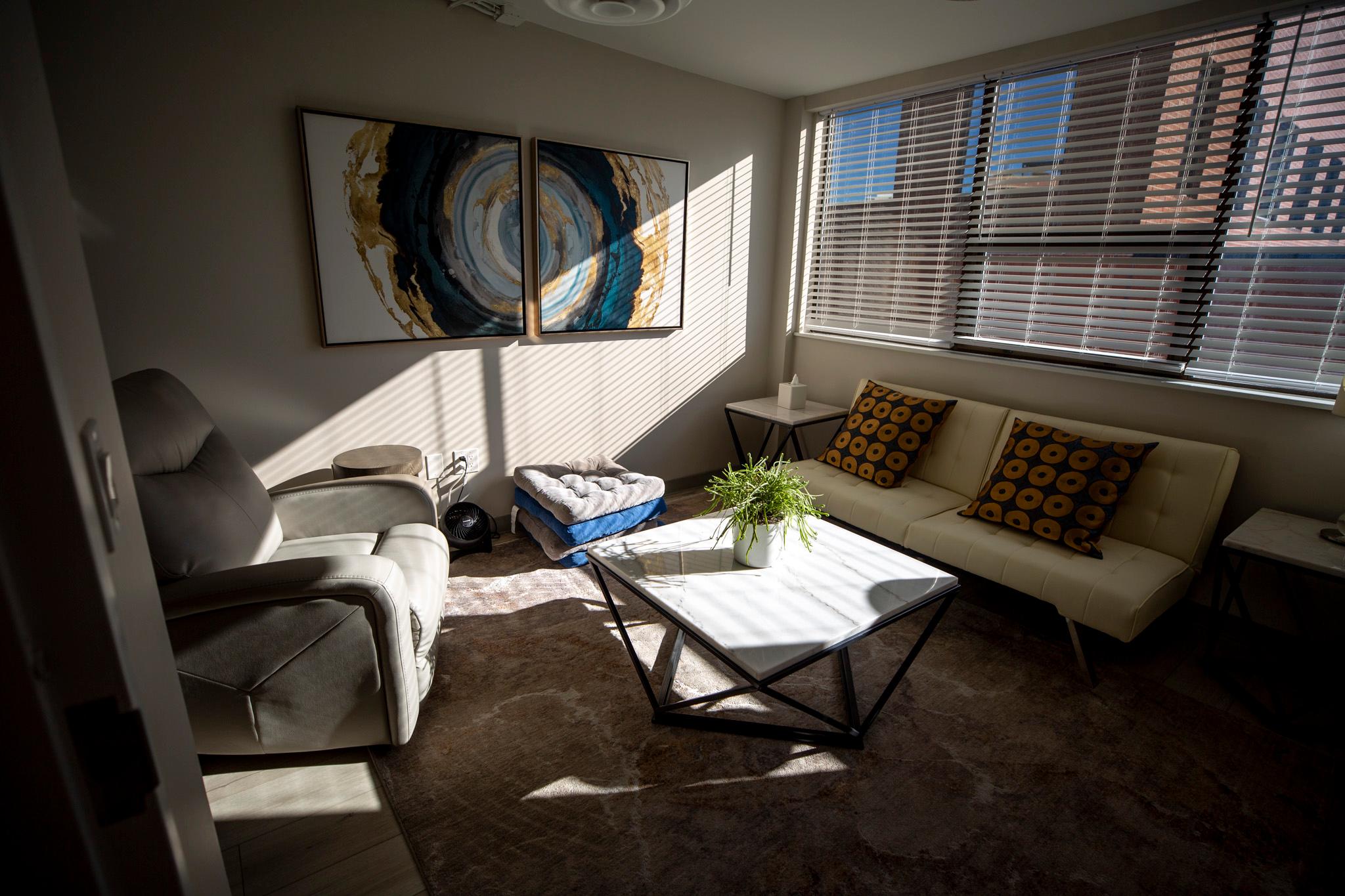
ETC Hospitality has one big journey room, with yoga mats, couches and pull-out beds. It features light, earth-toned decorations, left slightly bare for facilitators to bring their own decorations or items.
Framed on the wall is the “flight plan” for participants as they start their therapy.
“May you embark on a deep and transcendental experience,” it reads. “You may have feelings of loss of yourself, experience a sensation of rebirth or even death. You may experience a feeling that you have ceased to exist as an individual and are now connected with the world and the universe.”
The state’s first standard licensed center
Up the road from Union Station in downtown Denver, on the third floor of a nondescript building — and through a maze-style hallway — is a standard-looking, yet well-decorated, therapist's office. The waiting room features two chairs, pamphlets, and a front desk.
But just around the corner of the waiting area, behind a locked and heavily monitored door, are multiple capsules of psilocybin, stored and waiting for patients.
There are also zero-gravity chairs.
“Your organs are in a weightless state, so there's nothing pulling on you,” Elizabeth Cooke, the co-founder and CEO of The Center Origin, said. They are meant to mimic the womb. “It doesn't ignite that fight or flight mode because you're really in this very relaxed state.”
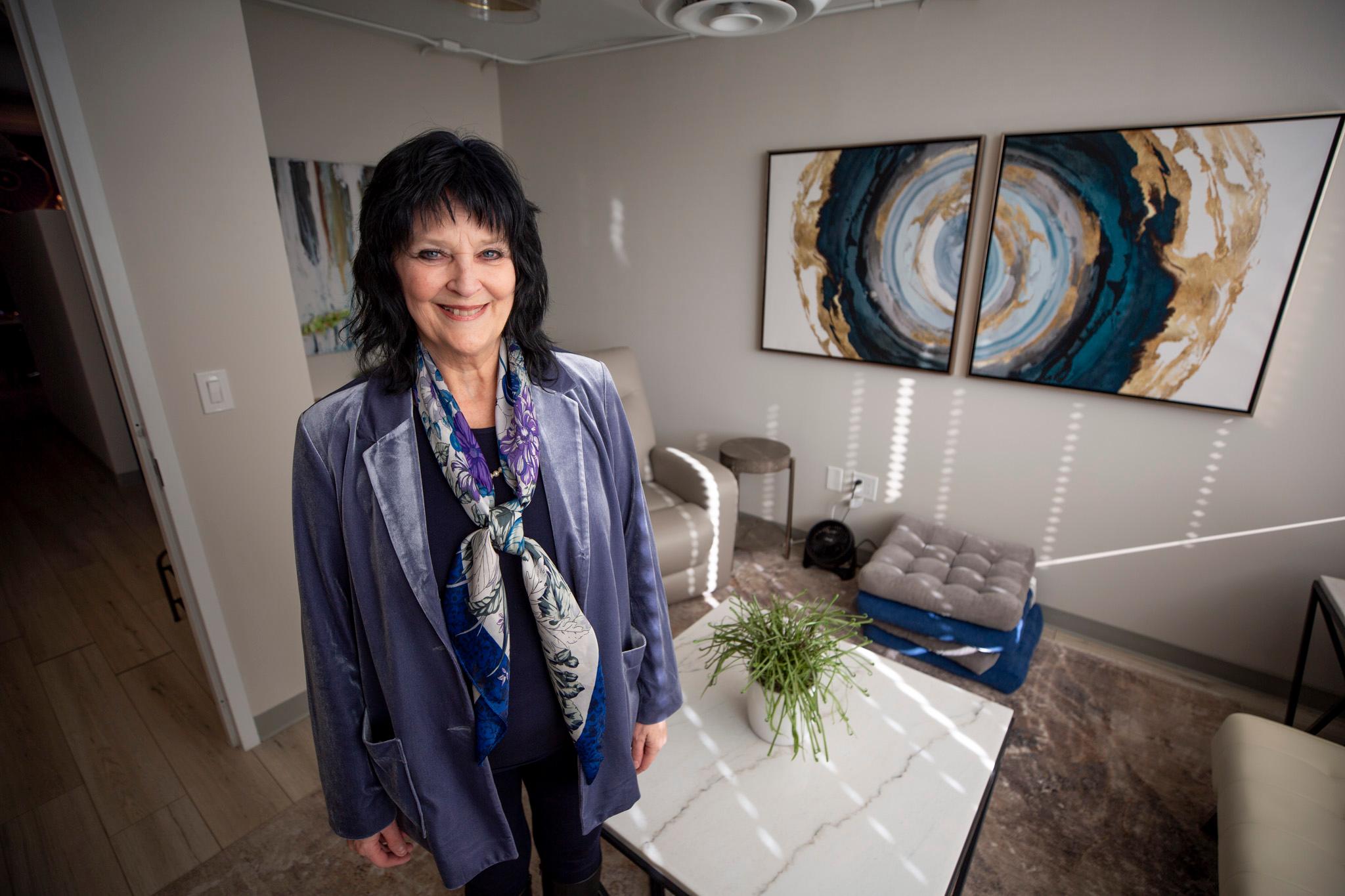
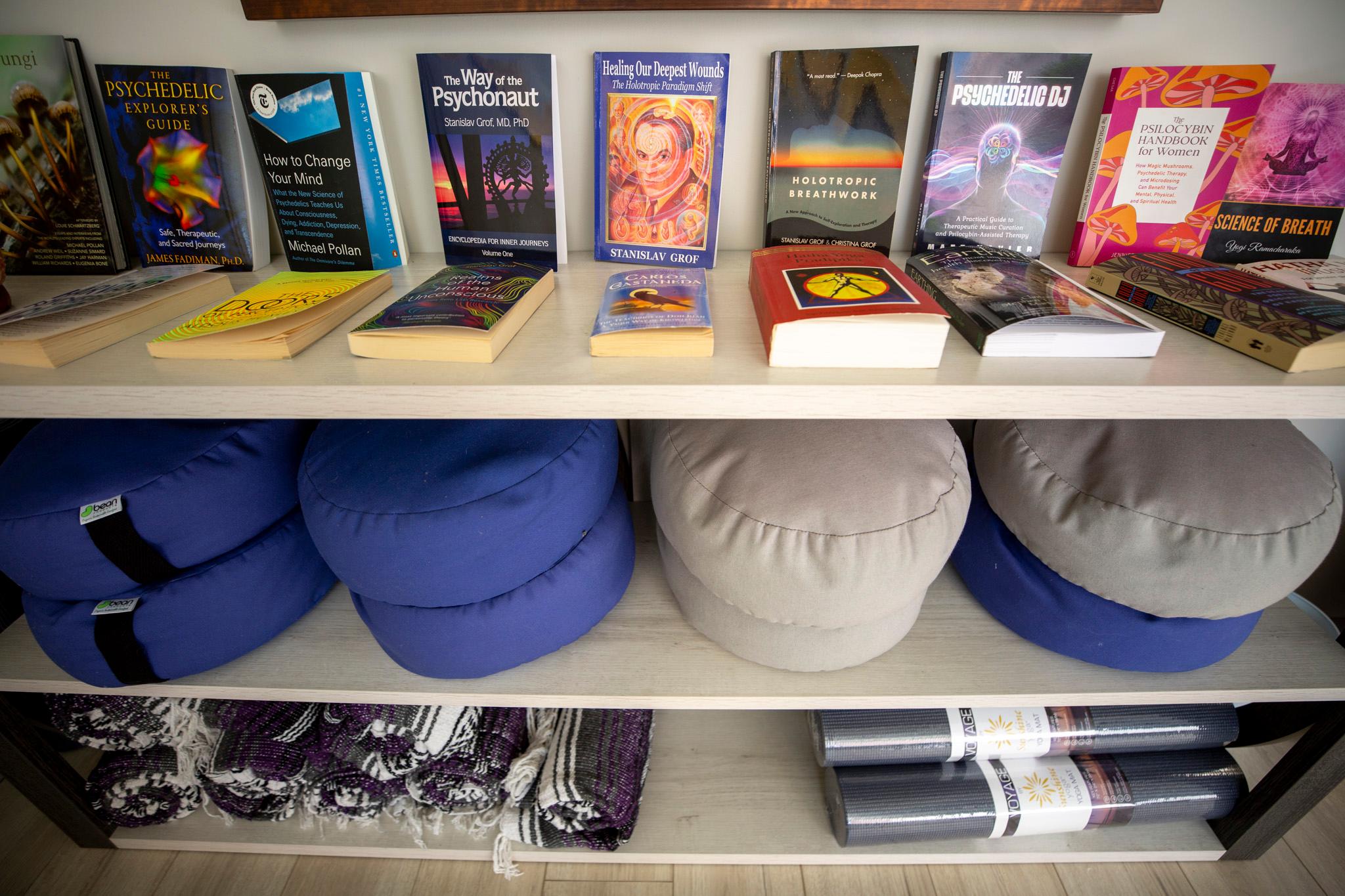
The Center Origin is the first standard licensed operating healing center in the state. It has four rooms available for psychedelic therapy sessions. All are designed with different earthy tones and levels of natural light. The rooms have all the functions of a standard therapy office but cozier, with big reclining chairs as well as cabinets filled with pillows, eye masks, even barf bags.
“People can be very nervous if it's their first journey. They don't know what to expect,” Cooke said.
Before Cooke received the license from the Colorado Department of Revenue’s Natural Medecine Division, she opened as a holistic wellness center in 2023 focused on breathwork, meditation and yoga — practices still available to people going through their psychedelic journeys. And that’s apparent when you see the yoga room decorated with a big tree and circular art. She remodeled the space to fit the new regulations, including a large, highly monitored storage facility with multiple security cameras where the psilocybin and confidential client paperwork are kept.
“It was already a therapist's office,” Cook said. “So it was set up really perfectly for what I was looking for. I renovated it, put in new (flooring), and painted and kind of gave it a little bit of a facelift.”
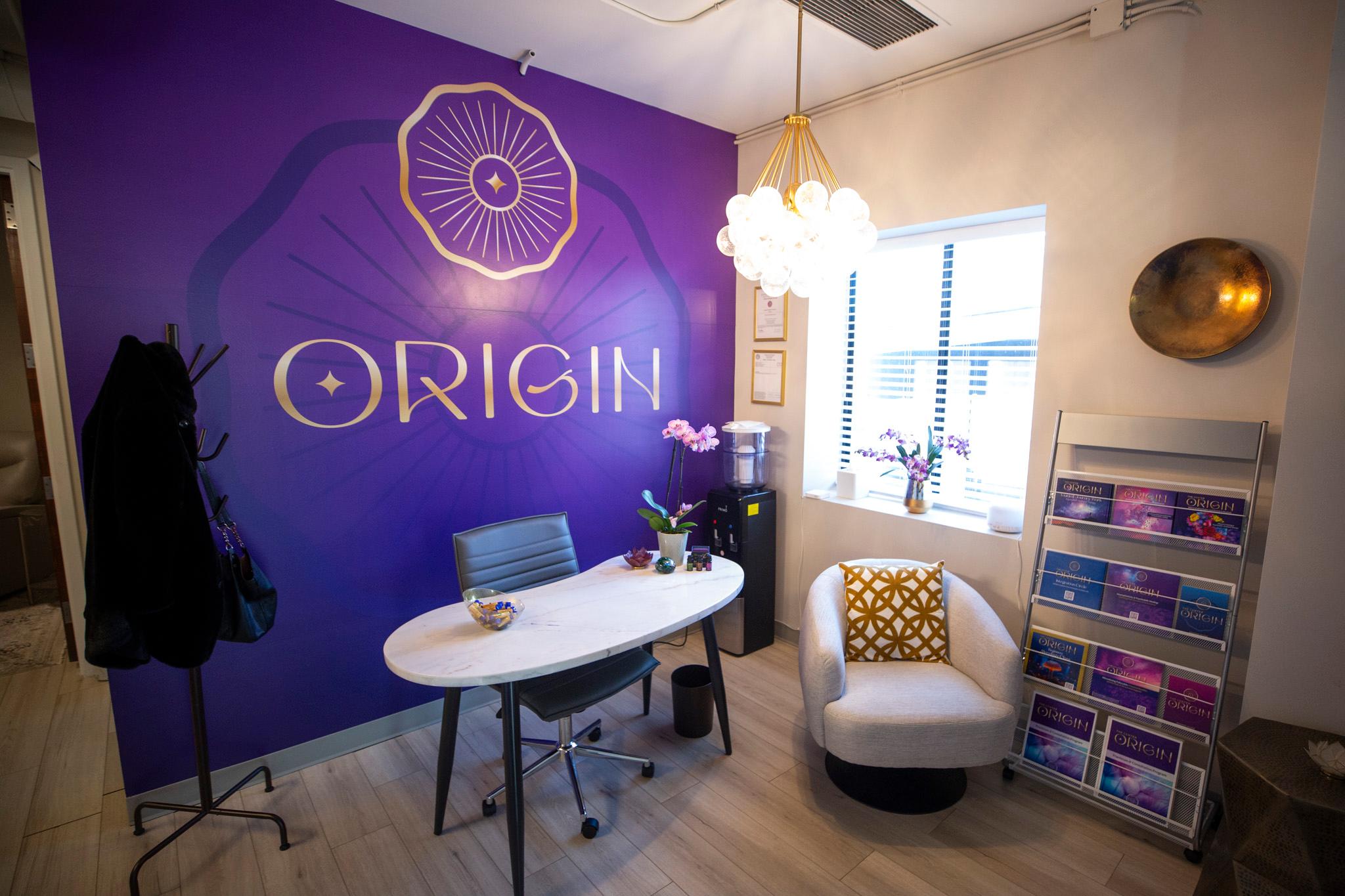
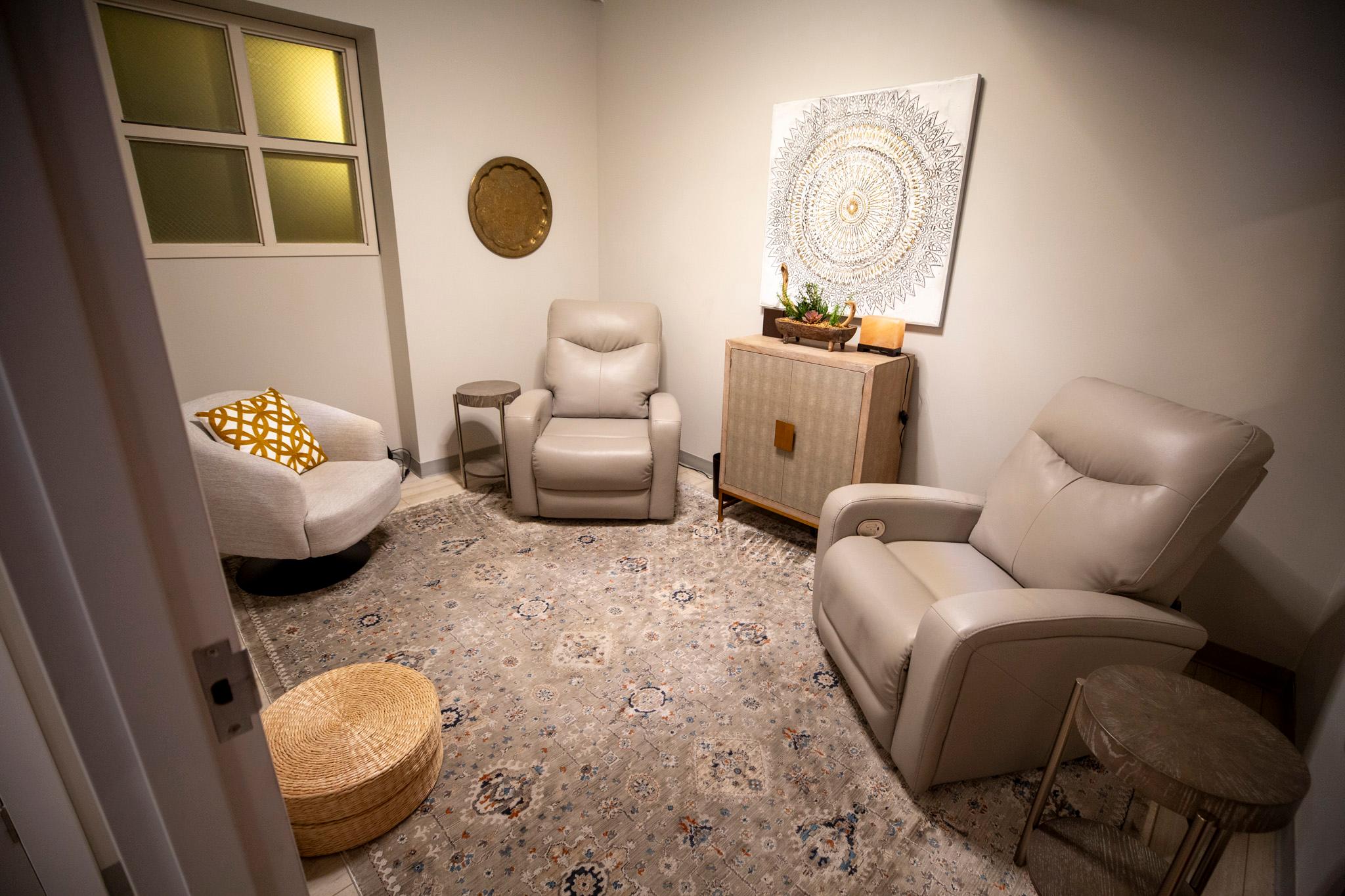
Each room is designed differently for individuals, couples, and groups.
“It depends on what they're looking for, the space that they want to be in, and also the size of the group that's coming,” she said. “After the medicine starts to kick in, they can either stay on a futon, or they can get up and (we) help transfer them into the zero-gravity chair.”
For most people and patients, micro-healing centers and standard healing centers might not look very different aside from size or personal style. The main difference has to do with storage and security on the backend. Additionally, micro-healing centers are more limited in the number of sessions they can provide due to the amount of psilocybin on site.
Like Mesirow, Cooke said she sees the potential and the responsibility of the therapies.
“Psychedelics are a journey,” she said. “People will say it'll take 10 years in talk therapy to get to the point of one journey.”
The 3-Step Journey
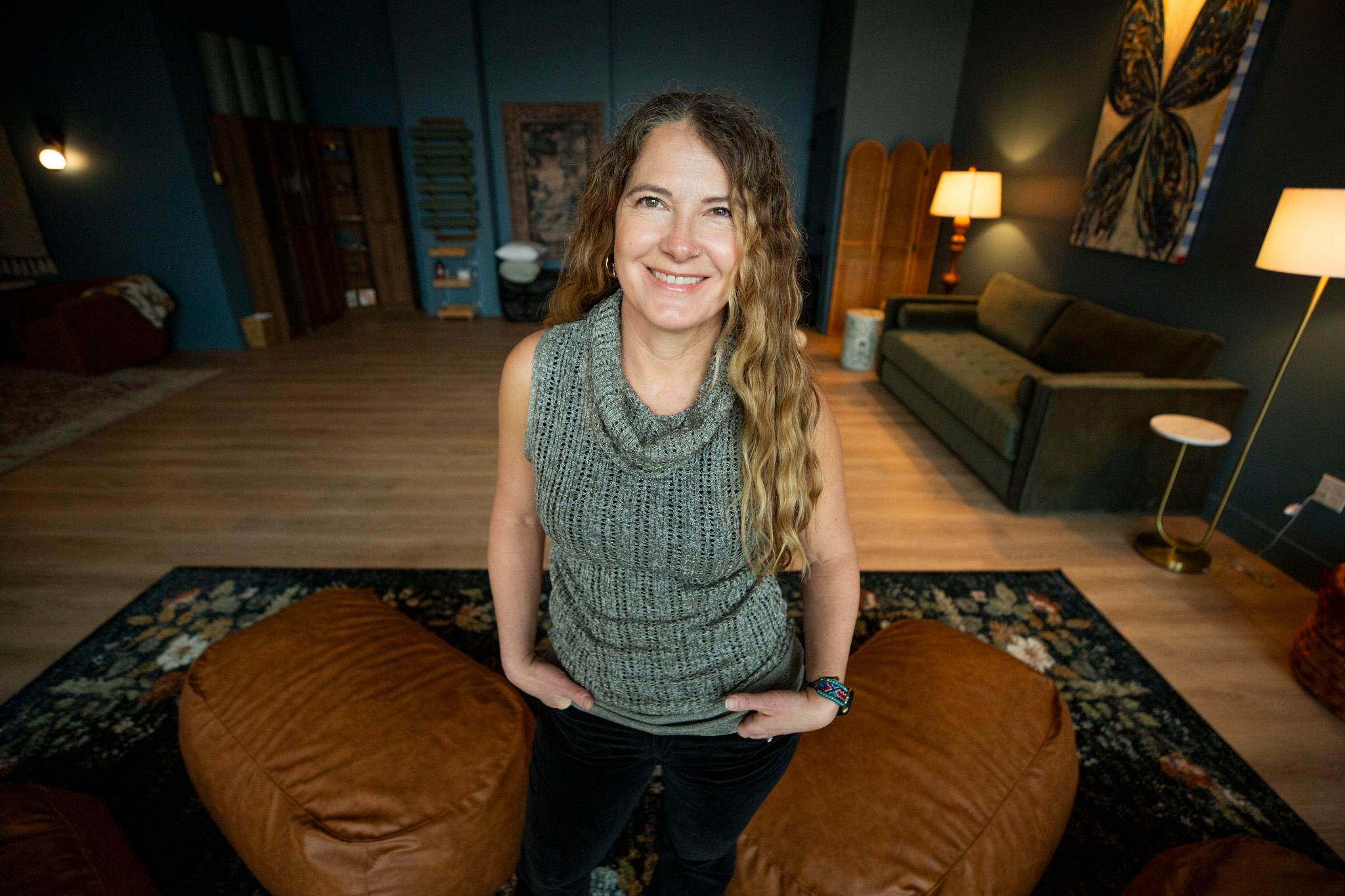
Dr. Jana Lomax, a licensed clinical psychologist with ETC, said this work has changed both her life and her clients’ lives.
“I've been curious and wanting to learn and signed up for 10-month-long training, unsure if I would bring psychedelics into my own group practice,” Lomax said. “That training was transformative in ways that I could have never imagined. It redefined the way that I thought about wellness and illness and healing and brokenness.”
At any of these centers, a person’s therapy session begins way before they consume any psilocybin.
It starts with a pre-screening required by the state. This is where a center looks at what medicines someone is already taking, any prior health concerns, family health history as well as any accommodations they might need or boundaries they want set. The screening is meant to protect people who might not be eligible for psychedelic medicines (such a patient with a family history of schizophrenia) or if psilocybin-assisted therapy is not the proper treatment for the patient.
While Lomax’s work focuses on guiding the therapy and trip, a medical consultant is also on hand.
“If anyone is medically complex or has some medicines that may interact with the psilocybin journey, she will be able to consult with us,” Lomax said. “Which gives me great comfort that I'm not having to practice outside my scope, that I'm not having to make recommendations about things that I don't know.”
After the screening, patients begin the preparation process with a facilitator. This timeline can vary per person. Here the facilitator and patient figure out the intentions of the journey, what to do in certain scenarios, and a plan for getting home. (Patients cannot drive to or from a healing center during the administration session.)
Both ETC Hospitality and The Center Origin said their baseline is two preparation sessions per person before any administration of psilocybin.
Once the preparation is complete, the patient will arrive at the facility for their administration session. This is when a patient will actually take the drug. A medicine handler will bring the psilocybin, the patient will consume the medicine and begin their psychedelic journey under the supervision of a facilitator.
The medicine handler and the facilitator are two different people by design, to add an extra layer of safety for both the person taking the medicine and the person facilitating the journey.
Group sessions will be conducted in larger rooms with people spread out. The number of people in those sessions can vary, with the goal of creating solidarity and community. Most group sessions are also a bit cheaper for each person individually.
While each center offers different features during the actual trip, the throughline is the comfort of the patient. Each space offers some place to lie, whether that be a bed, a yoga mat, or a futon — or a chair that mimics the womb. This is also where the eye masks come into play, assisting patients in turning their focus inward.
There’s the option of music and yoga in each center, as well as quiet areas. Some facilitators and centers offer guidance, like ETC’s flight plan.
“If you experienced a sensation of dying, melting, dissolving, exploding, or going crazy, go ahead. Experience that experience,” an ETC facilitator reads out loud. “Remember that the death and transcendence of your ego or your everyday self is always followed by a rebirth and a return to the normative world of space and time.”
“We introduced something that we've created called a personal arete protocol,” Mesirow of SANCTUM said. “Arete is a concept that Aristotle popularized as a core Aristotelian value. It's your highest embodied potential and service to self, others, something greater than yourself. We have a method that we use to help people investigate who they really are at their core, how they bring that out into the world, how they navigate it when the world is challenging or pushes back, and then how can they systematize that in a way to reduce stress, reduce overwhelm, and truly be the person that they were meant to be.”
Once the medicine has worn off, the next step is integration. The state requires follow-up sessions with patients that focus on “what came up” — such as memories, past traumas, realizations, or something else — during their psychedelic journey. They then discuss how any lessons or insights can be integrated into their daily life. That process can take as long as deemed necessary.
These can also occur at the healing center, similar to your normal therapy session.
“The real work starts with integration after the journey,” Cooke said. “It's taking what you've learned on that journey and working with somebody who understands that and what you were going through in order to connect the dots through integration, and then you can hopefully move forward without reliance on some of the pharmacological stuff.”
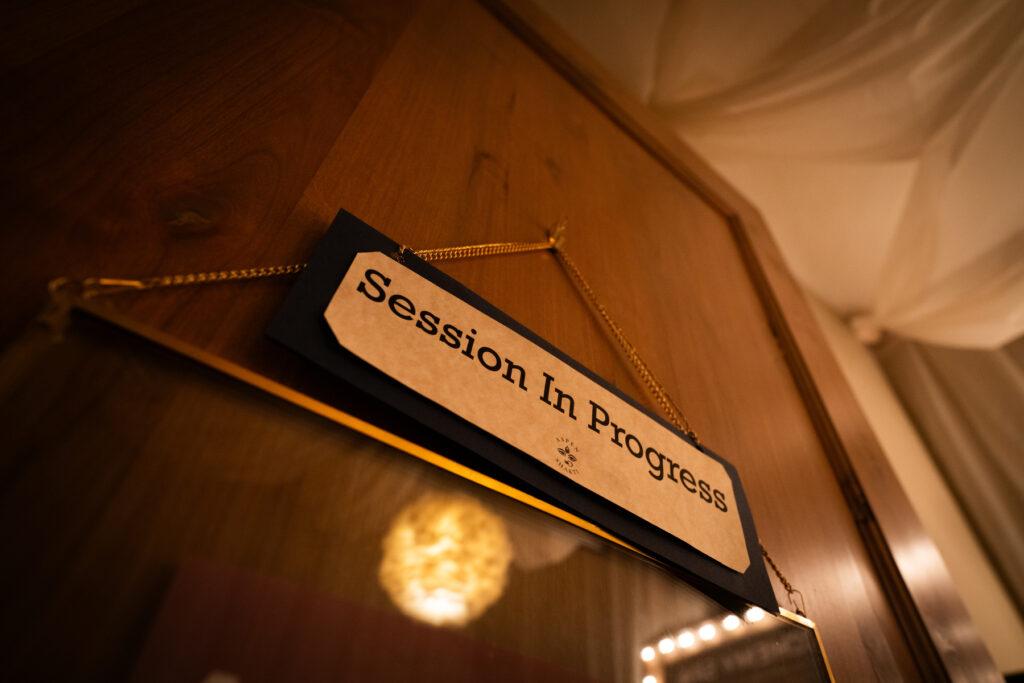
Every person CPR spoke with emphasized the importance of integration work after the psilocybin trip is complete.
“When we come into a medicine journey, we come in with all of our life experiences today; those don't get magically erased,” Mesirow said. “They are part of you. The medicine experience can be adding a very significant new thing.”
He used a metaphor he was told when going through his first psychedelic therapy experience.
“If I come in, my life is like a glass of water, then the medicine experience might be a glass of red liquid. With integration, maybe you can fully mix those two glasses,” Mesirow said. “The degree to which people do integrative work is — not always but — generally proportional to translating the experience within the medicine into long-term behavior change and life improvement.”
The spaces are nice … and expensive
Renovations and rules often mean costs. That was something Cooke anticipated from her experience in a different emerging industry — marijuana.
“Fortunately, from my time in cannabis, I had done enough build-out that I could talk to contractors, electricians and make sure that I could keep that cost down, because otherwise it's very hard for people that had never been in this space before,” Cooke said. “It could cost up to $25,000. That was a real deterrent for people.”
The state hopes micro-healing centers will help lower costs due to smaller holding spaces and security.
The Center Origin and ETC Hospitality are offering services for $3,500, which includes all three phases of the therapy. SANCTUM’s pricing varies depending on the services and extras — like a painting that encapsulates a patient’s journey or custom mala beads.
The steep price tag has many advocates already pushing towards improving accessibility.
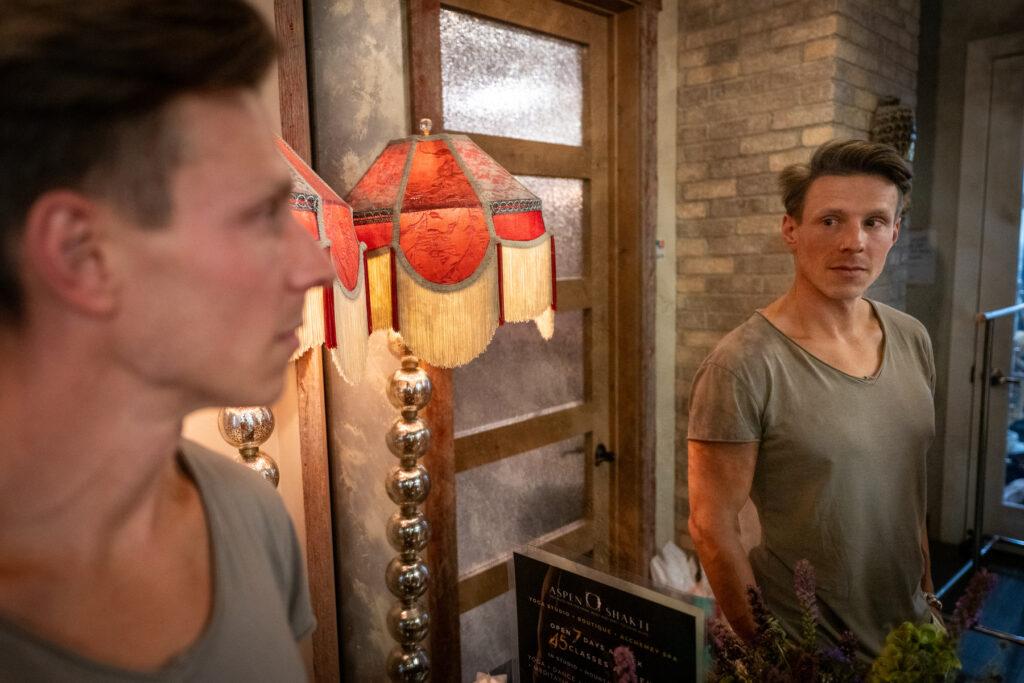
Mesirow is looking to work with local nonprofits in Aspen as a way to provide therapy for people in the community who otherwise can’t afford it and offer free integration indefinitely through community programming.
“We're trying to have the most affordable group care in the state so that members of our service industry or those who live down in Rifle and commute for three hours a day have the ability to have access,” Mesirow said. “Whether you're just dealing with stress and overwhelm or depression or more severe conditions, these are different symptoms of the core condition of disconnection — disconnection from self, from others, from your environment.”
Meanwhile, Cooke and her team at the Center Origin are planning to launch a microdosing and harvesting course in the future.
“Some people don't want to do a big journey, but they want a small journey. This helps because you do it in a regimen,” she said. “And it changes consciousness. It really has a huge impact.”
The plan is to provide people a syringe with spores and instructions to allow patients to grow their own mushrooms. In four to six weeks, a patient’s mushrooms would be ready to harvest.
While healing centers are just getting started in the state, Vaughn from ETC Hospitality said they all have a collective responsibility to ensure this type of therapy can continue to grow.
“Our job is to show the safety and efficacy of what can be done in a space like this,” he said. “We have a responsibility to not only track the adverse outcomes, which is super important, but also all the profoundly positive outcomes.
“All of the healing and the growth and the personal transformation that takes place in settings like this, we're going to see profoundly positive results on a micro and a macro level.”
Alejandro A. Alonso Galva is The Trip's project editor. Megan Verlee provides editorial guidance. Shelby Filangi is the digital producer. Hart Van Denburg is the visual editor. Additional reporting provided by Molly Cruse.