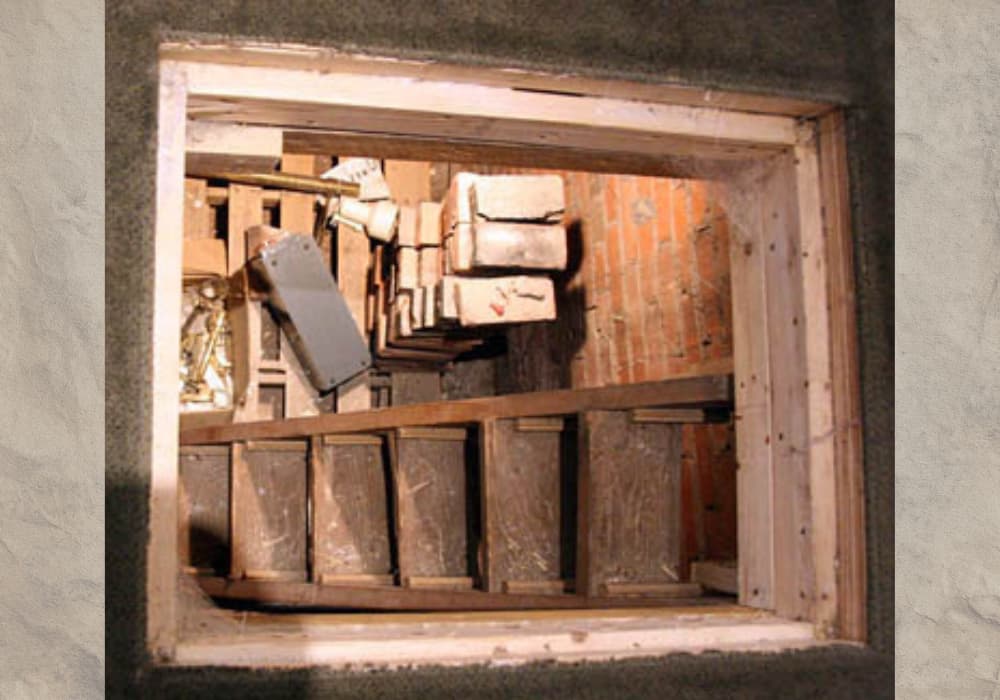
Hidden Tunnels of Colorado City

Visitors wandering Colorado Avenue in western Colorado Springs today might never imagine what lies beneath their feet. Tunnels. And in the 1860s these few blocks were the business district of Colorado City. It was a violent time. And settlers wanted a safer way to move around. So they dug passageways that linked one building to the next. That secure route soon turned into an underground network for commerce and nightlife. Business owners used the tunnels to move goods. Others, to sneak into gambling halls and brothels. And after a vote to ban alcohol in 1913, bootleggers used the connecting corridors to move liquor. As Colorado City went dry, so did wealth from the mines, and the subterranean routes fell into disuse. Go looking for an entrance now, and it will be hard to find. The tunnels are sealed, filled, or built over. The buried network, quiet and dark, is only traveled through legend.
About Colorado Postcards
Colorado Postcards are snapshots of our colorful state in sound. They give brief insights into our people and places, our flora and fauna, and our past and present, from every corner of Colorado. See more postcards.