Potatoes

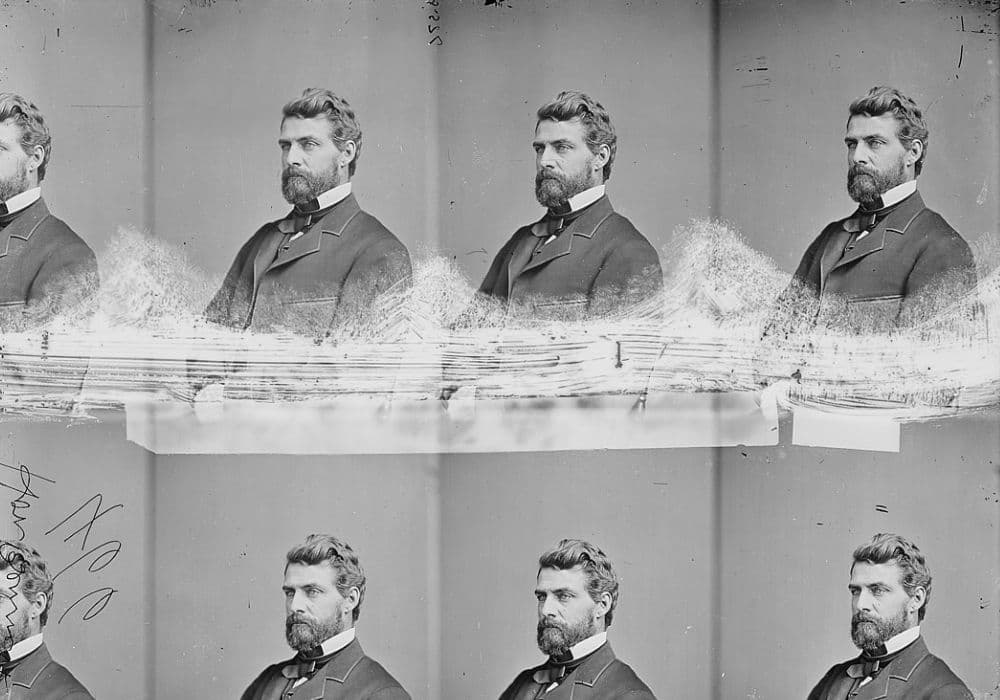
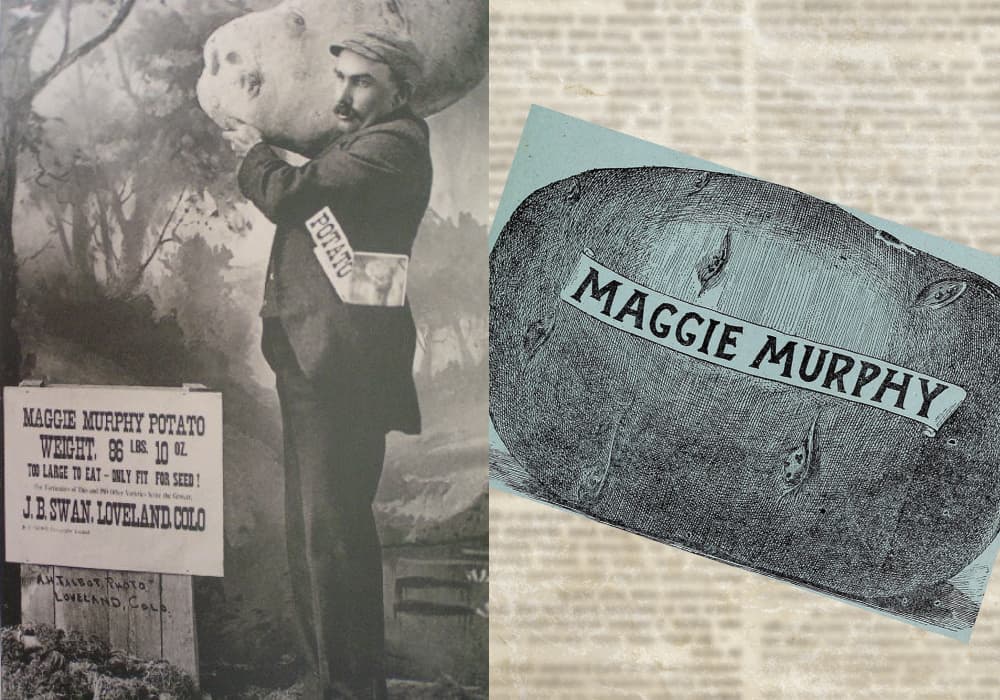
Rufus Clark came to Colorado in the Gold Rush and found treasure in potatoes! "Potato King" Clark's first wagonload sold for fifteen hundred dollars, a fortune in 1860. By the time the state became the newest in the union, the 'tater was a key cash crop and could attract a crowd. The first Potato Day in Greeley drew 10,000 people. Perfect for dry land farming, the potato is nutrient dense and almost fat free. It also spawned one of the first viral hoaxes: a faked photo of a man and a mammoth 86-pound spud supposedly grown near Loveland was widely shared and even presented as fact in Scientific American magazine. Today, though "King" Clark's original farmland is a golf club, Colorado ranks high in potato production, even developing new varieties like the Purple Majesty.
About Colorado Postcards
Colorado Postcards are snapshots of our colorful state in sound. They give brief insights into our people and places, our flora and fauna, and our past and present, from every corner of Colorado. See more postcards.