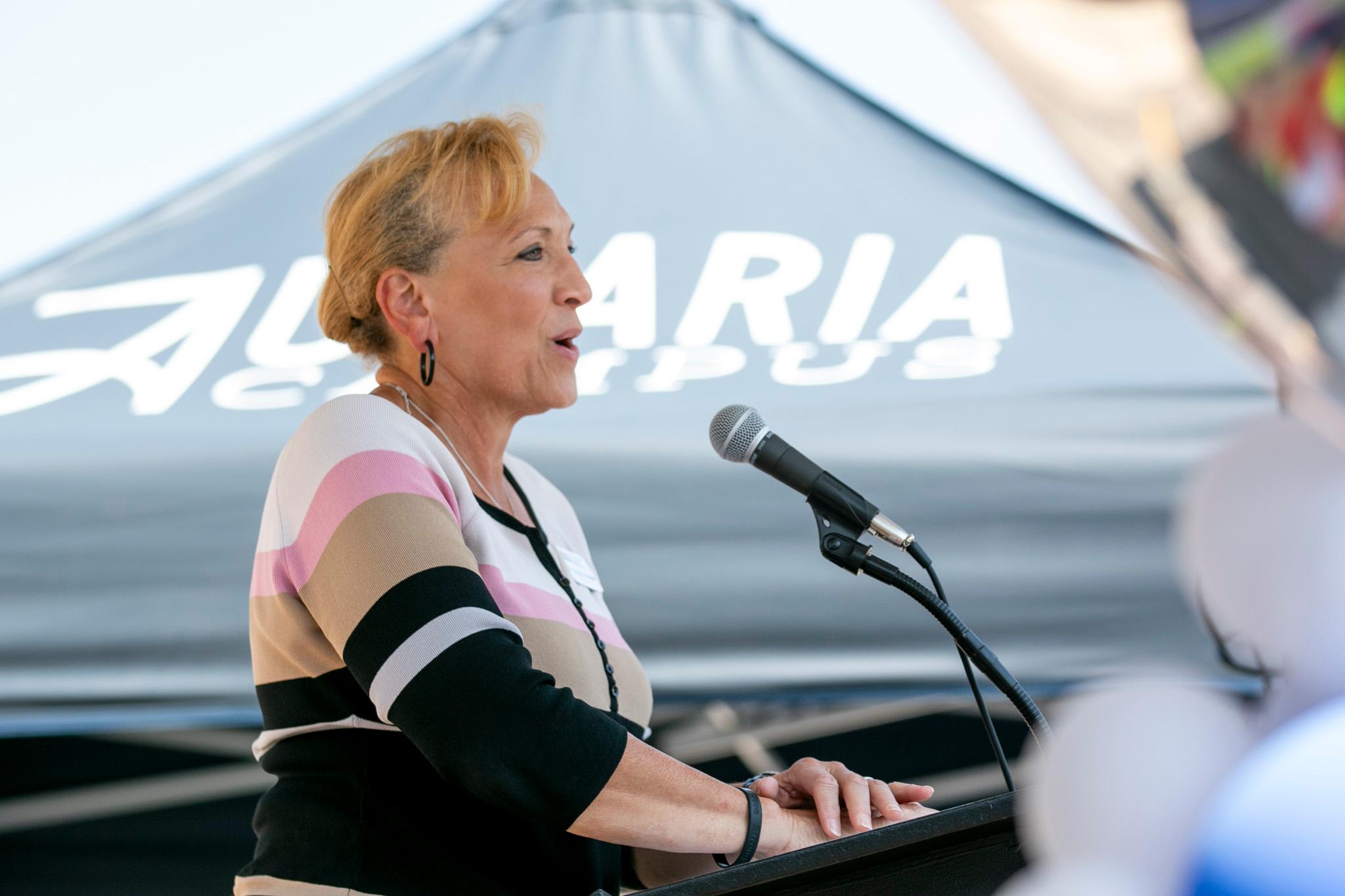
Angie Paccione is stepping down as executive director of the Colorado Department of Higher Education after seven years leading the state’s higher education system, Gov. Jared Polis announced Tuesday.
Paccione plans to return to the private sector, concluding a tenure that made her the second longest-serving executive director in the department’s history. She has served in the role since the beginning of the Polis administration in 2019. Her last day is Jan. 9.
“Dr. Paccione has been an incredible leader in higher education for Colorado, and her passion and expertise will be missed dearly," said Polis. “Angie’s hard work and dedication has created a foundation that we will continue building on for learners and workers at all levels.”
He credited her leadership with making major progress in breaking down barriers to help more students from diverse backgrounds access the training and education needed to succeed and drive the economy forward.
Key accomplishments
During Paccione’s tenure, Colorado expanded access to college, improved affordability, increased degree attainment, and made progress closing equity gaps for students of color.
Under her leadership, Colorado became the first state to address a major gap — thousands of adults with “some college” but no degree. The Colorado ReEngaged Initiative allowed four-year institutions to grant associate degrees to students who completed at least 70 credits but left before earning a bachelor’s degree, helping thousands gain a meaningful credential. The first cohort of about 300 former students received an associates degree under the CORE two years ago.
The state established a FosterEd program to provide full college tuition for eligible youth formerly in foster care. The EmpowerEd program was established to provide high school students experiencing homelessness helping to cover their full cost of college. During Paccione’s tenure, the state also began collecting data from every college on students with disabilities, aimed at improving their outcomes.
“For me, this work has always been about activating the potential in every student,” said Paccione. “Over the past seven years, we have expanded opportunity, strengthened workforce readiness, and unlocked personal fulfillment for Colorado’s learners.”
Another major focus was aligning what students studied in post-secondary education with high-growth industry needs. It included a push for more work-based learning, apprenticeships, and internships on academic campuses. This month, the department of higher education and Polis announced a $5.6 million package to expand work-based learning opportunities in rural and underserved areas.
Paccione also sought to lower textbook and course-material costs through grant programs. One state report shows a decline in the share of Colorado graduates who finish college with debt, dropping from 61 percent in 2013-14 to about 43 percent currently.
Paccione brought more than 27 years of experience in secondary and postsecondary education to the role, including service as a high school teacher and as a faculty member at Colorado State University. Her research on diversity and inclusion in teacher education has been widely cited in academic literature.
Polis will announce the next executive director before Jan. 9.