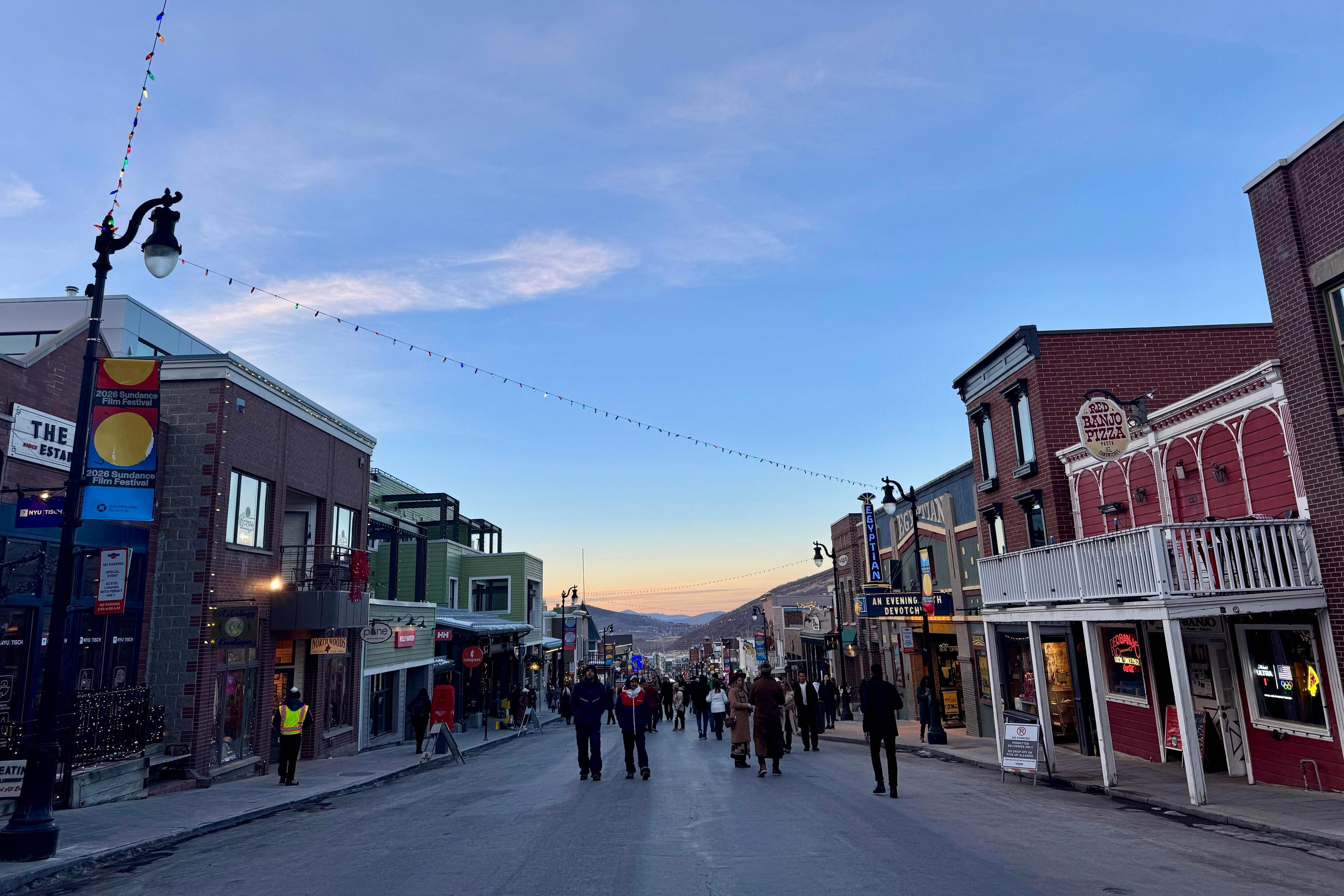

This is part of an occasional series looking at aspects of Colorado’s faltering economy.
Colorado’s economy boomed during the recovery years that followed the Great Recession. It outpaced most states when it came to adding jobs. For a few years starting in about 2013, it seemed like everybody wanted to live in Colorado. Denver, in particular, benefited from a wave of young people in their 20s and 30s moving in from other states.
Now, Denver has lost its luster in recent years. And as Colorado’s largest population center by a landslide, Denver’s fate has a big impact on the state’s overall economy.
CPR dug into the data to see how things have changed since Denver’s salad days during the last decade.
Population growth
Colorado’s population growth saw a notable uptick in 2013. Colorado’s net migration — which is the difference between the number of people coming and going — hit 45,109 that year, according to data from the State Demographer’s Office. It peaked last decade at 68,844 in 2015.
“My theory is that Colorado sort of got discovered during that time,” said state demographer Kate Watkins. “I remember, just anecdotally … going around to different shops and things and everyone had merchandise that was Colorado-themed … sort of playing into this ‘Colorado is cool. Everybody wants to be [here].’”

Housing was relatively affordable in Colorado, Watkins said, a draw for young people from high-cost states. Colorado became one of the first states to legalize recreational marijuana in 2012, which put the state in the national spotlight, she said.
“Colorado sort of led the way there … [which led to] more awareness about the state and then perhaps a perception of, ‘Oh, this is kind of a cool, hip place to go.’”
Migration leveled off in 2019 and plummeted during the pandemic in 2021. It recovered somewhat in 2023 and 2024, largely due to an influx of international migrants. Net migration is forecast to be weak this year and next as President Donald Trump’s immigration policies freeze international migration, according to Watkins.
Fewer people moving to the state could be a drag on Colorado’s economy, she said.
“To the extent that we need to grow our economy with additional jobs, we’d need to bring in that additional talent, so to speak, from other states. And if we can’t compete with other states to get it, then it would be a constraint on economic growth,” she said.
Housing market
Home prices in Colorado have skyrocketed in the past 15 years. In 2011, the median price for a home in Denver, the state’s largest housing market, was $190,000, according to real estate portal Homes.com. By the middle of 2021, prices had nearly tripled.
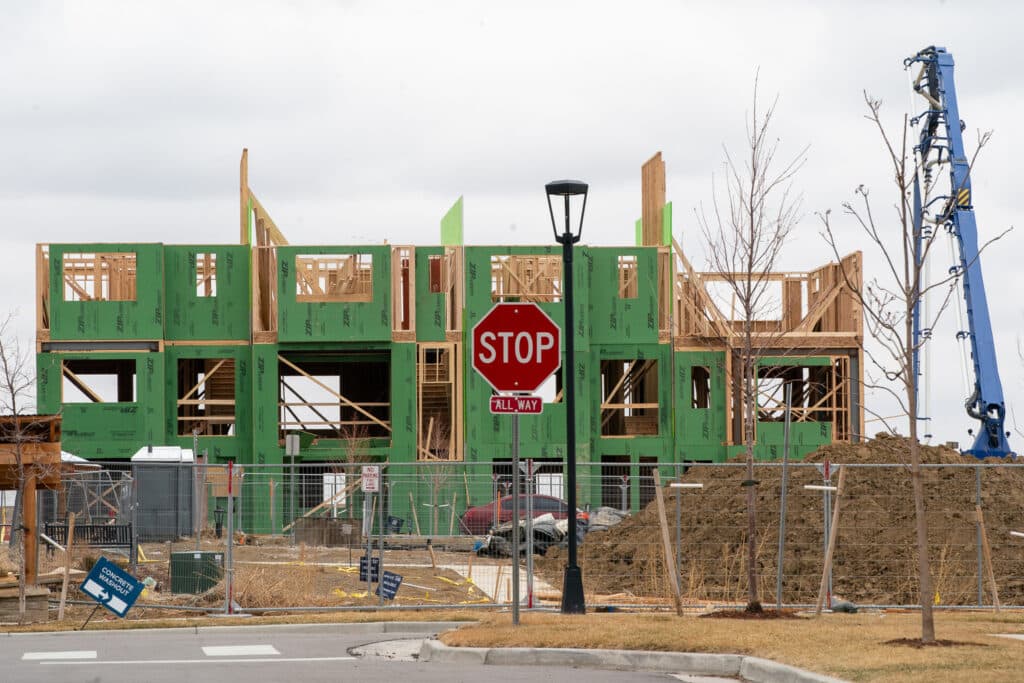
That growth stalled in the past three years. The housing market across much of the U.S. has been in a rut since 2022 because of high interest rates. But Colorado’s slowdown stands out. Colorado is currently 50th for home price appreciation among the states and Washington, D.C., according to a Federal Housing Finance Agency ranking. In 2015, Colorado was second on that list.
“We’ve essentially gone from one of the hottest markets to one of the most challenged,” said Jeannie Tobin, an analyst at Homes.com.
Essentially, Colorado has been a victim of its own success, she said. Housing prices kept climbing as more people moved to the state. Now, it’s no longer affordable, which is pushing people to leave.
“Denver in particular was thought to be an affordable option coming out of the Great Recession, especially for those people moving in from coastal cities,” Tobin said. “I guess a lot of other markets have gained the cool factor that Denver used to have … Denver just doesn't have that same affordability edge that we once did.”
Unsold listings in Colorado are piling up. For sale signs hit a 14-year high in July of this year, she said. The number of homes on the market has dropped slightly since then, according to Tobin. But not because homes are selling.
“It's because there are less homes that are coming to the market, and also sellers are taking off their homes because they're just not getting the prices that they want,” she said.
Apartment rents
Renting a place to live has also gotten way more expensive. In 2011, a typical apartment in Denver cost about $1,190 per month. Today, it’s about $1,775 per month.
Current rates are a good deal compared to early 2024, when rents in the city peaked at $1,887, Homes.com data show. Rents are falling as landlords struggle to fill a wave of new apartments built in recent years. Landlords are offering concessions like months of free rent and other perks in an effort to lure tenants.
Marijuana
At the start of the last decade, it was illegal to walk into a store to purchase marijuana for recreational use in Colorado. In 2014, the state became the first to sell licensed recreational marijuana, giving rise to a brand new economic ecosystem of growers, dispensaries, and, of course, consumers. In the first four years following legalization, Colorado issued roughly 38,000 occupational licenses for marijuana businesses, according to the Federal Reserve Bank of Kansas City. During that period, the marijuana industry may have accounted for roughly 13 percent of the state’s employment growth, the Kansas City Fed estimates.

Sales – and tax revenues – climbed steadily until peaking in 2021 during the pandemic. That year, the state collected $423 million in sales tax. Since then, sales of legal weed in the state have plummeted. Tax revenues were down about 40 percent from the peak last year. Analysts blame increased competition as other states have followed Colorado’s lead, as well as rising sales of intoxicating hemp online.
Attorney Brian Vicente, one of the authors of the amendment that legalized recreational marijuana in Colorado, remembers the day the first legal sale took place.
“I don’t think we could have predicted that it would have such a dramatic impact on Colorado’s economy. Fast forward 15 years, and you have $3 billion in sales … and then just sort of putting Colorado on the map for tourism and so forth,” Vicente said. “It became the Silicon Valley of cannabis.”
It’s natural that sales would dip now that 23 other states have legalized recreational sales, he said.
“If I live in New Mexico and I don’t have access to legal cannabis, I might drive to Colorado, but if suddenly there’s legal cannabis in Santa Fe, I might go there instead,” he said.
Vicente predicts sales have bottomed in Colorado. Legislative changes in Colorado, as well as changes in how the federal government classified marijuana, could lead to a resurgence, he said.
The Great Outdoors
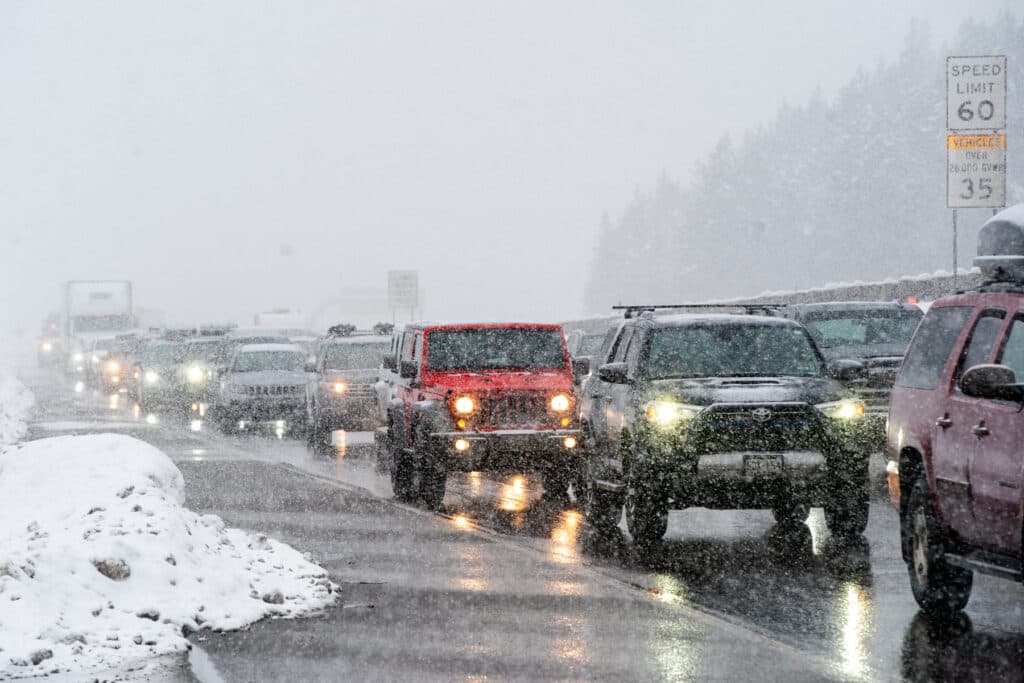
Longtime Colorado residents love to talk about the good old days, when skiing was fun and you could get to the mountains from Denver without sitting in four hours of traffic on Interstate 70. Mountain vistas and outdoor activities are the reasons many people are attracted to Colorado. But some are growing disillusioned by the hordes heading out from the Front Range to hike, bike and ski on the weekends.
Take Tobin from Homes.com. She moved to Denver from Vancouver in 2014.
“I used to go out to the mountains … most weekends. And at that time, you could leave on a Friday after work, and you could drive back on a Sunday late afternoon and be in the mountains or be back within an hour-and-a-half to two hours … I don’t even try anymore,” she said. “A lot of people move here to be close to the mountains, to be the weekend warrior, go on a quick hike after work, and it's just become so congested that it just can't be done anymore. And I think that a lot of people moving here, they don't understand that.”
Tobin feels Denver’s overall growth peaked around 2015.
“And then it started to slow down. I think that was kind of a function of Denver hitting a maturity level, where you just can’t grow at the same pace as before,” she said.

Colorado’s economy is flashing warning signs. Job growth has slowed to a trickle. Layoffs are inching up. The housing market is in a slump. Both the state and its biggest population center are struggling to plug massive budget holes. On top of all that, the longest government shutdown in history was weighing on the economy.
The big question, though, is whether all the bleak data points to something more serious: recession. And the answer is complicated.
Colorado Public Radio takes a look at what those warning signs might mean through the new series Silent Recession. Read more stories in the series here.