The U.S. Environmental Protection Agency announced on Friday it will reject Colorado’s latest plan to protect air quality over wilderness areas and national parks, citing the state’s attempt to shutter coal-fired power plants.
The disapproval marks the latest example of the Trump administration using its authority to buoy the state’s struggling coal industry. Over the last decade, utilities have agreed to shutter all six of Colorado’s coal-fired power plants by 2031 due to state-level climate laws and high costs associated with maintaining the aging facilities.
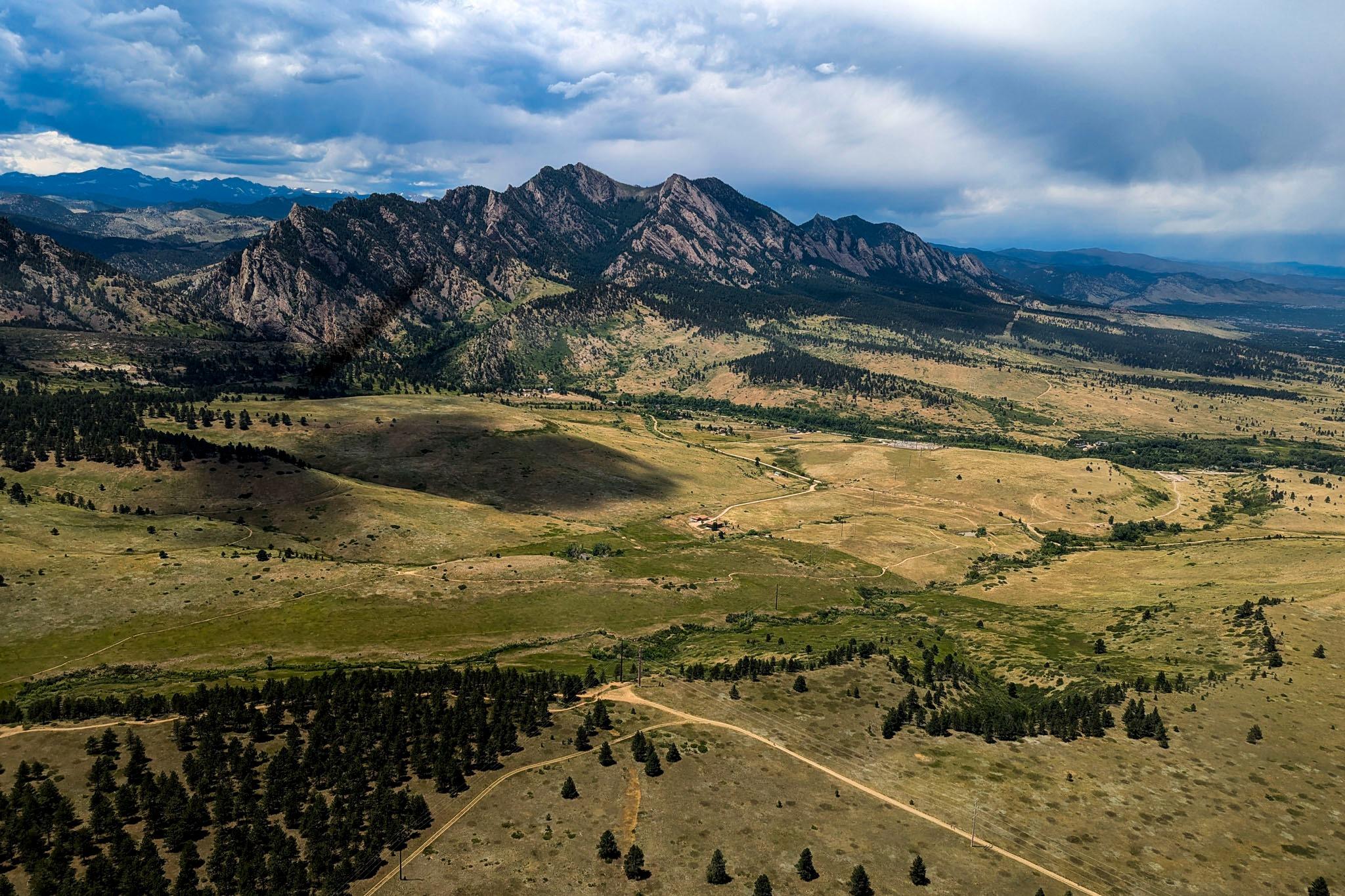
Coal power plants are also a leading source of dangerous air pollutants like mercury and particulate matter. In 2022, state air quality regulators added planned coal plant closure dates into the draft Regional Haze Plan, which details how the state will protect air quality in highly protected federal lands. The U.S. EPA had previously allowed Colorado and other states to include power plant retirements in those plans.
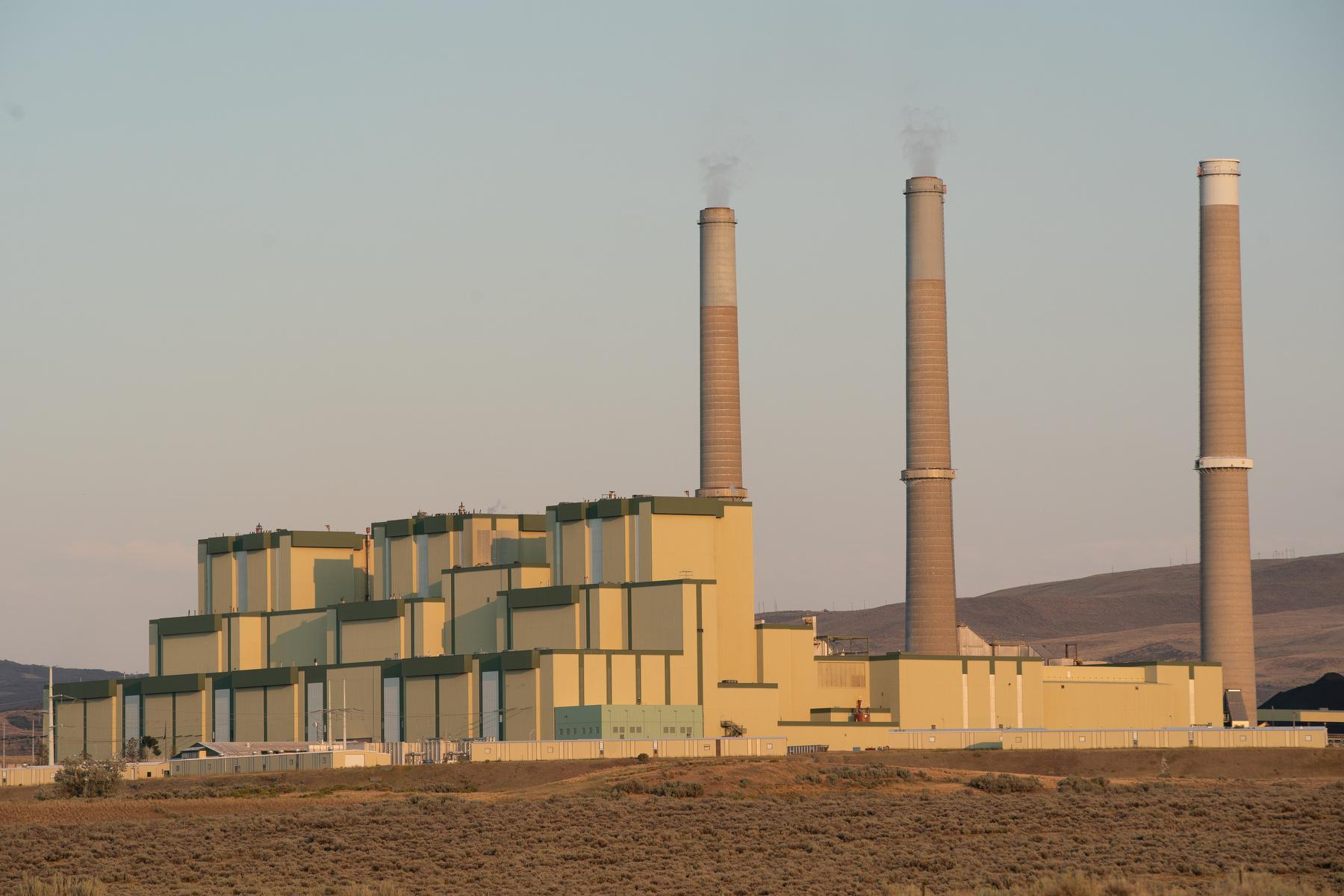
The Trump administration has repeatedly intervened to keep coal plants open. In December, the Department of Energy issued emergency orders to keep four coal-fired facilities running past closing dates set for the end of 2025. That includes Craig Unit 1, a power plant in northwest Colorado operated by Tri-State Generation and Transmission.
Colorado can still enforce coal plant closures under state law, but the EPA decision suggests the White House remains determined to obstruct any attempt to transition away from fossil fuels. A spokesperson for Gov. Jared Polis’ office did not immediately respond to questions about how the state might respond to the upcoming EPA decision.
In an interview with CPR News, Cyrus Western, director of EPA Region 8, said the federal government determined the state could meet federal regional haze standards without shuttering the coal plants.
“We absolutely will have clean air,” Western said. “The state did not need to shut down these coal plants to be compliant.”
The U.S. EPA signaled its intention to reject Colorado’s regional haze plan in July. At the time, the agency planned to reject just portions of the plan, but it ultimately opted to scuttle all of it due to objections raised by Colorado Springs Utilities, Western said.
Utility officials asked the EPA to intervene because Colorado’s regional haze plan would have required it to close the Ray Nixon Power Plant, a coal-fired generating station south of Fountain, by the end of 2029.
Now the city-owned utility worries that shuttering the facility early would destabilize the grid and require steep bill increases. The EPA ultimately determined that closing the power plant against the utility’s wishes would violate its basic constitutional private property rights.
That interpretation breaks with decades of legal precedent, according to Jeremy Nichols, a senior advocate for the Center of Biological Diversity’s environmental health program. If it survives court challenges, he worries states could be left with little power to improve air quality.
“The EPA has turned the law around and claimed the law puts a ceiling on what states can do, and that’s just absurd. Every state should have the ability to do what’s best for its people,” Nichols said.
A coalition of environmental groups — including the Sierra Club, EarthJustice and the National Parks Conservation Alliance — blasted the decision in a press statement released Friday, saying the EPA is seeking to illegally override local utilities’ voluntary work to shift away from coal-fired power plants.
The Trump administration has repeatedly claimed coal plants are essential to maintain a reliable grid and protect ratepayers from rising energy bills. Many power providers, however, have approved plans to shutter aging coal plants partially because it's sometimes cheaper to build new wind farms and solar installations.
Tri-State, for example, expects that continuing to operate Craig Unit 1 will require additional investments in repairs and fuel supply. The nonprofit cooperative says it will comply with federal orders, but it's now working to protect its rural customers from cost increases.
The EPA published a preliminary version of the decision on Friday, and plans to release a final version in the next two weeks, Western said. At that point, Colorado must begin working on a revised plan, or the federal government will write a new plan for the state. Either version must be finalized within the next two years.