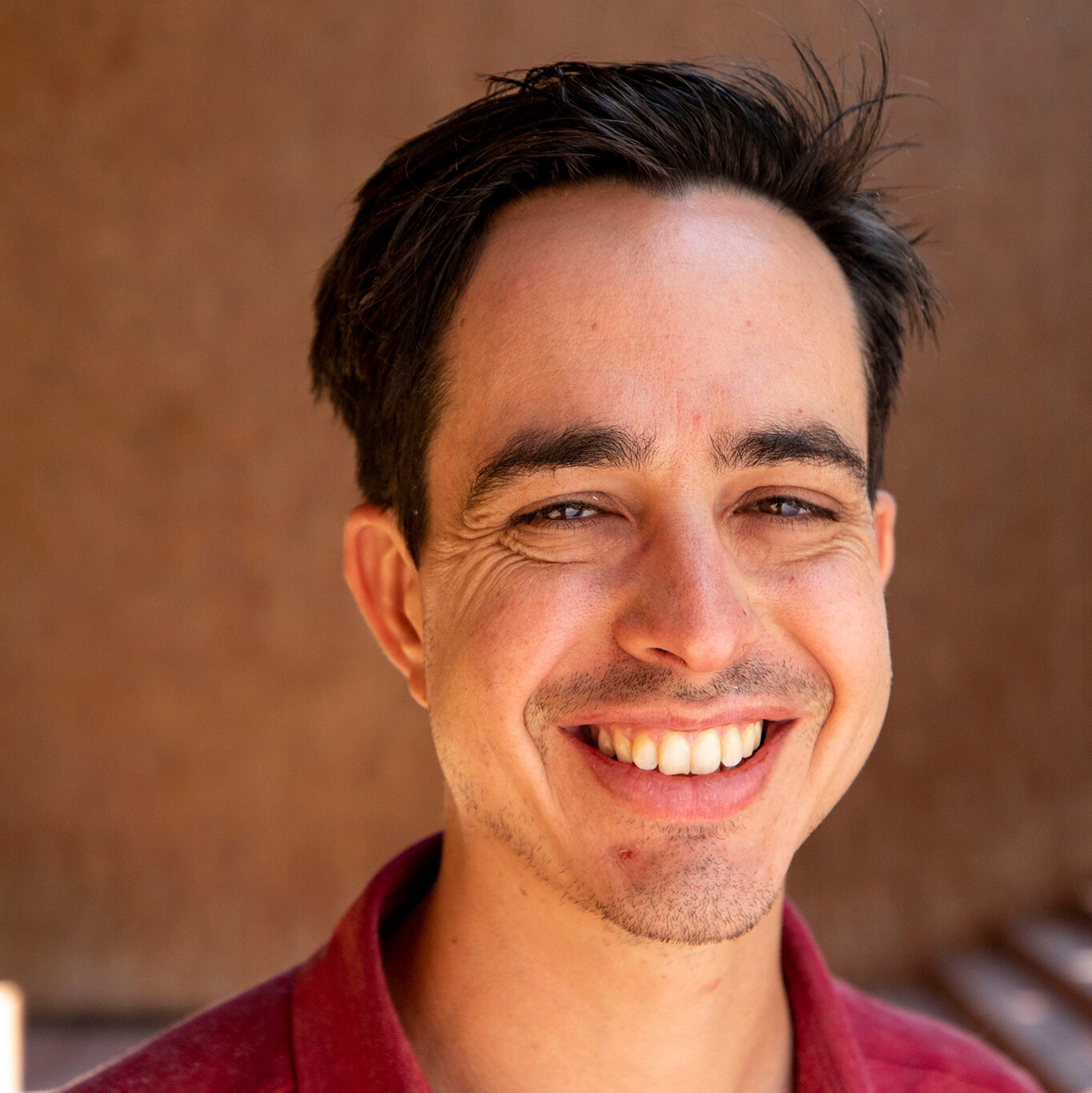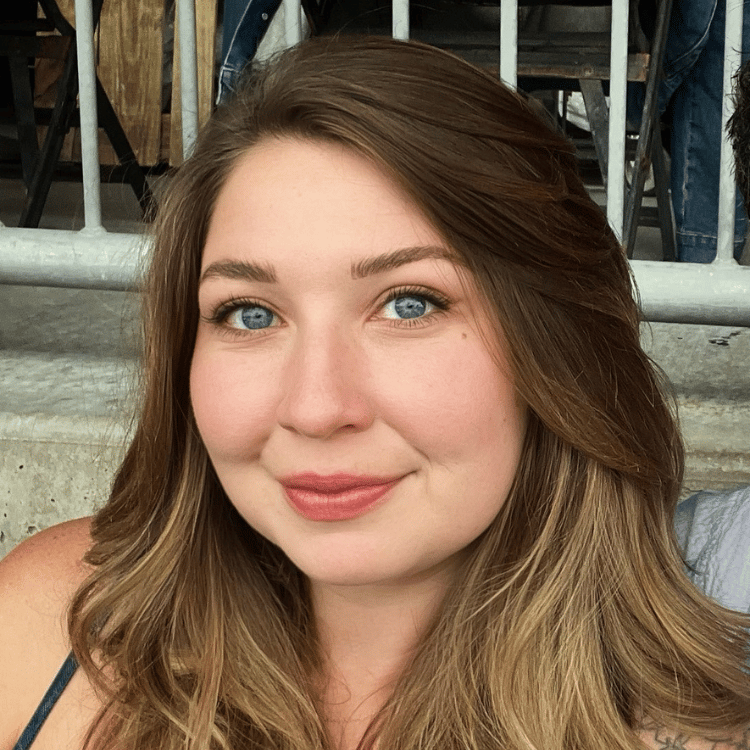
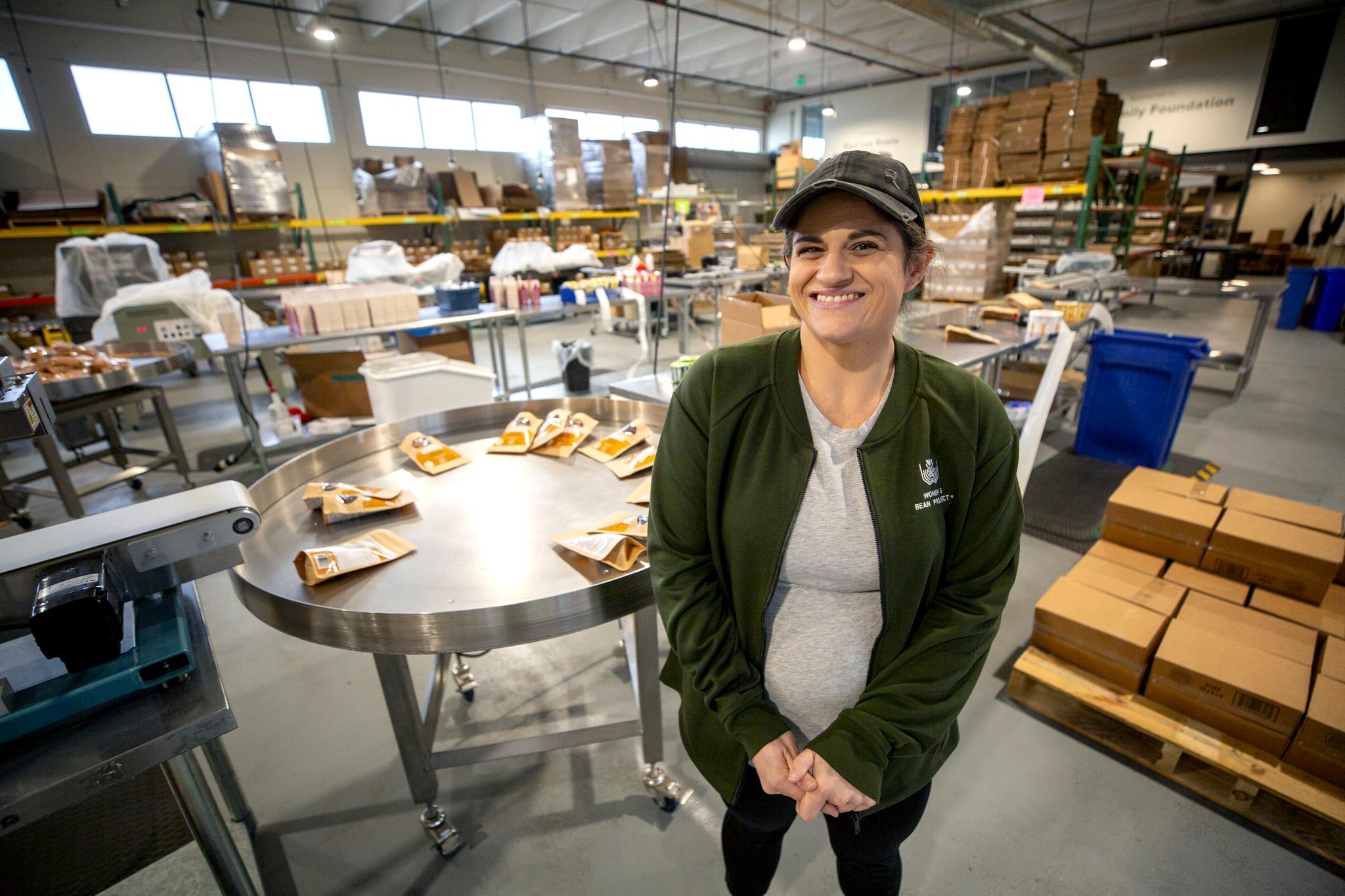
When Brittany Persichitte walked through the doors of Women’s Bean Project in April 2023, she carried things no résumé could explain: fear, determination, and the hope that this time she would build a different life.
“In my past, there was a lot of drug addiction,” she said quietly when we spoke at the Women’s Bean Center off Federal Blvd. in Denver. “I had a lot of incarceration, homelessness. I ended up getting pregnant, and that was my changing point for myself. I did not want to lose custody of my son.”
Her love for him — and the fear of losing him — became her north star.
“I got sober, and I moved into a sober living facility,” she said. “Then my next step was to get a job.”
A roommate told her about Women’s Bean Project, a Denver nonprofit that hires women facing barriers to employment and pays them while they stabilize their lives and learn job skills. She applied and was accepted.
But what she felt on day one surprised her.
“It's unlike any job I've ever worked before,” she said. “You come in, and everybody is so friendly, and everyone just cares so much about you and really wants you to succeed. It's totally different.”
She didn’t know it yet, but she was in the first chapter of a new life — one she now helps other women begin.
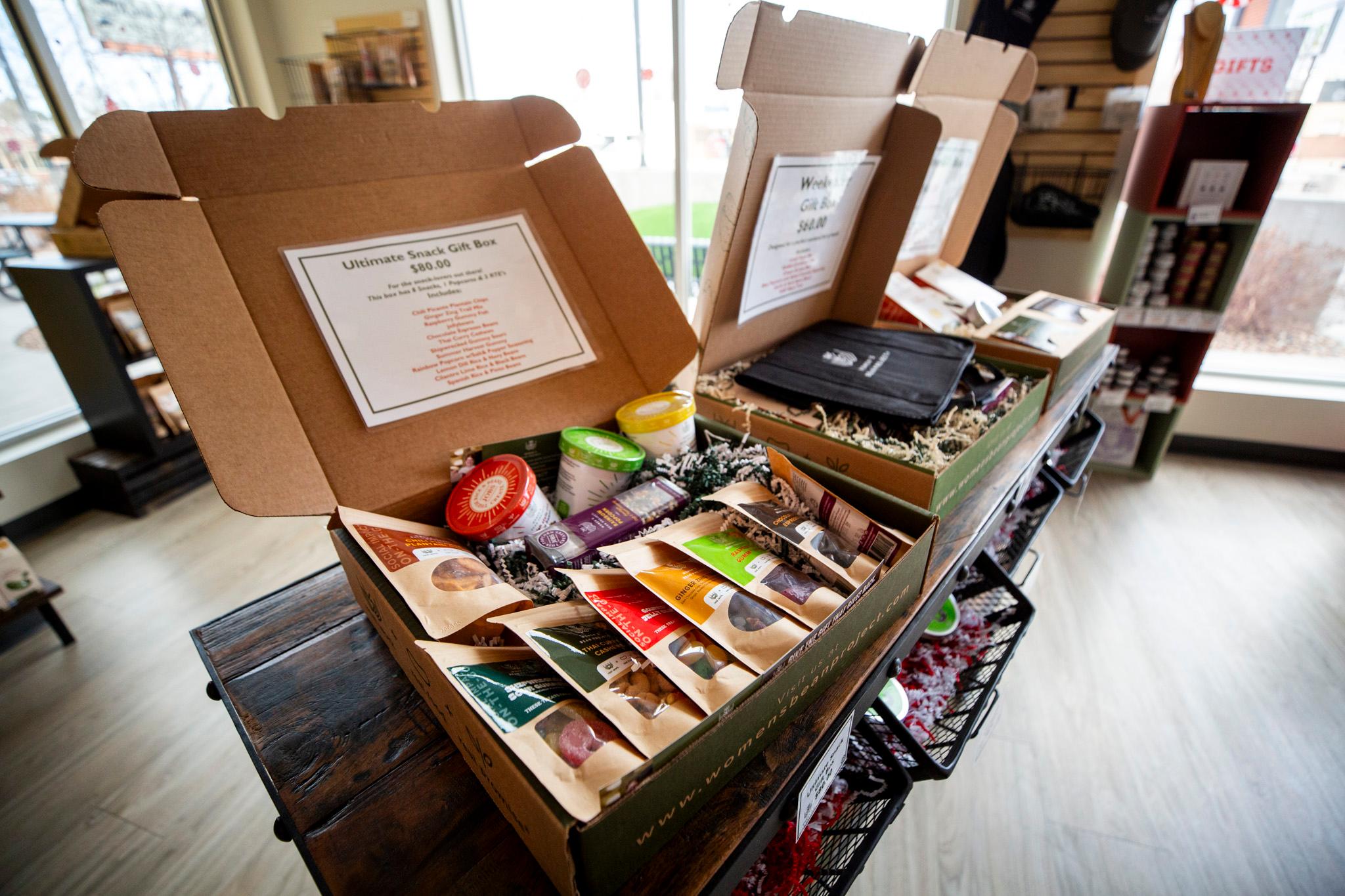
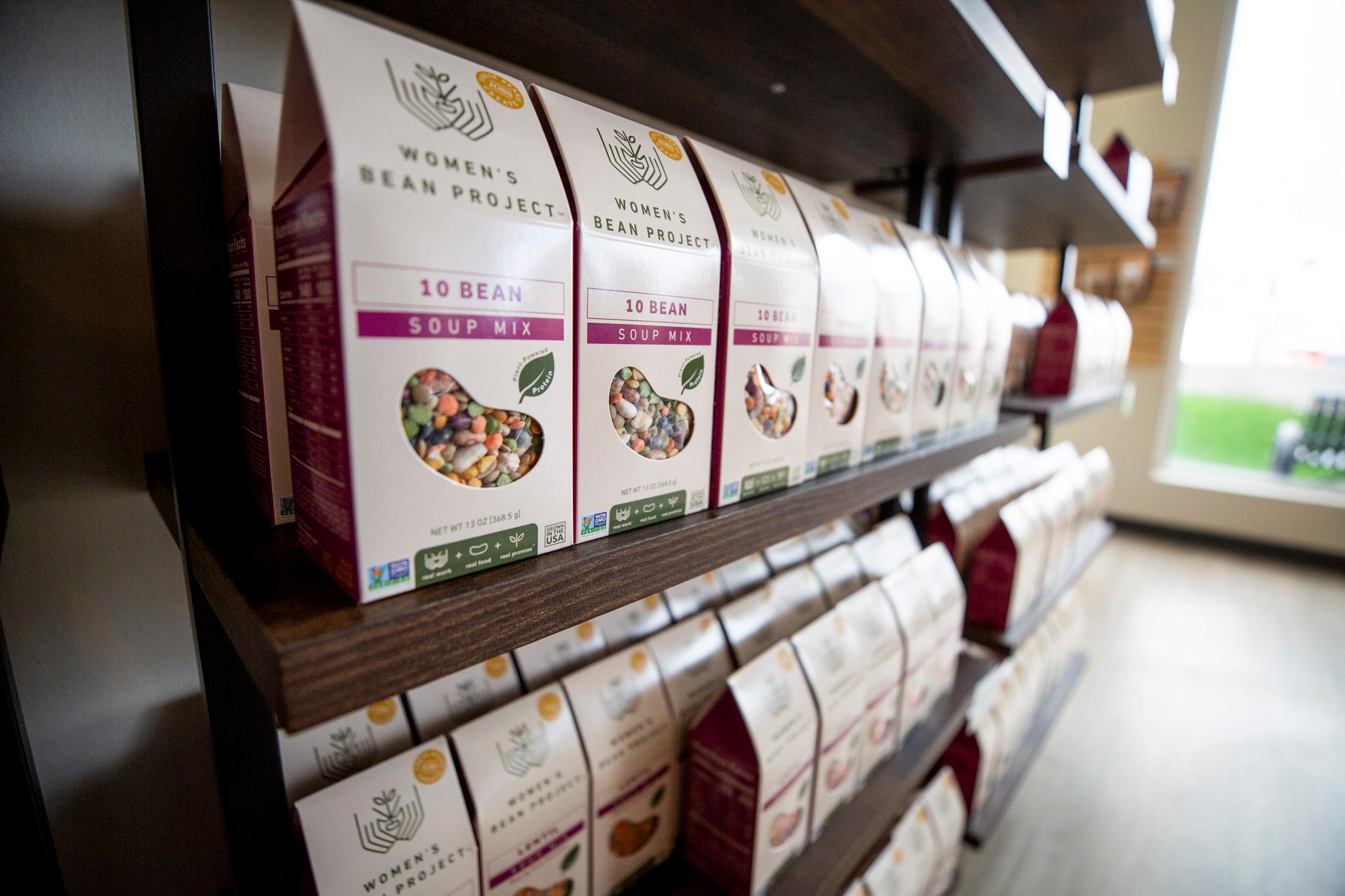
Women’s Bean Project was founded in 1989, aimed at helping women break the cycle of poverty and achieve lasting independence. They quickly became known for their 10-bean soup, but these days, the program manufactures, packages, and sells much more than that — everything from baking mixes to dog treats.
Brittany is one of an estimated 2,000 Colorado women who have graduated from the program, which is structured to meet local women where they are.
“The first phase is the stability phase,” CEO Shelby Mattingly explained. “Making sure that folks have access to transportation, that they have a place to live, that they have childcare if they need it, and that they’re aligned with a case manager.” The women are hired at the standard Denver minimum wage, and most complete the program in six to nine months, leaving with a job outside the program.
For many women living on the streets or escaping a toxic environment, survival mode is the norm. Their barriers — addiction, homelessness, poverty, incarceration, domestic violence — don’t arrive alone. They layer and compound, making it difficult to navigate complex systems requiring paperwork, time and self-advocacy.
In the early weeks of her journey, Brittany says she found space to breathe for the first time in years. “In the first phase, we did a lot of self-work,” she said. “We learned a lot about healthy relationships. My case manager helped me write letters of self-advocacy for a court case. We also did a lot of art therapy.”
Slowly, she learned she didn’t have to accept “no” as the final answer — not from housing agencies, not from the legal system, and not from the world.
“Before it was just so easy to take no for an answer, because you’re not sure you deserve anything else,” she said. “But here, they really show you that you don't have to. You can have a different life.”
When her application for a housing voucher was denied because of her criminal history, she thought the door had closed. But at Women’s Bean Project, someone showed her the appeals process. She followed it and won. Her voice softened when she described the moment: “If they hadn't given me that opportunity, I think I would've lost everything again.”
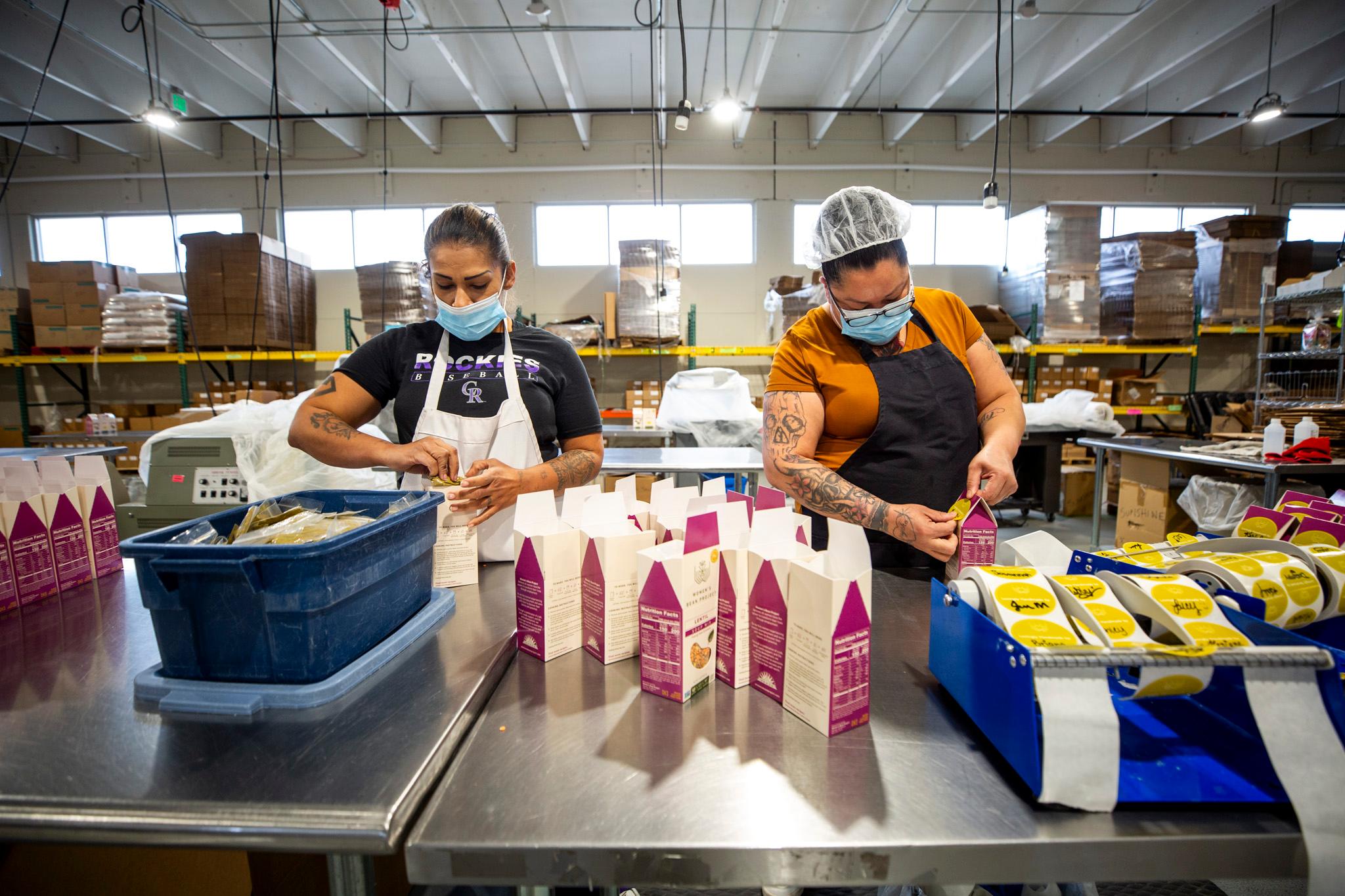
When Brittany moved into the program’s second phase, she stepped onto the production floor of the Women’s Bean warehouse — rows of tables, shelves of ingredients, the hum of machines. It was a world totally unfamiliar to her.
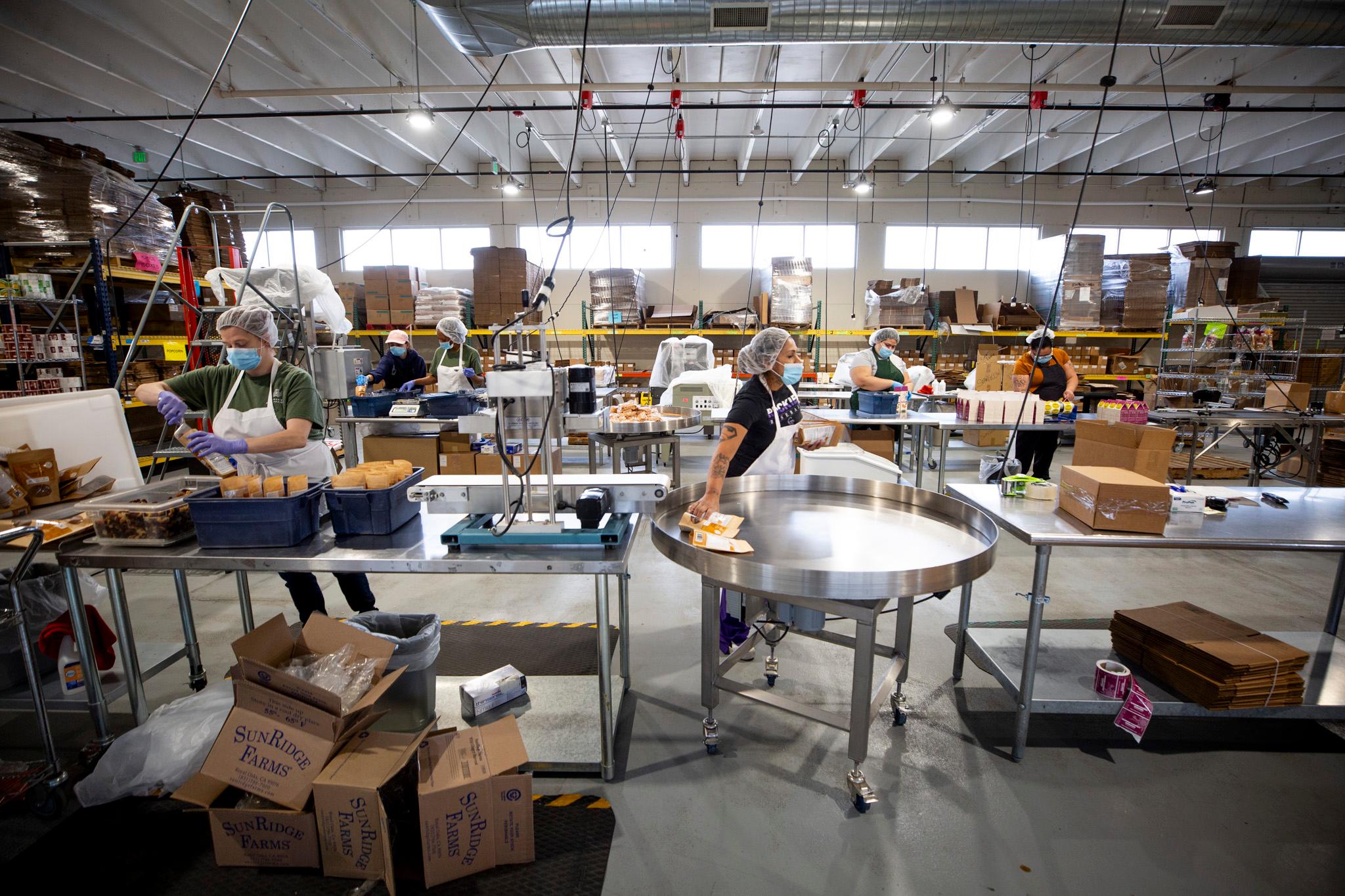
“I had no idea what I was walking into,” she said with a small laugh. “But I really enjoy the work. It’s cool to look at something you buy at the grocery store and be like, ‘Oh yeah, I totally know how that ends up in that box now.’”
She also kept taking classes on conflict management, financial literacy, and digital skills. But most importantly, she began experiencing steadiness — perhaps for the first time as an adult. An income. A routine. A team that noticed her hard work.
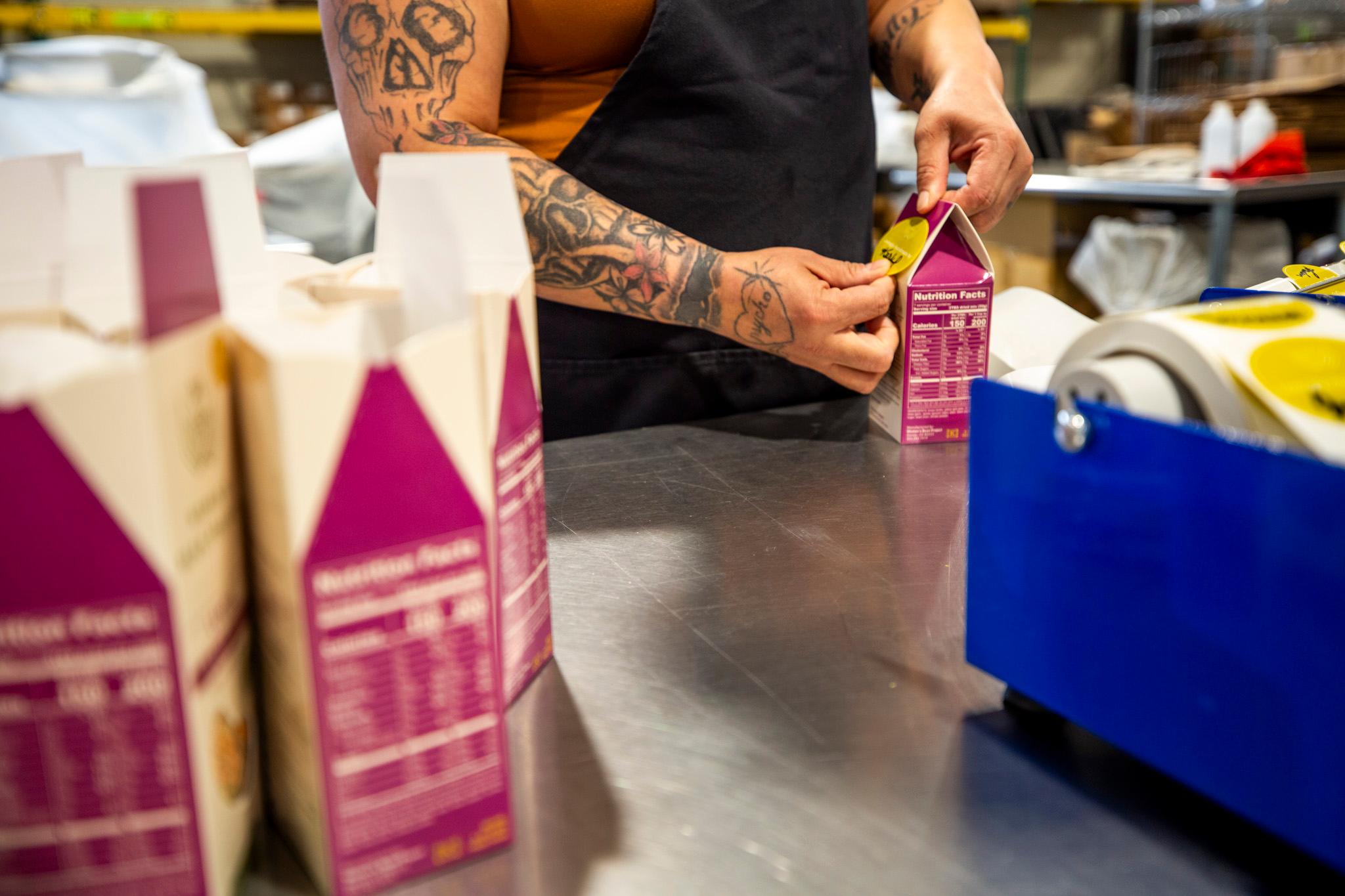
“There’s a lot of things I’m really proud of,” she said, reflecting on her time in the program. “Having an honest income, paying off my traffic tickets so I could get my license and get a car, not having to take my son on the bus when it was cold.” And perhaps the biggest win of all: “I celebrated my one year of sobriety here. And I did get custody of my son back.”
But it’s not just her own journey she’s proud of. “The women here, they're making a bigger impact than just on themselves,” she said. “A lot of them have kids, and they're getting to show their kids that they don't have to follow in their footsteps. We're making a change for generations to come.”
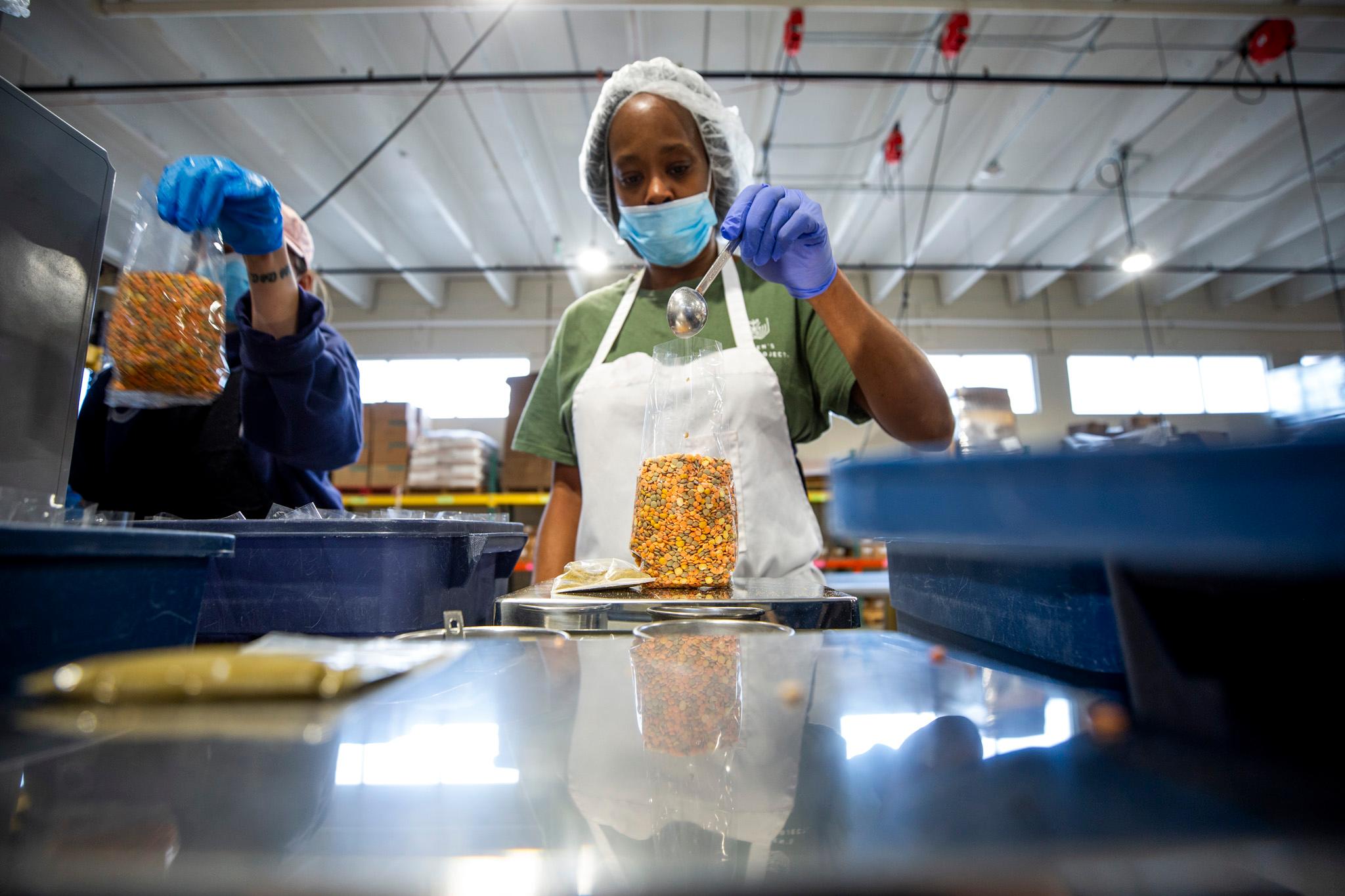
After graduating, Brittany became one of the roughly 30% of women who go on to work for the Women's Bean Project. “I felt like I had a story that could really reach other participants,” she said. “I needed to feel like I was making a difference. And I feel like I can do that here.”
Now she works with women in the program daily, acting as their manager on the production floor, but also as a friend who knows what they’re going through. Sometimes they talk about résumés, other times it’s about court dates, recovery hurdles, housing barriers and other struggles she overcame while in the program. “Then I am able to share some of my experiences and just show them that you can come out on the other side,” she said.
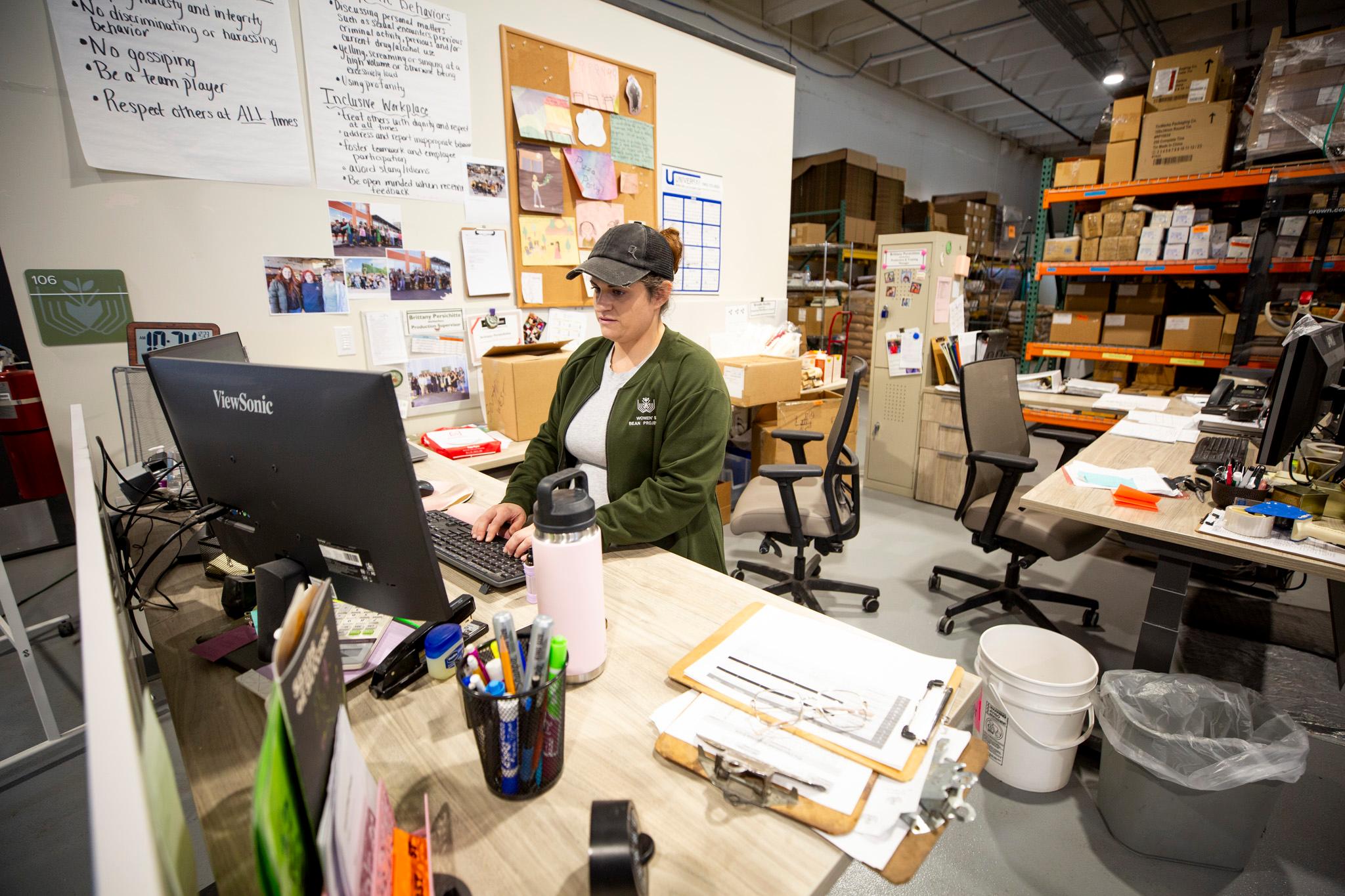
For people who have never navigated addiction, incarceration or housing instability, the path forward can seem simple from the outside, Brittany said. But she wants people to understand the truth.
“Making some of the changes that women have to make when they come here — getting sober, working on their mental health, finding housing, navigating food stamps and Medicaid. Those aren't easy things to do. When someone is putting in that work and that time, they deserve a second chance. They deserve to be heard.”
CEO Shelby Mattingly echoed that sentiment. “I wish people knew how capable and powerful and resilient the women that work here are,” she said. “What I see every day is a team of really funny, talented, skilled women who can do anything they set their minds to.”
After everything she has moved through — addiction, homelessness, incarceration, fear — Brittany now carries a word that once felt impossible.
“Freedom is my word now,” she said. “Freedom to make the choices to do what I want with my life. Freedom to want more and to want to do more.”