At the far northern end of the National Western Stock Show grounds — past the Denver Coliseum rodeo crowds, the Western art displays and the shopping stalls — lies the stockyards.
Besides being a massive tourist draw and a nationally known venue for producers to showcase their most beautifully coiffed farm animals, the stock show is also a major livestock marketplace. Many stock shows have auctions, though few operate at National Western’s scale.
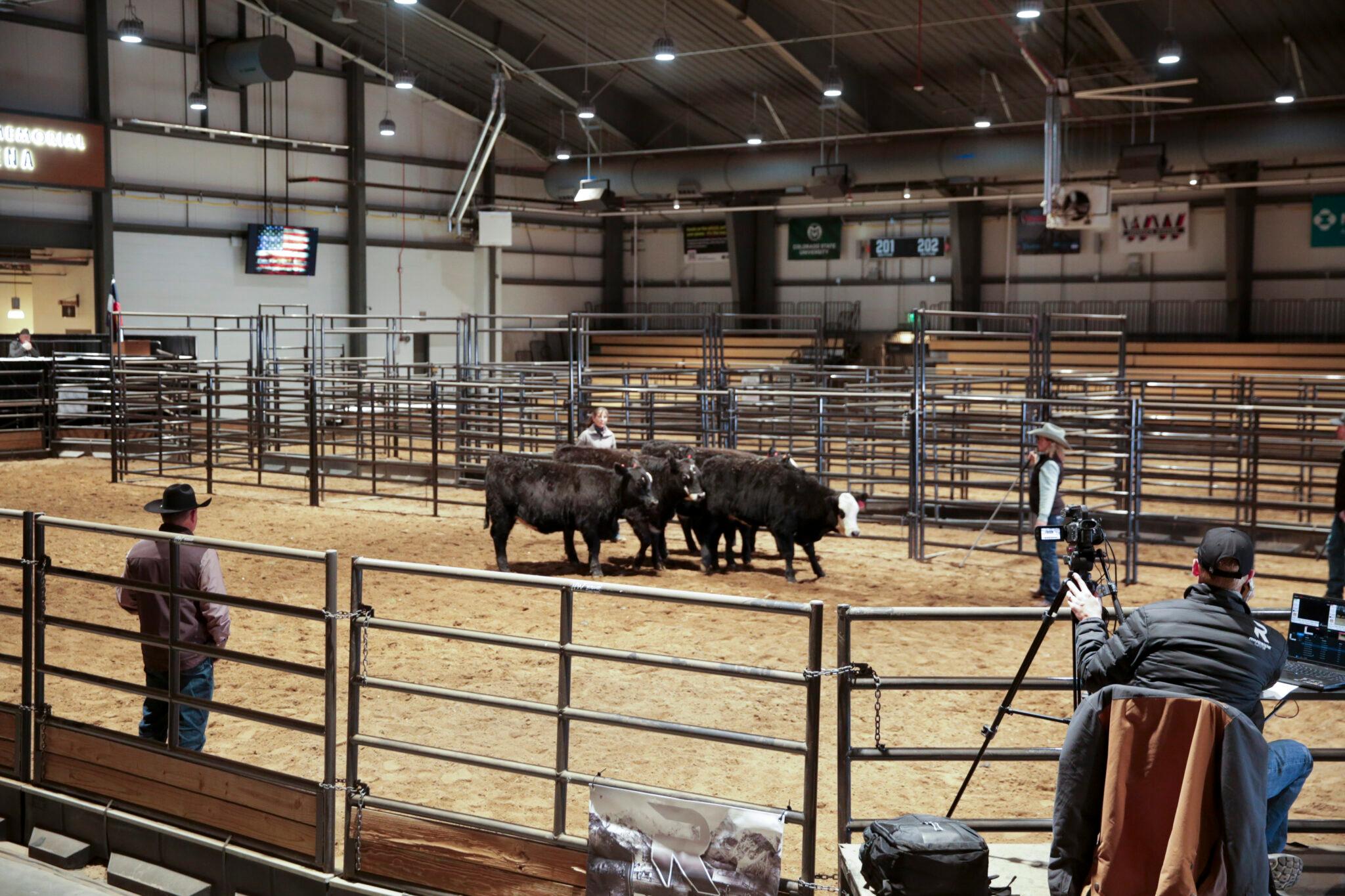
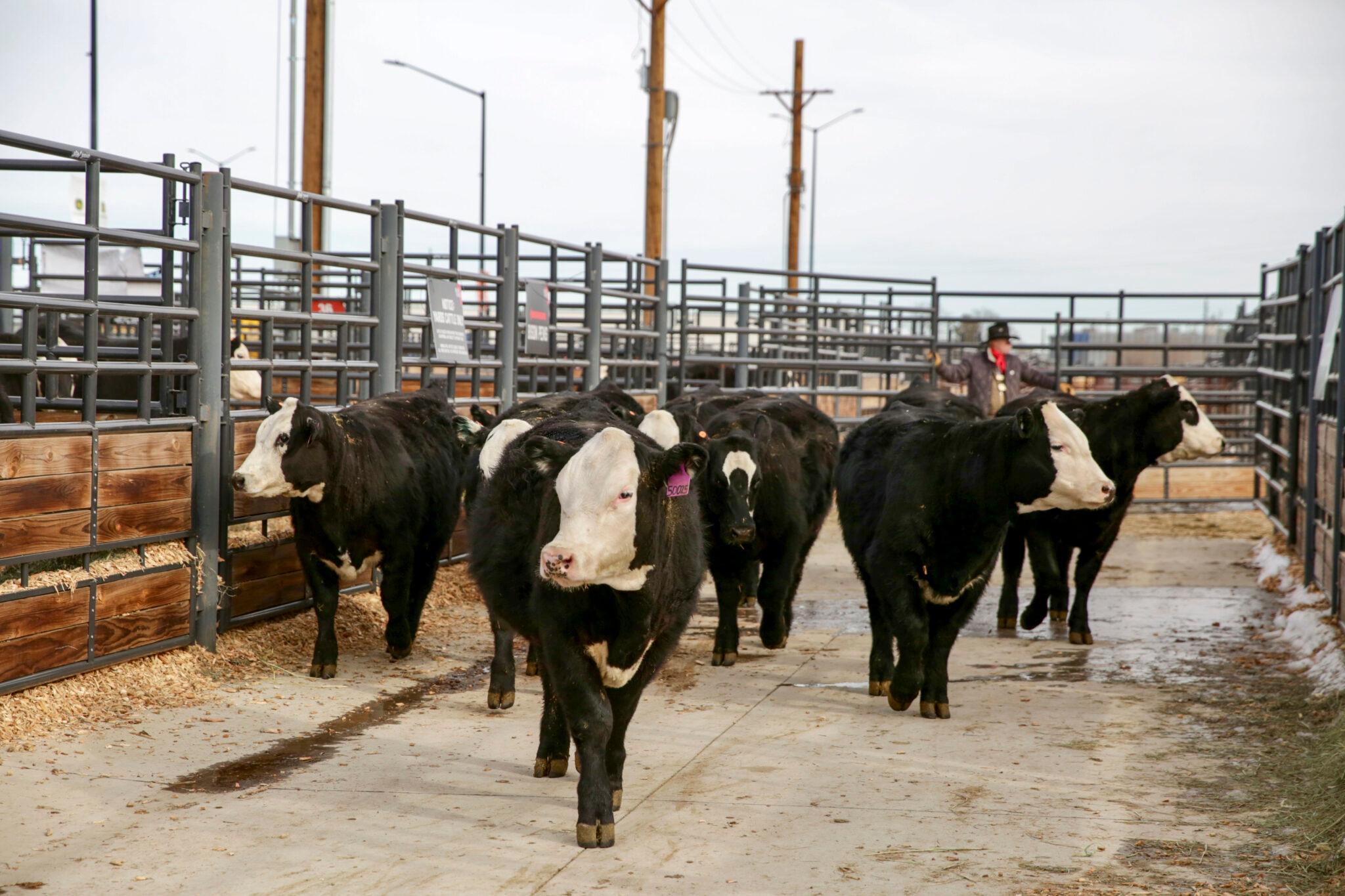
Throughout the 16-day event, cattle from regional producers cycle through the stockyard pens and are paraded before potential buyers in an adjoining event center. They’re not primped or “fancy,” said stock show volunteer superintendent Willie Altenburg, but they’re ready to sell.
“This is the blue-collar kind of cattle,” Altenburg said. “Commercial cattlemen like to come to Denver and see the cattle that are in their working clothes, you might say.”
The economic climate for the cattle business has been mixed in the past year, with record-high beef prices on one hand and rising input costs and trade uncertainties on the other.
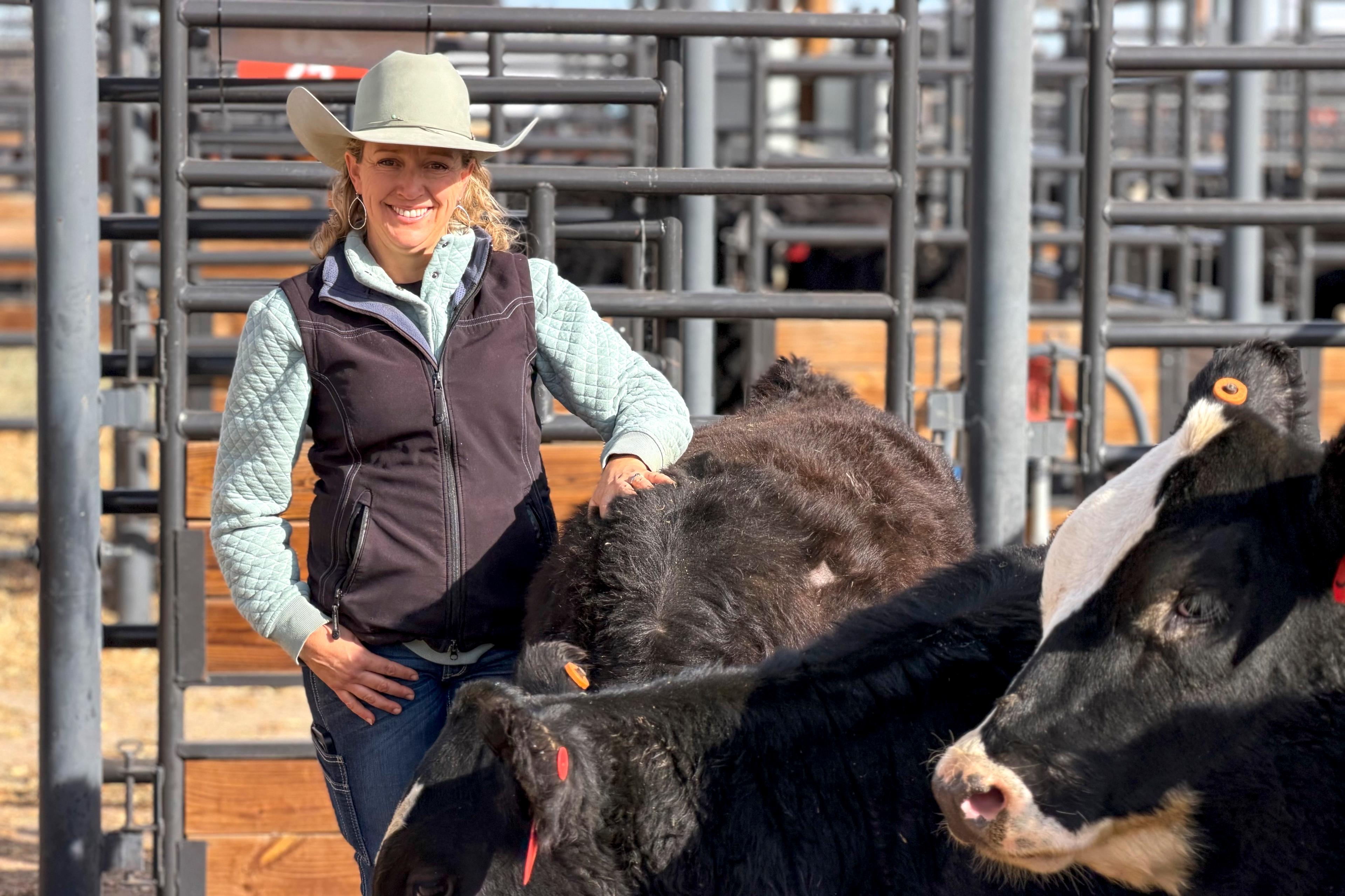
Rachel Schowalter brought 12 young heifers to sell from her family ranch near the small Western Slope town of Collbran. It was her first time at the Denver auctions, and she said she mostly came to promote her ranch at such a public-facing event.
“The cattle industry is pretty good right now, so we hope they'll do well,” Schowalter said of her calves. “But we're just kind of happy to be here and be a part of it and get our name out there.”
The record cattle prices are a direct result of two colliding factors: a national cattle herd at its lowest population in 75 years due to severe droughts and rising operating costs, running headlong into high consumer demand for beef.
Walking through the yards on his lunch break last Friday, Altenburg said you wouldn’t know the national herd size is so low, looking at the surrounding pens.
“They've actually turned cattle away,” he said. “I mean, these pens will be plump full.”
And that presents a quandary for the industry, he said. The optimism to sell cattle is high. But those same record prices place a high burden on producers looking to grow or rebuild their herds, especially for smaller operations already dealing with rising equipment costs.
Additionally, persistent drought has made it harder for ranchers to keep their cows well-fed enough for a return on their significant investment.
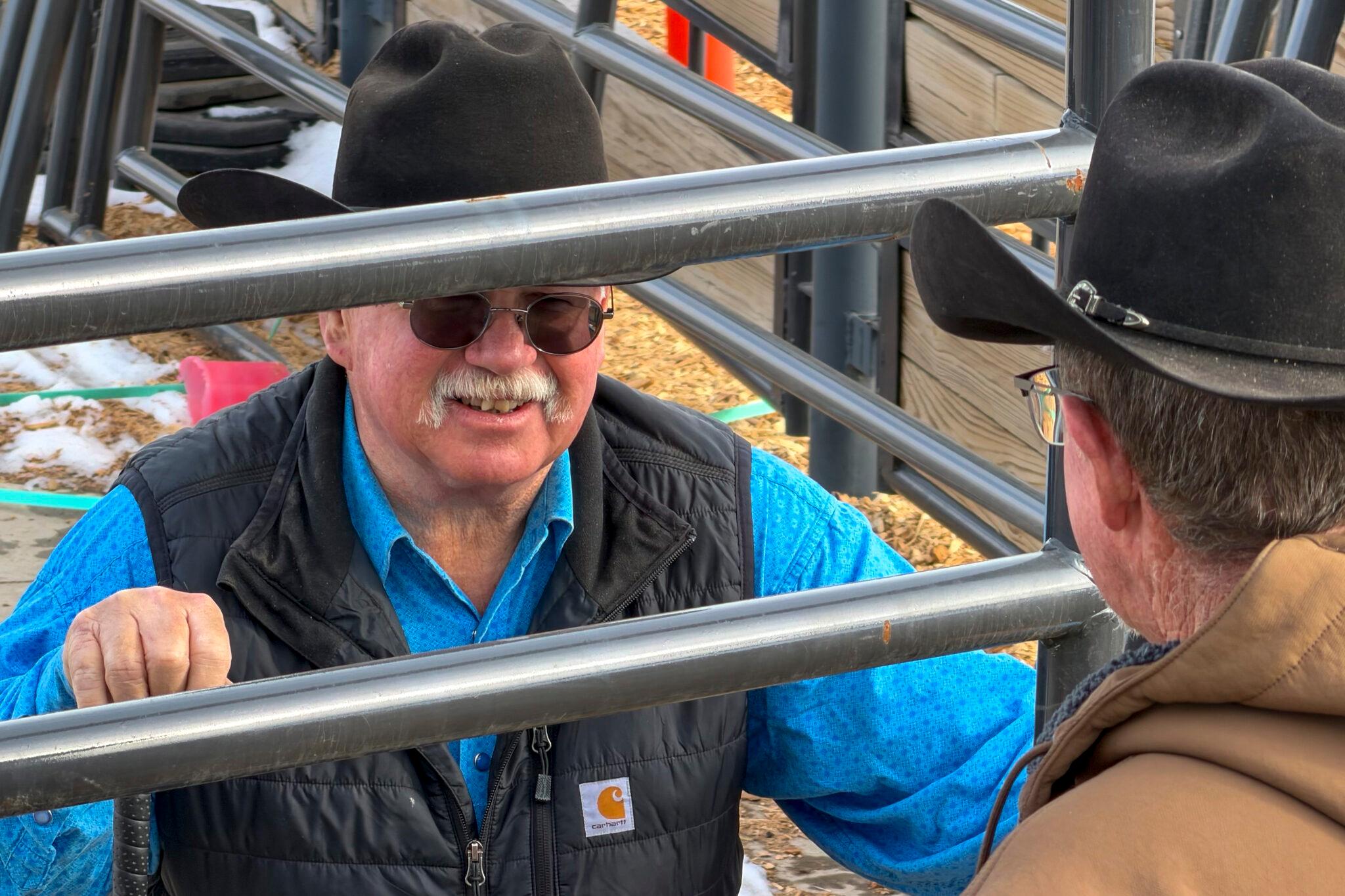
Fourth-generation cattle rancher Justin Sidwell operates near Ault, Colo. He’s turning 65 this year and said he’s been to the National Western Stock Show 64 times, only missing one in his life — due to the COVID pandemic canceling the 2021 event.
Sidwell brought 44 calves and heifers for Sunday’s auction and sold them all, for prices ranging from $3,000 to $4,500 apiece. Five years ago, he was getting closer to $2,000 apiece.
Nevertheless, he said he’s not getting rich from today’s beef prices.
“They're finally for the first time in many, many years where they ought to be,” Sidwell said, noting inflation’s impact on everything from equipment to insurance requires today’s cattle prices to turn a profit.
“We just hope and pray that we can keep them from falling drastically in the next few years,” he added.
That would mean the price of a steak dinner would stay at a record high as well. The Trump administration is increasing beef imports from Argentina in an effort to bring down prices for consumers. Sidwell is frustrated by that, as are many U.S. ranchers.
However, many industry analysts say the deal with Argentina is not big enough to meaningfully change beef prices.