Sugar Beets

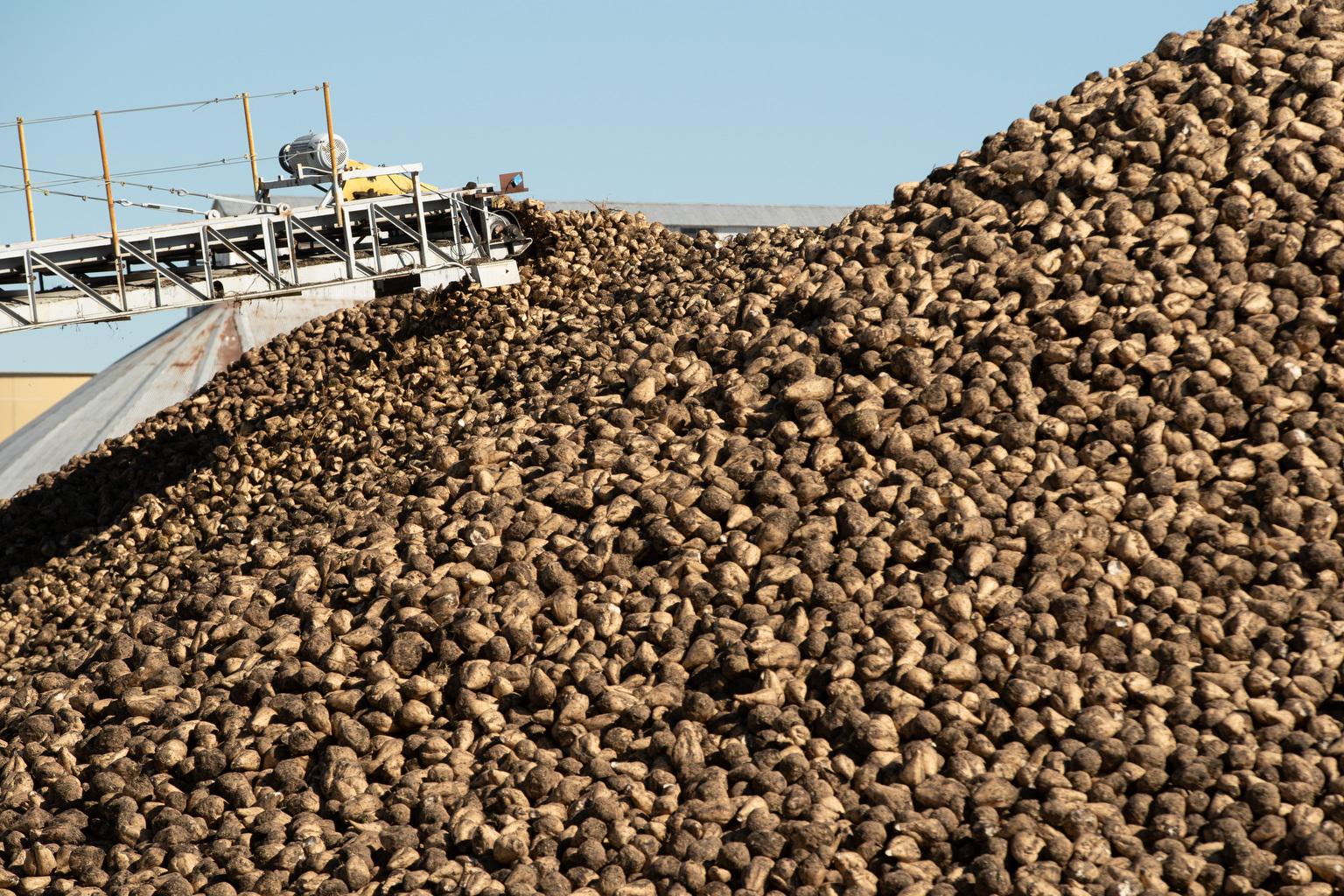
A century ago, Colorado’s economy depended on the sugar beet. The white root vegetable was the biggest engine of the state economy for much of the 20th century. At the peak of the sugar rush, as many as twenty-four refineries around the state turned beets into pure sucrose, and helped reduce the country’s dependence on foreign sugar cane. Charles Boettcher’s Great Western Sugar Company had factories across the state. The Holly Sugar Company put up Colorado Springs’s first high rise. And “white gold” as it was called, built the Great Western Railway. Even beet byproducts proved valuable. Leftover pulp fattened livestock. In Greeley and Eaton, beet syrup sprayed onto dirt streets made a surface as hard as asphalt. The agro-industrial complex brought Colorado immense wealth through the 1960s when Americans turned to high fructose corn syrup in processed food and drink. Today, only Fort Morgan’s sugar refinery remains in operation.

About Colorado Postcards
Colorado Postcards are snapshots of our colorful state in sound. They give brief insights into our people and places, our flora and fauna, and our past and present, from every corner of Colorado. See more postcards.