People are drinking less and breweries are closing in Colorado. But industry insiders believe the steady flow of bad headlines doesn’t tell the full story.
Instead, the optimists see a business that’s settling down after years of unsustainable investment and expansion, and the breweries that survive this downturn will be more efficient, producing better beer and offering a superior level of service.
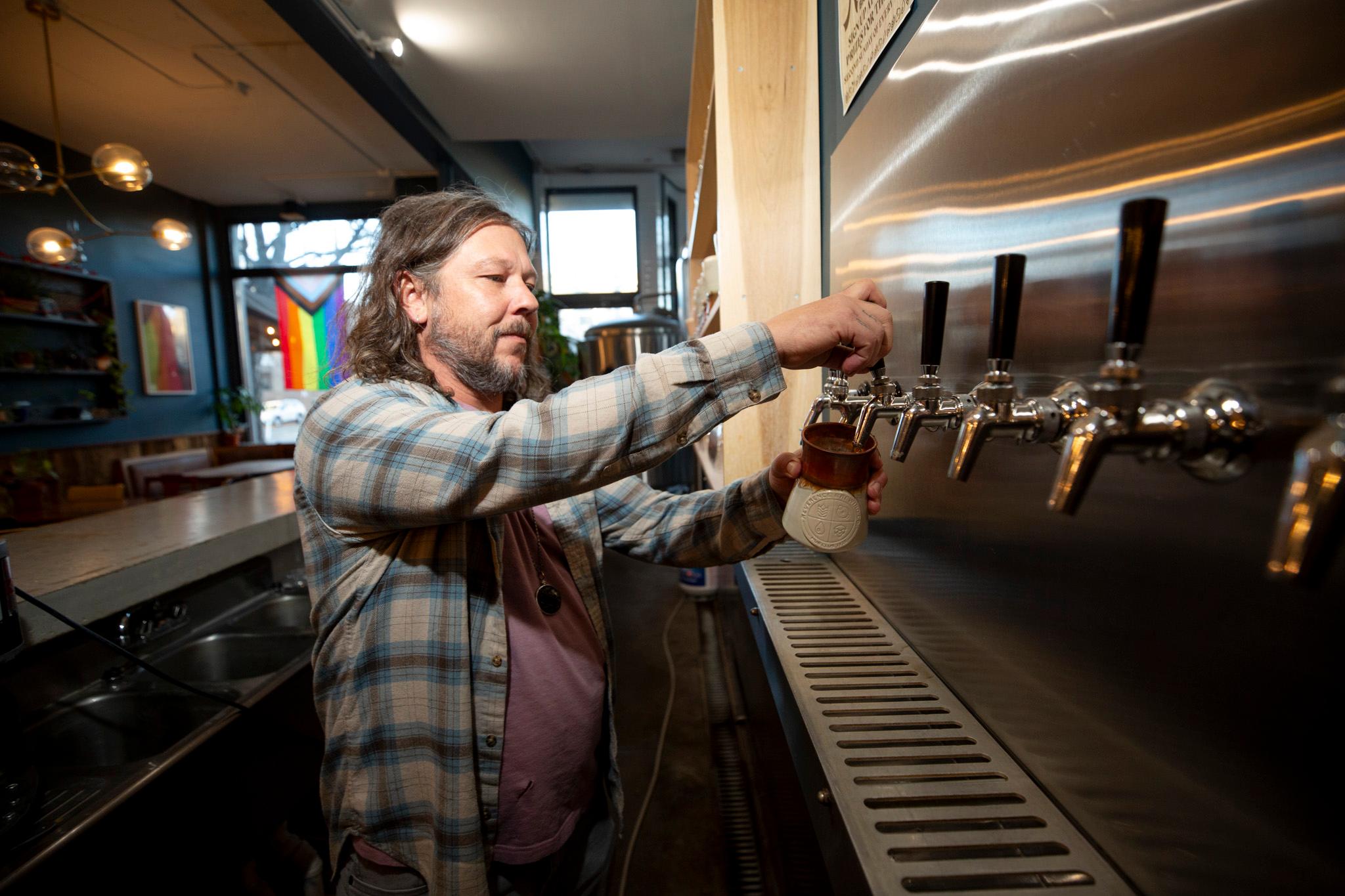
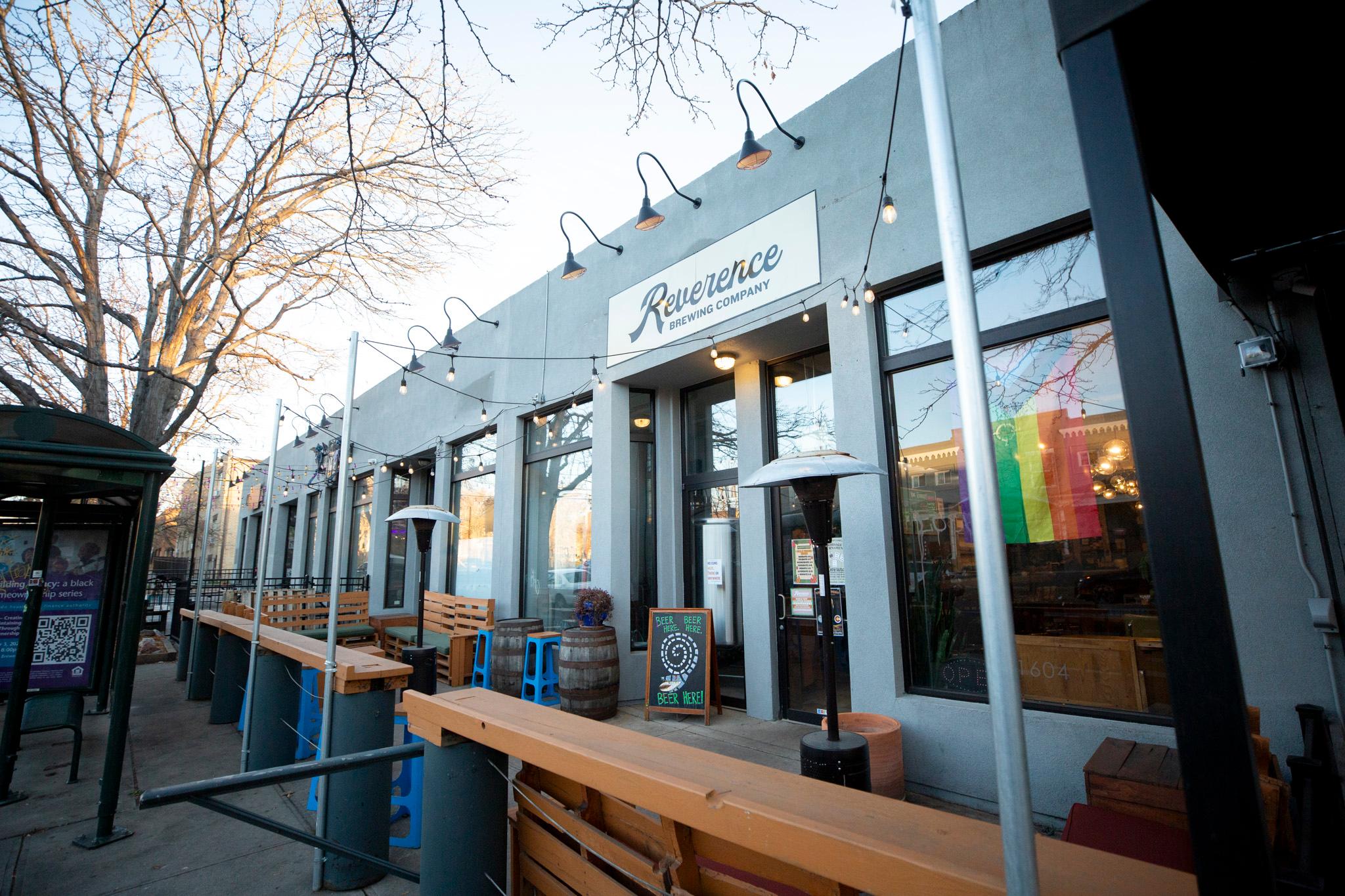
“As someone who's been in the industry now going on 20 years, it's not what it was,” said Nate McAlpine owner of Reverence Brewing Company in Denver. “But that's the nature of any industry as it matures and it's going to have its struggles.”
The struggles are real. State data shows that 2025 is shaping up to be the worst year for beer sales in a decade. Through July, manufacturers and wholesalers reported 65 million gallons of beer to state tax authorities, down six percent, compared to the same period last year.
Beer volumes haven’t been that low to start a year since 2016.
The decline in sales is partly related to health concerns, as groups like the World Health Organization have increasingly warned that even small amounts of alcohol contribute to chronic disease and cancer risk. Younger generations in particular are drinking less, according to surveys.
For those who consume, there’s never been more to choose from — whiskey, cannabis and hard seltzers are all popular.
The pullback is also economic, as prices for everything are rising, people are rethinking that second $10 IPA at the local taproom.
“Unless wages come up or cost of living goes down, disposable income for treating yourself to a beer at the end of the week is just not always there for everybody,” said McAlpine, who studied engineering and worked at breweries across the country and in Canada.
Brewers have to be on their game in this market. “You have to have good beer, but you also have to have a good business plan.”
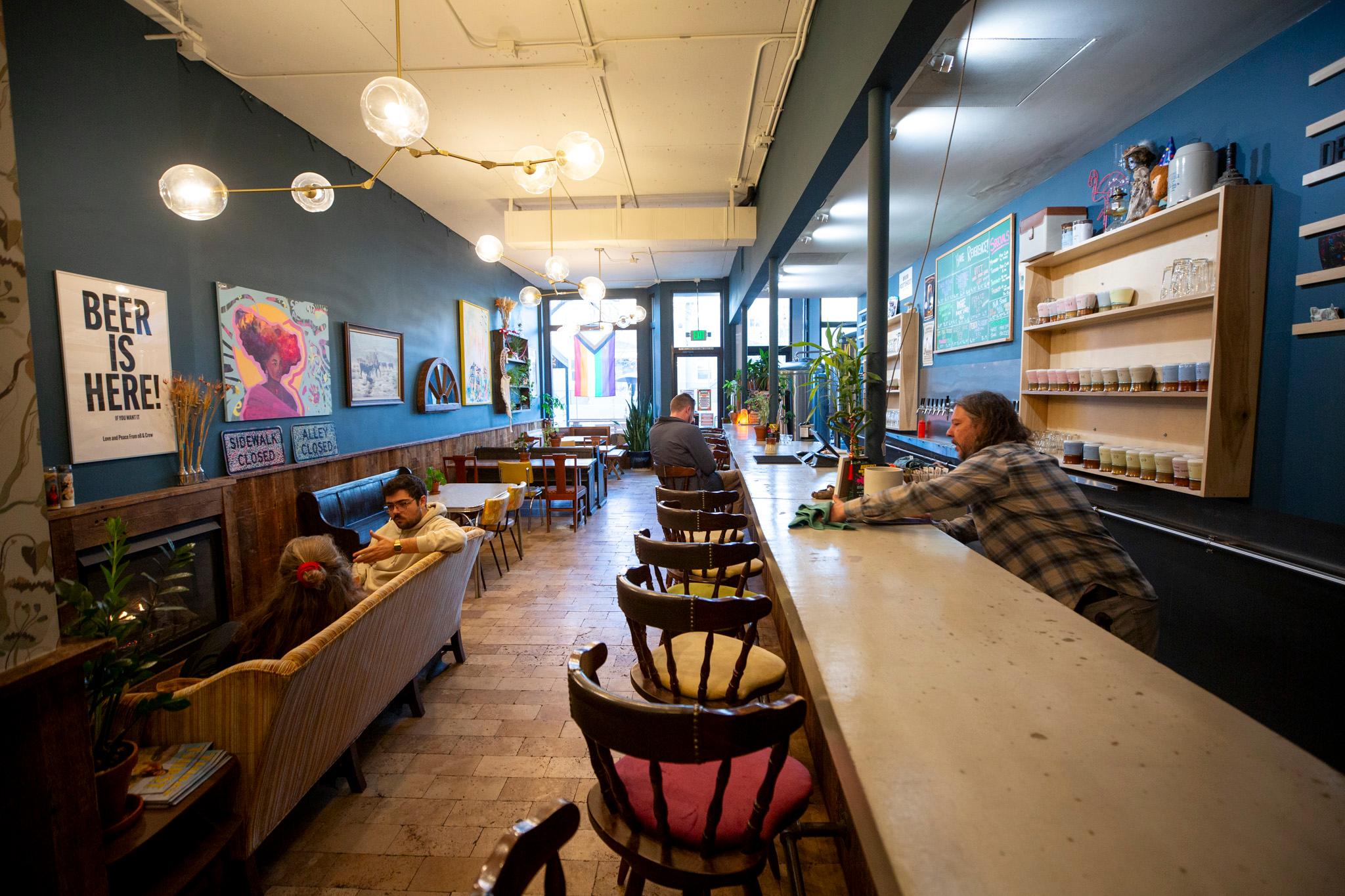
Over the years, the craft brewing industry has started to resemble the restaurant industry, where a few different concepts may struggle in a space until someone hits on the right product, style and service. McAlpine is the third brewery to occupy this taproom in the City Park West neighborhood. It was previously Thirsty Monk, which focused on Belgium-style beers. Before that it was home to Deep Draft Brewery.
McAlpine seems to have finally hit on the right formula: traditional style craft beers, IPA’s and lagers. The interior has Grandma’s-house vibes, in the best way. Velvet wrapped bar stools, and couches and tables procured off Facebook Marketplace.
Last year in Colorado, about 50 breweries closed, according to the Colorado Brewers Guild. But 30 new breweries opened.
“So there are spaces where people are still able to find a niche and where they can fit in and adapt,” said Shawnee Adelson, executive director of the Colorado Brewers Guild. “I think that there's a lot of breweries out there that also see the value of that taproom model, and we're seeing breweries like Westbound & Down and Prost and Lone Tree that are willing to open up second, third, fourth locations and really bring people into their tasting rooms.”
Other breweries have undergone a revolution in efficiency. Companies like Wilding Brands in Lafayette have consolidated a host of well-known craft brands like Great Divide and Stem Ciders under a single company that can brew a variety of products with a fraction of the overhead.
Earlier this year, Left Hand Brewing and Dry Dock Brewing announced a partnership, where a Dry Dock taproom will remain open, but brewing operations will be moved to the Left Hand facility in Longmont.
“These are really creative ways to make sure that these high quality products can stay in the market and aren't totally taken away from consumers if the economics of one particular facility no longer makes sense,” said Matt Gacioch, staff economist for the Brewers Association.
The recent consolidation and closures are still a shock to an industry that 10 years ago seemed like it would never slow down.
“It feels in stark contrast to those times when it was more startup-y and it felt like you could do no wrong in opening a brewery anywhere around the state or country,” said Gacioch.
The recent troubles, however, are not existential. Sales have declined each year since peaking in 2021, but they’re still historically high. Last year, total beer sales reported to the state was 118 million gallons, that’s about 28 gallons of beer for every drinking-aged Coloradan. The number of craft breweries fell in 2024, but there were still 456 operating in Colorado, up from just 126 in 2011.
More than a decade of rapid expansion will take years to wind down. Many in the craft beer industry said that the brewing capacity in Colorado is still simply too great for the current level of demand. Meaning there are opportunities for enterprising brewers who can find equipment and facilities for cut-rate prices.
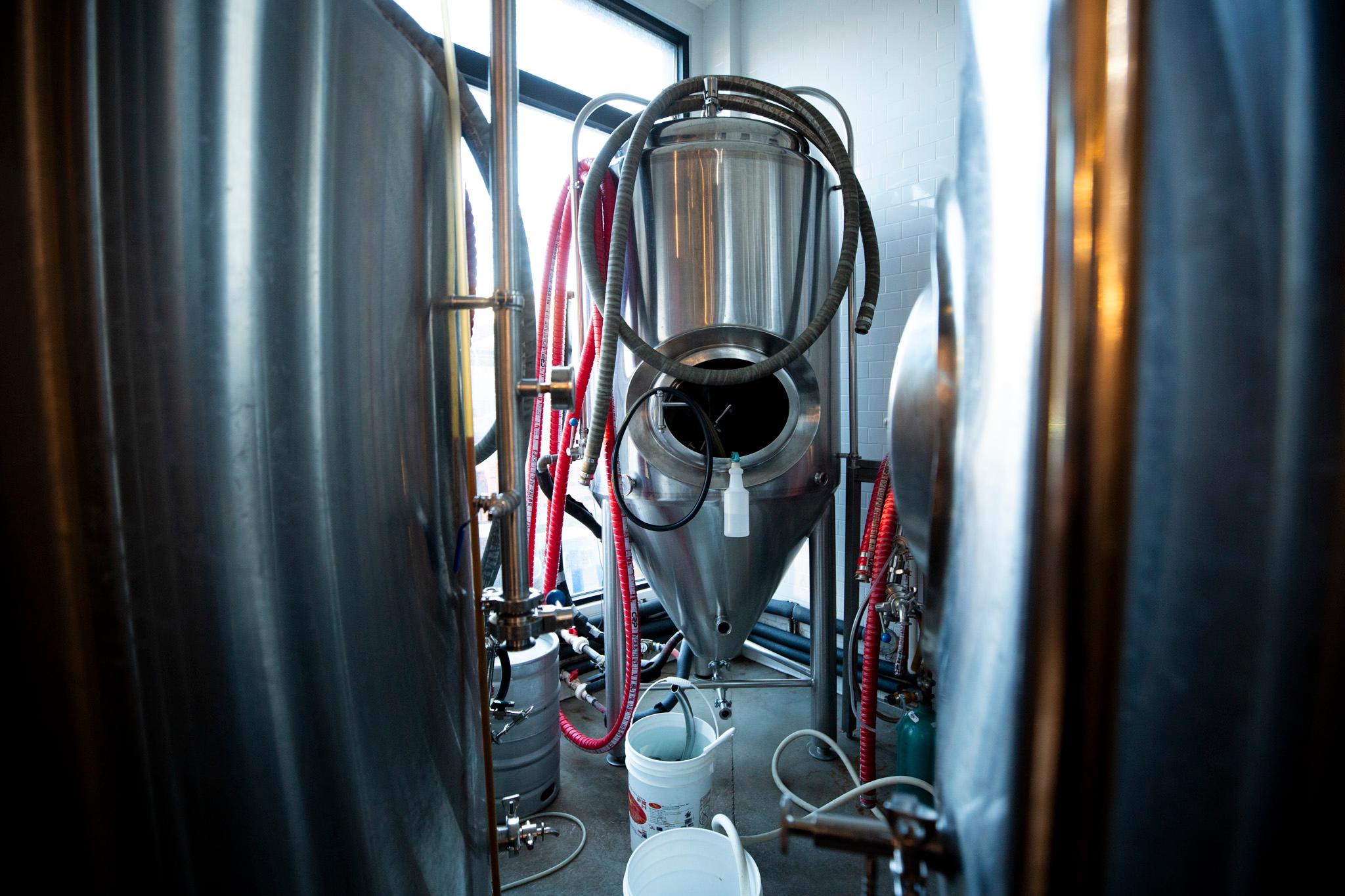
In 2020, McAlpine took over a brewery that had been suddenly vacated during the pandemic. The previous brewer had drained the beer from the tanks and walked away, leaving $500,000 in equipment that McAlpine purchased for just $85,000.
“As a brewer it was like winning the lottery and my patience had paid off,” said McAlpine. “To find a functioning brewery in a downtown cool neighborhood in Denver, I felt pretty lucky.”
But Josh Robinson, the president and CEO of Argonaut Liquor, cautions anyone who wants to start a new brewery in the 2025 market. Consumers are more knowledgeable about beer, and are careful where they spend their limited money.
“If you're just creating the beers that are trendy or whatever, if they're not brewed well or they don't taste great, you're not going to be around long.”