When Colorado lawmakers return to the Capitol in January for the annual legislative session there will be some new experts in the building.
The Denver Museum of Nature and Science has launched a program to assign four science fellows to work with non-partisan legislative council staff to help lawmakers with research and offer scientific rigor for their bills and discussions.
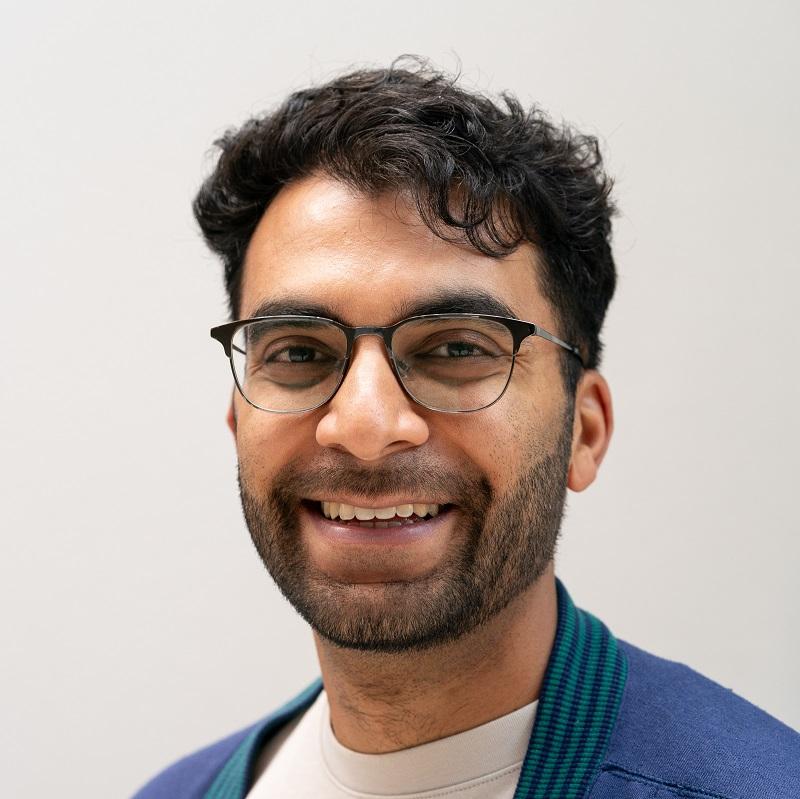
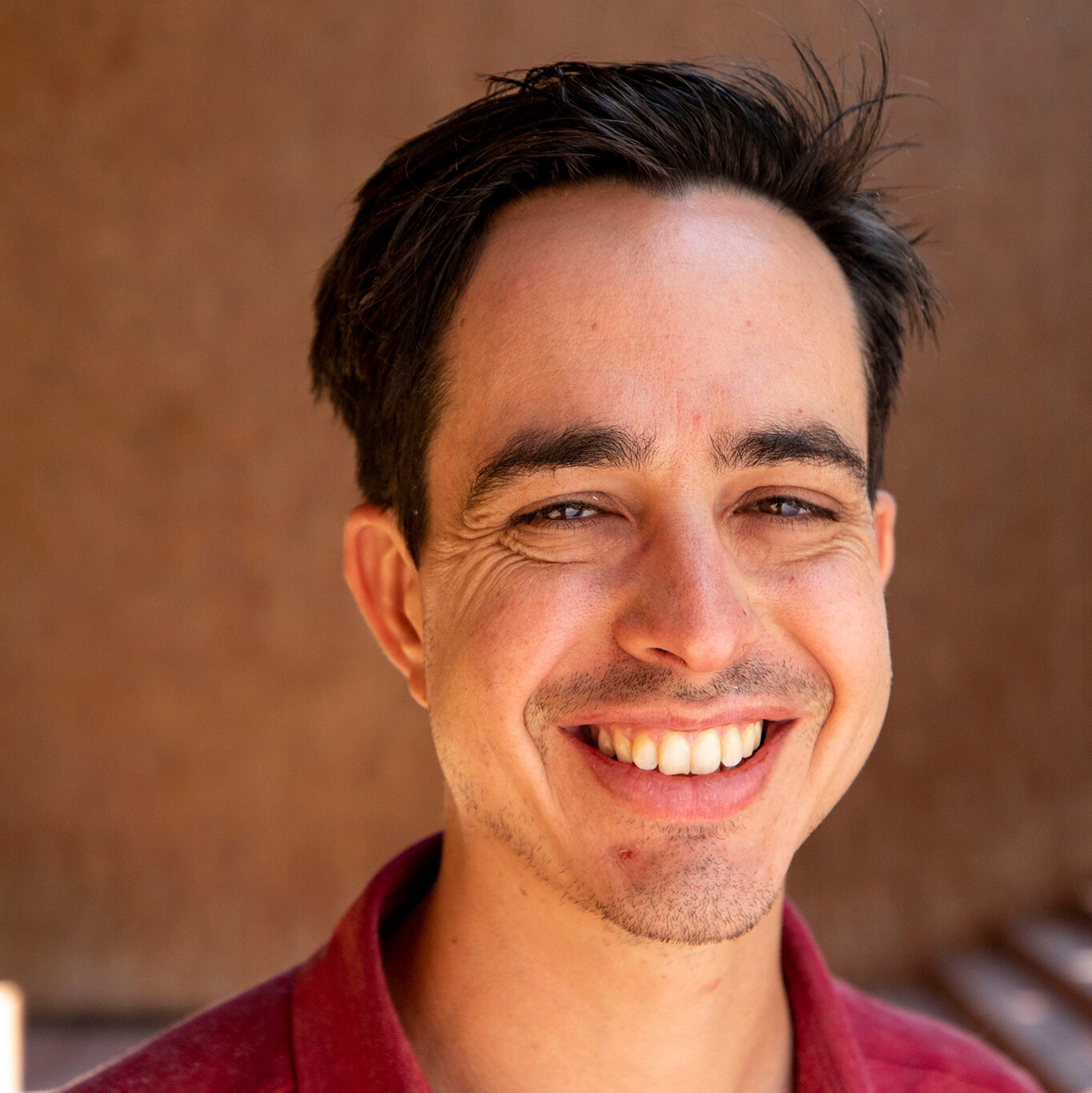
“I see democracy as a team sport, and what I bring, the skill that I can bring, is scientific expertise,” said fellow Max O’Connor, an advanced energy materials chemist with a Ph.D. from a joint program between NREL and the University of Colorado-Boulder. At the legislature, she will focus on energy, climate and transportation policy. She said her passion for chemistry stems from the broad scope the discipline covers, everything from medical research to energy policy.
“There's a lot of chemistry that goes into energy storage or energy generation or building materials. How a building traps and retains heat is chemistry,” she said. “And so I really appreciate that everything's chemistry and that's really how I think about the world.”
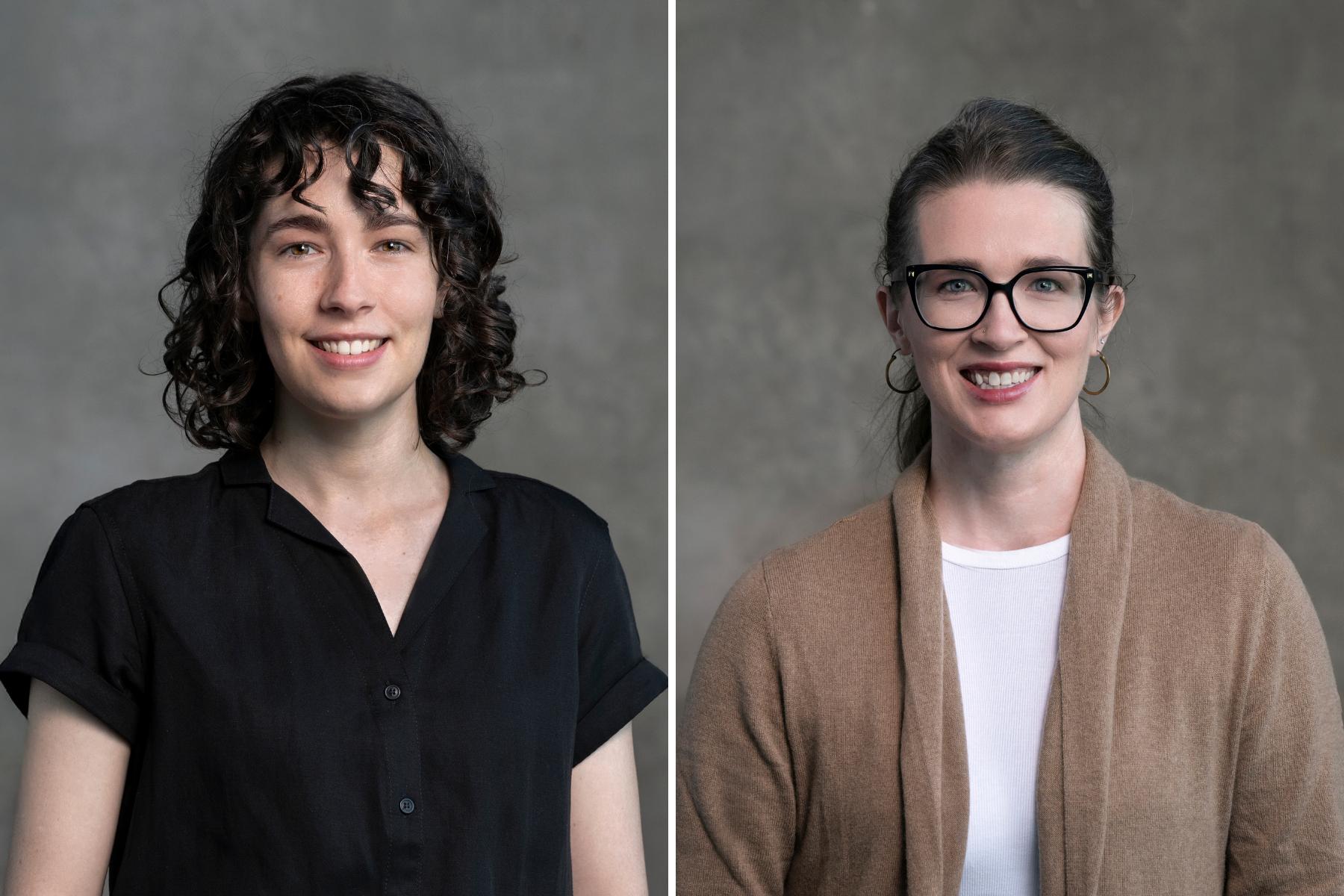
Other fellows have expertise in Artificial Intelligence and technology, natural resources, and human services, and mental and public health. The science museum’s Institute for Science and Policy runs the fellowship program, which is grant funded for three years. Scientists earn $65,000 a year.
“The idea (is) bringing in research fellows that are not tied to any political party but are tied to issues that the legislature identified as some ongoing complicated, timely issues for them,” said Kristan Uhlenbrock the executive director of the Institute for Science and Policy.
The fellowship program was years in the making, according to Uhlenbrock, and is based off of successful programs in other states. She said connecting scientists to policymakers has been a success in states as varied as California and Idaho.
“The fellows are already having members reach out to them and ask them questions and ask them to get some research,” said Uhlenbrock, “I'm actually quite hopeful that the Colorado program will definitely in the first year be a success, and hopefully by the three years be really well established and part of that working system that is the General Assembly.”
The fellowship has already proven to be extremely competitive; Uhlenbrock said 120 scientists applied for the four positions.
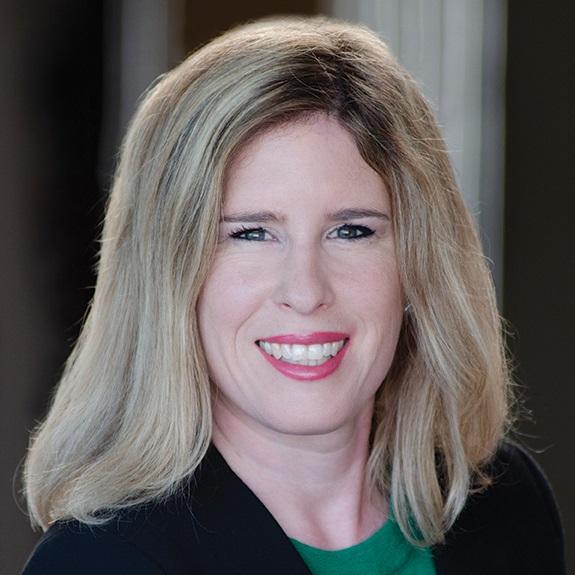
Dr. Samantha Lattof will work in the areas of human services and mental and public health. She has a doctorate in demography from the London School of Economics and a master’s degree in population and global health from Harvard. Lattof hopes the fellowship program will be the start of a bigger change for the legislature and for the state’s scientific community.
“I'd like to be able to create systems where policymakers know exactly where to go for reliable scientific input,” she said too often the connection between state policymakers and scientists is ad hoc.
“I also want scientists to have, not only greater clarity on how and where they can get involved in the policy process, but I want them to feel like it's accessible and it's not a black box.”
This isn’t the first effort to connect scientific experts with the legislature, but it is the most extensive.
A few years ago a program brought scientists to the Capitol outside of the legislative session to learn how policies are developed and passed. Republican Senate Minority Leader Cleave Simpson was part of that effort, which led to a drive to get year-round scientific support for lawmakers. Simpson is a graduate of the Colorado School of Mines and worked as a mining engineer.
He said there can be a default opinion among some lawmakers, especially among some conservatives, that science has been politicized and that “it's hard to find a truly nonpartisan professional, even in the engineering and science space, that will offer an unbiased opinion."
Simpson said most lawmakers are supportive of the new program, and he’ll work hard to try to bring any that are skeptical on board too.
“They may be a little reluctant and hesitant that there's value in these fellows to bring really good information to us. But I'm very hopeful that we can demonstrate very quickly that that's not the case.”
He said the way the program is structured, and its intention of being helpful to policymakers across the political spectrum, makes him optimistic the fellows will not try to push an agenda in any one direction or the other.
But he said the proof will be in the pudding.
“Ask me a year from now.”