Colorado is experiencing one of its roughest flu seasons in recent years, with hospitalizations climbing sharply across the state, especially among children.
Dr. Shen Nagel, a pediatrician with Pediatrics West in Wheat Ridge, says the rise isn’t just noticeable on charts; it’s showing up every day in exam rooms and emergency departments.
“We’re seeing graphs that are basically going straight up,” Nagel said, describing flu data from hospitals and state health officials over the last month.
Nagel says flu testing is common in emergency rooms and urgent care clinics, while primary care offices may test selectively or diagnose based on symptoms alone. At-home flu tests, a newer option, are also becoming more widely used and are similar to rapid COVID tests.
That means official data likely undercounts how many people are actually sick.
“There’s a degree of this that’s uncaptured,” Nagel said. “Some people test at home, and others never test at all; they just stay home and manage symptoms.”
Even without counting those cases, hospital-based testing shows flu activity climbing rapidly across Colorado.
This year’s flu vaccine ‘match isn’t great’
Each year, scientists must predict which flu strains will dominate months in advance to create the annual vaccine. Some years, the match is closer than others.
“This year, there does seem to be a newer strain circulating,” Nagel said. “So yes, the match isn’t great.”
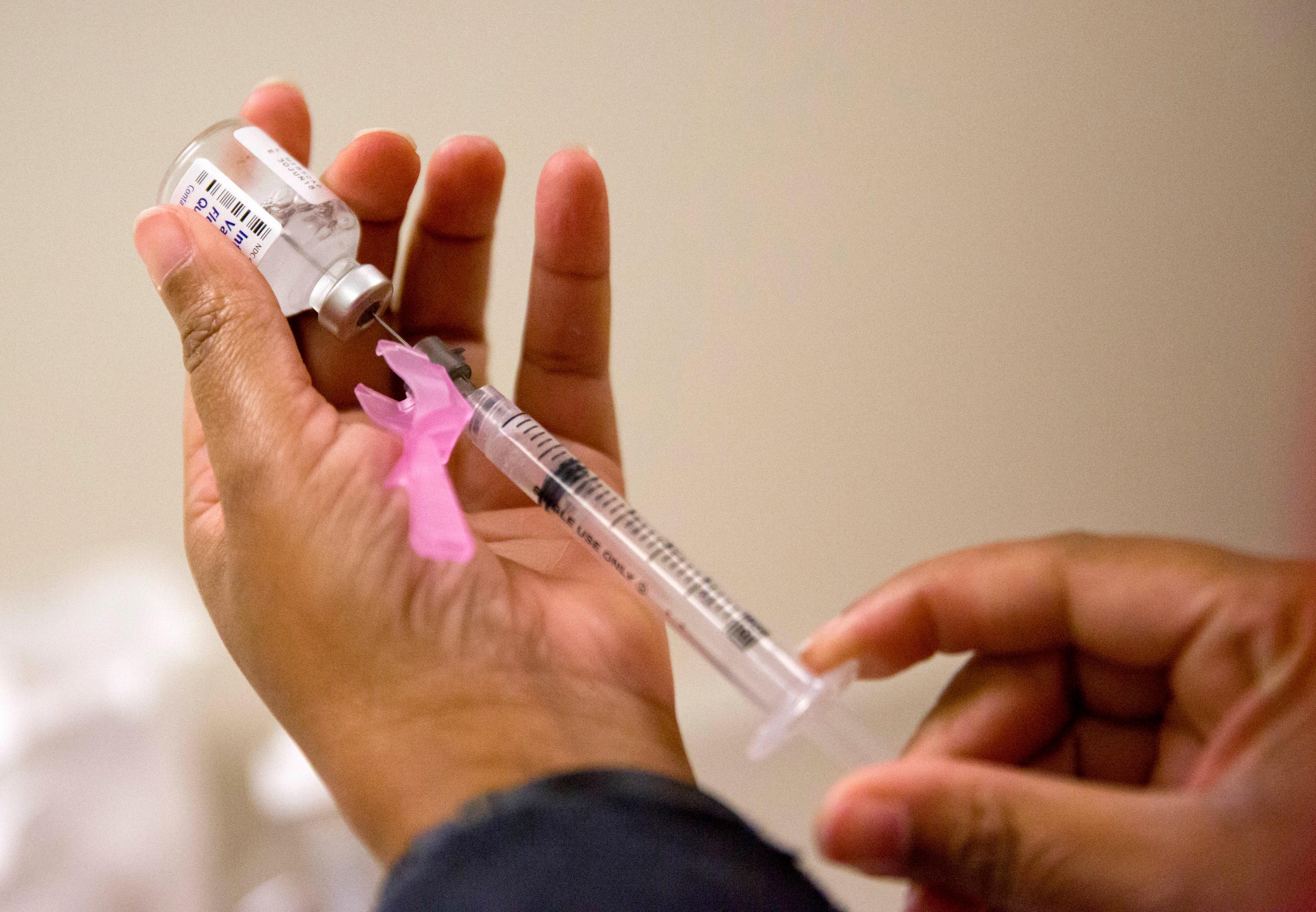
But he emphasized that even in years with a weaker match, the flu vaccine still plays a critical role, especially for children. Early data from the southern hemisphere, which has already gone through the majority of its flu season, suggests vaccinated kids may be 50 to 75 percent less likely to be hospitalized with the flu this season.
“Even if it doesn’t completely prevent illness, it tends to make the illness less severe,” Nagel said. “That often means a shorter illness and a shorter contagious period.”
Earlier this month, Colorado recorded its first pediatric flu death of the season, underscoring the seriousness of the surge. Several factors may be contributing, Nagel said, including a particularly aggressive strain and declining vaccination rates.
“Changes at higher government levels, the CDC and HHS, have led to conflicting information about vaccines,” he said. “I think that’s led to lower rates of flu vaccines, and that means more severe illness and more spread.”
Despite the new strain and uptick in cases, flu symptoms look much like they always have: high fevers, body aches and muscle pain, persistent cough, sore throat and headaches.
COVID, by contrast, has been relatively quiet in recent months across Colorado, and when it does appear, Nagel says it’s generally milder in children than the flu.
“Flu is knocking kids down more than COVID,” he said, noting that muscle aches tend to be more severe and illness often lasts longer.
So far this season, Colorado has avoided the so-called “tripledemic” seen in 2022, when flu, RSV and COVID surged at the same time. RSV activity remains relatively low, for now, with the height of that virus typically arriving in January and February.
Is the flu more dangerous than COVID right now?
For most people, yes.
Nagel says recent COVID waves have primarily affected older adults and high-risk patients, while younger, healthy people have generally fared well. Flu, however, is hitting across age groups.
“Right now, flu appears to be worse than COVID in terms of hospitalizations,” he said.
Nagel says the guidance to avoid getting sick heading into 2026 is familiar but still effective:
- Wash hands frequently
- Keep sick family members home until fevers have been gone for at least 24 hours
- Avoid gatherings if someone is actively ill
- Get vaccinated
“We’re still early enough in the season that it’s absolutely worth getting the flu shot,” he said. “There are likely months left of flu activity.”