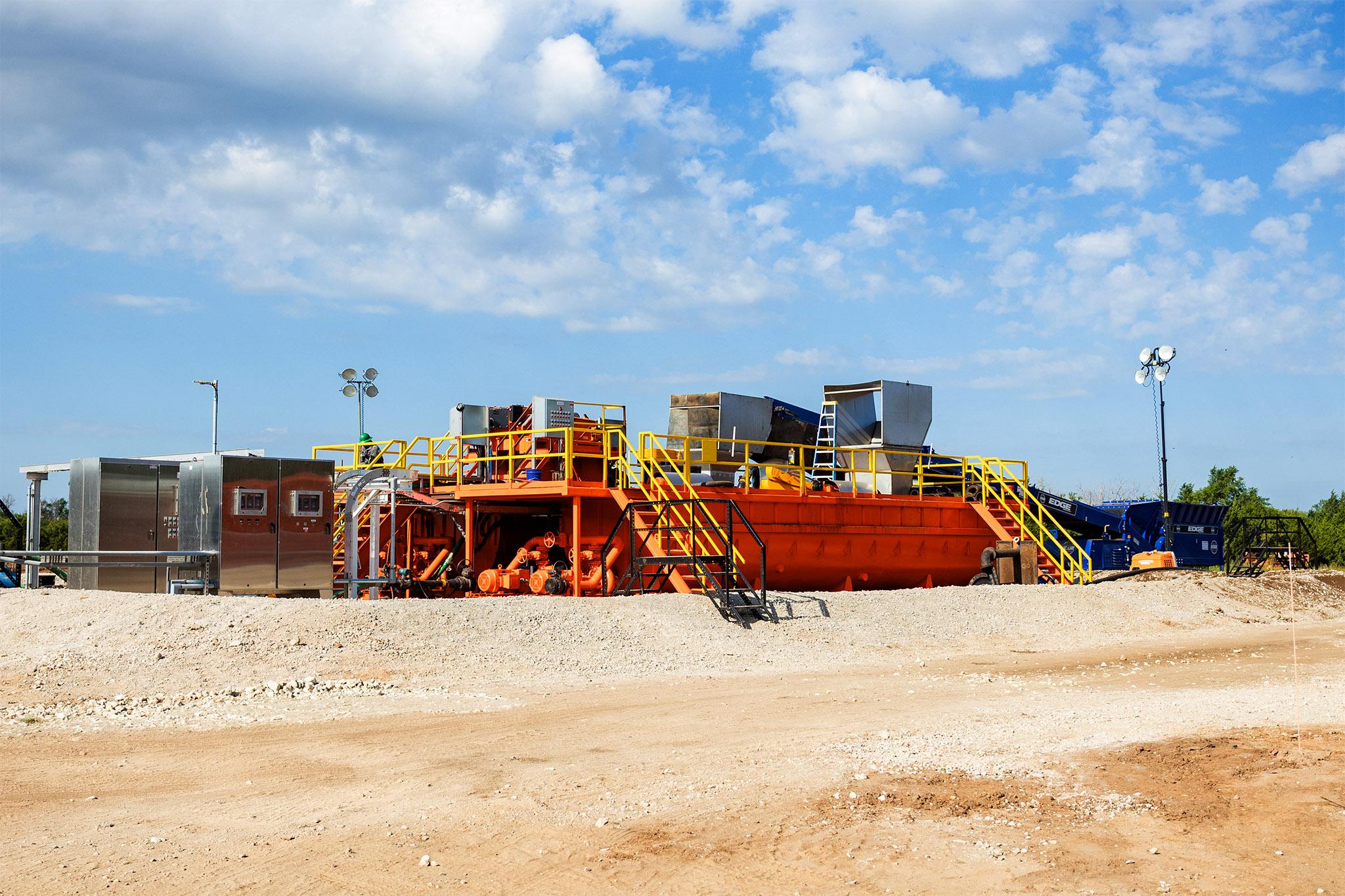
Managing cow poop is no joke in Weld County.
With more than 500,000 head of cattle, the agricultural powerhouse northeast of Denver has far more bovine residents than people. Dairy farms and feedlots hold waste in long piles and massive effluent ponds.
While a large portion ends up as fertilizer, the material can contaminate waterways if it escapes containment or ends up overapplied to cropland. It also emits gases known to drive climate change and an ongoing smog crisis along Colorado’s Front Range.
The same gunk, however, contains carbon that plants once photosynthesized out of the atmosphere. By injecting it deep below the Earth’s surface, Vaulted Deep, a Houston-based climate startup, hopes to transform a local environmental hazard into a tool to combat global warming.
"We flip that problem into a solution,” said Julia Reichelstein, the company’s co-founder and CEO. “Instead of letting those wastes go back out into local environments, we put them really deep underground, where they're stored safely and permanently."
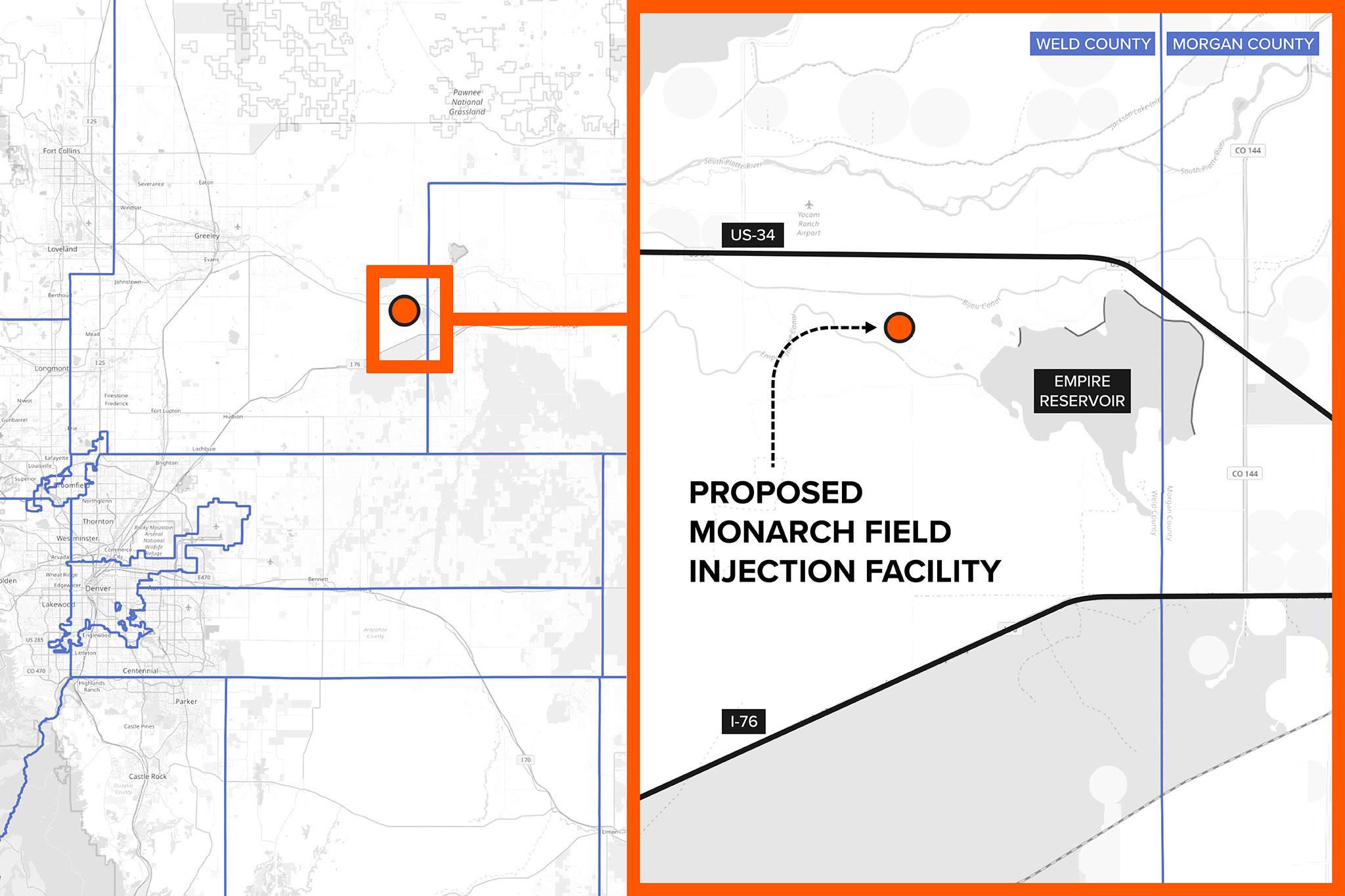
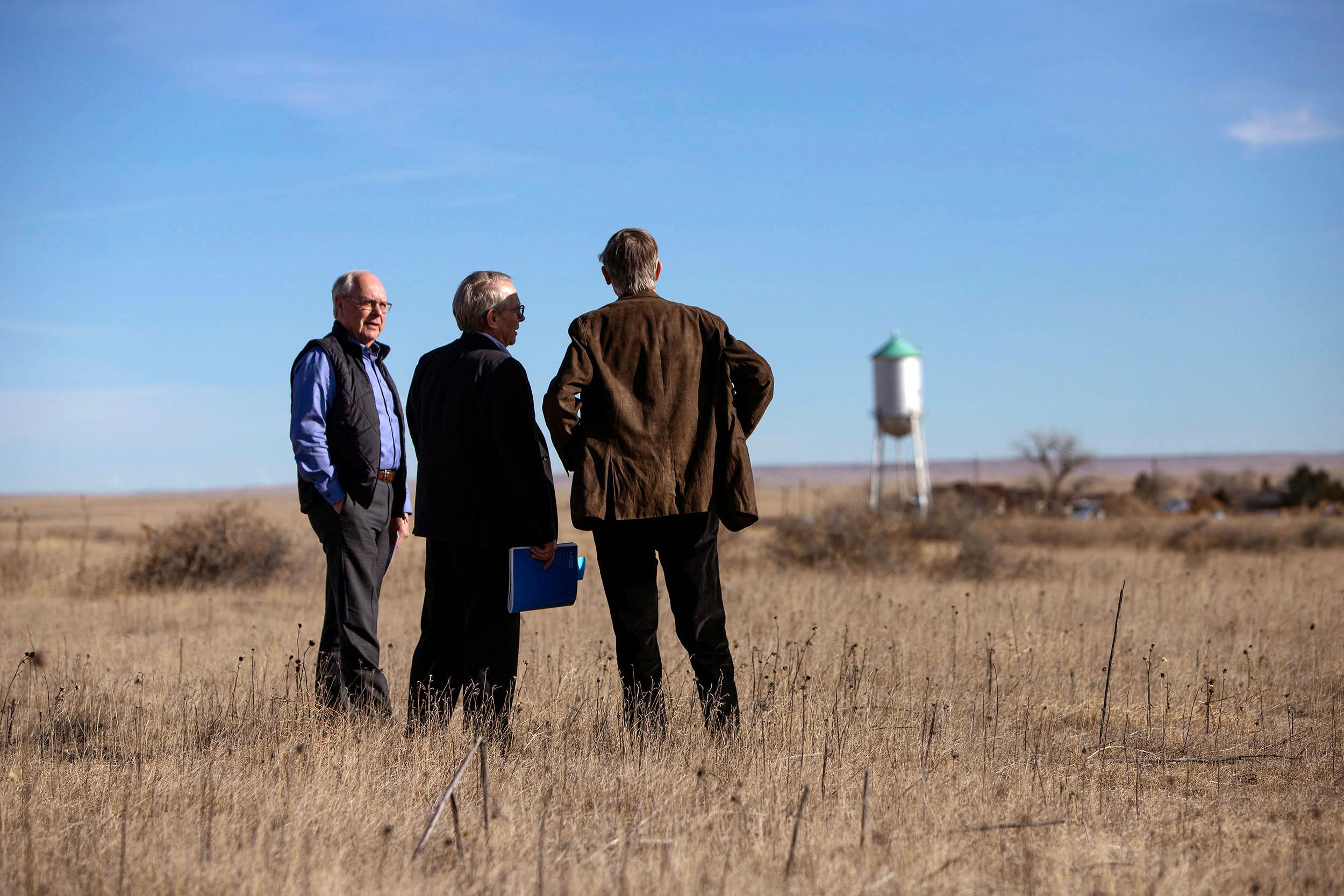
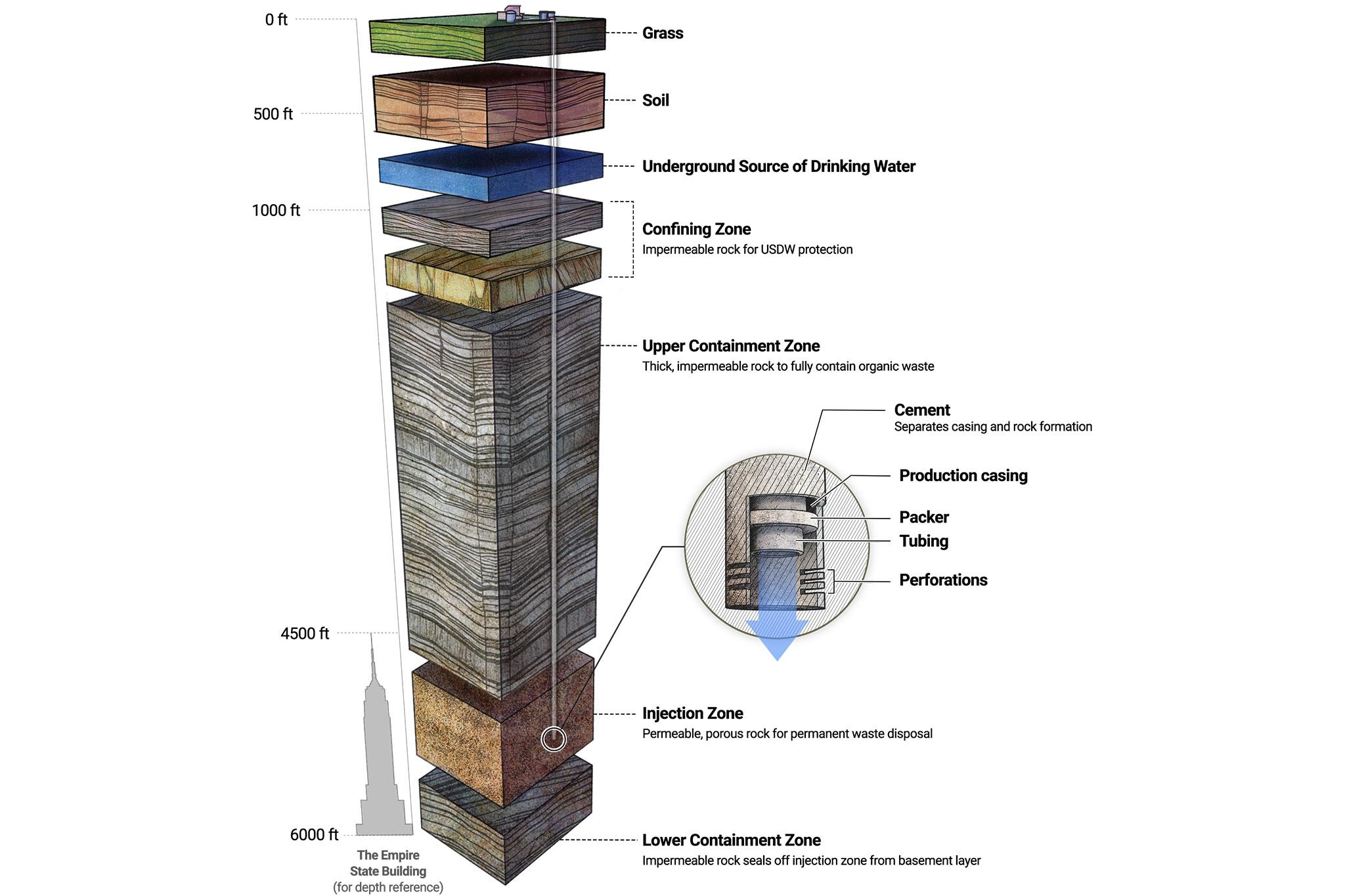
Vaulted Deep has a facility running in Hutchinson, Kansas. In late 2024, it submitted plans to build Monarch Fields, a similar site on a parcel of pastureland in Weld County near Wiggins, Colorado, about 50 miles northeast of Denver. If approved, the company would drill eight wells more than 6,000 feet below the surface, reaching rock formations it claims can lock away organic sludge for eons.
The approach is already attracting deep-pocketed customers. Tech giants are paying Vaulted Deep to help offset their climate footprints that have grown in recent years due to the AI boom. In 2024, Frontier — a carbon-removal fund whose members include Stripe, Shopify and Alphabet — agreed to pay Vaulted Deep $58.3 million for carbon removal services. Google and Microsoft have since inked deals of their own.
It’s an example of a carbon removal industry growing in Colorado and across the country. If approved, Monarch Fields could test whether atmospheric cleanup might work as a business proposition — if it tackles multiple environmental challenges at the same time.
A mirror image of the oil industry
A growing pantheon of startups is developing novel ways to limit global warming by sucking planet-warming gases out of the sky.
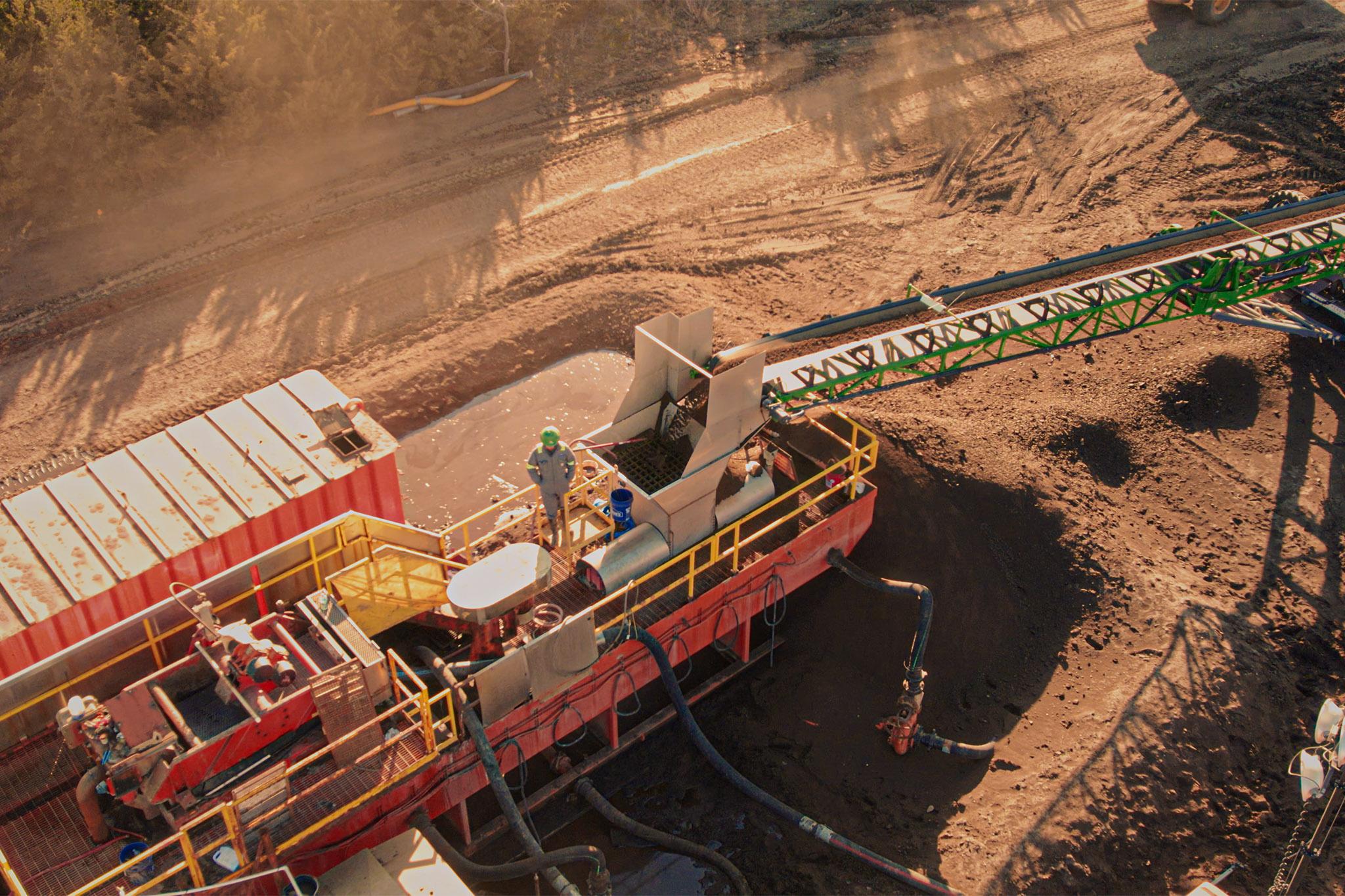
Some companies promise to lock away carbon with giant air filters or floating seaweed farms. Vaulted Deep ranks among a subset focused on a simpler approach: collecting unwanted biomass produced by plants and animals and keeping it out of the atmosphere.
An Israeli company called Rewind, for example, buries woody waste from forestry and agriculture projects at sea. In Colorado, Charm Industrial in Fort Lupton superheats plant waste into viscous “bio-oil” before injecting it underground.
Climate scientists agree that the job is necessary to maintain a stable atmosphere. To hold a solid chance of limiting warming to less than 2 degrees Celsius, a UN climate panel found nations must remove as much as 11 billion tons of carbon dioxide per year by 2050 and 20 billion by 2100. For context, recent estimates suggest the U.S. emitted roughly six billion tons in 2025.
Without public investment or laws requiring polluters to pay, the industry likely can't scale up fast enough to meet those goals, according to climate analysts. But voluntary agreements from companies like Microsoft — a major backer of carbon removal startups — could still provide a way to boost local communities.
It’s clear Colorado wants a piece of the action. In February 2025, the Colorado Energy Office published a carbon management roadmap, which calls for the state to offer new educational materials and streamlined regulations to help the industry gain a foothold in the state.
Some analysts agree that the young industry represents a massive economic opportunity for Colorado. A recent study by Rhodium Group, an independent research firm, found sucking carbon from the atmosphere could employ between roughly 20,000 and 80,000 Coloradans by mid-century. Those jobs could offer a new lifeline for communities currently dependent on the fossil fuel industry.
Lauren Gifford, an assistant professor of carbon management at Colorado State University, said the difficulty is finding a viable business model.
Vaulted Deep, for example, is banking on two revenue streams: carbon credits and disposal fees paid by manure-heavy businesses like dairies and feedlots. Gifford said that makes sense, but it could go awry if other companies want the same material to make fertilizer or produce natural gas using biodigesters. Carbon removal companies may also someday compete for cow poop, Gifford said.
“Once that waste becomes something that other people want, it becomes a commodity,” Gifford said. “The value proposition changes when you have to suddenly pay for the input.”
An uncertain timeline for Vaulted Deep
An initial test for Vaulted Deep is winning relevant permits to start construction on Monarch Fields.
The eight wells the company plans to drill at the site would reach more than a mile deep, far below any underground drinking water sources. In Colorado, those types of wells are regulated by the U.S. Environmental Protection Agency, which is currently reviewing a pair of permit applications Vaulted Deep submitted in late 2024. Any final decision will only occur after the agency holds a 30-day public comment period.
Weld County has also conducted an initial review of construction plans submitted by the company. Diana Aungst, a county planner, said Vaulted Deep must submit a final proposal before its designs proceed to the planning board and the Weld County Commission.
The process has already led the company to slightly shift its plans. In its initial application, Vaulted Deep noted it planned to inject both agricultural waste and biosolids, a technical term for organic waste produced by sewage treatment plants.
It later revised its permit application to exclude biosolids. In an email, Laura Wetzel, a spokesperson for the company, said the decision wasn’t made due to safety concerns, but community feedback revealed it would have to truck in sewage waste from metro Denver to gather enough material for the facility.
Reichelstein, the company’s CEO, added that storing sewage underground isn’t a novel idea. Vaulted Deep spun out Advantek, a waste management company that developed the process of making a slurry from organic waste and injecting it deep underground. Since 2008, the company has operated a facility for Los Angeles, which currently sequesters 20 percent of all biosolids produced by the city.
“It's not a new technology, but it's a new application of technology that has been working safely,” Reichelstein said.
Vaulted Deep held one community meeting in Wiggins in November 2024. Around 30 people attended the event, according to permitting documents submitted to Weld County.
The company plans to hold another town hall to discuss the project this summer.