
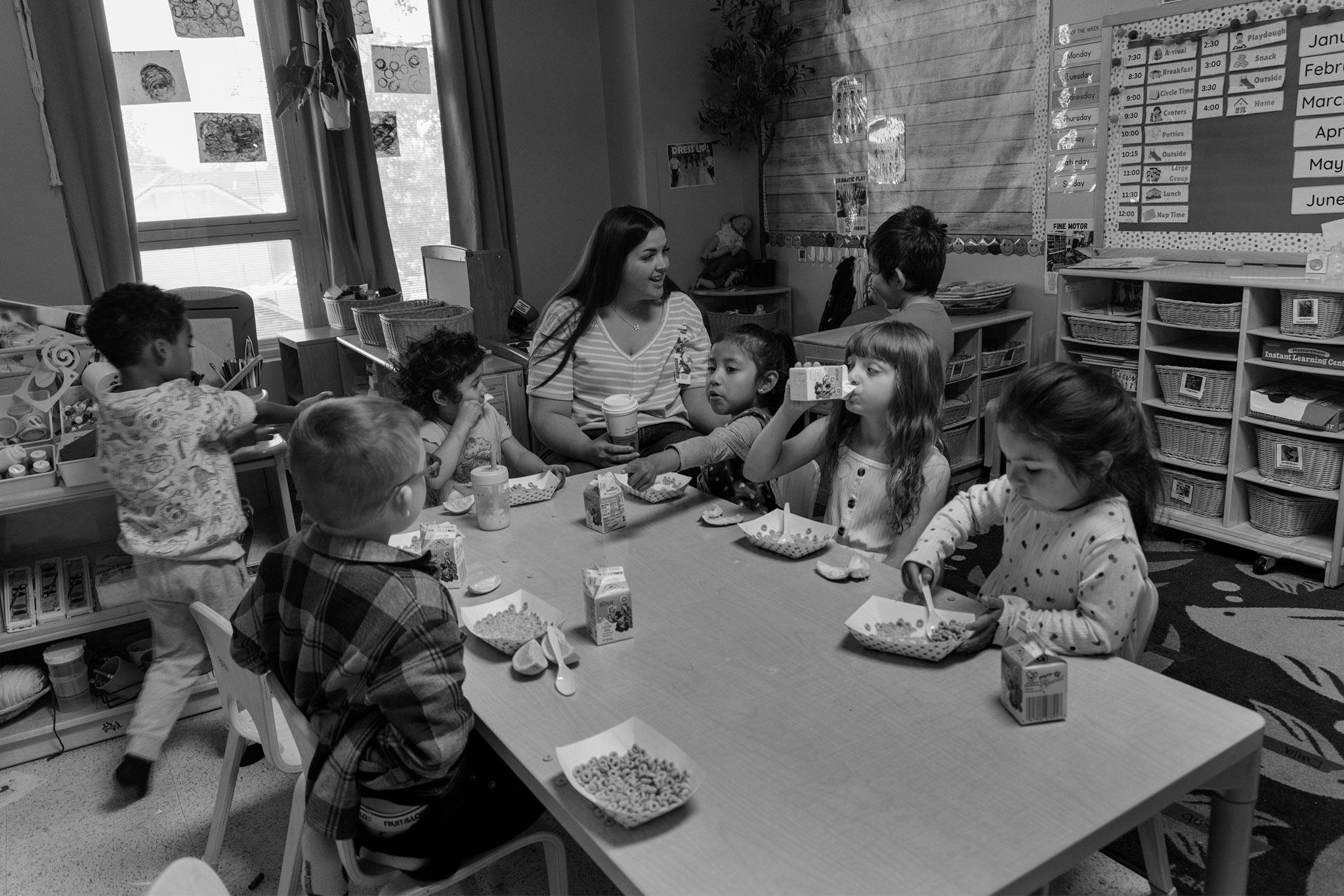
The average cost of childcare for one infant in Colorado is $21,000 a year.

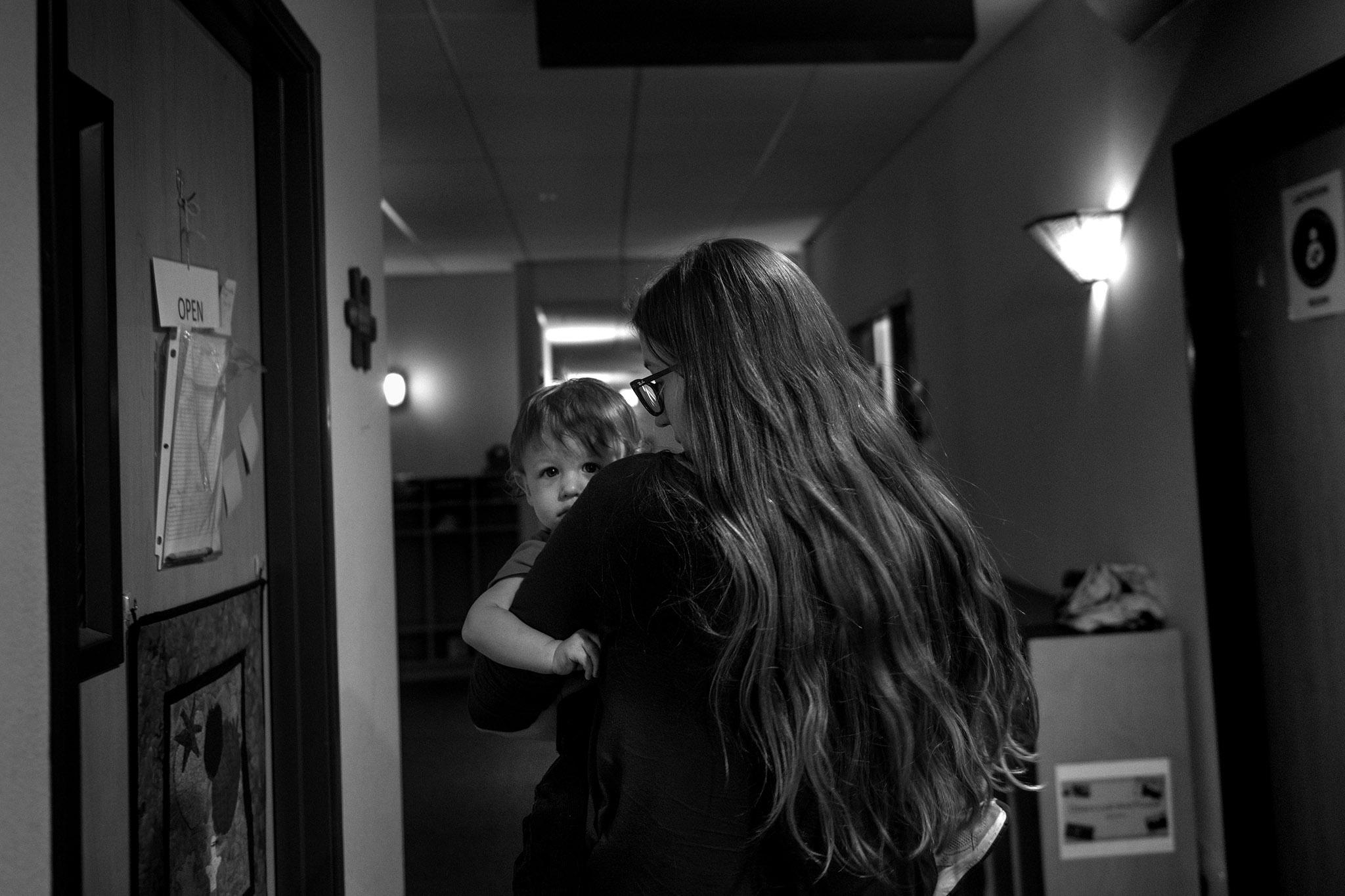
Nearly 14,000 children across the state are on waitlists for care.


One in five parents reported being fired due to child care disruptions.


The system in place is not working for many parents and providers.

Listen to an audio version of this story:
In a multi-part series, CPR News examines how families and the state are Raising Colorado within a child care system many say is broken.
We’ve talked to parents who struggle daily and providers navigating an underfunded, overcrowded and oftentimes unaffordable system. Now, tightened budgets and frozen subsidies are making an already difficult situation worse. When child care falls through, the consequences can come at the cost of some parents’ jobs.
CPR set out to find out what happens when parents who are needed in Colorado’s workforce can’t find reliable care.
The series was supported in part by a grant from Gary Community Ventures, which had no editorial influence.
Colorado’s child care system isn’t working. Who is paying the price?
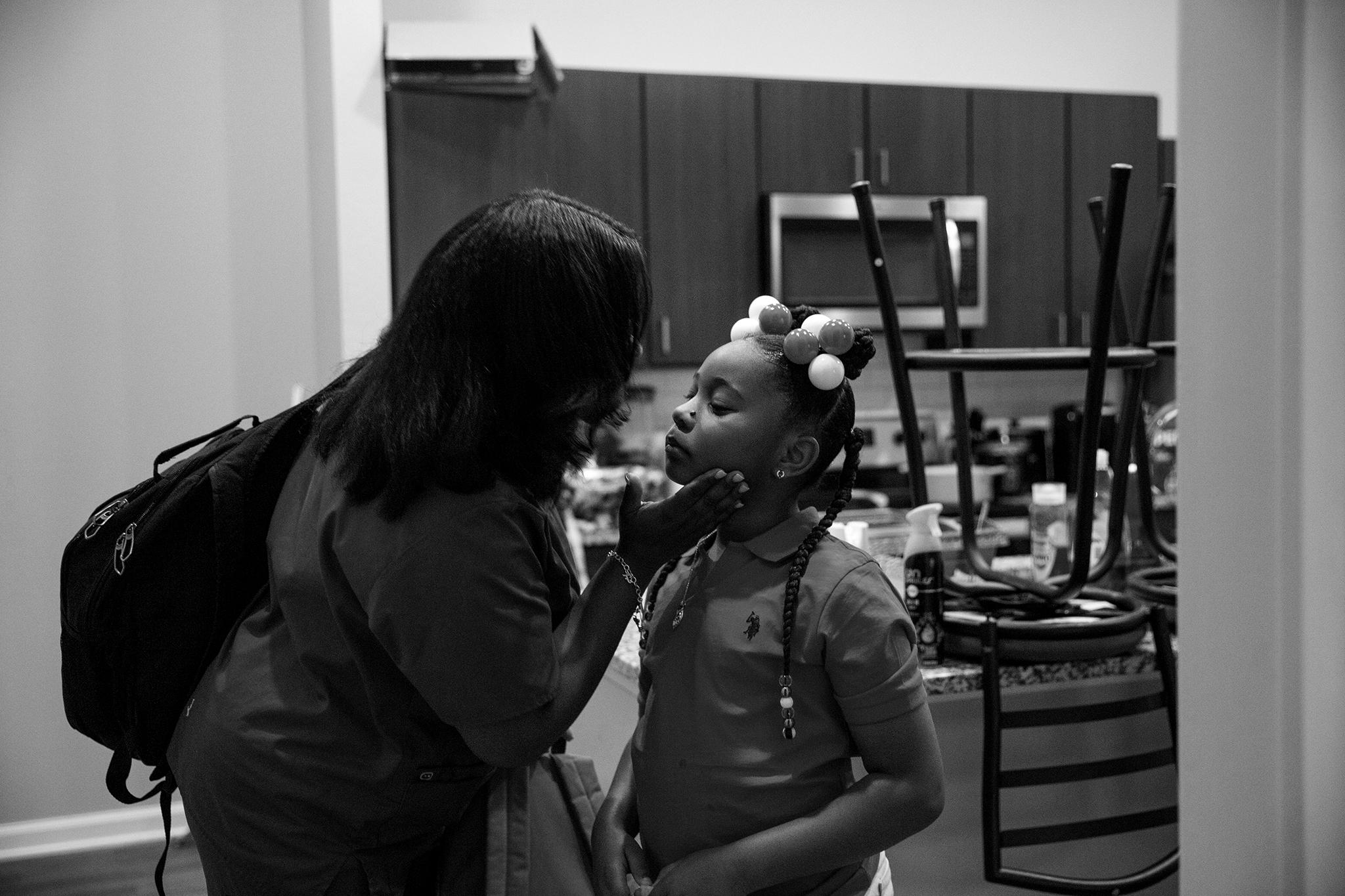
Before sunrise in Denver, Falon Thomas is already awake. By 5:30 a.m., she’s getting herself ready and getting four children up, fed and out the door.
“I wake up in the morning, I get myself together … then I get the kids together.”
In her apartment, the walls are stark white, dining chairs rest seat-side down on the table — markers of a recent move. The space is immaculate, but the air feels frantic. She calmly ties a sneaker for her son perched on the kitchen counter, while his brother streaks past in a Spider-Man mask.
She drops off her two youngest at a preschool in Denver’s Montbello neighborhood and the others at public school.
There is little room for error; with family in Texas and no reliable option nearby, she doesn’t have a backup plan if she falls sick.
She balances part-time work with 12-hour clinical shifts to become a respiratory therapist. It’s a dream job in a state facing chronic health care staffing shortages and a job she wants “so I can have a better life.” Without child care, Thomas said, it wouldn't be possible.
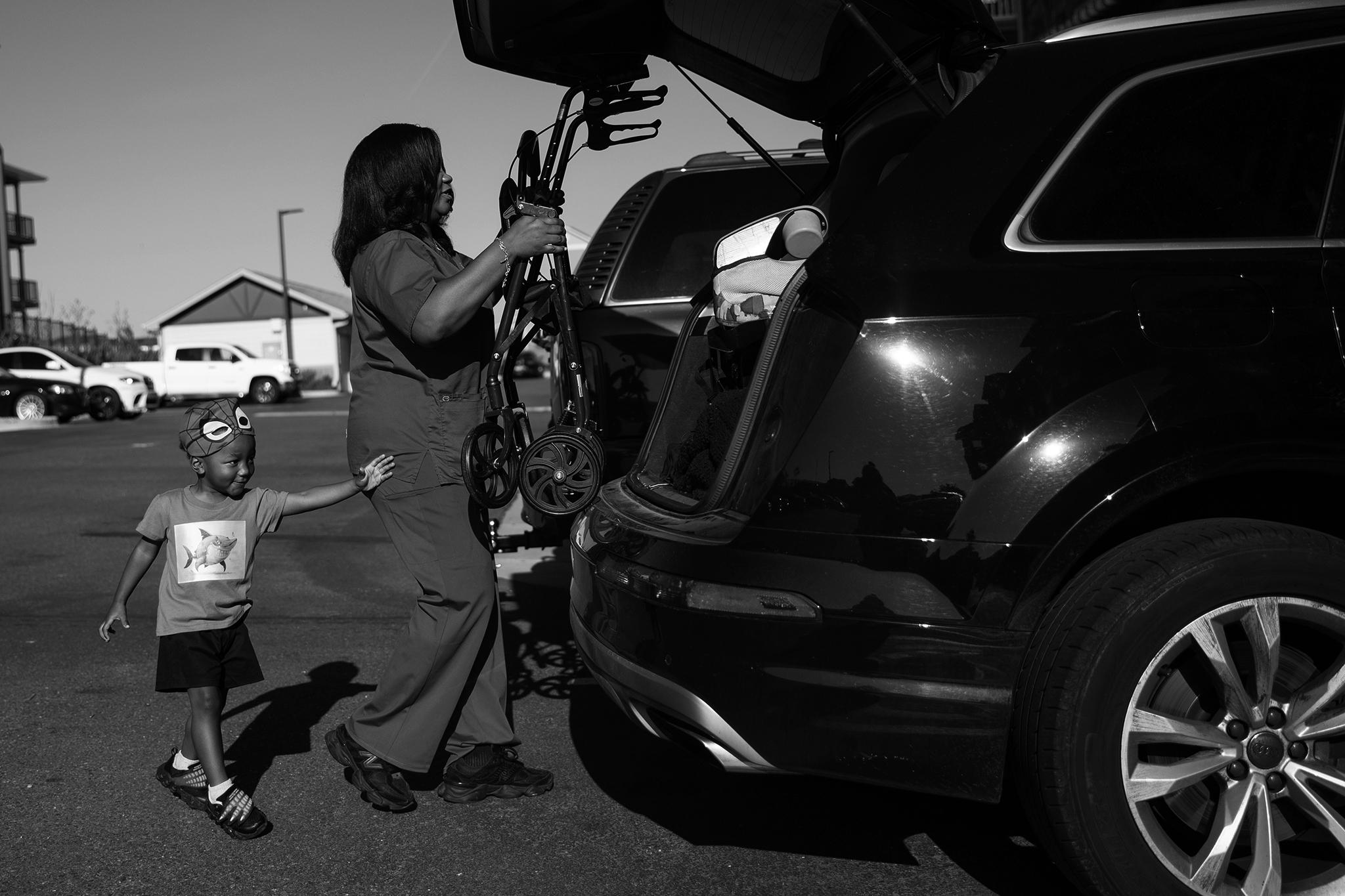
Like Thomas, thousands of Colorado families are navigating a child care system that is expensive and hard to find, depending upon where you live in the state.
It’s a system that, by all accounts, is broken and in dire need of fixing, if not to allow Colorado’s nurses, grocery clerks, police officers, firefighters, even members of the military to do their essential jobs, but also to raise children who are well cared for and ready for kindergarten.
The patchwork of child care and the hardship it can bring cuts across incomes.
“Child care is not an add-on. Child care is an infrastructure,” said Chrissy Simmons, a long-time early childhood educator and instructor at Colorado Mesa University.
“Child care needs to be treated just like roads and bridges. Without them, you can't go to work.”
Instead, the state’s current funding model forces some families to choose between care and take-home pay, while low wages and strict staff-to-child ratios squeeze providers.


Taken all together, it means that Colorado has become one of the hardest places in the country to raise young children while holding down a job.
Child care is often viewed as a family issue. But it’s actually a structural leak in the state’s economic engine, hampering the ability to hire the essential workers who Coloradans interact with every day.
When child care fails, businesses lose workers, costing between $2.7 billion and $3.3 billion in lost productivity. Jennifer Finders, assistant professor at Colorado State University, suggests thinking of child care like a bus or train.
“If [childcare] only runs reliably two-thirds of the time … you’d constantly arrive late to work, miss meetings, or have to leave work early,” Finders said.
The consequences are stark: 34% of Colorado parents have turned down a job or quit because they couldn't find care, according to an annual state survey of parents with 1-year-olds. In another 2024 survey, two‑thirds of parents reported being late, leaving early, missing days, or being distracted due to child care problems. More than one‑third said they had been reprimanded. One in five reported being fired due to child care disruptions.
The crisis isn’t limited to low-income families. Families who make too much to qualify for subsidies often face the steepest burden, with child care costs that rival rent, mortgages or college tuition.
"Families are spending upwards of towards 20% of their income towards childcare if they are lucky enough to find it," said Perrine Monet, a senior policy analyst at the Bell Policy Center.
In Colorado, infant care at a center averages $21,000 a year. For a single parent, that can eat up 43% of their paycheck.
A household in the state earning Colorado's median income of $95,470, the 7% affordable rate recommended by the federal government ($6,600) wouldn’t begin to cover the cost of infant care.
Many Colorado parents pay two to three times that amount. The result: Many families can technically work — but stay home because they can’t afford the tab.
The economics of child care reverberate far beyond individual households. Investing in child care pays off. Kids with quality care see higher graduation rates, higher-paying jobs, and better health outcomes. Child care finance expert Andrew Brodsky estimates a return of $3 to $4 for every dollar invested in universal preschool.

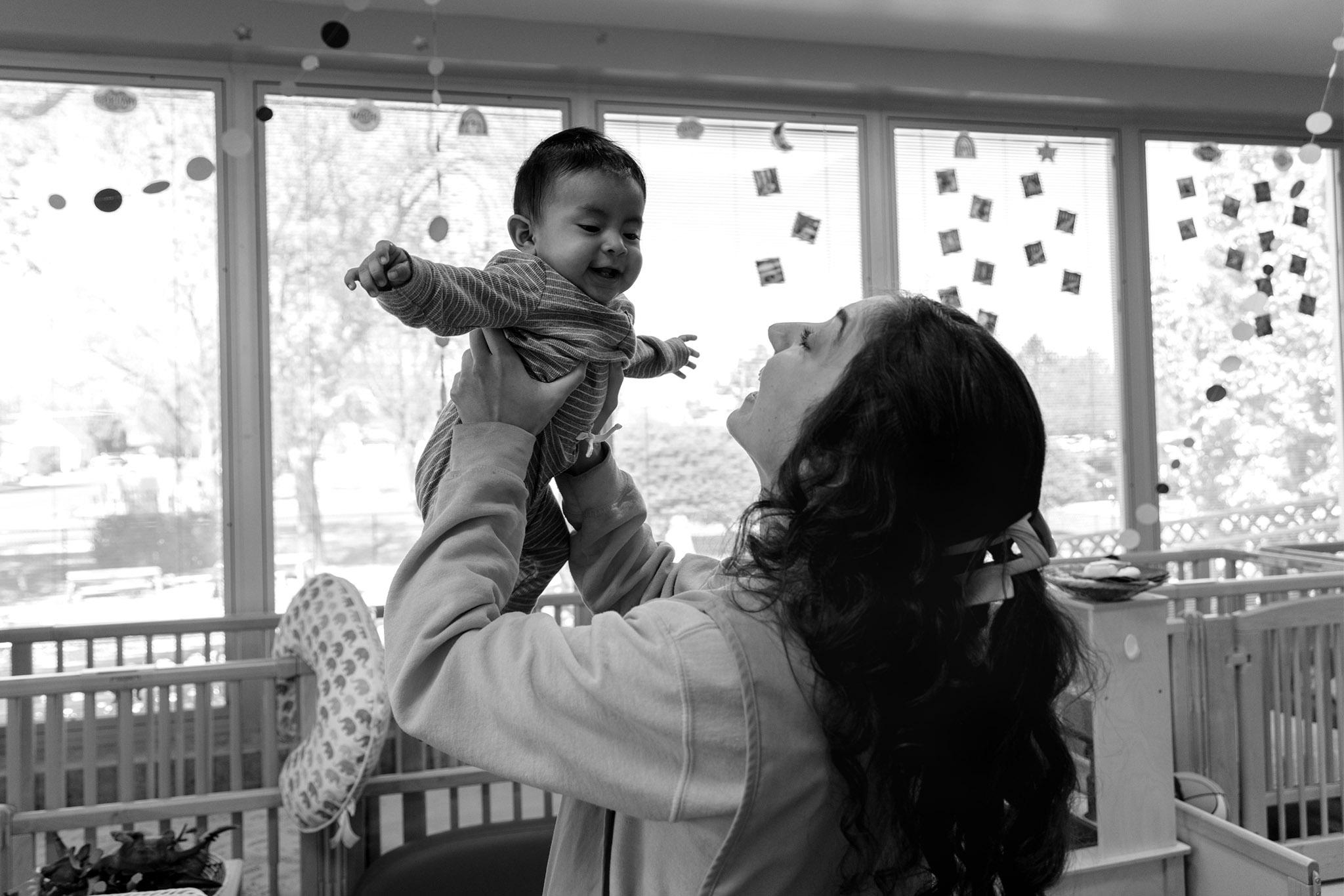
The bottom line is it's bad for the economy when parents drop out of the workforce because of child care issues.
As odd as it sounds, the pandemic provided more stability for centers.
At Venture For Success Preparatory Academy in Denver’s Montbello neighborhood, where 98% of families rely on subsidies, co-owner Nathaniel Cradle remembers when providers were seen as essential.
“We were considered the backbone of the economy,” he said. “We were here to ensure that they … health care workers, warehouse workers…were able to go to work.”
Federal money and grants that once flowed to keep child care centers open have disappeared. Cradle’s 30-child center is barely hanging on.
Asked if he can survive if the freeze goes on much longer: “No, it's impossible.”

Pandemic-era stimulus funding also paid for a pilot program that boosted child care worker wages.
“They were able to quit that second job,” said Mary Alice Cohen, chief program officer for the Colorado Department of Early Childhood, “which then boosted their morale and their well-being.”
But those supports end in June.

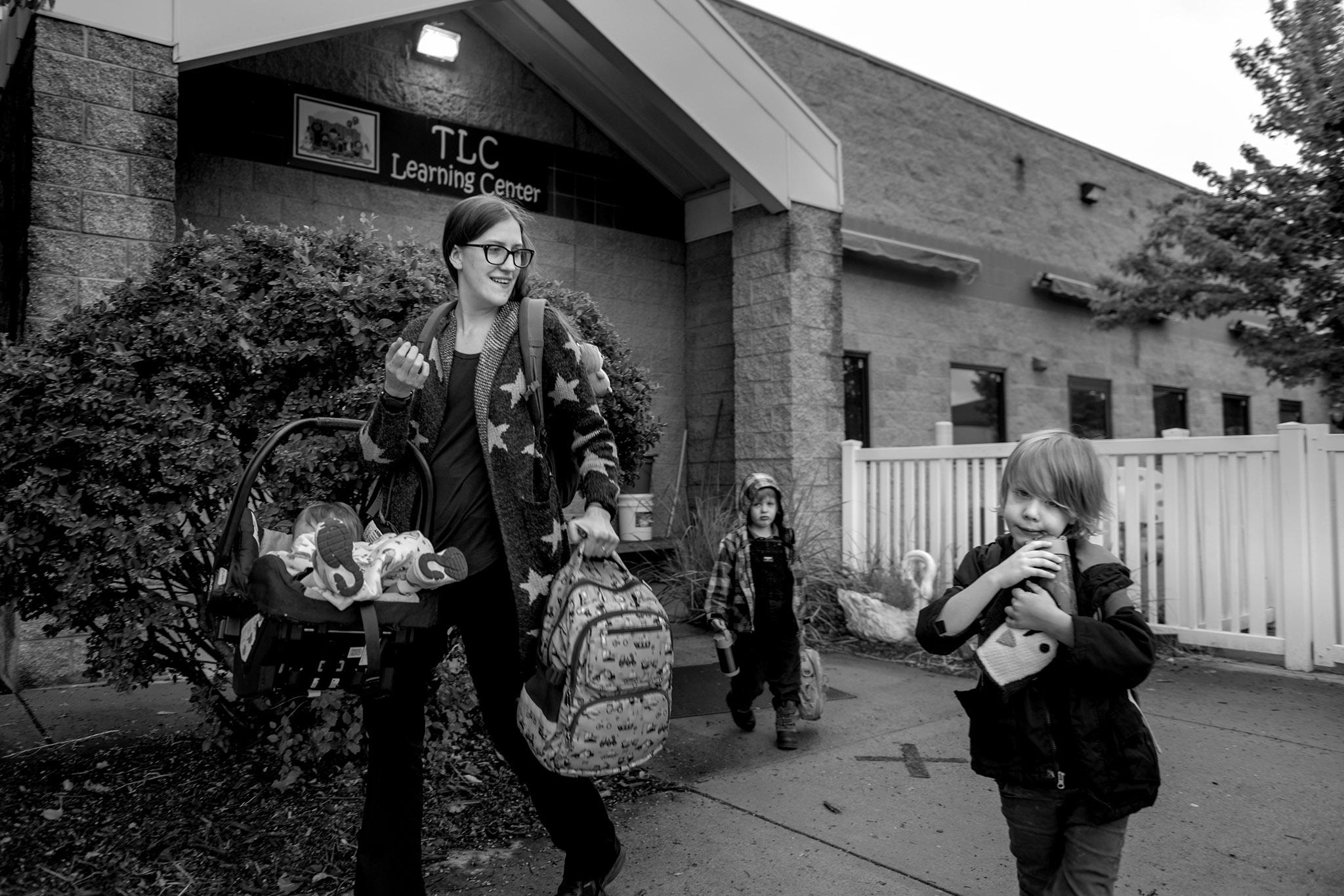
There are no winners in the current state of raising Colorado.
While parents struggle with cost, providers struggle on razor-thin margins. After rent, insurance, regulations, and wages, little remains. Experts argue that child care isn’t a standard business.
“We treat child care more like a private service, like a gym membership or a restaurant than we do an essential piece of our social infrastructure,” said Elliot Haspel, an early childhood researcher with Capita and author of the book, “Raising a Nation: 10 Reasons Every American Has a Stake in Childcare for All.”
“The math doesn’t work,” he said.
That’s because child care is labor-intensive, especially for infants and toddlers, where staff-to- child ratios are low. Teachers earn between $16.70 and $20.60 an hour. One in three workers relies on public assistance.
Former Treasury Secretary Janet Yellen called child care a broken market, largely because it defies normal economic rules — the true cost is simply higher than most parents can pay.
"(Child care) has always been in a crisis ... it’s been born on the backs of early childhood professionals," said Lisa Roy, executive director of the state’s Department of Early Childhood. “Who gets squeezed if you lower the cost? ... We need to be paying the cost of quality, the cost of care, so that our providers are making a living wage.”
Ultimately, experts argue that the system requires public funding to survive.
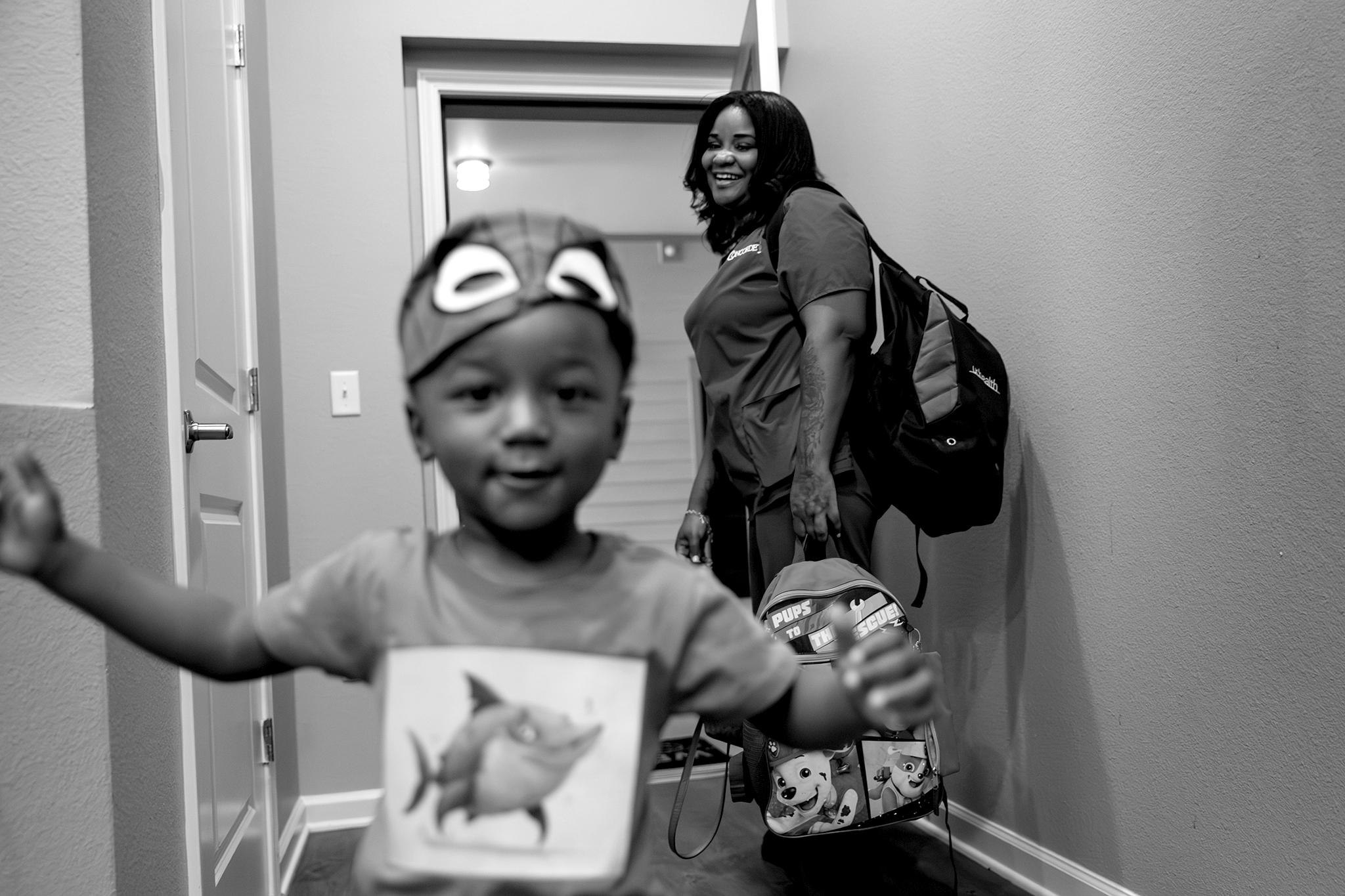
While the state offers universal preschool, UPK, for Colorado’s 4-year-olds, there is no equivalent for children from birth to 3. Low-income families like Falon Thomas’s depend on the Colorado Child Care Assistance Program, known as CCCAP. She pays around $10 a month.
"I wouldn't be able to do it to complete my own personal goals if child care and assistance wasn't available."
But that safety net is unraveling.
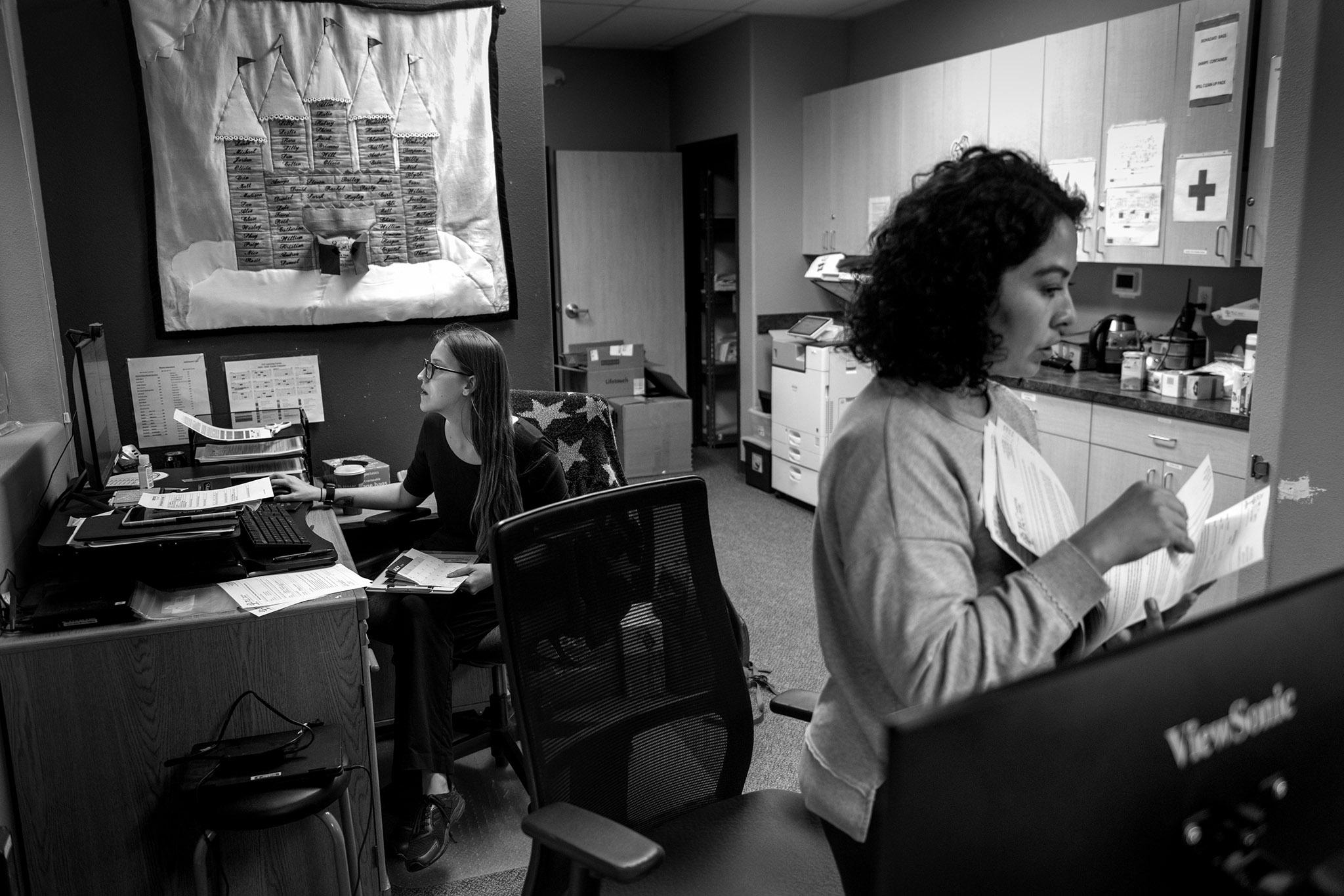
At least 24 counties, including Colorado’s 10 most populous, have frozen enrollment or instituted waitlists due to a change in how the state pays providers, expired federal relief and flat state funding. Nearly 14,000 children statewide are on waitlists.
State officials say even before the freeze, Colorado could only serve 11% of eligible children.
“If you can only serve 11%, it’s perpetual,” Roy said.
Longmont resident Emily Flake and her husband and three young children have been stuck on the waitlist for more than a year.
With a $75,000 household income, the $3,300 monthly cost for full-time care was impossible. A 70% scholarship from the provider kept the family afloat. But when Flake lost her job, she faced a two-month countdown before having to pull her children out.
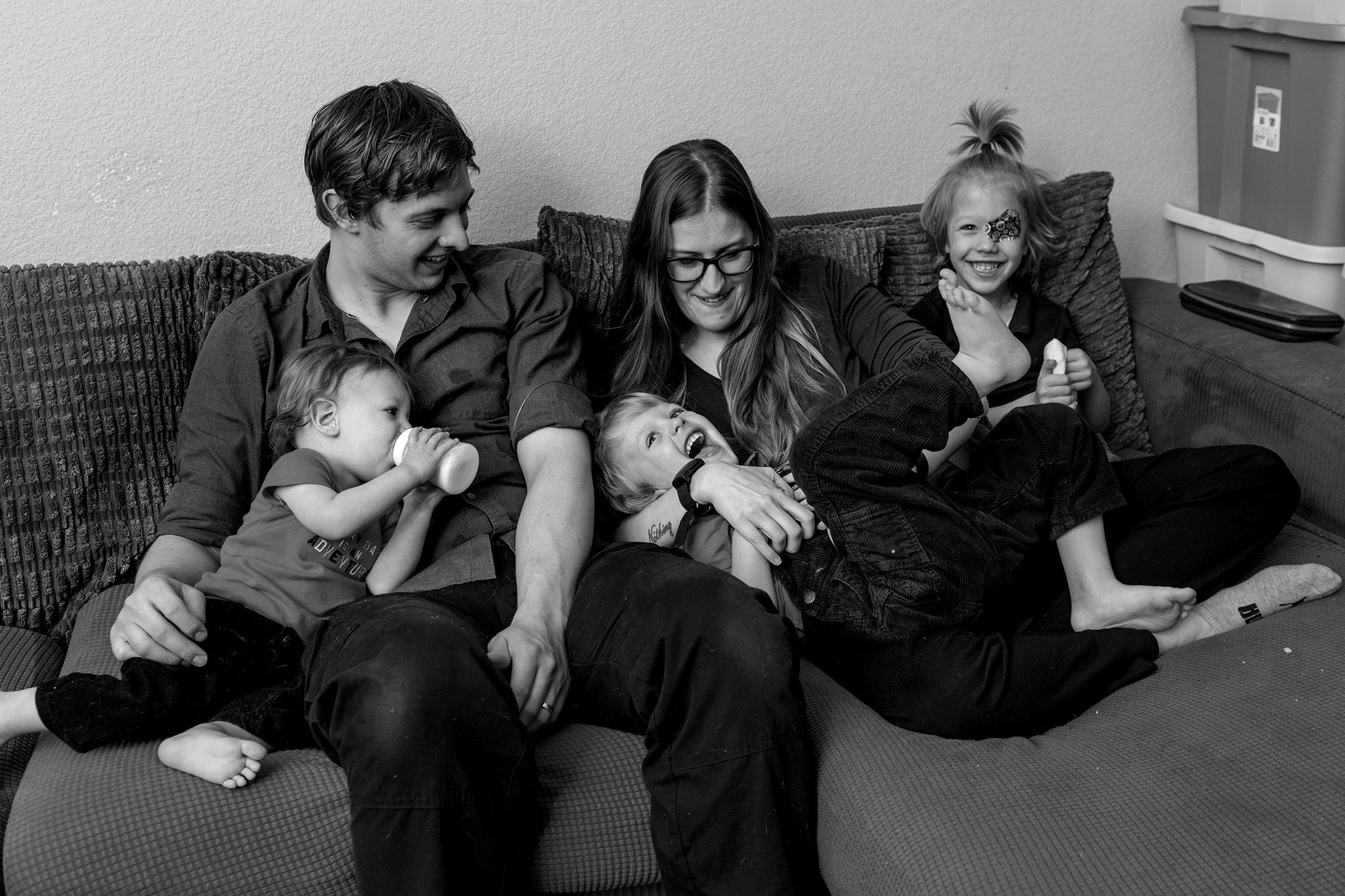
“I have two months of savings before we have to pull them out,” she said. “There is nowhere else for me to get money. I didn’t have a backup.”
She got another job at the center’s front desk.
She emphasizes the skills her children are learning in child care. She wants lawmakers to see child care as a necessity, not a luxury.


Rural providers lack “private pay” families and rely on CCCAP subsidies. When funding is frozen, centers close.
"Providers have been holding on by their fingernails to keep their doors open," said Colorado Department of Early Childhood’s Cohen.
With no new funding and a failed legislative bill that was an out-of-the-box idea to fund child care, leaders worry that more closures could further shrink available care. One proposed ballot measure, Initiative 195, seeks to replace the state’s current flat income tax rate with a graduated rate, cutting taxes for 97% of Coloradans. The estimated $2.7 billion raised would go into K-12 education, health care and early childhood education.
“The only way to fix this situation is to have additional funding,” Cohen said. Parents struggle to pay, providers operate on thin ice, and what once a stable funding support for families who need help has crumbled. But that is not the whole story of how Colorado’s system is broken.
Colorado’s child care landscape is a paradox: more than half the state is considered a child care desert, yet some areas have empty spots that families don’t have subsidies to pay for them, and can’t afford full price.
Statewide, there was a shortage of roughly 82,014 licensed spots for children younger than 6 with working parents, using 2023 data.
In Montrose, spots sit empty due to CCCAP funding freezes. Conversely, Denver Child Care Academy has a 100-infant waitlist and is working on a fourth center.
“Our infant program is so needed,” said “We have 100 infants on the waitlist,” said Richard Silvas, executive director of operations. “We serve over 90% CCCAP families. Right now it’s all in jeopardy.”
He expects more centers to close. The primary hurdles are high turnover and low wages.

“If there’s one thing … that could move the needle, it would be to invest in the child care workforce,” said the Bell Policy Center’s Perrine Monet.
There are also growing tensions between private providers and the state over the universal preschool program, a centerpiece of Gov. Jared Polis’s education policy, and parents generally call it a success.
Over the last two years, 104 centers have closed. The Early Childhood Education Association said the school districts are enrolling more 4- and 3-year-olds, stripping private facilities of the older children who help subsidize expensive infant care.
The state disputes those claims. But the state’s Lisa Roy said universal preschool is driven by parent choice.
“We do not guide parents to school districts, home-based settings or center-based settings,” she said. “Parents are choosing.”


Unstable child care doesn’t just affect jobs — it affects mental health.
“When child care is unstable, then work becomes unstable as well,” said CSU researcher Jennifer Finders.
Families on waitlists report more stress, missed work days, and a greater risk of depression, according to her research in Larimer County.
There, the loss in household earnings exceeds $2.2 million annually.
The loss hits providers too.
In rural Morgan County, Rosie Evans, owner of Evans Early Childhood Center, serves 200 children. About half of them are on CCCAP subsidies, but demand is far greater.
"It's a big responsibility, making sure we're raising these children to be wonderful human beings," Evans says.

Evans recently opened a center inside a hospital to serve healthcare workers. Evans pays no rent; in exchange, hospital staff gets a 50% discount. For one emergency room nurse, this was the deciding factor in returning to work full-time.
“That gives me peace of mind ... I just pop in at any time, and she's always happy and changed and fed,” the nurse said. However, even this model has gaps; She is switching roles because her 12-hour ER shifts don’t match the daycare's 12-hour window.
For Karen Limas, the CCCAP subsidy allows her to work inspecting meat at a local factory, while one day she hopes to pursue her dream of becoming a nurse.
She pays $152 a month for her two daughters.
“Without CCCAP, I will probably have to work two or three jobs … maybe work at McDonald’s night shift.”
But with a move to be closer to her husband’s construction job in Denver, where enrollment is frozen, Limas believes she will lose her subsidy and her independence.
“It feels good to have your own money … without asking other people,” she said.
Despite being Fort Morgan’s main child care provider, Evans lost $30,000 in 2025. To stay afloat, she cut her employee retirement match and took out a home equity line of credit.
Meanwhile, overhead continues to climb. Evans said property taxes hit $30,000, and insurance jumped $20,000. While the county could lower property taxes for centers under a new state law, it hasn’t done so.


Some Colorado communities are passing local taxes to fund child care, but some experts warn this creates a "ZIP Code patchwork" in which rural counties are left behind.
“We need a zero to 5 (years old) system,” said Elsa Holguin with the Denver Preschool Program. She warns that without a comprehensive system, “working families, firefighters, police officers” will be priced out of the city.
“We need to figure out: how are we going to create a city that welcomes children ... or we’re not going to have families with young children in Denver anymore."
The current system works for people like soon-to-be respiratory therapist Falon Thomas — but just barely. She’s lucky to have had a subsidy. She knows others who need child care but can’t get it because of the freeze.
“The freeze, it needs to stop so everybody can have a decent life,” she said.
For thousands more, the current system doesn’t work at all.
State executive director Lisa Roy said ending the freeze will require more support, whether local, state or federal.
"It’s impossible to do this without support and subsidy," she said.
Child care researcher Elliot Haspel compared child care to the public school system, noting that child care receives a fraction of the support it needs to survive. He said that if Colorado took 10 percent out of the public school system, it would break apart overnight.
“The system would fall apart. That is the system we have for child care in this state and in this country.”
Story by Jenny Brundin
Produced by Shelby Filangi and Kevin Beaty
Edited by Alison Borden
Photos by Daniel Brenner, McKenzie Lange, Amanda Lopez, Mike Sweeney, Christopher Tomlinson, William Woody and Rachel Woolf.