When caregivers at Denver’s Eating Recovery Center (ERC) noticed a dramatic uptick in parents seeking treatment for children as young as 8 years old with eating disorders, they started thinking about how to address the needs of a much younger demographic. The center’s answer was a special program launched earlier this year tailored to kids ages 8 to 12.
The thinking was that young children learn differently and needed a different approach to therapy.
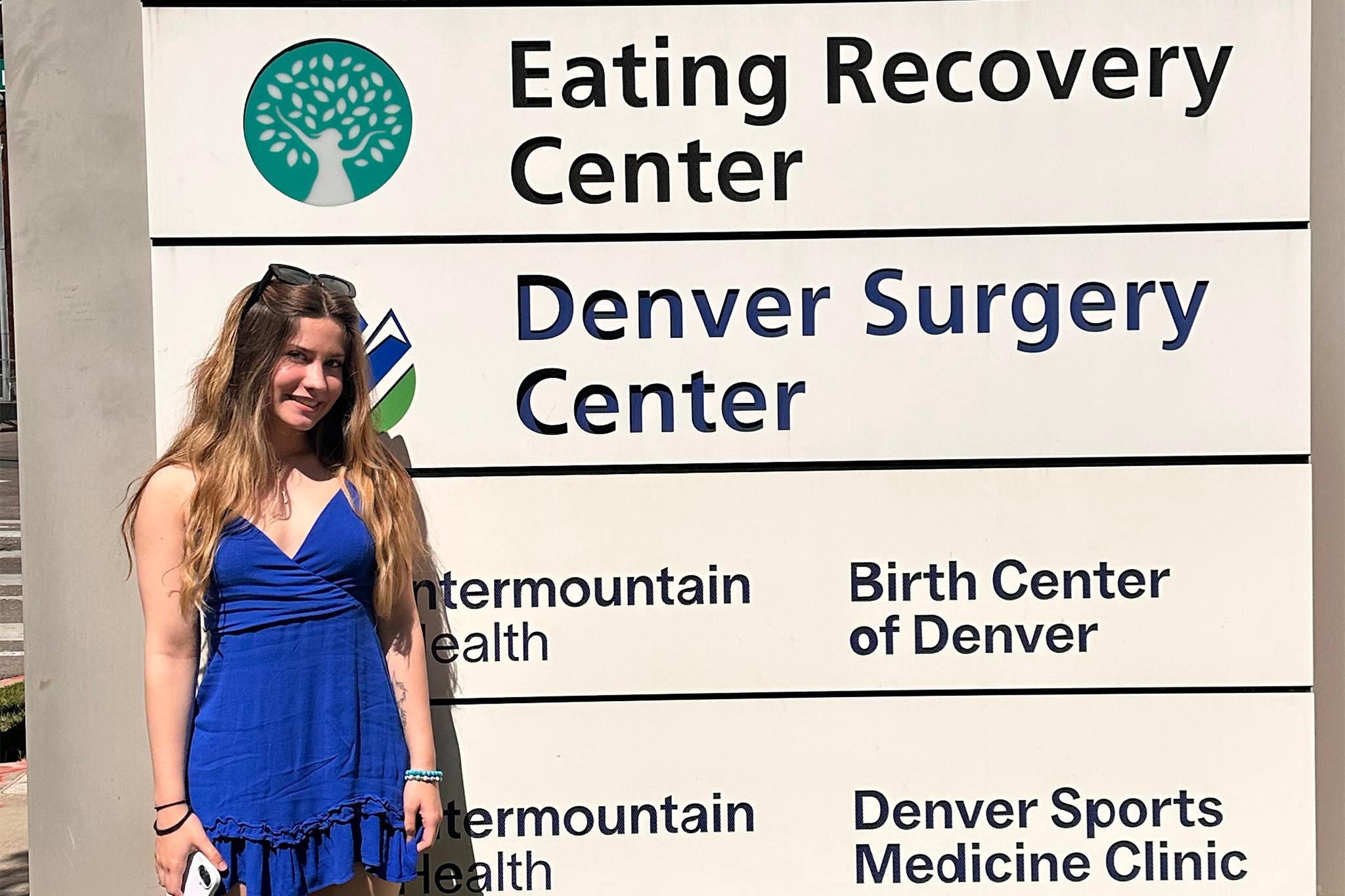
“They do a lot of learning and processing through play, and they don't have the same level of verbal skills that adolescents and adults have,” said Lorin Terrell, executive director of ERC and a licensed family therapist. “We also know that if a kid comes in, let's say they're 10 and they have a malnourished brain, [it] could indicate that their development is younger than their chronological age.”
According to an analysis in JAMA Pediatrics, about 22% of children and adolescents worldwide showed signs of disordered eating. It also found the incidence of eating disorders in young people has increased in recent decades.
Terrell said there are multiple factors that lead children to develop eating disorders, including family history and psychological predisposition, but she suspects that social media plays a significant role since it’s become so accessible to kids and is known for promoting unrealistic body weight standards.
“We have a very high level of diet culture in our society, and with the increase of social media, kids and people at large just have more access to that type of content than they ever had before,” she said.
She said social media posts are prone to spreading misinformation about dieting, nutrition and exercise and some even encourage destructive thinking.
“There's content out there that even goes so far as to be pro-anorexia … people that are actively promoting anorexia and eating disorder behavior,” Terrell said.
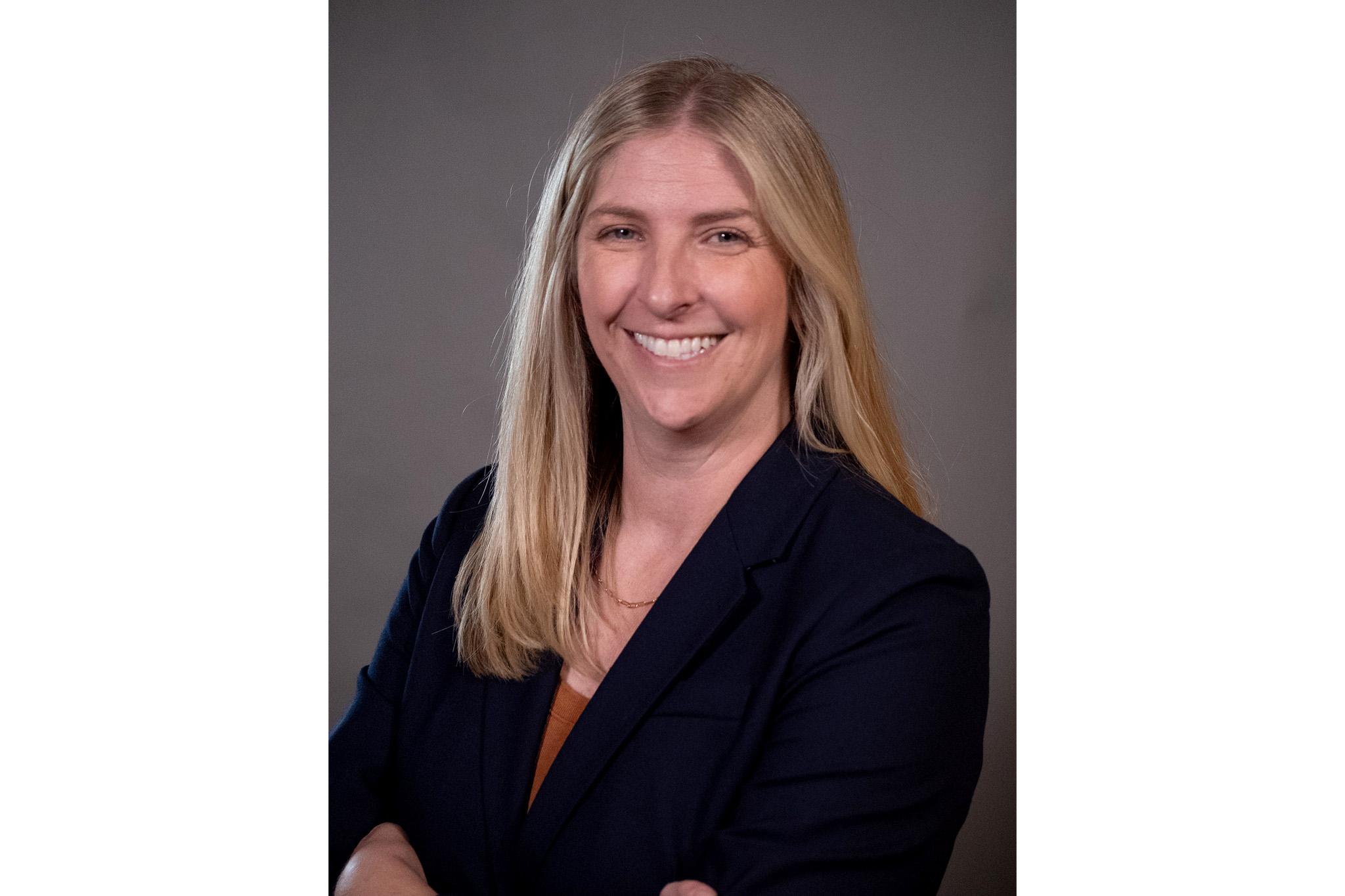
Luisa Castellanos, 18, was first treated for anorexia nervosa at age 11. She said the onset of her eating disorder had less to do with social media than with a phobia she developed around choking while eating. Her parents felt she was too old for in-patient treatment so she attended day treatment at a clinic close to her home in Cleveland, Ohio. One challenge in treatment, she said, was that at 11, she was so much younger than most of the patients who were aged 14 to 17.
“I felt almost like the odd one out,” Castellanos said. “It was hard for me to connect with peers … something that I really craved throughout my recovery to have that support system of others knowing what you're going through.”
She said being around so many older patients led to new problems.
“I did end up picking up some behaviors from hearing these older girls talking about their eating disorders,” Castellanos said.
By 13, Castellanos was still very sick. She landed as an in-patient at Denver’s Eating Recovery Center. Initially, she refused to eat and required a feeding tube.
“I was a stubborn patient. I had a hard time complying with treatments a lot of the time,’ she recalled. “So there were periods of time where my team at the Eating Recovery Center was kind of at a loss … because I just would not comply and I would refuse the help.”
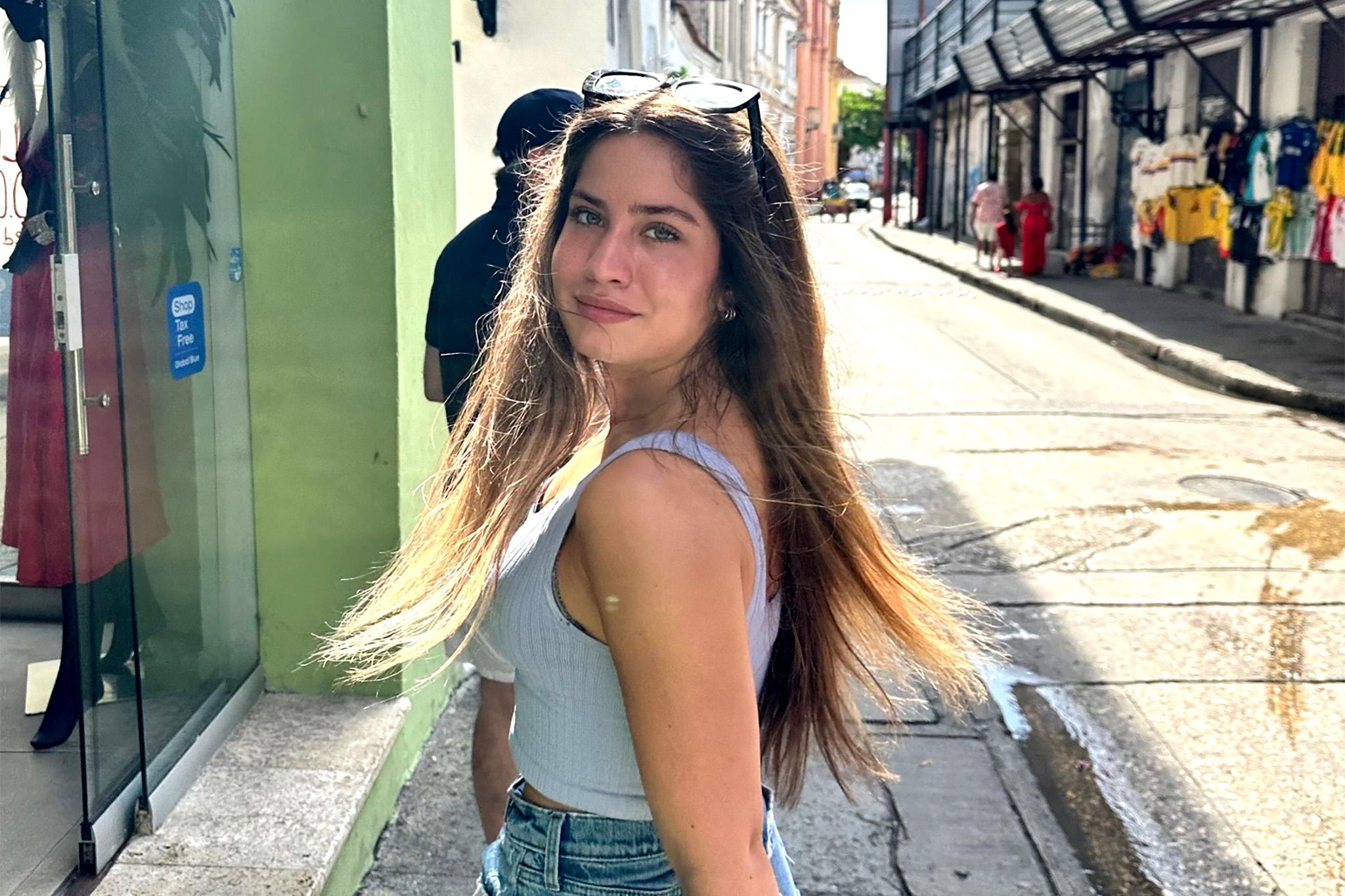
Castellanos, who is in recovery now, said among the things that helped her most during her time at ERC was a connection she made with a patient close to her age. She said if she’d been with a younger group of patients when she was first treated, it might have helped speed her recovery.
These days, she said she’s at a solid place in her recovery.
“For a while, I thought that recovery was kind of like a place … a destination. You get there and then you're just there,” Castellanos said. “But I'm now realizing it's more of an ongoing journey. It's something that I work on every day because there's still times where I'll have thoughts that are not really something I want to think about, but I get up and … work through those thoughts so that I can continue staying in recovery.”
Castellanos plans to become a social worker one day and wants to treat children, including those with eating disorders. She said parents need to be compassionate with children struggling with conditions like anorexia and approach the challenges as something to get through together.
Terrell, who heads up the center, said since the program for younger patients launched in January, it’s served 28 patients.