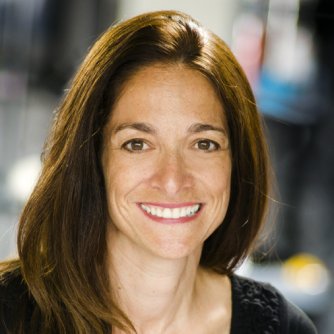

When I heard Colorado’s late poet laureate Andrea Gibson read their poem “Love Letter from the Afterlife," I was pretty sure Gibson was talking to me, trying to comfort me in my grief over the loss of my 22-year-old daughter.
I’m certain thousands of others — both the dying and the grieving — thought Gibson was talking to them, too.
The poem begins, “My love, I was so wrong. Dying is the opposite of leaving.”
Gibson, who died last July from ovarian cancer and used they/them pronouns, wrote the poem when they knew they were dying. It conveys a certainty that death is not an end and that love and real connection survive death.
For the dying, I hope the poem helps ease their fear of death, and for the grieving, soothes the dark, hollowed-out feeling of loss and the shock that sometimes comes in waves like a gut punch.
Since my daughter, Jobie Hereford, died from a brain tumor three years ago, I’ve been wondering where she is. I’ve looked for her up in the sky, in sudden flashes of light, in the ladybugs that have visited me and her brother and her friends, including one that stayed in my bathroom for several days and then disappeared.

I’ve even visited several mediums hoping they could tell me where she is, how she is, and if she is. And I’ve interviewed religious thinkers, death doulas and hospice workers for their take on death and the afterlife.
We’ll be running those interviews on air and online for a series we call “Searching for Jobie,” about what, if anything, comes after death.
A poem loved by many, but written for one
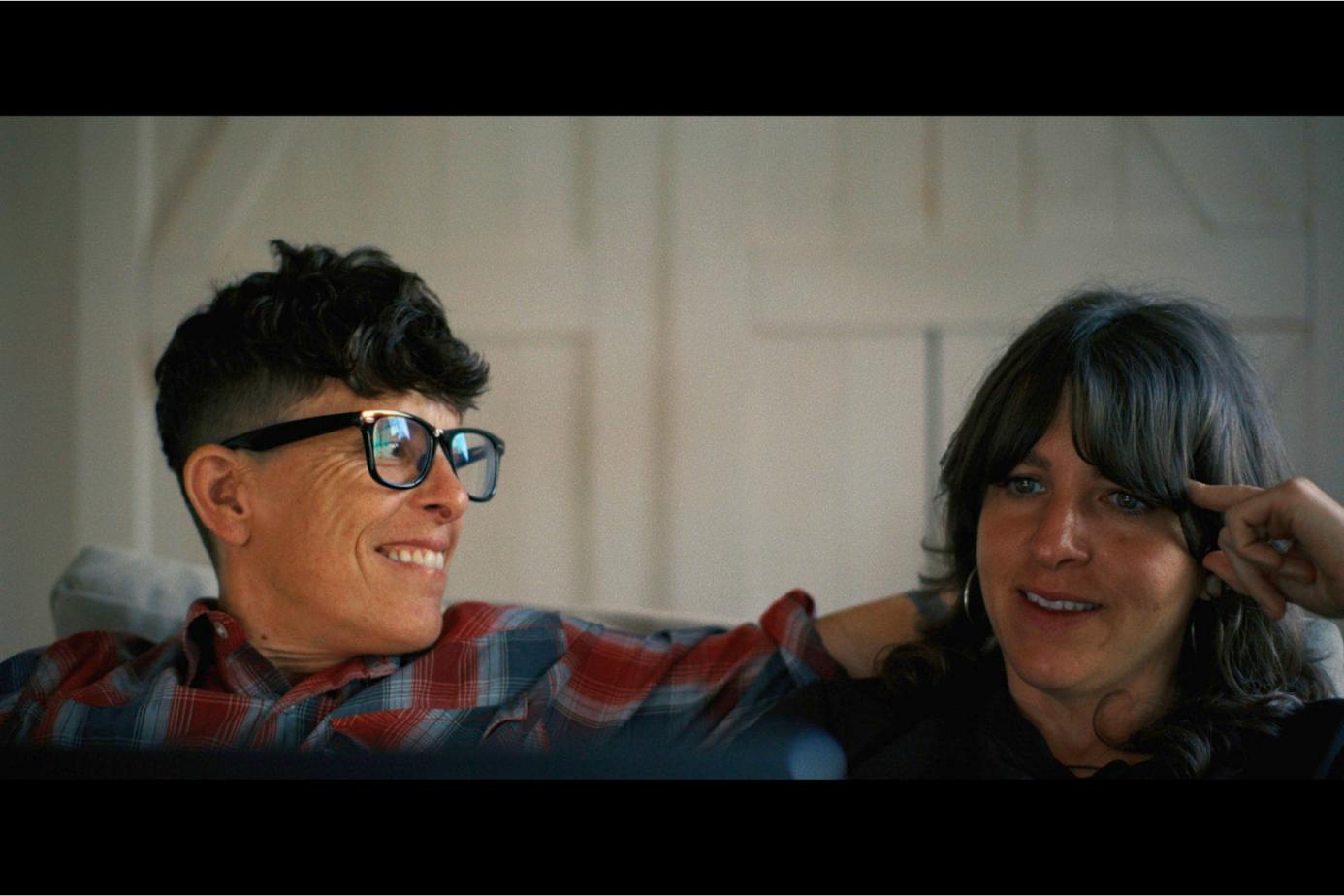
It’s something Andrea Gibson thought about a lot during their illness. And while “Love Letter from the Afterlife” speaks to many, it was actually written for Megan Falley, Gibson’s widow, who is also a poet and wordsmith in her own right. The two were the focus of the widely acclaimed documentary “Come See Me in the Good Light,” about the couple’s efforts to grapple with Gibson’s illness and impending death.
I spoke with Falley for the series about what she thinks, if anything, comes after death. Falley said in the past, she’d never given much thought to the question.
“Andrea would've classified themselves as the more spiritual, the more woo woo between us,” Falley said. “And maybe me as a person who is just very much on this plane.”

Falley said she didn’t know then that the poem would be a sort of lullaby for her in the months and years after Gibson’s death and would change her view about what comes after death.
“I think having experienced Andrea's death and what I've interpreted as signs and messages from them after, I have a much fiercer belief in an afterlife and something continuing,” she said.
Signs from the afterlife through art
Falley said she’s had many instances where she felt Gibson reaching out to her, including one right after Gibson’s death. Falley had just written a poem for the first time in years. In it, she asked Gibson, who published a collection of poetry in 2021 called “You Better Be Lightning,” to come back to her as lightning.
Falley said there was an incident not long after she wrote the poem that helped convince her. She has televisions in the house that can display favorite paintings with the push of a button when the TV isn’t in use. At some point, Falley noticed a painting on one of the TVs that she’d never seen before. It was dark with sailboats – very masculine – and not something she’d have chosen. Falley thought it might be a sign from Gibson, but nothing stood out to her.
“Then I walk out of the room and … I see in the corner of the painting, the faintest bolt of lightning,” Falley said. “It felt so perfectly Andrea and I to have our communication be through art, like, ‘I've asked for something through poetry, and they've answered through artwork.’”
Falley said she’s also been approached by several mediums saying they have messages for her from Gibson, including one who told her Gibson had been insistent in trying to contact her.
“She told me that Andrea is a very persistent and annoying ghost and has these communications for you," Falley said. “And that tracks [because] Andrea was really good… [at] getting attention and getting what they wanted with that attention.”
Believing you have more control than you do
One section of “Love Letter from the Afterlife,” seems to be guidance from the poet Gibson to Falley – and anyone facing loss – to free themselves from emotions like guilt and regret – that sometimes come with death:
“In my back pocket is a love note with every word you wish you'd said at night. I sit at the loom, weaving forgiveness into our worldly regrets all day. I listen to the radio of your memories. Yes, I know every secret you thought too dark to tell me and love you more for everything you feared might make me love you less.”
As Gibson deteriorated physically, Falley quit her job and became a full-time caregiver. She said, by anyone’s measure, she did all she could. But she sometimes has pangs that she could have done more.
“I think it's maybe this precious part of the human psyche that believes, ‘Oh, if I'd done one more thing, I could have staved off death,’” Falley said. “I think it's actually a tender part of the human experience that believes we have maybe more control than we do.”
'Their own awareness of their mortality brought them so much peace and love and aliveness'
In addition to Falley’s evolving view of an afterlife, she said losing Gibson also changed her feelings about her own mortality.
“Whenever I think about death now, it doesn't feel scary,” Falley said. “There feels to me a bravery and an acceptance within myself of it now. I feel like Andrea can't wait to show me around – that they'll wait and wait as long as I need to be here.”
And for Gibson, Falley said, ovarian cancer profoundly changed their outlook on life.
“They weren't always joyful beforehand,” Falley said. “And cancer … their own awareness of their mortality brought them so much peace and love and aliveness.”
In the poem "The Lifegiving Benefits of Befriending Our Mortality," about her initial diagnosis and then illness, the poet described the evolution of her thinking.
"This is the beginning of a nightmare, I thought ... But stay with me ya'll, because my story is one about happiness being easier to find once we realize we do not have forever to find it."
When I asked Falley what she thinks Gibson is doing now, she didn’t hesitate. She said Gibson is likely playing their favorite sport.
“I think Andrea is playing basketball. I think Andrea is probably spinning the earth on their finger like a basketball player,” she said.
There is a screening of "Love Letter from the Afterlife" at Red Rocks on Saturday, July 5, featuring Megan Falley and a special performance from singer Sara Bareilles with the Colorado Symphony.
Producer Nell London contributed to this story.