Molybdenum

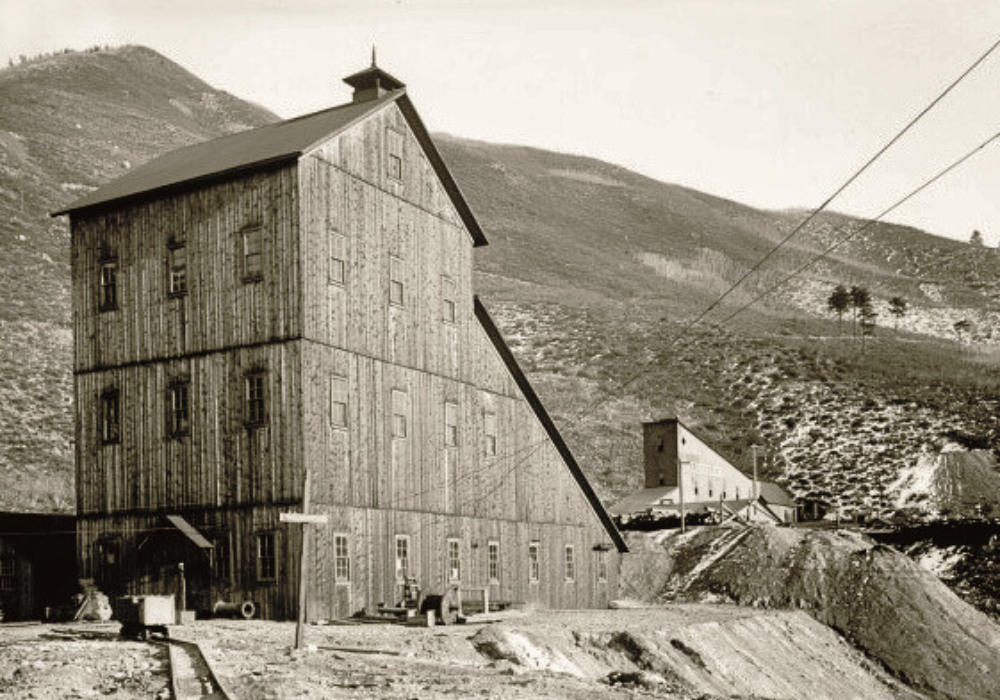
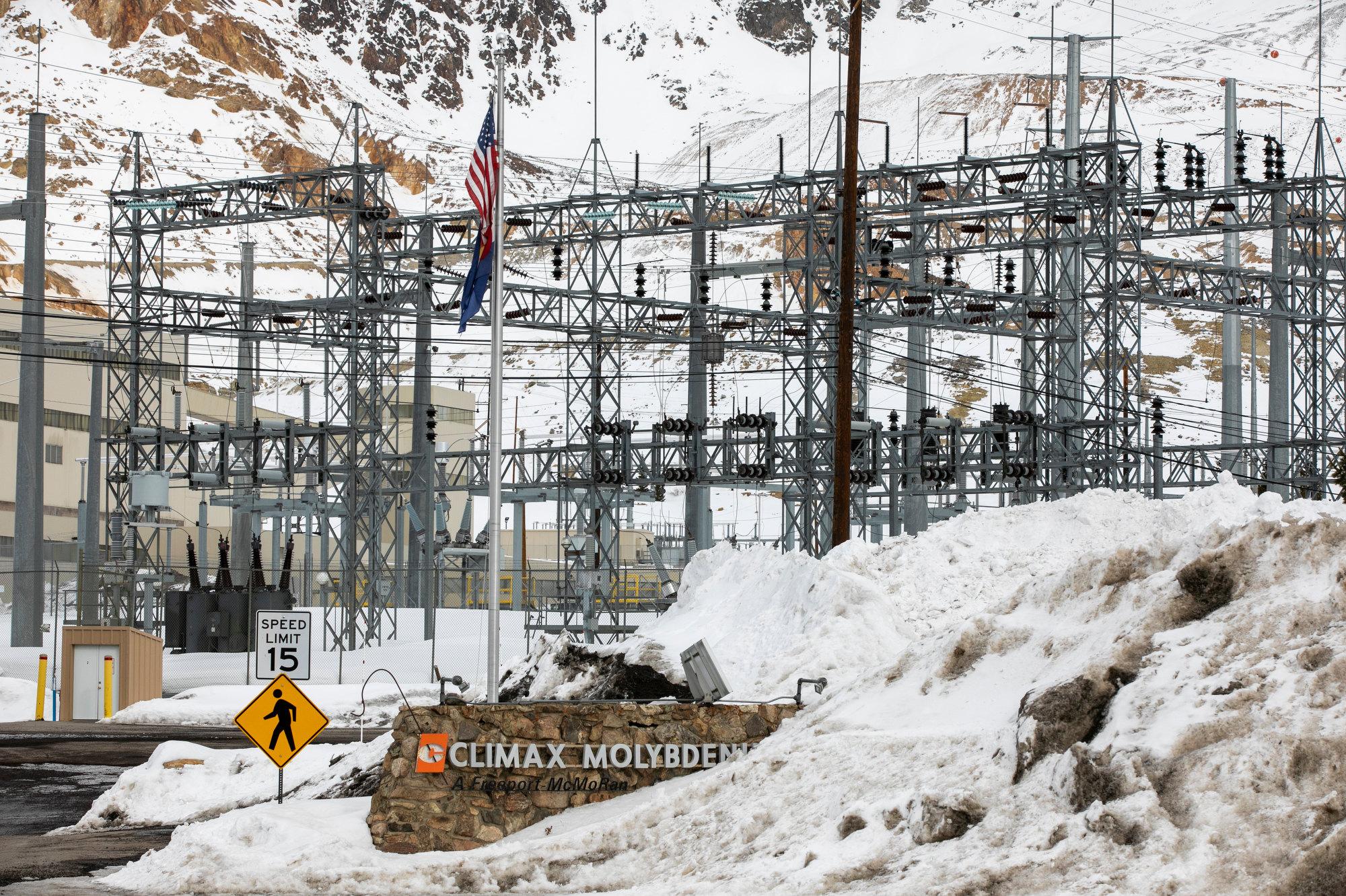
Between Copper Mountain and Leadville, more than 11,300 feet above sea level, the town of Climax once stood. It was home to the most financially successful business during the great depression. It helped the Allies win World War II. And ultimately, it just disappeared. The reason: Molybdenum. When prospectors discovered the metallic element near the top of Fremont Pass, there wasn’t much use for it. But demand increased during WWI, since Molybdenum makes some of the strongest alloyed steel. A town sprouted up around the mine, which by WWII became the source for all the molybdenum the Allies needed for things like armor plating. Operations grew until it became the largest underground mine in the world, and the town above it became uninhabitable. Today nothing remains of Climax, except the mine, and roughly 500 million pounds of molybdenum.

About Colorado Postcards
Colorado Postcards are snapshots of our colorful state in sound. They give brief insights into our people and places, our flora and fauna, and our past and present, from every corner of Colorado. See more postcards.