
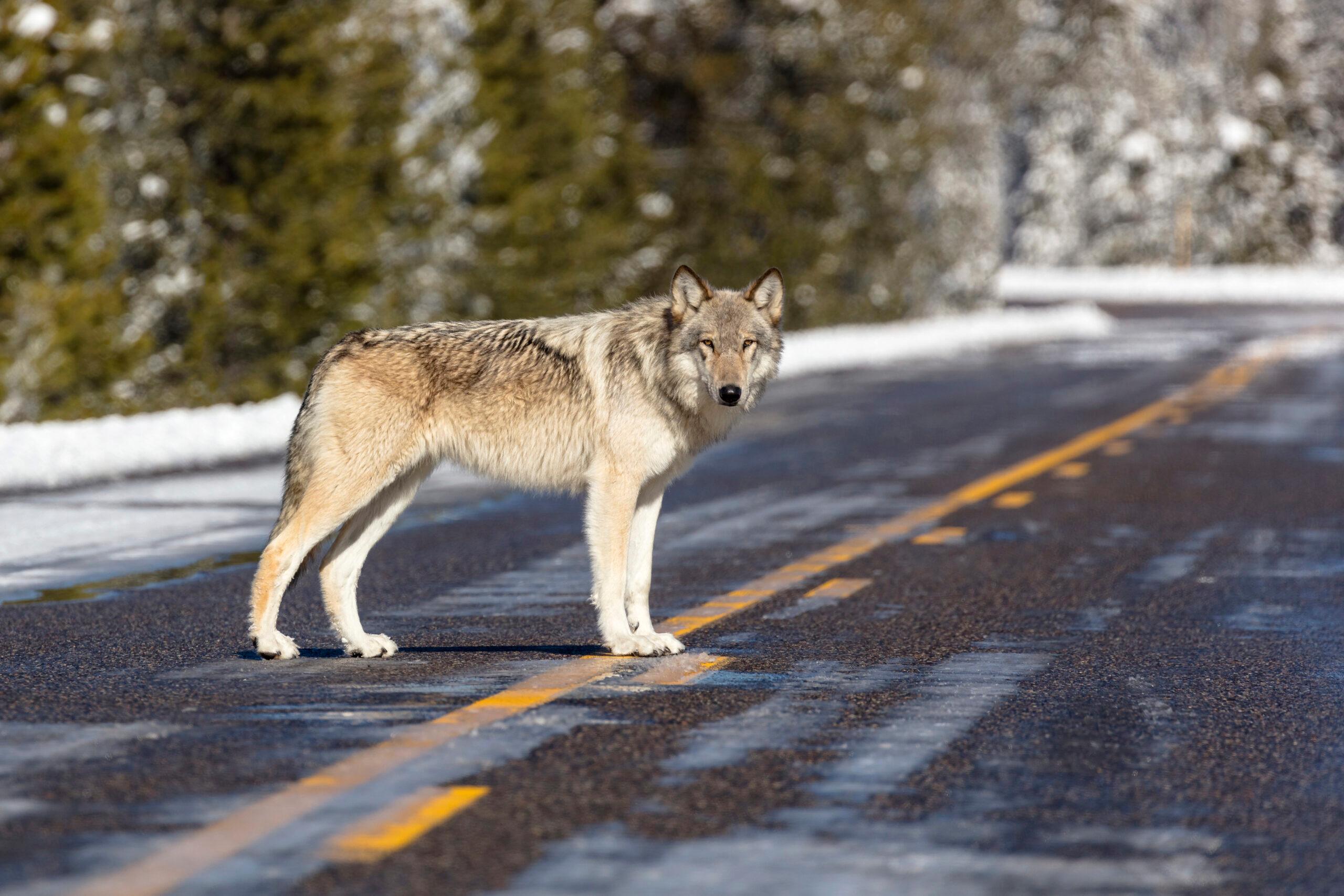
With the sound of wolf howls echoing through the chamber, GOP Rep. Lauren Boebert’s bill to delist the gray wolf from the nation’s endangered and threatened list passed the House on Thursday, 211 to 204, largely along party lines.
The Colorado delegation split completely by party, with Republicans voting for the bill, and Democrats against.
During the floor debate on the Pet and Livestock Protection Act, Boebert said, “Colorado is at the center of our nation for wolf battles.” She noted that the voters in the state, largely along the Front Range, voted to reintroduce the gray wolf and the state had to look to Canada to get the wolves.
“The science is crystal clear on this issue. Gray wolves should no longer be on the Endangered Species list,” Boebert said. “We can no longer put farmers, ranchers, and even our pets in harm's way by using taxpayer dollars to protect a species that has been fully recovered. It's time for the federal government to get out of the way and allow the state and tribal wildlife agencies to manage the species.”
She noted that administrations going back to President Barack Obama tried to delist the gray wolf, but that a lawsuit stopped them.
Boebert was confident the bill would become law.
“This is something President Trump would’ve taken action on, as he has in the past, but this is just something to codify that and avoid frivolous lawsuits in the future,” Boebert told CPR News.
Other Republicans also expressed confidence in delisting the species.
“The gray wolf population is healthy, has exceeded all recovery goals, and can sustain life from a variety of threats and should be delisted,” said GOP Rep. Jeff Hurd, who represents the Western Slope and Southern Colorado. “The Endangered Species Act was never meant to be a permanent listing statute. It was designed to recover species, and once recovery is achieved to step back, but that's not what's happening.”
Several Democratic members, however, argued the bill was premature and that while the gray wolf had made progress in certain regions, it had not achieved full recovery.
“Removing federal protections would be premature and dangerous,” said Democratic Rep. Debbie Dingell of Michigan. “Too soon after previous de-listing efforts, several states moved quickly to authorize aggressive hunting and trapping seasons, and in some cases, wolf populations declined sharply within one single year. These setbacks erased decades of conservation progress and created instability rather than sound wildlife management.”
Other Democrats argued that conflicts between wolves and livestock do happen and ranchers should get support when there’s a wolf problem. They stressed there are tools to do just that. Colorado, for example, provides strategies for ranchers and compensation if their livestock is harmed.
Last year, Boebert’s bill, then called the Trust the Science Act, also passed the House but did not advance in the Senate.
She said she’s working with other Republican lawmakers to find yes votes in the Senate, as well as talking with the White House congressional liaison office about the bill.
“I do expect this to be another legislative victory for the 119th Congress,” she said.