
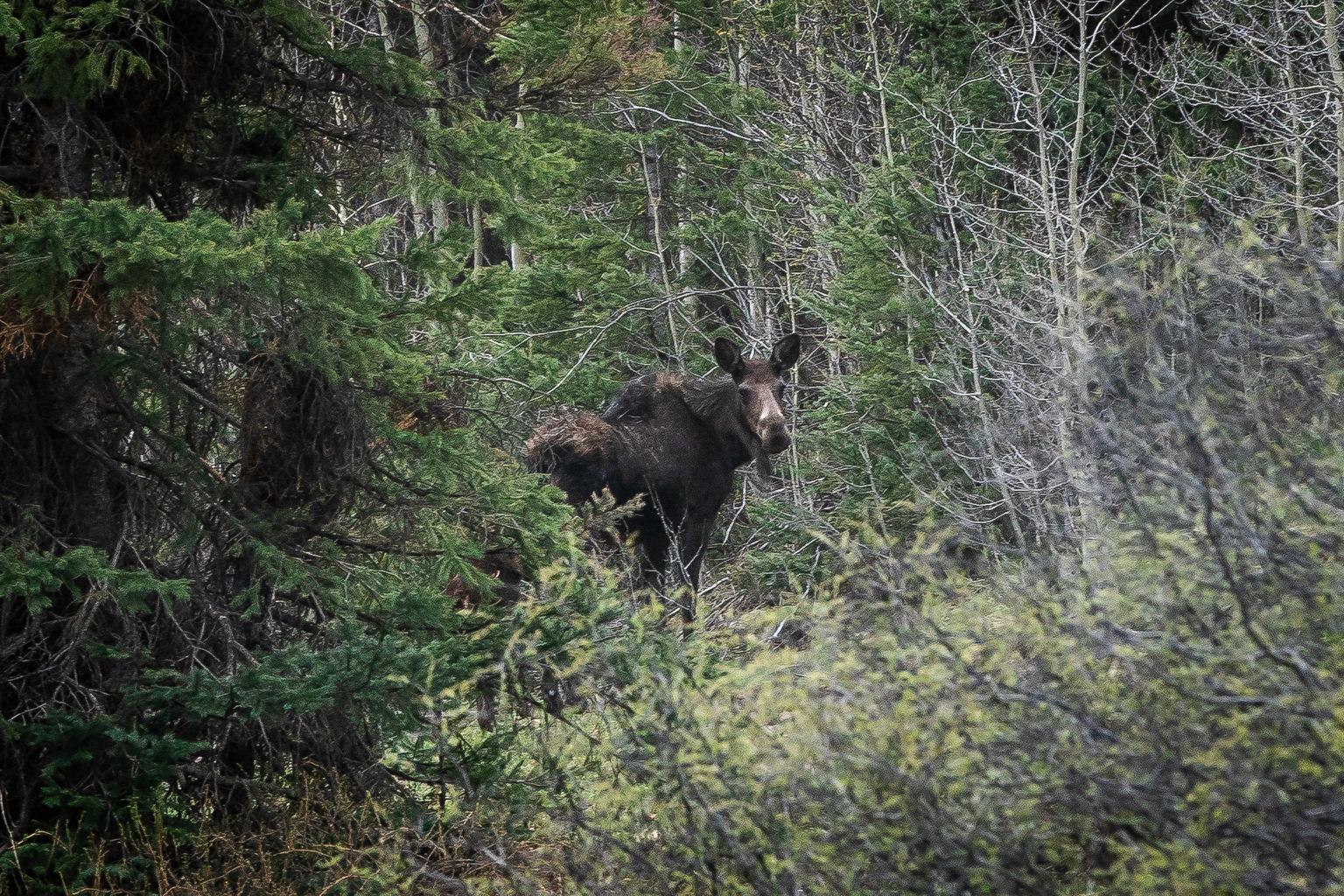
Colorado’s latest roadmap for protecting its most vulnerable wildlife, the State Wildlife Action Plan from Colorado Parks and Wildlife, received federal approval this month.
“To be eligible for State and Tribal Wildlife Grants, states have to update their wildlife action plans every 10 years,” said State Wildlife Action Plan Coordinator Kacie Miller. “That approval allows federal grant dollars to come to Colorado for a full array of fish and wildlife species.”
Colorado currently receives about $1.2 million to $1.3 million a year through the program. The funding is aimed at preventing species from becoming endangered while supporting recovery and habitat protection statewide.
The plan helps determine which species and habitats will receive attention through 2035, how conservation dollars are spent and how state agencies and partners coordinate their work.
The 2025 plan responds to a growing list of conflicts with wildlife as human activity continues to expand. “Over the last 10 years, we’ve seen compounding threats in Colorado,” Miller said. “Increased drought and climate concerns, loss of habitat and development are all happening at the same time.”
According to the report, these changes, along with energy projects, farming and recreation, all break up natural habitats, pollute water and soil and make it harder for animals to find food, shelter and mates.
As cities grow, rainwater runs off pavement instead of soaking into the ground, streams carry more pollution and wildlife is increasingly confined to smaller, disconnected patches of land.
At the same time, invasive species, disease and pollution are spreading while climate change is intensifying wildfires and stressing already limited water supplies.
Many species are affected by more than one of these threats at once. Fish and amphibians are especially vulnerable to changes in water quality and river flows, birds and bats face risks from development and energy infrastructure and insects are declining as habitats disappear and pesticides reduce their food sources.
The plan found that nearly all major habitat types in Colorado are affected — including grasslands and prairies, rivers and streams, wetlands, sagebrush shrublands and forests and alpine areas. Water-dependent habitats, like rivers, wetlands and streamside corridors, are among the most heavily impacted.
“There’s some sobering information in the plan,” Miller said. “This was the first time we did a really robust climate change assessment, and it shows which species are most vulnerable and why.”
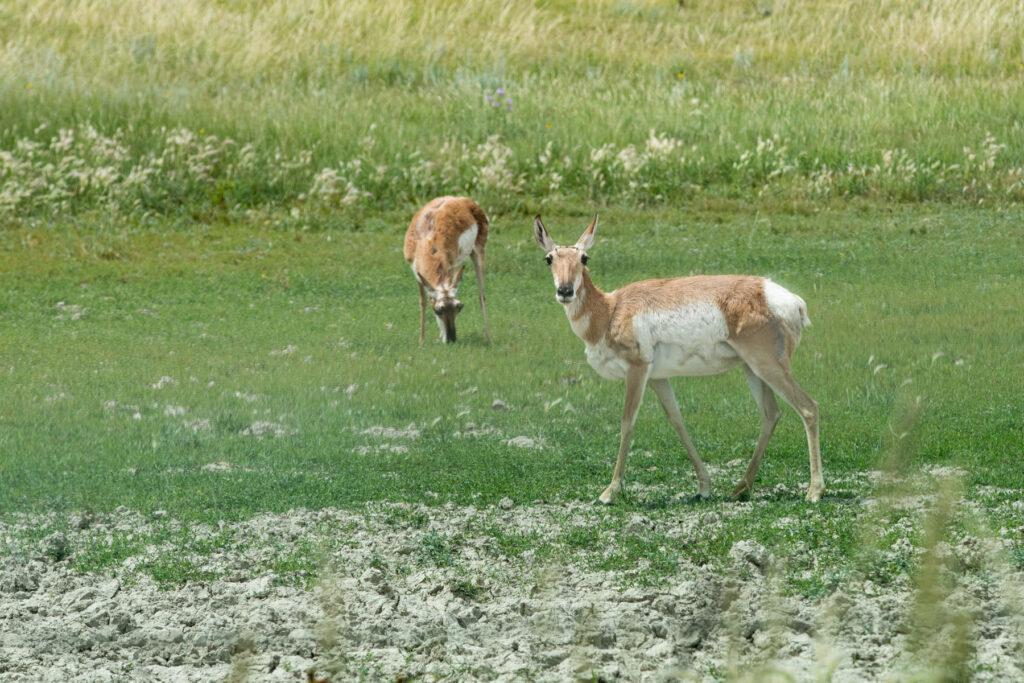
Along the Front Range and eastern plains, rapid growth is putting pressure on grasslands, riparian corridors and wetlands near cities and towns. Water use is also a major factor, as diversions and runoff affect rivers and streams that wildlife depends on.
“We’re really drawing attention to the species most impacted by development and thinking about best management practices we can recommend,” Miller said. “That way, there’s consistent messaging no matter who owns the land.”
On the Western Slope, water management, energy development and climate change play an outsized role. Rivers and streams that support native fish are heavily altered by dams and diversions, while sagebrush shrublands and lower-elevation forests are increasingly fragmented by roads and energy infrastructure.
At higher elevations, warming temperatures and changing snowpack are shrinking habitat for cold-adapted species like Canada lynx, wolverines and American pikas.
Familiar species at risk
Many of the species identified as top conservation priorities over the next decade will be familiar to Coloradans. They include the lark bunting, Colorado’s state bird; mountain bluebirds; prairie dogs; American pikas in the high country; Canada lynx and gray wolves; and the greenback cutthroat trout, the state fish.
Pollinators also stand out. The plan lists monarch butterflies and multiple native bumble bee species among those most in need of conservation, as habitat loss and pesticide use continue to take a toll.
“We certainly need continued support for these species,” Miller said. “The funding we receive now isn’t enough to implement the entire plan, which is why partnerships and additional support are so important.”
Under the 2025 plan, conservation dollars are not spread evenly. Species are ranked into tiers based on how vulnerable they are, whether Colorado has a high responsibility for their survival, and whether threats are likely to worsen in the next decade.
“Tier One species are the most vulnerable and help highlight where our biggest concerns are,” Miller said. “Species of Greatest Information Need are different — we believe they may be declining, but we need more data to fully understand what’s happening.”
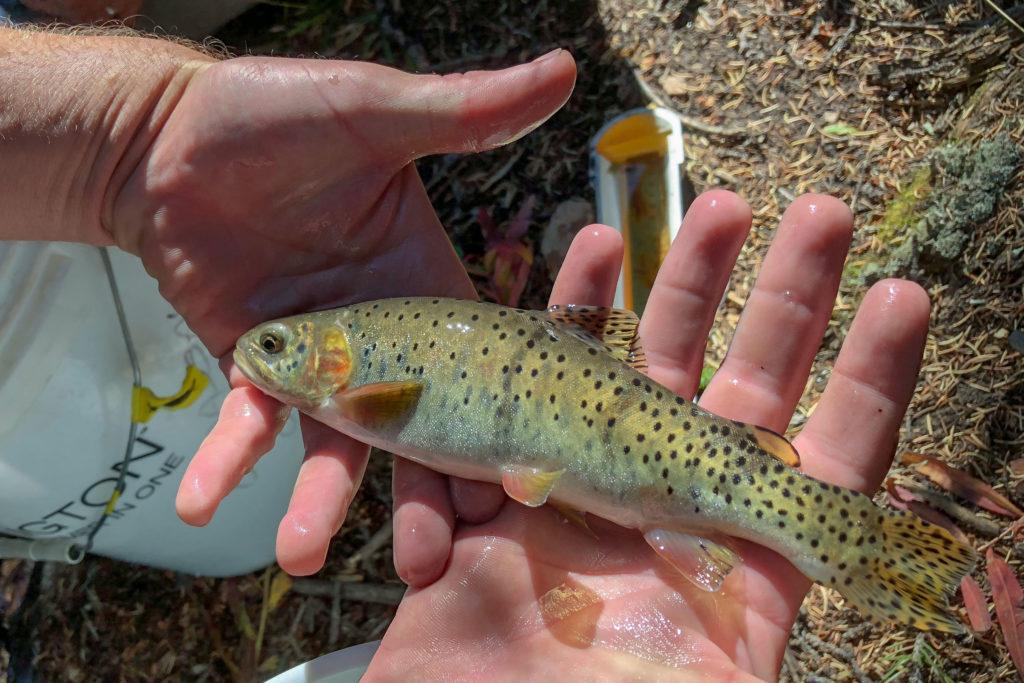
The plan also steers money toward habitat-based projects, like restoring rivers, wetlands, grasslands and sagebrush, because those investments can benefit multiple species.
“When you focus on an entire habitat — like a forest or a wetland — you can benefit a whole suite of species at once,” Miller said. “Healthy habitat supports many species throughout their lives.”
Wildlife officials say progress will be tracked through monitoring and data updates, but the plan itself does not mandate spending levels or timelines, making follow-through and future funding decisions key to its success.
“This is the first time CPW has had a State Wildlife Action Plan Coordinator position,” Miller said. “Now that the plan is approved, we can focus on implementation, tracking progress and making more of that information public so people can see what’s being accomplished.”
Alongside the plan’s approval, CPW has launched a new collection of digital resources that make key components publicly available. That includes species rankings, habitat information and supporting data used to guide conservation decisions.
“This is a living document,” Miller said. “Conserving wildlife relies on people. We want folks to stay engaged, pay attention, and continue enjoying the wildlife of Colorado.”
CPW says expanding access to this information is meant to increase transparency and help conservation partners, researchers and the public better understand the state’s wildlife priorities.
The agency says the plan is designed to remain flexible, allowing priorities to evolve as new data emerges.