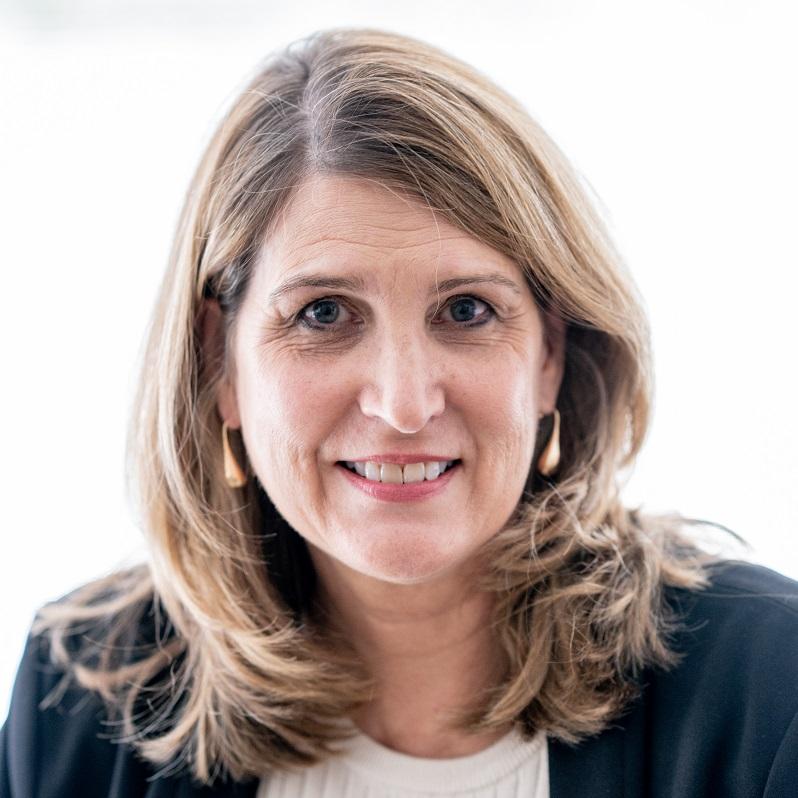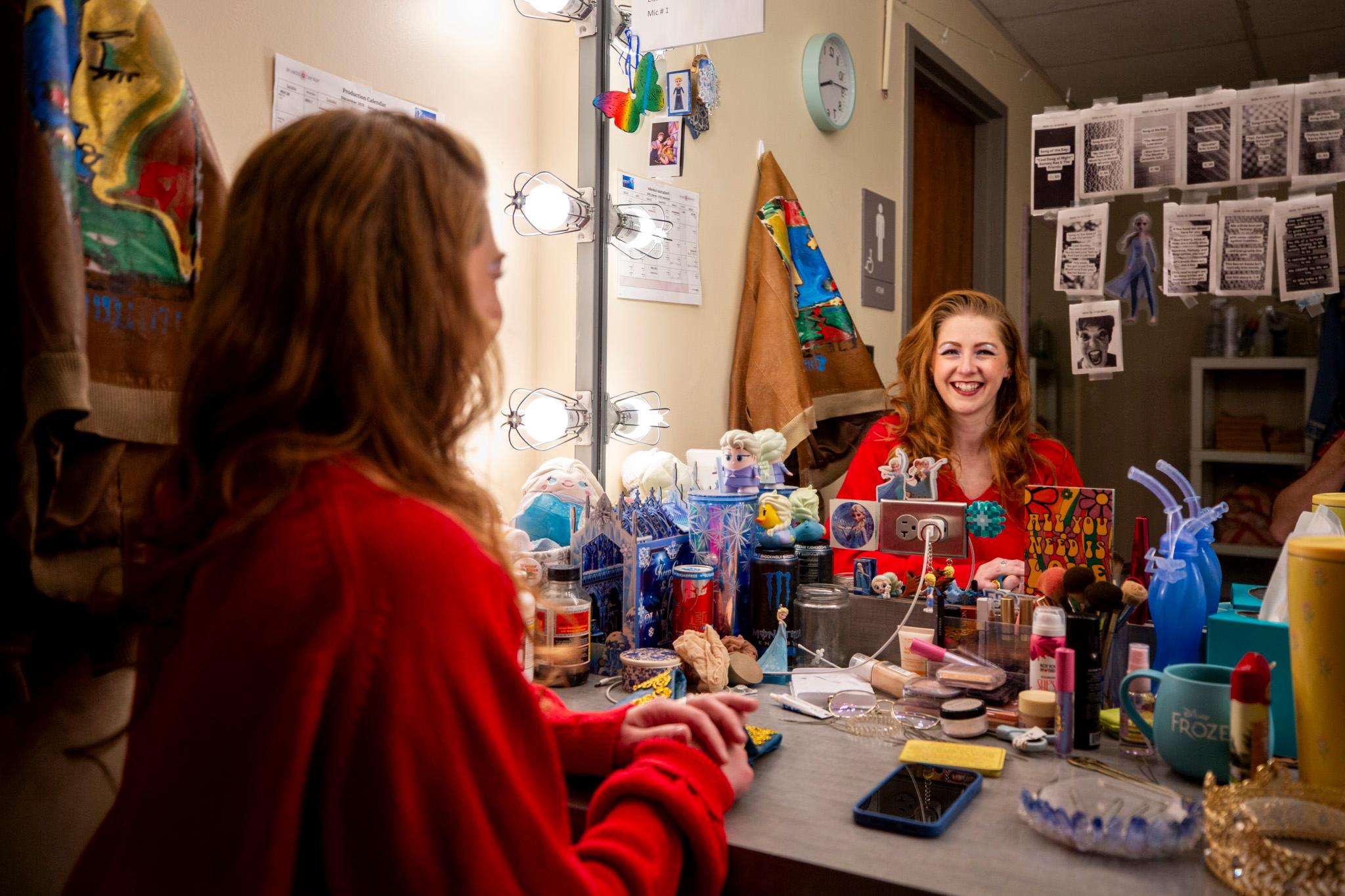
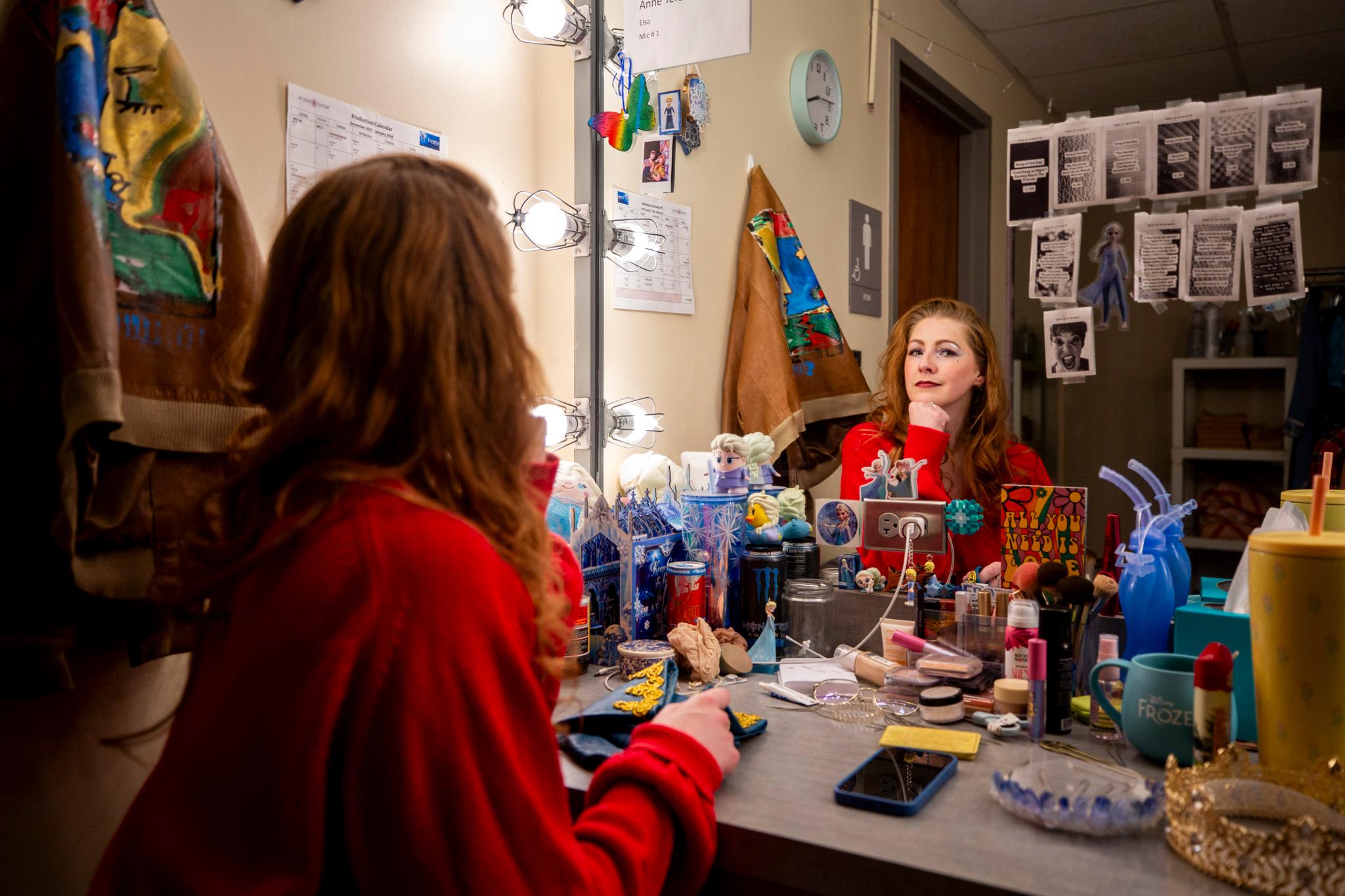
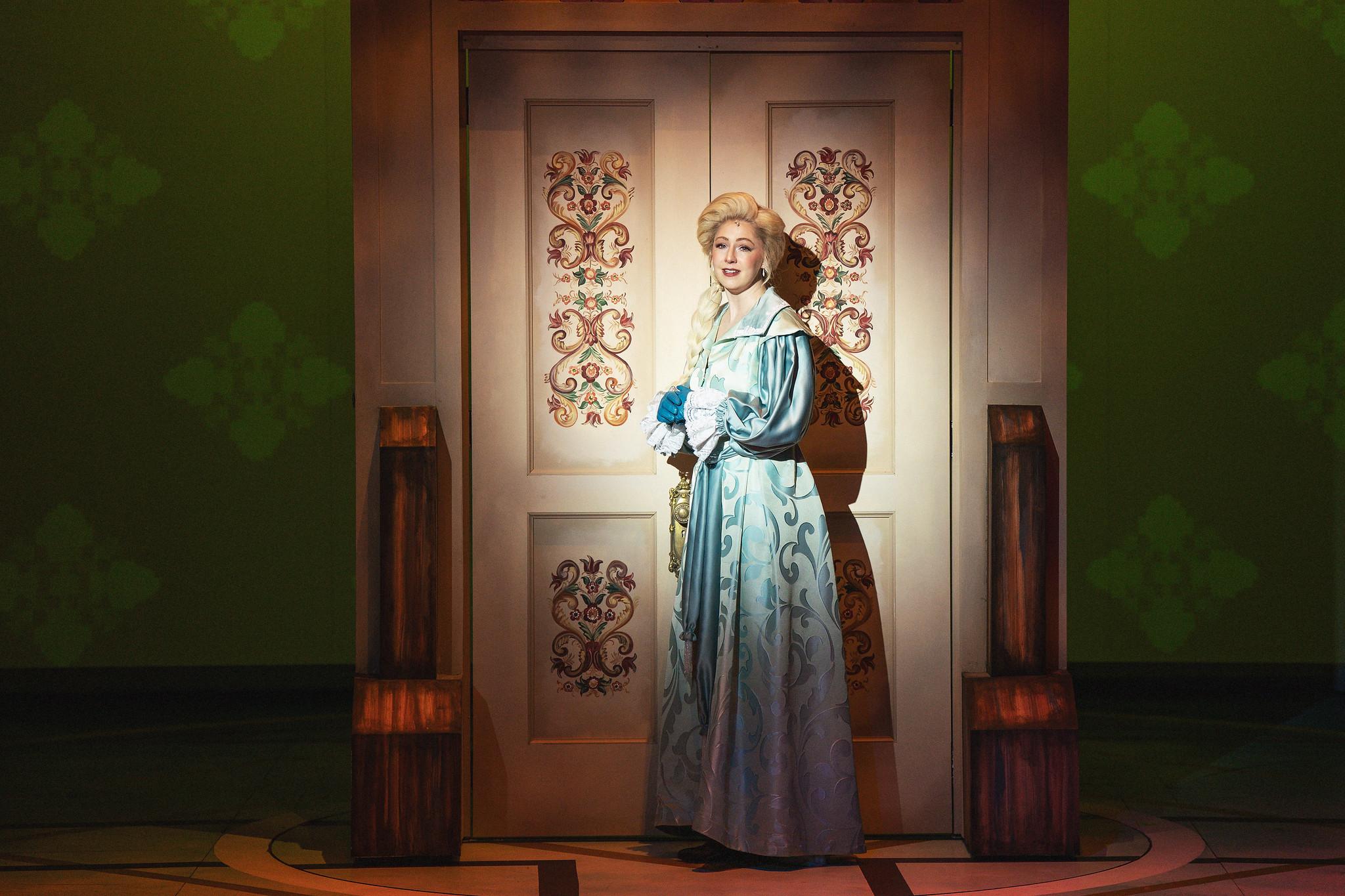
Today, we “Raise the Curtain” on Anne Terze-Schwarz as part of our series highlighting local theatre talent. The Colorado Springs actor’s recent star turns in “Waitress” as Jenna and “Frozen” as Queen Elsa have made her local theatre royalty — no pun intended. Read and listen to more of our artist profiles here.
“Were you Elsa?”
Anne Terze-Schwarz looked down at the wide-eyed face of a young girl, eager to learn if she was actually meeting the belting Snow Queen herself. Another little girl asked the same question. Then another. Terze-Schwarz had just finished a New Year's Eve performance of Disney’s “Frozen” and found herself surrounded by the small theatergoers at the stage door of the Arvada Center for Arts and Humanities.
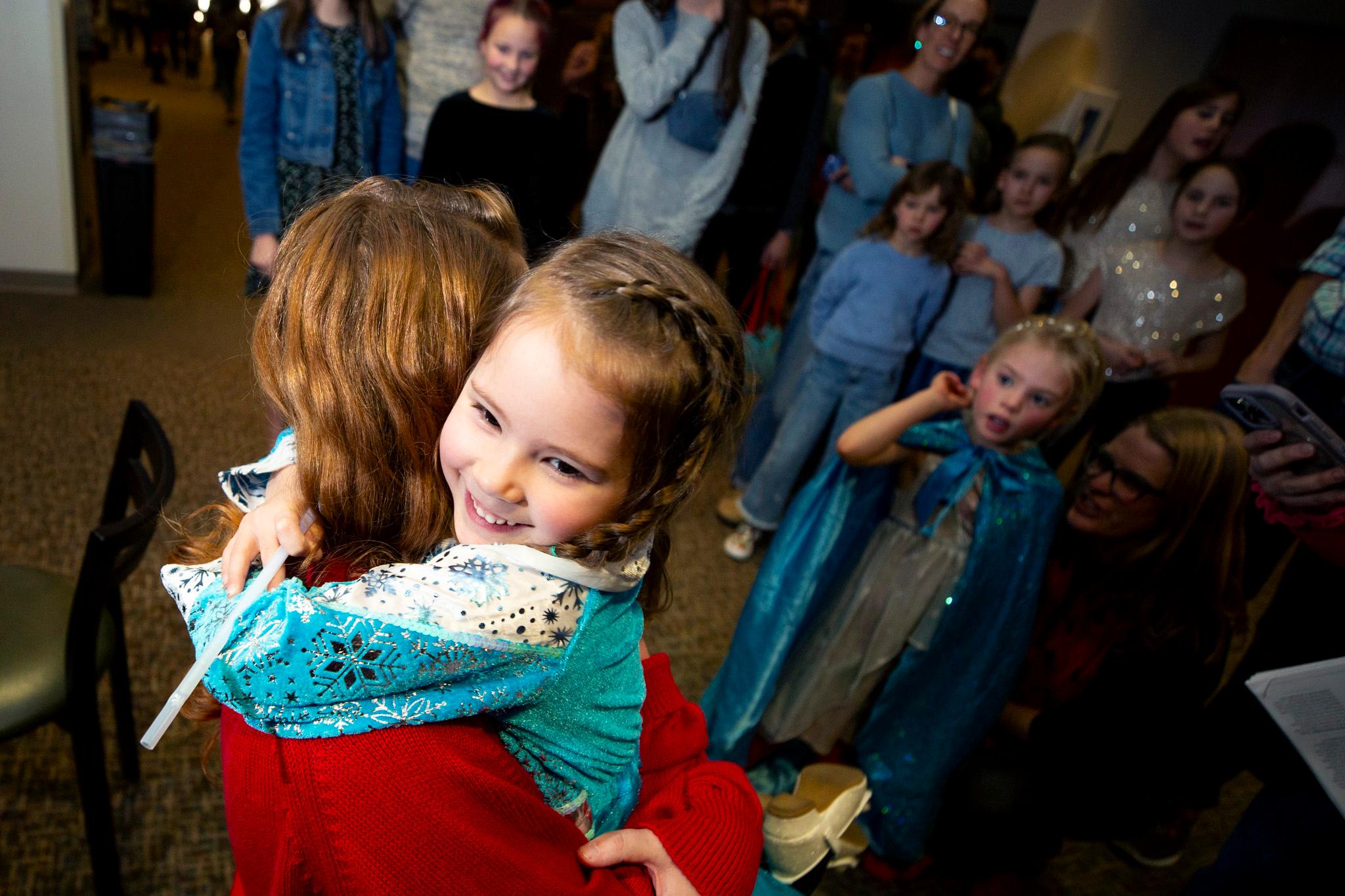
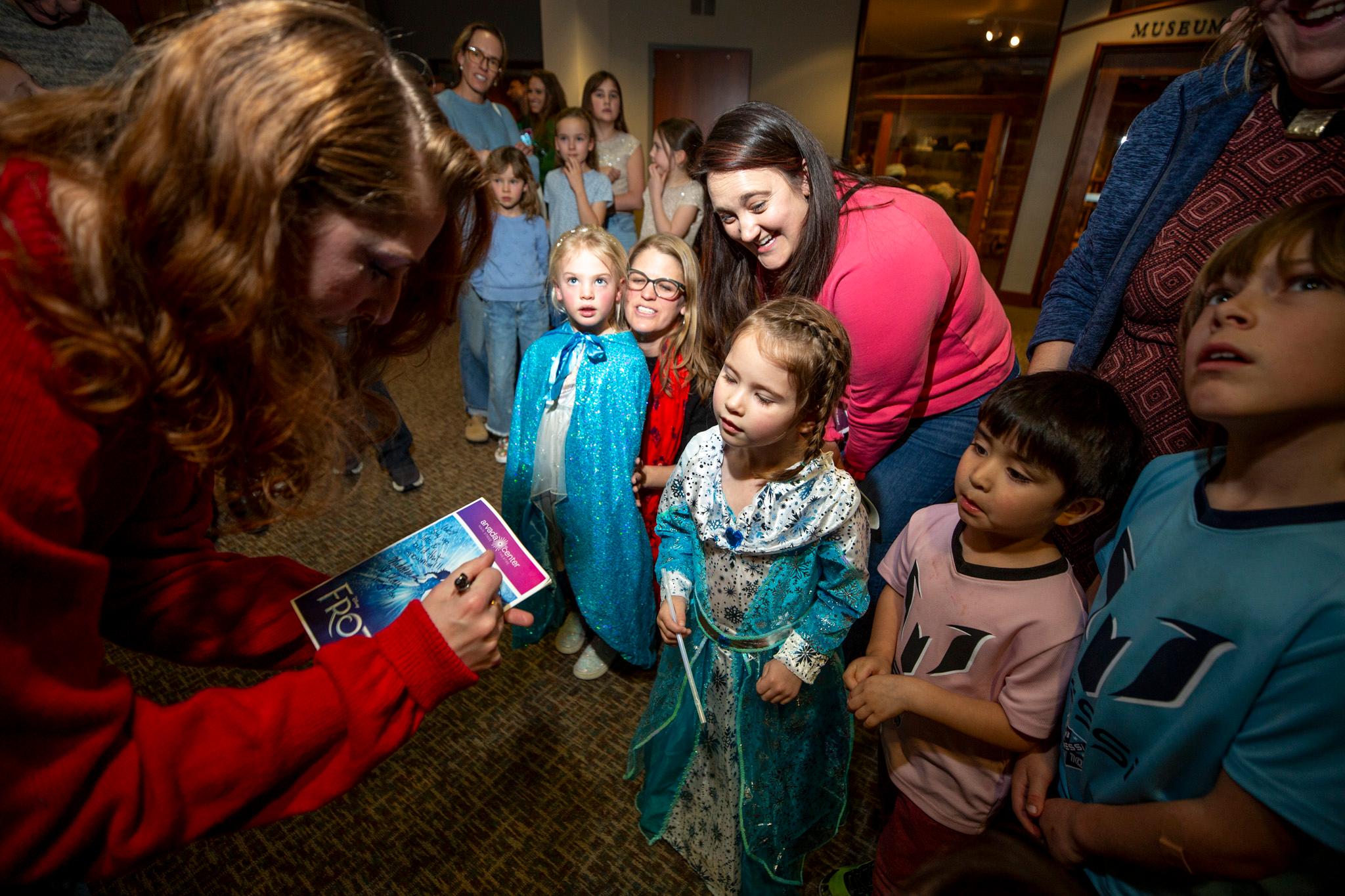
At 5’9” and dressed regally by costume designer Emily Valley, Terze-Schwarz towered powerfully — even supernaturally — on stage. But she now knelt down to meet her smallest audience members face-to-face. Some asked for her autograph. Others wanted pictures — or hugs.
The more precocious offered up impromptu press conferences, peppering her with questions like "How do I get to Broadway?"
“My favorite one was this little girl — with eyes to kill — said, ‘Why aren't you wearing your dress?’” the Colorado Springs actor said. “And then she was too scared to touch my hand to high-five because she thought I was going to freeze her.”
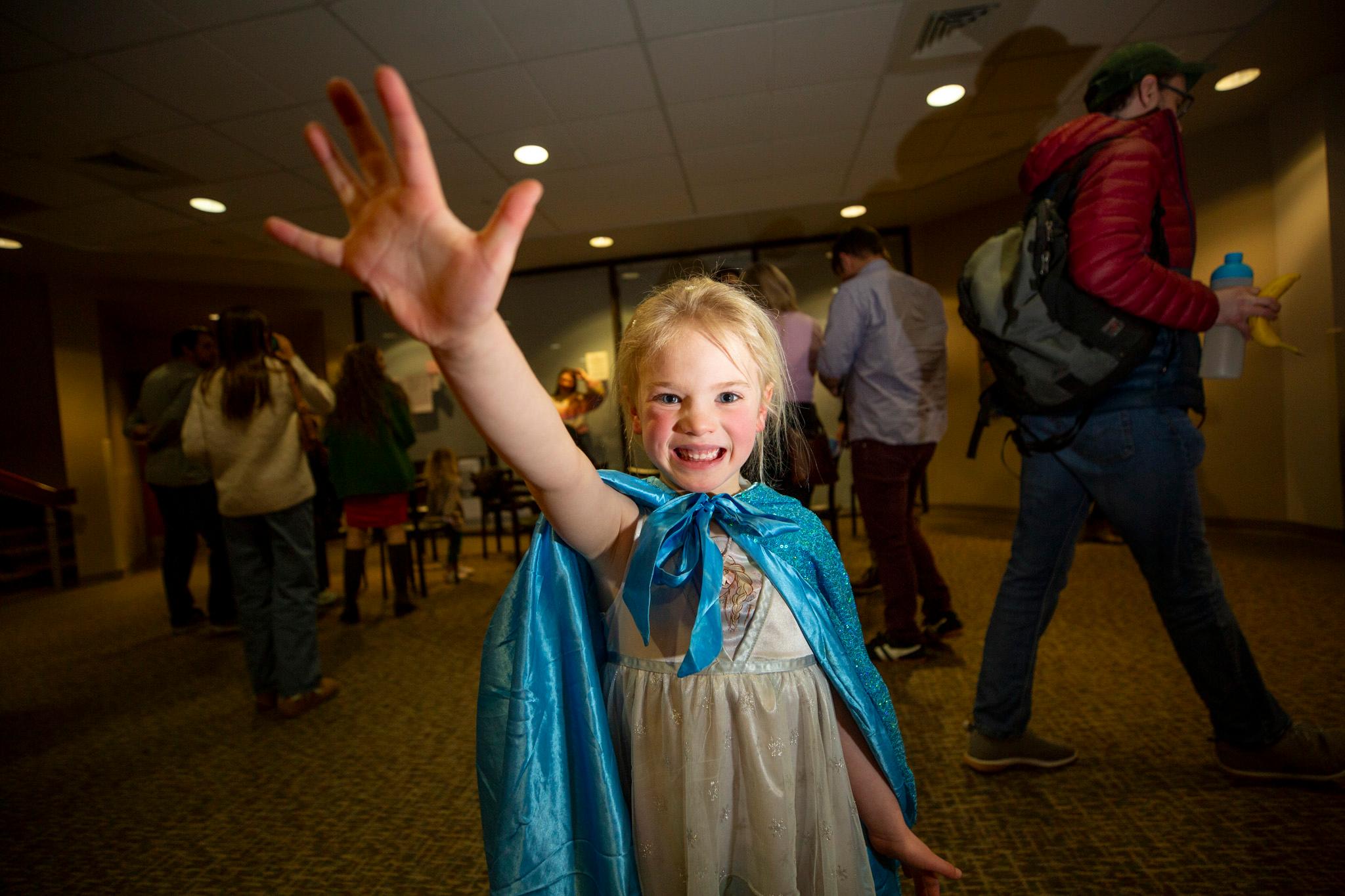
Terze-Schwarz said she loves being able to show theater’s youngest fans the magic behind the performance — and who she is when the crown and cape come off.
“Sometimes people think, ‘Disney, oh, we're not changing lives,’ but you kind of are,” she said. “You get to see it in these little kids' faces every time you come off, and their eyes are all big, and they're still processing. They're like, ‘How did you just do that?’ They get to comprehend what it means to be an artist and see the magic up close.”
For many who know Terze-Schwarz, these moments come as no surprise; they are emblematic of an actor whose first listed attribute after talent was kindness, according to everyone CPR spoke with.
“She’s just a dream,” Lynne Collins, the artistic director of the Arvada Center, said. “I've worked with her two times. She's been the star of those productions and never had the moment of ‘diva needing special treatment because she is the star.’ She's just really decent and kind and talented — and you don't get all those together all the time.”
In many ways, Elsa was a fitting character for Terze-Schwarz to tackle. Not just because she has the skills to take on the technically challenging role, but because Elsa struggles to balance all of life’s pressures — including family challenges and mounting expectations.
The kid who couldn’t stop singing in class
Terze-Schwarz was born in Plano, Texas, but moved to Colorado Springs shortly thereafter and considers herself a Coloradan. She signed up to sing with the Colorado Springs Children’s Chorale at 8 years old, after her older sister, Cate, joined.
“When she started, she was a little shy,” executive director Marcia Hendricks said. “She quickly came out of her shell through her love of performing.”
Cate would end up leaving to play sports.
“And I said, ‘That's fun. I'm going to stay doing this,’” Terze-Schwarz joked.
She ended up spending nine years singing with the group, which included trips to Japan, New Zealand, Carnegie Hall in New York City and the Sydney Opera House.
“I just remember this gorgeous space, this brilliant, beautiful, massive theater that was just stunning,” Terze-Schwarz said about visiting Australia in a choir full of kids. “I was so tired, and I was like, ‘I wish I could appreciate this more.”
She described the kids being rushed from tourist stops to gigs to airports. The schedule was so tight she remembered seeing her choir director standing on the stage of the Sydney Opera House brushing his teeth.
“We had to fit everything in,” she said. “We all kind of smelled a little, because we're wearing the same clothes we've been wearing. It was crazy, but this incredible, remarkable opportunity.”
The group also did numerous shows back home in Southern Colorado.
“I remember we did this small little concert at an art gallery, and we sang this really beautiful song that I had a solo in,” she said. “The person whose art was on display, as a thank you to us and to me, gave me one of their pieces. And I have it in my house now. It was really lovely.”
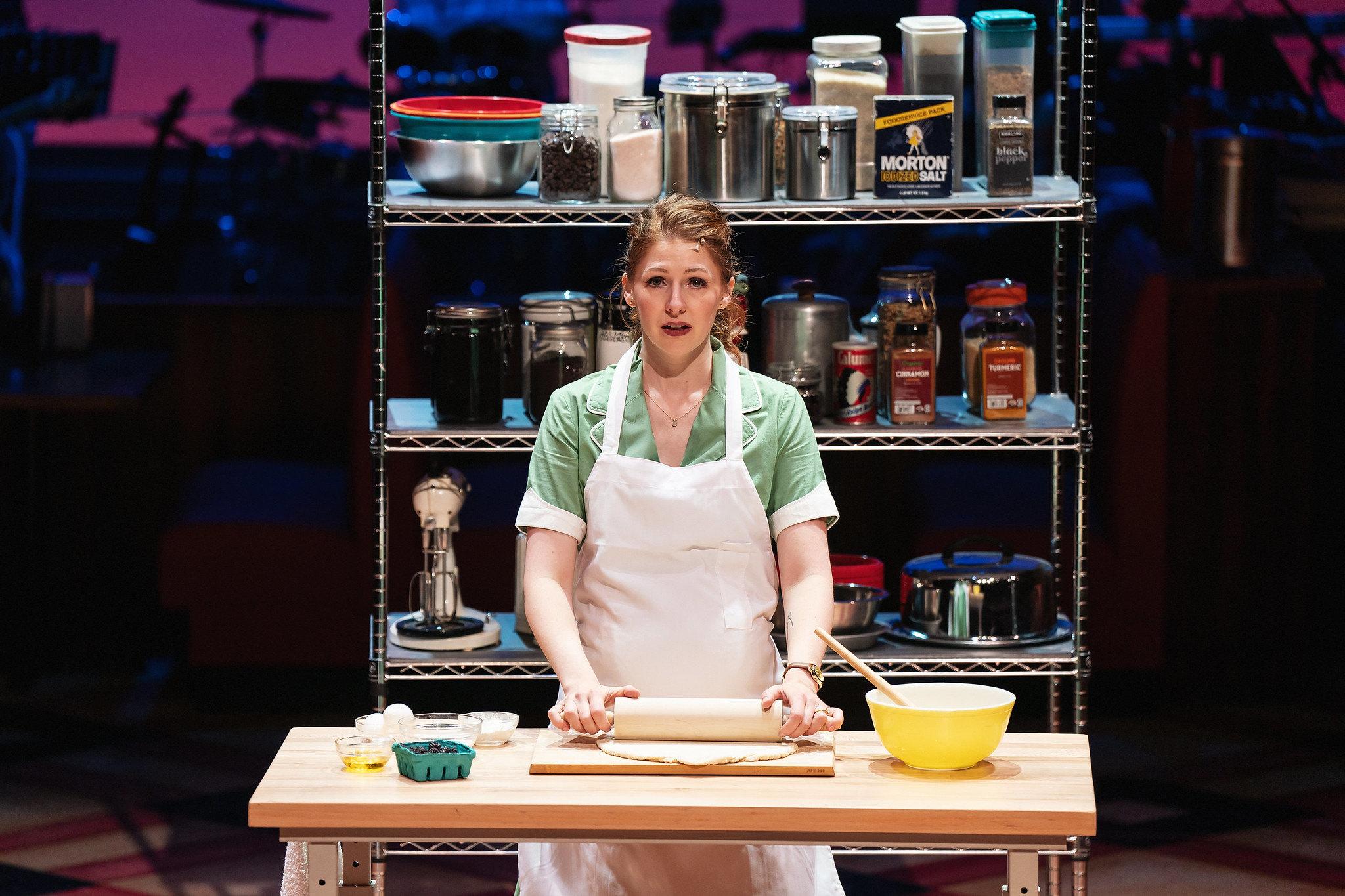
That talent grew into a voice that longtime Colorado theater critic John Moore described as “built for Broadway” when recognizing Terze-Schwarz with a True West Award after her star turn as Jenna in a 2024 production of the hit musical “Waitress” at the Arvada Center.
Collins, who directed “Waitress,” said Terze-Schwarz was the first person to walk in for callbacks for the lead role.
“She sang and did the scene. When she walked out, I turned to the rest of the team and said, ‘Okay, well that's done. We found our star.’ I was sort of kidding, but she just blew us away.”
After an award-winning performance in “Waitress,” Collins said they went “straight to offer” for the role of Elsa.
That sort of decision is a credit to not only Terze-Schwarz’s talent but also the hours she put in off-stage.
“She was always eager to learn and try new things,” Hendricks, from the children's chorale, said. “She loved working with our vocal coach, choreographers and her beloved conductors. She soaked up everything.”
Arielle Crosby, who co-starred as Becky in “Waitress,” was impressed with the way Terze-Schwarz goes “full out” all the time, whether it’s onstage or each day in rehearsal.
“It's actually crazy,” Crosby said.” “Her voice is so versatile as well, not just powerful.”
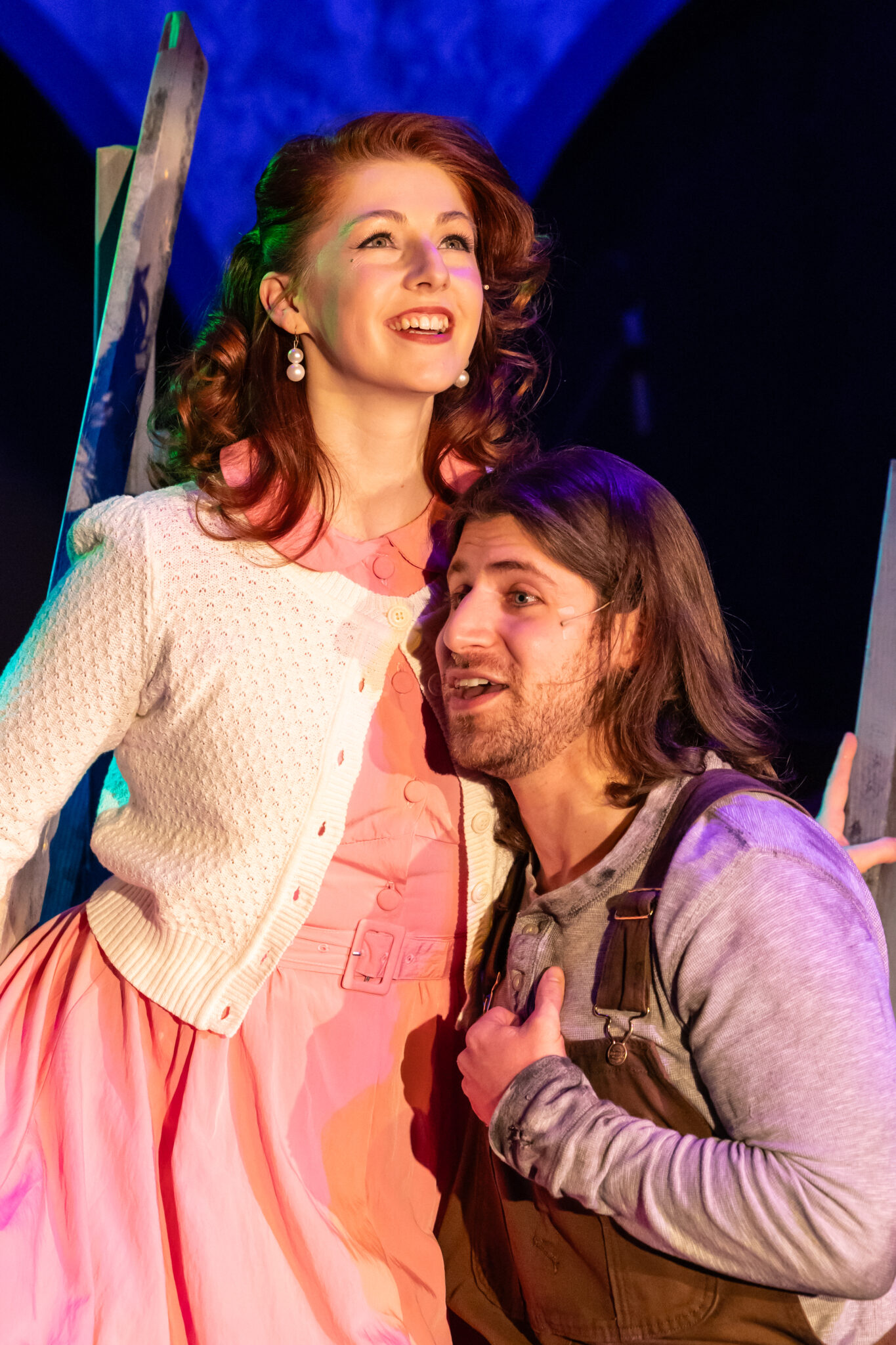
“She can make things look effortless from the stage,” said Robert Michael Sanders, who directed a 2024 production of “Urinetown” at the Town Hall Arts Center in 2024, where she played Hope Cladwell, the conflicted daughter of the show’s CEO villain.
And behind the scenes?
“She asks the right questions, does all the homework, and strives to show up with her absolute best at every rehearsal and every performance. She is a true team player and wants to make sure she is supporting the cast the best way she can,” Sanders said.
That drive has often pushed her to set aside praise and focus on improvement — on what could be better. “I don’t want to get complacent,” she said. But with the growing number of accolades came growing expectations.
While attending the University of Northern Colorado, she notched some notable performances, including Mother in “Ragtime.”
“That one made me realize, ‘Oh, I can be an actor too,’” she said.
Around that time, life happened.
Her mother, Marguerite Terze, was diagnosed with multiple sclerosis, a neurological and autoimmune disorder that disrupts information inside the brain.
“It's something we deal with as a family,” Terze-Schwarz said. “Sometimes that requires sacrifices.”
“(Terze-Schwarz) wields her voice like a crowbar and a butter knife.”
Marco Alberto Robinson, who played the love interest, Dr. Pomatter, in "Waitress"
After graduating with a degree in musical theatre and performing in Fort Collins, Terze-Schwarz moved to New York City. That’s when her relentless drive to do better proved to be both a strength and a barrier.
“I am a perfectionist, but just for myself,” she said. It kept her from auditioning. “My perfectionism would keep me from entering the room because if I didn't feel like I was prepared or presenting something that was worth their while, I was like, ‘I'm not going to waste their time at all.’”
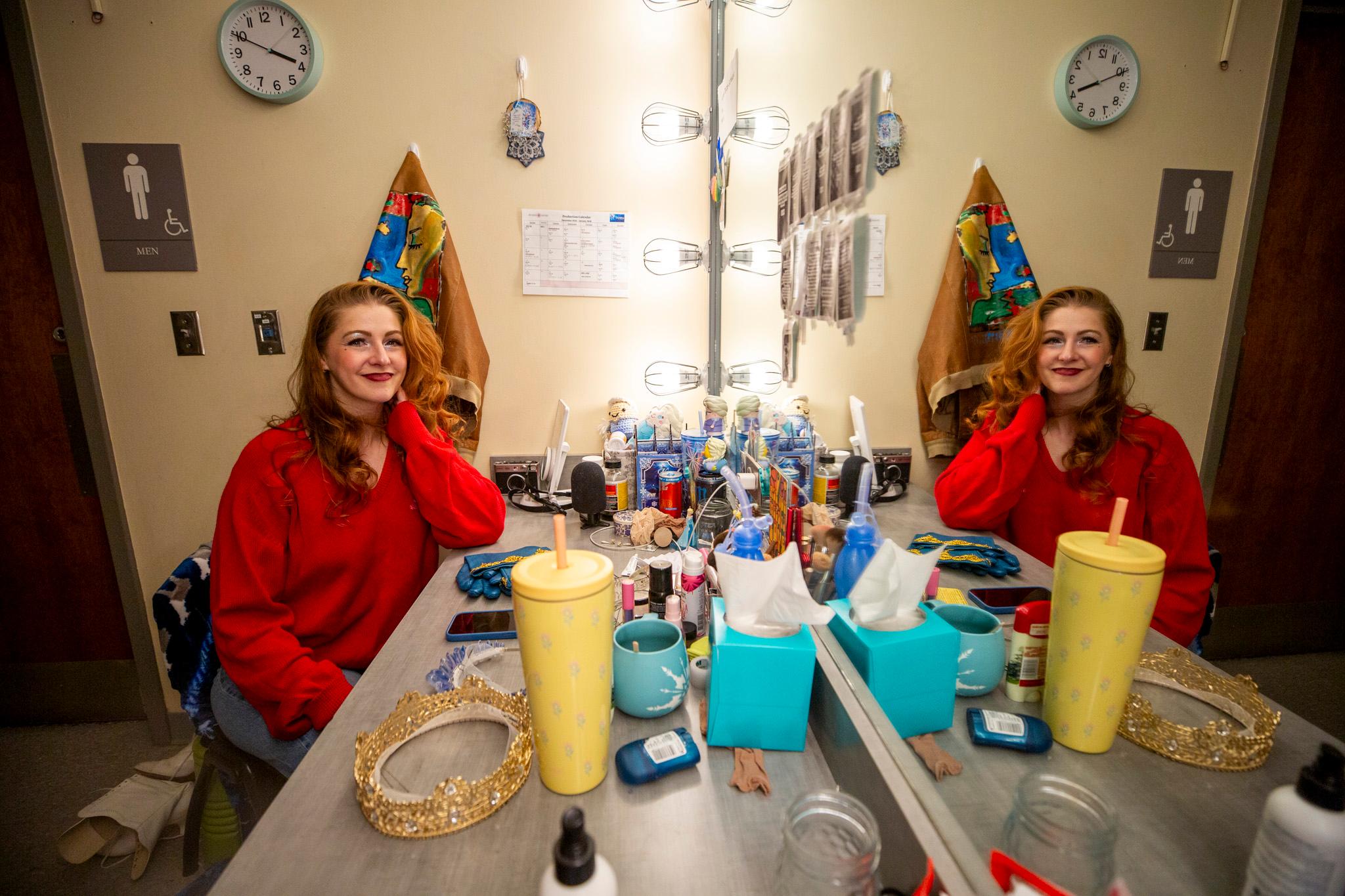
“And that was me getting in my own way.”
The perfectionism led to anxiety — which led to panic attacks. She built what she called a happy life in the city filled with friends, seeing shows, and even calls to perform back out West. But after four years in New York, the Colorado performer would only end up submitting one audition.
“The anxiety of auditioning took away from the comfort of living there. I kept myself from being able to do that.”
The joy of complicated characters
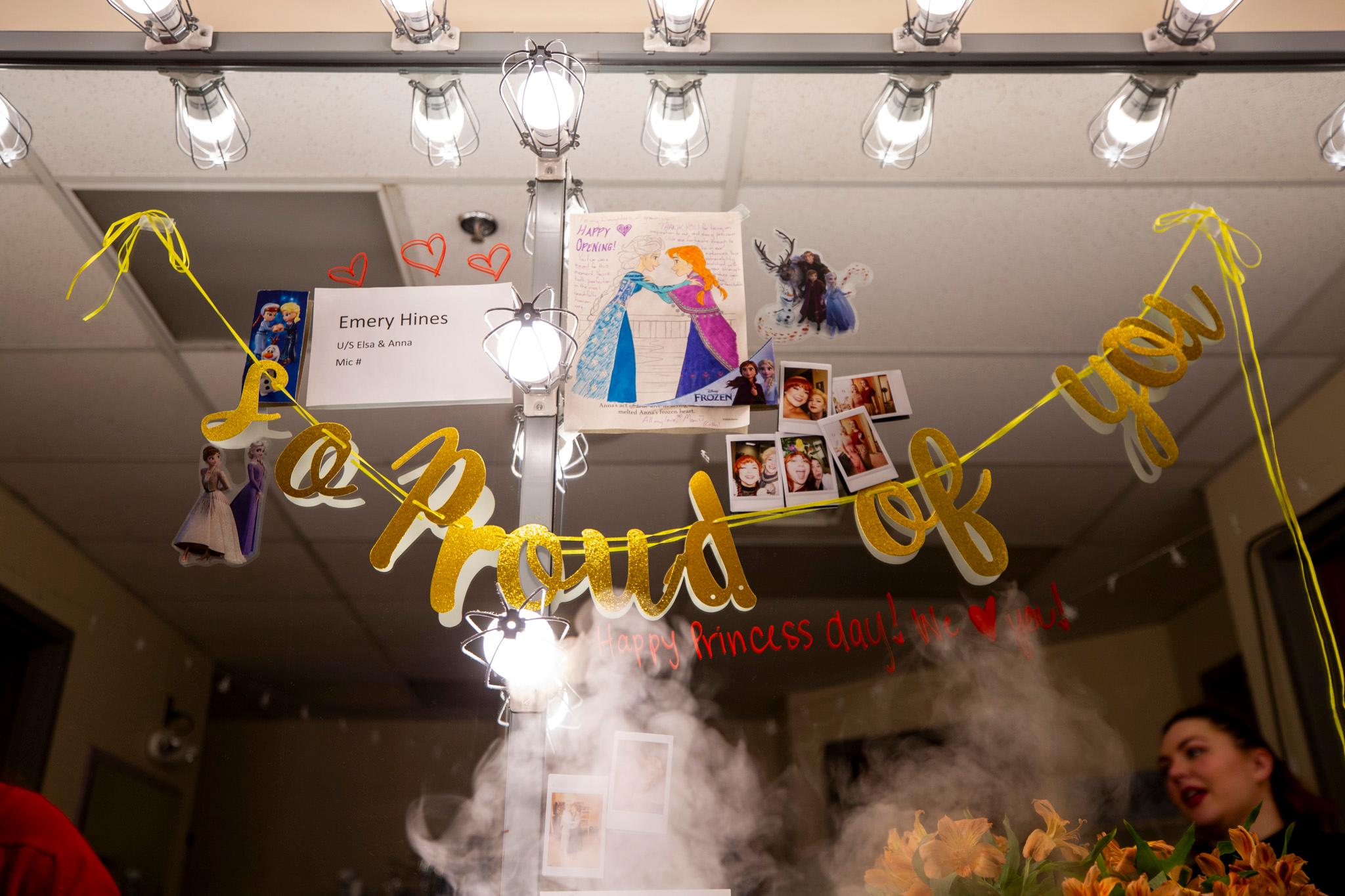
During a summer gig providing vocals for a music and magic show a few years ago at the Lagoon Amusement Park in Utah, Terze-Schwarz began writing “I am not a robot” on her dressing room mirror — with a box to check next to it.
“I had to tell myself not to let it affect the rest of the show if I make one mistake,” Terze-Schwarz said.
She wrote it on her mirror in her next show, and the one after that, until it became a mantra — a reminder to not let her perfectionism stop her anymore.
“Sometimes I have a hard time putting that away,” she said.
“It's really just (Elsa’s) chance to finally not feel so frozen in her own life. Elsa just feels stuck, and everyone feels that way. So it's kind of letting things ease into it and discovering what you really can do without fear — which is ironic because that's how I felt about the song … It was terrifying for the first hundred-thousand times I did it.”
Terze-Schwarz on singing “Let It Go”
There are moments of interplay between the roles Terze-Schwarz has portrayed and her own life; it’s hard to not draw parallels.
The lead character Jenna from “Waitress” is one Terze-Schwarz has felt the most in touch with. The play revolves around a diner worker with an uncanny — and potentially lucrative — ability to bake pies, a gift bestowed by her late mother. But fear, embodied in the play by an abusive husband who discourages her talents, keeps Jenna from pursuing her dreams.
“The complicated women are the most fun,” she said. “You sort of have to be connected to (Jenna’s) story in order for it to ring true — not that I've ever been in that (specific) experience.”
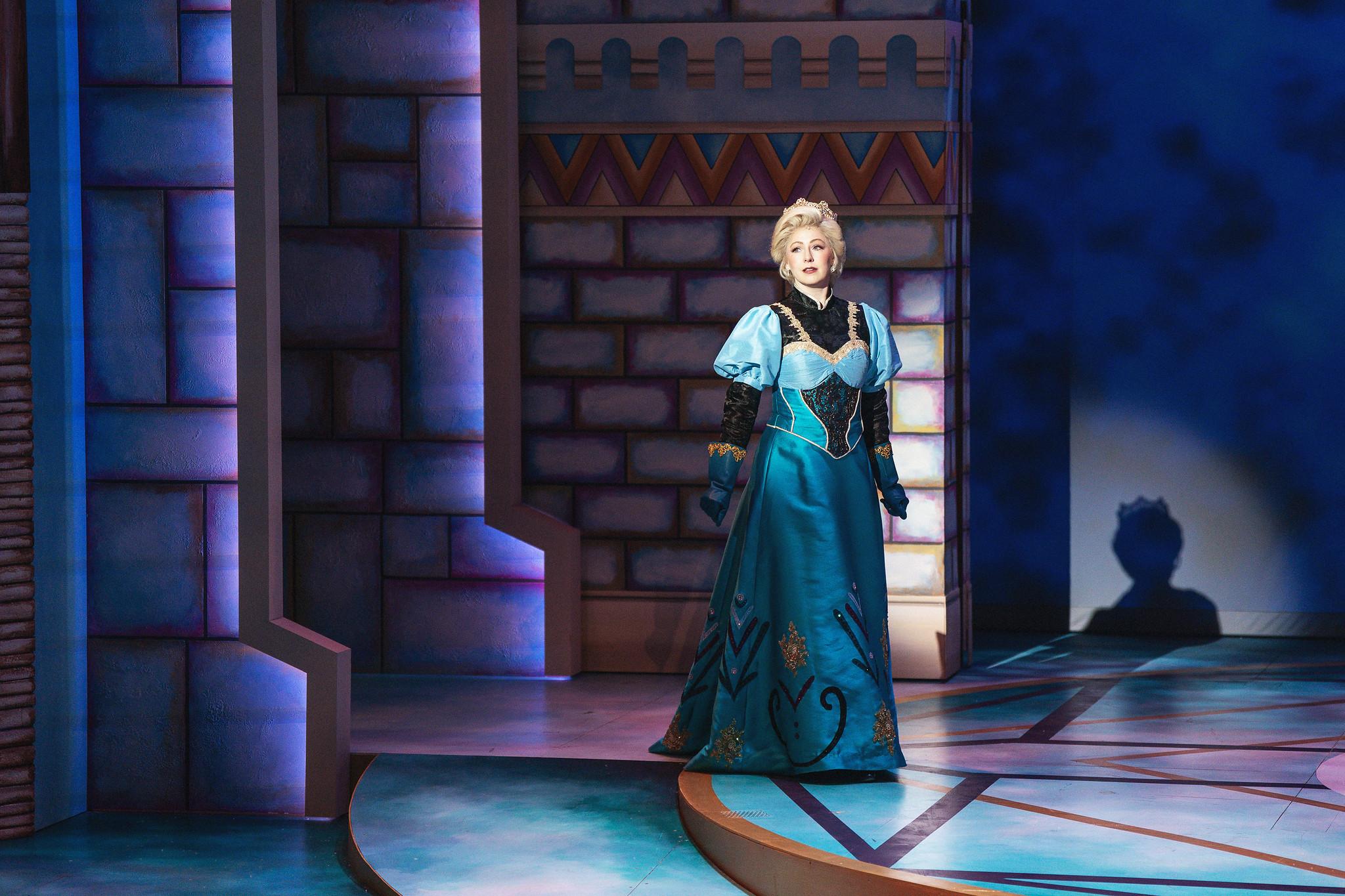
For her, the chance to let a performance embody what she feels as a person (joy, fear, exhaustion, excitement) is why she evolved from singing to acting — and moved from the chorale to musical theatre. She lets her characters sing, imperfections and all.
“The ability to tell a story and move people with or without song is what made me fall in love with theater,” she said. “It's what connects me to people and sometimes connects me to parts of myself I didn't realize.”
“She’s an actor who happens to have a beautiful voice,” Collins said. “She just tries to find the truth and the honesty in what she's doing.”
Collins described watching Terze-Schwarz in “Frozen” and “Waitress” working to find where to place her tears and not interfere with the song.
“When you're acting in a non-singing role, you can just cry and do all the things a real person does when they cry,” Collins said. “When you have to sing through tears, you have to have a lot more control of your cry.”
“Everything that she does on stage is very genuine and heartfelt,” said Jenna Moll Reyes, who played Dawn in “Waitress” alongside Terze-Schwarz and attended UNC with her. “You see that vulnerability.”
That could be felt in her interpretations of Frozen’s tragic “Dangerous to Dream” ballad and Waitress’s showstopping song “She Used to be Mine” — with lyrics like “She’s imperfect, but she’s kind; she is good, but she lies; she is hard on herself; she is broken and won’t ask for help.” The latter show hinges on the delivery of the song’s dramatic build-up and a demanding climactic belt.
“You lay everything out there in ‘She Used to Be Mine,’ and there's this element of hopelessness and release of ‘What am I going to do next?” Terze-Schwarz said. “But she's not giving up at the end of the song. It's more of when you have so much anxiety or you're so stressed from the day and you're like, ‘I just need to go outside and scream for five minutes.’”
“Anne has a rare ability to invite an audience fully into a character’s inner life and carry them through the journey with complete honesty.”
“Frozen” director Kenny Moten
‘Making it work’
Terze-Schwarz's only audition in New York City landed her the job.
“I learned that 80 percent of that battle of anxiety is literally just showing up,” she said. “As performers, most of our job is rejection therapy. Learning to grow and continue on despite the ‘No’s.”
Only there was a catch: the job was a ticket out of town.
“I told myself I wanted to book a cruise so that I could travel, and then I did.”
That took her to port cities and steady work around South America and later (after the pandemic lockdowns eased) Europe. Life eventually brought her back on shore and home to Southern Colorado. That’s when she noticed a shift in her mother’s MS.
Terze-Schwarz was performing with the Colorado Springs Philharmonic at the Ford Amphitheatre on the 4th of July when she saw her parents had to leave early. Marguerite, who was now in her early 70s, did not feel well in the summer heat.
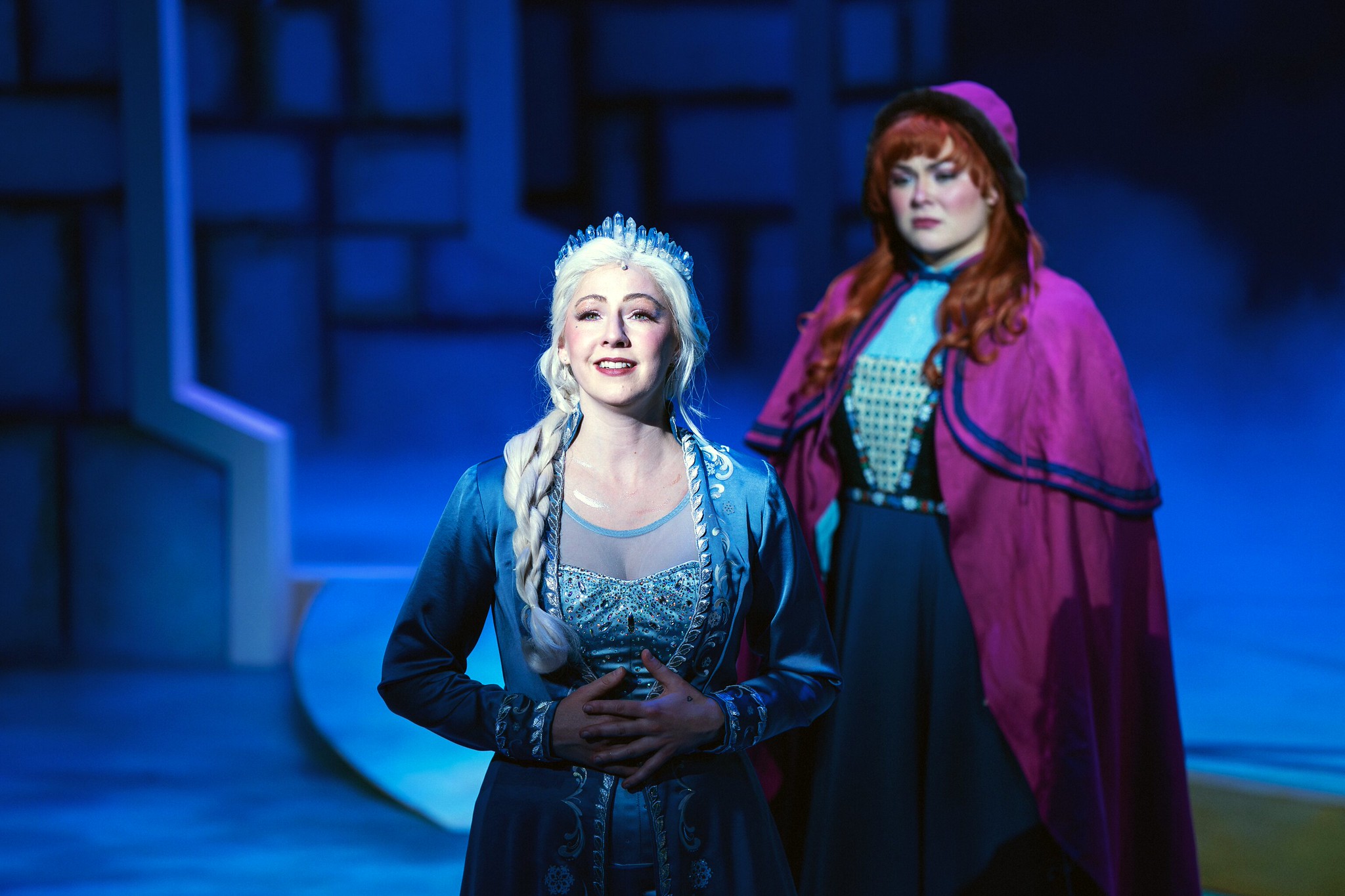
“I just remember having to walk them back,” she said. “And it just made me really sad because I realized how uncomfortable she might be just sitting in the sun. That was the moment it clicked for me. I thought, ‘Oh, this is real in a different way.’
“They didn't even get to stay for the fireworks.”
“Early on in the process of Frozen, I mentioned that I don’t have any sisters, and (Anne) so sweetly wrote to me on opening night ‘You may not have any sisters of your own, but you will always have me.’ And that has been, and is, such a gift.’”
Jennasea Pearce on playing Terze-Schwarz’s on-stage sister, Princess Anna, in “Frozen”
Terze-Schwarz decided then it was time to be around more. That meant shorter out-of-state gigs and shows closer to home. Her retired father, Rick Schwarz, was handling all the caretaking by himself. She began to help out more and recently launched a GoFundMe campaign to purchase new care equipment and make needed changes to her childhood home.
“As your parents get older, MS progresses,” Terze-Schwarz said. “But I'm able to find that balance of what really matters.”
That balance has led to success, with Terze-Schwarz bursting as an undeniable star in Colorado, with leading roles and recognitions piling up once again. “Frozen” sold out in its final week and became Arvada Center’s highest-grossing production in its 50-year history. More than 22,400 people came to see the show, second only to its 2008 production of “Les Misérables.”
“We all loved watching her grow into a lovely high school performer and continue to glow with pride as we attend her professional performances. Anne was also such a wonderful ambassador when we toured throughout the state, nationally and internationally.”
Marcia Hendricks, executive director of the Colorado Springs Children’s Chorale
Terze-Schwarz also noted that more and more talented people are moving to Colorado for its growing theater industry and thriving community. And there’s no shortage of roles — or auditions — to strive for. She'll perform in "Tenderly" at Theatre Silco this summer.
“It’s nice to be able to pursue my dreams and do the thing I love while also being able to be with and support the people I love,” she said.
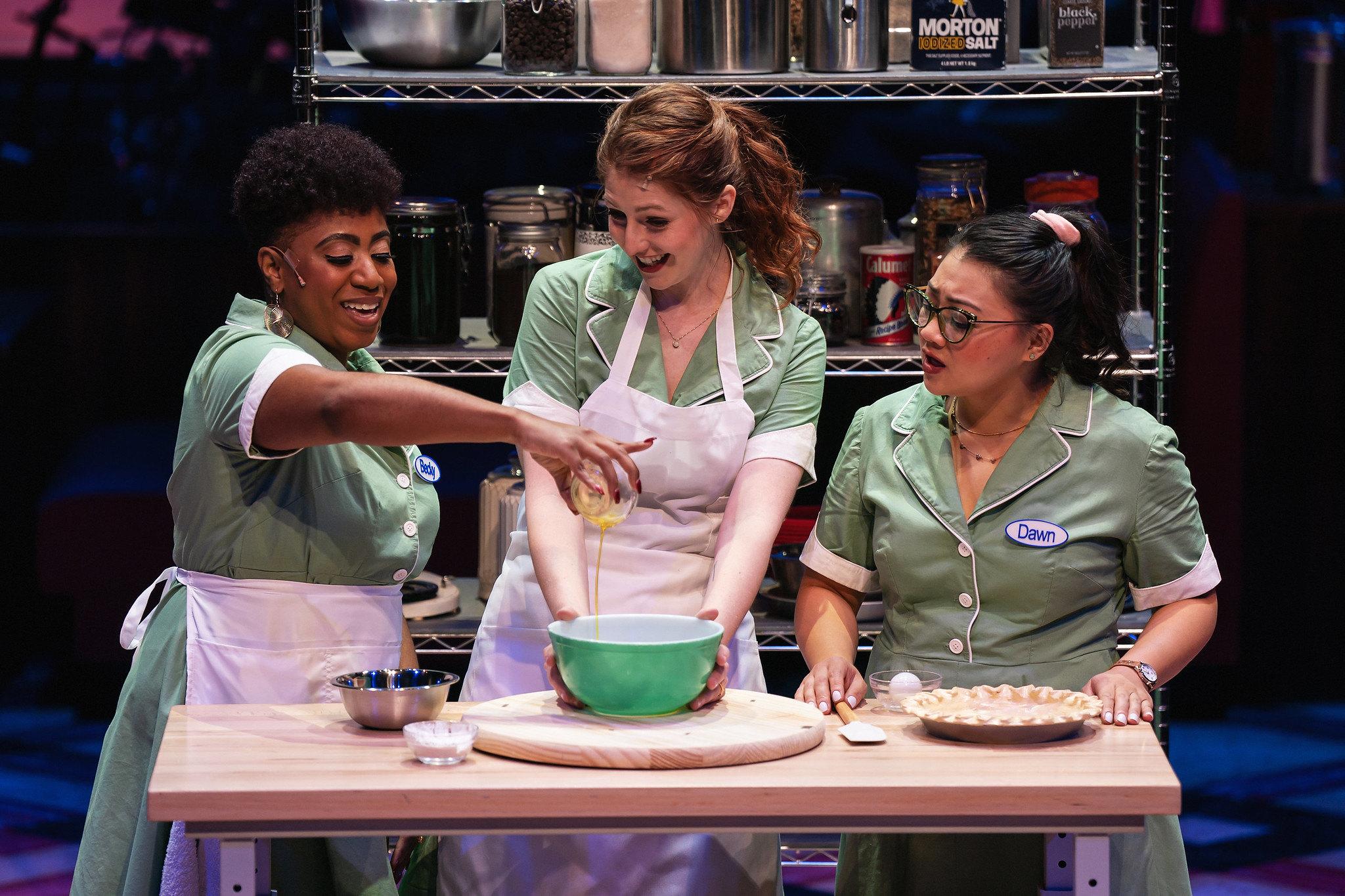
She looks forward to touring again in the future but plans to stay in the Springs for now. Her contemporaries believe Broadway will be there when the time is right.
“Whenever she and life are ready,” Reyes said.
She still strives to be perfect. “There’s always room for improvement.” But after her star performance in “Urinetown,” Terze-Schwarz tattooed her “I’m not a robot” mantra on her forearm — checking the box.
“It's so important for us to see performers as humans,” she said. “We're more than just dancing robots. There are human beings under there, which I think is what makes theater and art so special.”
| Alejandro A. Alonso Galva is the lead editor of our “Raise the Curtain” series. Stephanie Wolf provided editorial guidance. Ryan Warner is the senior host of Colorado Matters. Kevin Beaty is the visual editor. Alex Scoville and Shelby Filangi are the digital producers. Pete Creamer was our on-site sound engineer. |