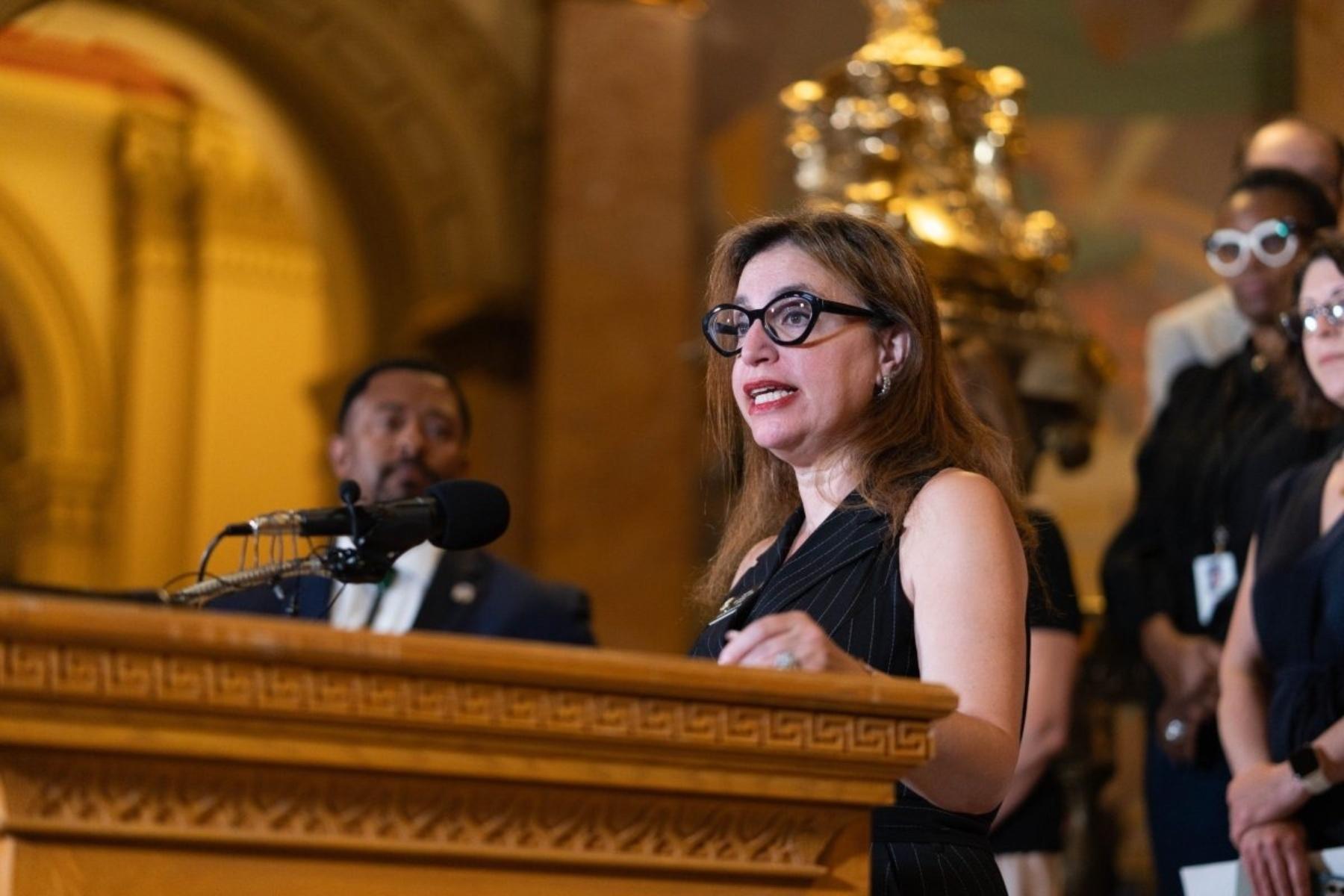
As part of our series “Raise the Curtain,” highlighting Colorado’s vibrant theater scene, we’ll occasionally supplement our artist interviews and profiles with connoisseurs of theatre — the folks in the know and on the scene who can give us insights on the happenings around the state.
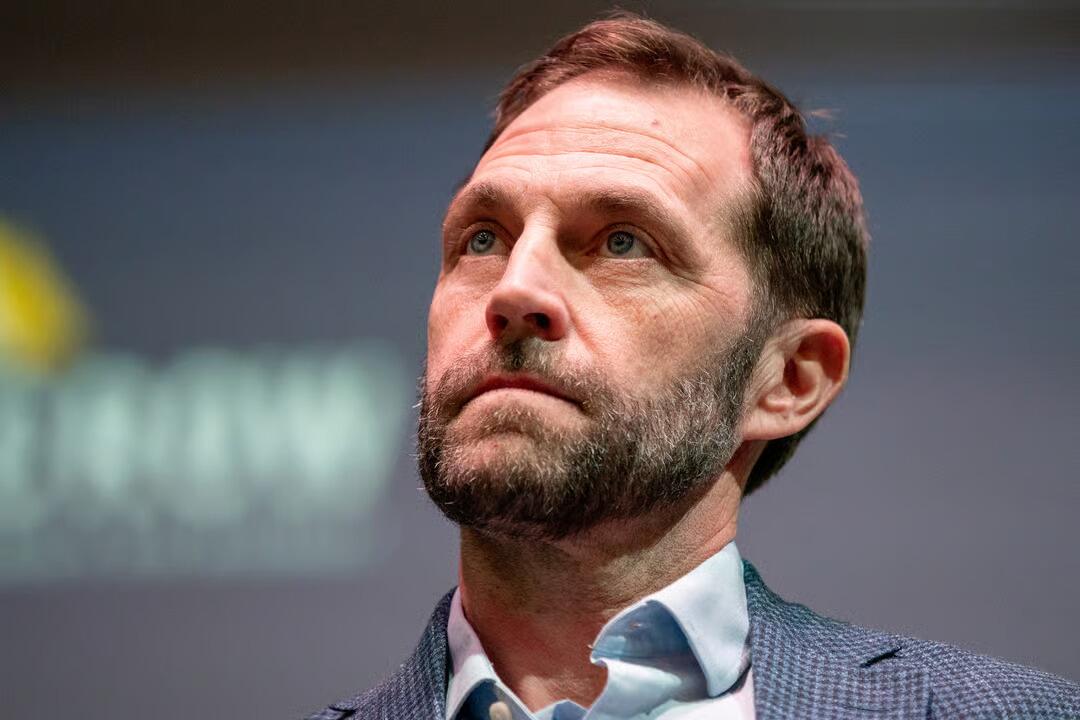
And who better to start with than longtime theater critic John Moore of The Denver Gazette?
We spoke with Moore about his final edition of the beloved True West Awards and the role of awards in the theater ecosystem, what he’s seen change in 25 years of covering the art form, and what the future might look like — including what A.I. might mean for the stage.
Before leaving the studio, Moore, ever the tastemaker, also gave us some shows he is excited to see this season.
“And I apologize because there's an embarrassment of riches this season,” he noted before highlighting a few.
Colorado Springs actor Anne Terze-Schwarz opens up about audition anxiety, taking on iconic ballads, and the things that matter.
“Brooklyn Laundry” by acclaimed playwright John Patrick Shanley.
- The Boulder Ensemble Theatre Company’s production runs at The Savoy Denver until Feb. 15. and then moves to the Dairy Arts Center in Boulder until March 15.
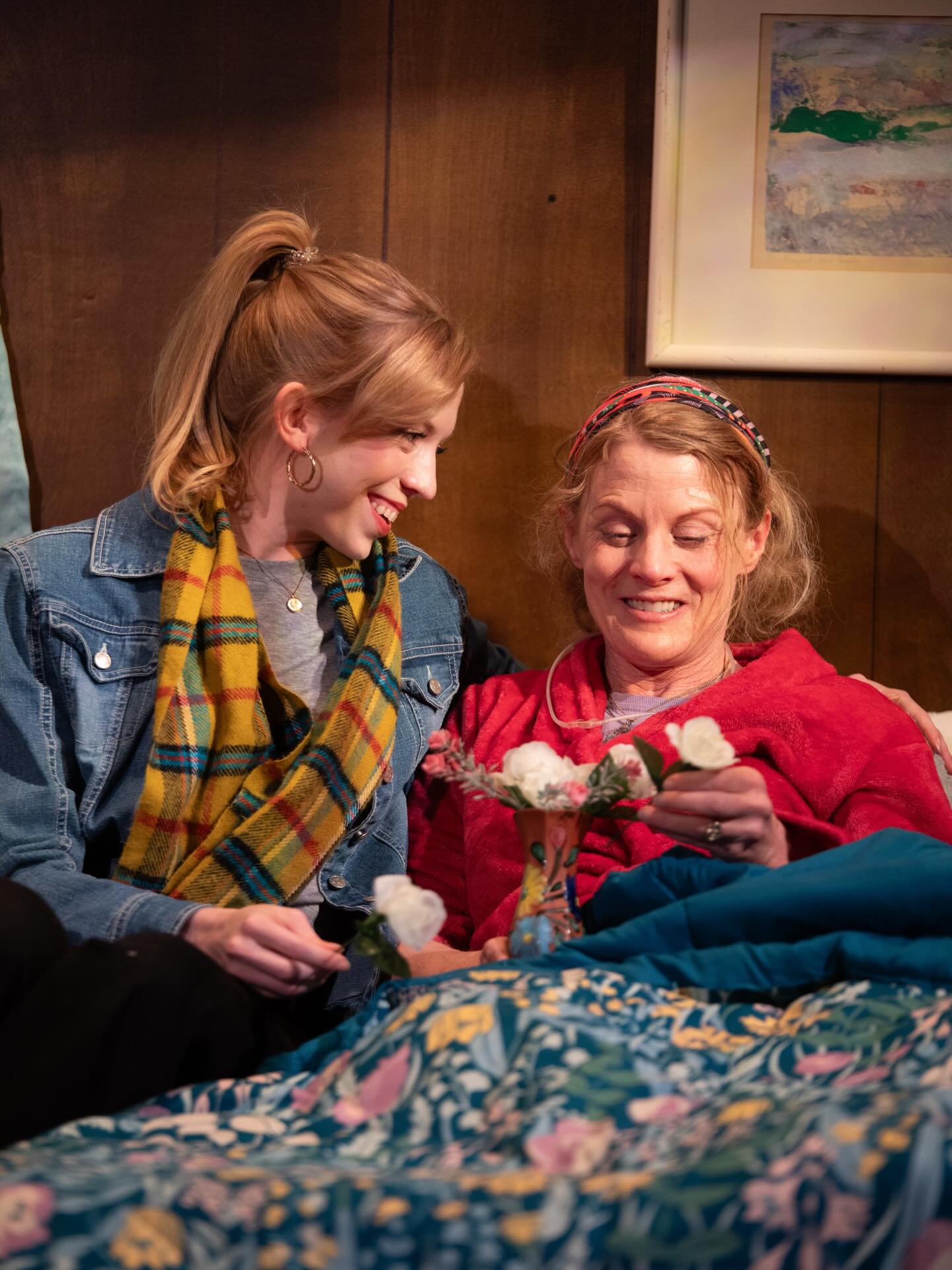
“Bad Books” by Sharyn Rothstein.
- The co-production with Local Theatre Company opened at the Curious Theatre Company last month. The show is also at the Dairy Arts Center until Feb. 14.
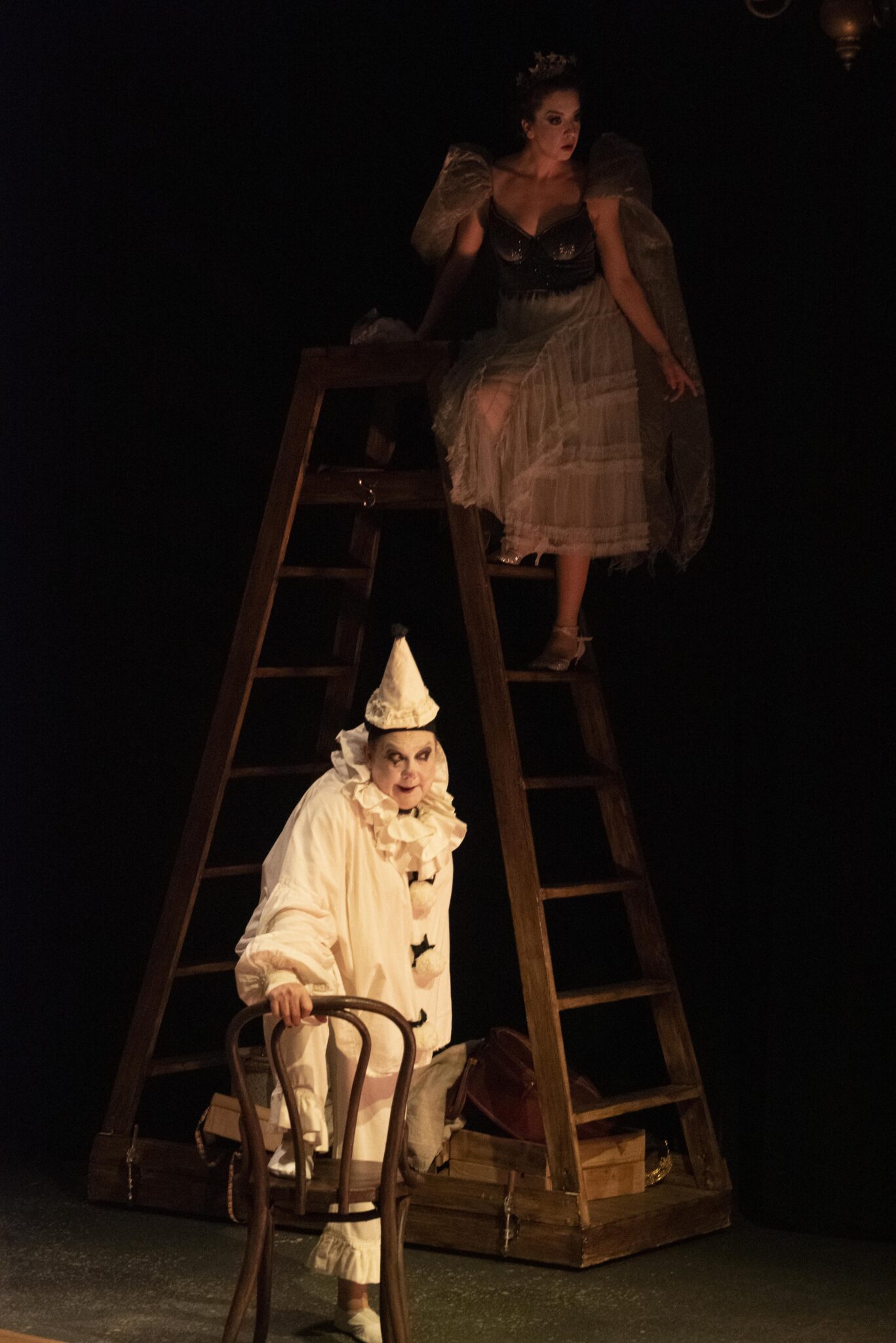
A production of “Burning Bluebeard” by The Catamounts theater company at the Dairy Arts Center in Boulder.
- The play by Jay Torrence runs through Feb. 21.
“The Catamounts are usually in streams and fields and odd golf course kinds of places doing plays. But it is the wintertime, so they're inside the Dairy Art Center," Moore said.
"I think it's going to be a very fascinating story about the 1903 Chicago Iroquois Theatre fire, where 602 people died, from the perspective of the performers… I love that the Catamounts always take a completely unique perspective on the stories it tells, and it tells them from scratch. They are kind of known for what we would call their meta-theatricality because it's from the point of view, not of the audience, but of the performers at that fire. You'll see comedy; you'll see vaudeville; you'll see clowning. But it's truly like a love letter to theater and to the artists who perform.”
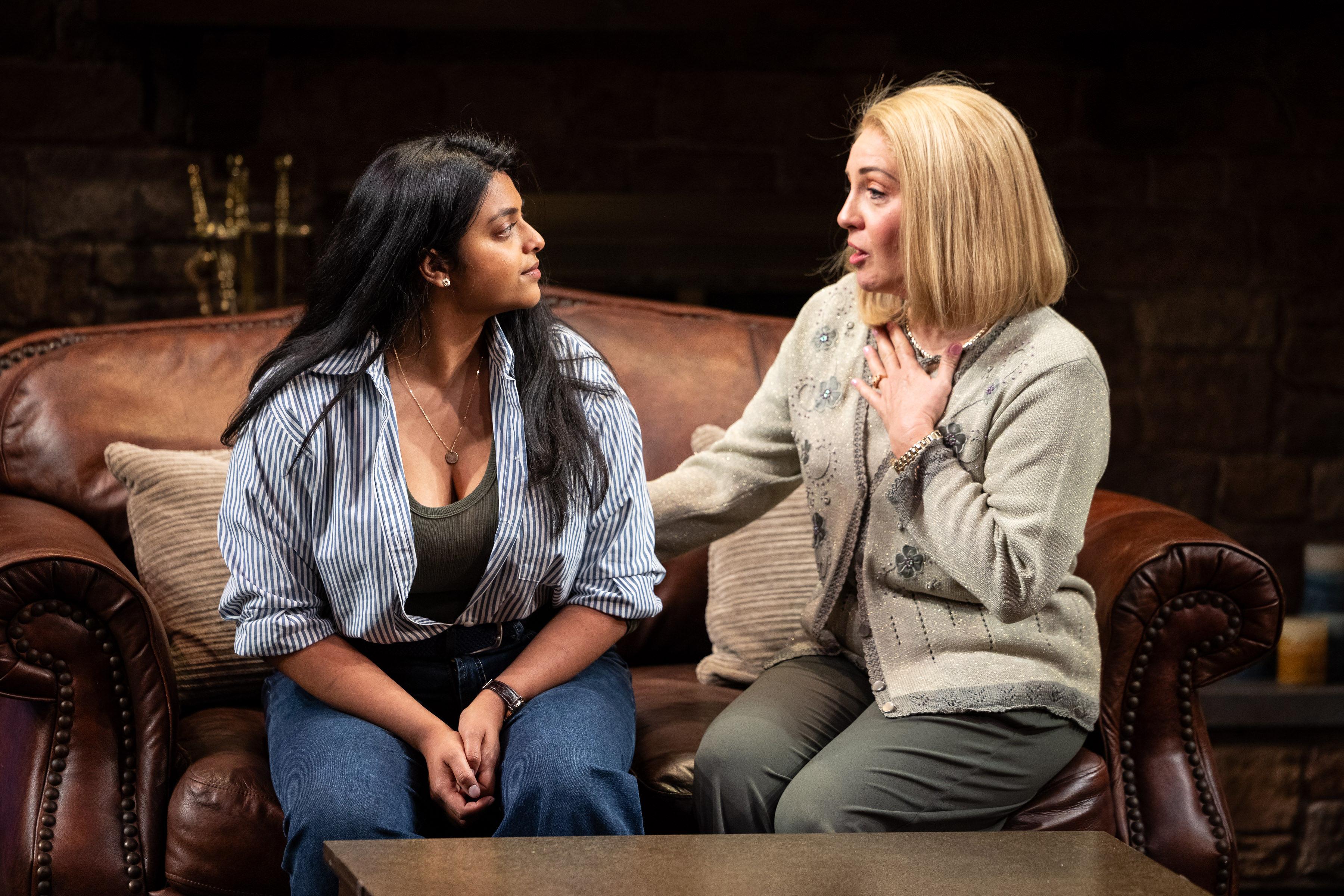
“Cowboys and East Indians” by local playwright Nina McConigley at the Denver Center for Performing Arts.
- The show came through the New Play Summit and runs through March 1.
“We don't often see playwrights with Colorado connections picked up by the Denver Center Theater Company," Moore said. "And this is the second straight season now where a Colorado based playwright is having a play premiered for the world on the Denver Center stage.
That is another very encouraging trend."
"It's about how one Indian American family assimilates into the tight knit fabric of very conservative Casper, Wyoming. The Laramie Project was very much on the mind of playwright Nina McConigley when she started on this story. If you look back 25 years ago to the horrific murder of Matthew Shepherd and how the Laramie Project sort of introduced the mindset of the American West and the way it grappled with that horrible murder, it became obviously an American phenomenon. And if you just blink and go forward 25 years to “Cowboys and East Indians” set in nearby Casper, you see this story about a family that is grappling with what they call culture collision after the family moves from India to Wyoming. Nina said the play is a rare exploration of what it means to be an immigrant in the rural American West. It's about Wyoming. It's about masculinity, race, identity, and how you form identity when you don't see reflections of your own around you.
"I think people are just going to be very surprised and engaged by that play.”
"She is a one of a kind.
— Theater critic John Moore on playwright Nina McConigley.
She just exudes love of life, and I love that."
The following are highlights from our conversation recorded in January, lightly edited for clarity and length. Read and listen to our series here.
Alejandro Alonso Galva: Each day of December included a true West Award publication and recognition. So first, a tip of the hat, as one journalist to the other. Publishing for 31 days straight is quite the endeavor.
John Moore: I think insane is the word you're looking for. (My editor said) by the end of the month, I had filed 62,000 words.
Alonso Gavla: What are three publications, three awards you gave out, that stand out to you?
Moore: It's been such a fun project to be able to single out the theater community in this way. And if I were to choose, I think my two favorite stories both involved local colleges.
First one that I would mention: Did you know that the United States Air Force has a theater program and has for 63 years?
They're called the Blue Bards. And last year they fully staged a massive production of “Legally Blonde” the musical.
One person heard that I was writing this story and said, “Who did they get to play the women?" And I said, “Well, they have female cadets at the Air Force.”
Then I told somebody else the same story, and they said, “Well, who did they get to play the men?”
And I said, “They have male cadets at the Air Force Academy who like to do theater.”
You would never know, but they had 40 people in the cast, and they're all officers in training. These are people who are going to be leading the Air Force someday.
The fact that the Academy makes it possible for them to participate in this exercise in storytelling, compassion, and empathy really bodes well for their futures. Anybody who's ever made a musical knows the positive impact it has — not only on the audience's lives, but your life. The collaboration, the hard work.
These cadets days are scheduled down to the minute. For many of them, being in a musical had to be done in what little spare time that they have at a place that gives you 12 minutes to eat lunch. When I walked into this 2,800-seat theater where they do their performances, there were cadets taking a break by going underneath the stage and taking a nap.
The dedication is not dissimilar to the dedication it takes to be on the football team or to do anything else that's asked of them.
I think what was really so heartwarming was meeting a colonel named Michelle Ruehl. I had heard that a colonel was running the theater program and (thought), I need to meet this person.
You took one look at her, and she looks like Elle Woods grownup. And then you talk to her and you discover that she is Elle Woods in real life. Everything she overcame in this patriarchal institution to become an officer in the Air Force. She flew 800 hours in Afghanistan. But she wrote her dissertation on the positive effects of live theater performance and helping combat veterans deal with PTSD and trauma.
So here's a person who really gets it.
So when she comes into the Air Force and says, “I want to take over this program,” everything about it just exudes everything that's right about the mingling of the military and the arts. And so I just dearly loved writing that story.
Alonso Gavla: Another award you gave out this year had to do with theater as therapy for veterans. Tell us about that.
Moore: My favorite stories are the ones that I go into and I don't really know what the story is yet.
I went to a very small speakeasy in Old Colorado City, at the back of which is a little 50-seat cafe where the Springs Ensemble Theater does plays, to see a new play called “That Shark Is Broken — which is written by Robert Shaw's son about his father's making of the movie “Jaws.
I was seated next to an older gentleman and found out that he was the father of one of the three actors in the play, who happens to be the president of the theater company, Matt Radcliffe.
In a very short period of time, I found out this was a military family, that his son had gone through some very traumatic combat experiences and came out of it with some serious PTSD issues. But he came out of it on the other side.
In the course of interviewing him, he told me that a huge part of his story was also coming out in the military.
Matt Radcliffe told me when he was a 6-year-old, he was riding in the car with his dad and the Queen song “Bohemian Rhapsody” came on the radio. His dad heard the song and immediately pops the tape out and says, “That's enough of them f—ts.”
And this 6-year-old, who already knew that he was different, coded that talk to say, “Okay, I can never have this conversation with my dad.”
You fast forward all of these years, and he's gone through all of this stuff and serving his country and doing all this. (He decides) I want to live my truth. So, he sent his father an email that said, “You'll probably never want to talk to me again, but I'm gay.” And his father wrote back the most beautiful response that you could possibly imagine.
Alonso Galva: “The best thing about being a parent is you are allowed to give unconditional love to your children.” It's such a beautiful response.
Moore: It’s like right out of a movie, isn't it? You wouldn't think that he was that kind of guy. And to think that when he had to sit there at the computer and go, “What I say right now is going to affect my relationship with my child for the rest of our lives.” And he wrote the right thing, and it was beautiful.
Alonso Galva: Another award you gave out highlighted a University of Denver program aimed at training the next generation of production and set designers in Colorado.
Moore: Here's a news flash for anybody who follows the arts, and that is that the making theater has always cost more money than the ticket revenue brings back in. And so these scrappy theater companies, they have to piece together a plan to pay for the arts. Part of it is ticket revenue, part of it is individual donors.
You cross your fingers and hope it adds up to be able to make the next play after that.
Nobody's in this to get rich; it's just ‘make this story so we can do the next story.’
Well, the pandemic has changed everything.
The costs associated with storytelling now have increased exponentially and across the board, including just the cost of wood and things like that. Just building a set now in a theater is a significantly different challenge than it was five years ago.
And I came to find out a man named Steven McDonald runs the theater program at the University of Denver, who essentially has responded to this need by creating an academic program for his students and creating a company that bids out just like any other construction company to build your sets.
Now, if people don't understand how this works: If you go to a play like “Eureka Day” at the Curious Theater Company, that set has been designed by a professional scenic designer, but those blueprints that get printed, the construction company that builds it is often outsourced to another local company.
Now if (DU’s) bid is accepted, those students in this program get to have hands-on experience with the art of scenic building from day one through striking the set, which means taking it down after it's over. It’s invaluable experience. They get paid for doing it, but in general, the bids come in a little bit less than what they would be if you were going for another outside company.
What's so kind of symbiotic about the whole thing is that these kids are getting real practical experience in the field that they want to do for a living, but they're graduating from college with 10 or 11 shows under their belts.
One of my favorite things about that story was talking to a young woman named Aspen McCart who had just graduated from the University of Denver and was immediately hired onto the full-time staff at the Arvada Center, which is something that never would've happened before.
You would've had to get three or four years experience someplace else before you could get a full-time job with salary at a place like the Arvada Center. And it's all because this academic program existed.
Alonso Galva: In the 25 years that you've been covering, what are some of the biggest things you've seen change either for the better or for the unfortunate?
Moore: I think that over time, one has been towards smaller stories. That's just an economic thing. Fewer actors and smaller sets, unfortunately. But that's a product of the entire ecology nationally.
Two, the largest change that we're seeing programmatically is that there's now an abundance of what I would call socially relevant theater. It’s the kind of theater that fosters dialogue, honors our history, and strengthens our community in an overall attempt to remove barriers to the arts and amplify diverse voices on stage. I think these are the kind of stories that are very much the picture of the future of the American theater rather than relying so much on stories of the past.
Alonso Galva: This might be the eternal optimist in me, but I'd like to think that as we head into a world of A.I. that we could see a renaissance of people returning to the theater, where they can look at someone on stage and say, “I know that's real.”
Moore: That is a terrifying point because if I'm being completely honest — as a wannabe playwright myself — I have complete humility about how hard it is and how it makes me appreciate the “August: Osage County”s of the world. When you see a script that just jumps off the page and you're just thinking, “This is art.”
We do live in a world with A.I. No playwright wants to hear this, no screenwriter wants to hear this, but the technology is developing at the point where if you just sit there and if you're a playwright with writer's block and you're sitting there going, ‘I need to do this story, but I can't think of the dialogue.’
Alonso Galva: It's a tempting button to click.
Moore: It's a tempting button to click. And we can't ignore the fact that what comes back from the A.I. may be as good as or better than something else — at least as a first draft. I think we're definitely going to be a part of a generation of playwrights who are going to be writing A.I.-assisted plays, at the very least, as a draft.
And we may hate that.
But my hope, and what makes theater different from TV and film, is when you walk into Curious Theater and you watch bad books, you know that the words that are coming out of the mouths of those actors are flesh and blood. And that is the thing that separates us from TV and film.
I think in the end, the thrill of the live performance is going to last longer than the movie theater.
We're already at a point now where a large part of the conversation is “Has going to the movies already kind of had its day?”
Believe me, live theaters are struggling for attendance. But that thirst that you're talking about, that need to feel, to connect, and have the talk back afterwards and say, “What did you think of that play?”
That can only happen in a theater, and AI can't touch that.
Alonso Galva: One thing that I hope — and this might be an editorialized appeal — we mentioned the temptation to click the button in that moment of writer's block; actors don't get that button. They have to grapple with the text. They have to grapple with their performance. They have to grapple with embodying another character. And I would strongly encourage every artist to embrace the grappling. Because that is where the truest art happens — when you are stuck, when you have to contemplate and sit and reflect. And yes, the button might feel like a shortcut, but you're cutting corners. You're skipping a big step.
Moore: And I support your cause entirely.
| Alejandro A. Alonso Galva is the lead editor of our “Raise the Curtain” series. Stephanie Wolf provides editorial guidance. Ryan Warner is the senior host of Colorado Matters. Carl Bilek is the executive producer of Colorado Matters. Kevin Beaty is the visual editor. Alex Scoville and Shelby Filangi are the digital producers. Shane Rumsey was our in-studio sound engineer. |