Each year, about two million children, many while playing organized sports, suffer concussions. But, according to concussions researcher Jaclyn Stephens, an occupational therapist and associate professor in the Department of Health and Exercise Science at Colorado State University, parents and coaches don’t always know how to recognize and respond to them.
Stephens teamed up with other experts around the world to issue an easy guide on concussions.
Here are the takeaways from our conversation with Stephens:
What is a concussion?
A concussion is a form of mild traumatic brain injury, and it happens when someone sustains a blow to their head or to their body that results in their brain rapidly accelerating and decelerating inside of their skull. If you think about the brain as a soft structure encased in a bony structure, when you get hit in the back of the head, you might have the brain slam forward into the front of the skull and then bounce back and hit the back of the skull, and it's commonly accompanied by pretty acute onset of some signs and symptoms.
What are the signs and symptoms of a concussion?
Let's say that you're at a sporting event and you see a hard hit – that blow to the head or the trunk — and then immediately after that you might see that the person has some confusion, some clumsiness, you might see balance problems. If you talk to them, they might have some acute memory loss, so they might not know where they are. In the example of the athlete, they may not remember the name of the coach, the name of the location that they're at.
What should happen next?
If anybody recognizes those symptoms — if they’re obvious or even suspected — the rule of thumb is to remove the athlete from play. The next step is to get the athlete evaluated by somebody who is a concussion specialist, like a general practitioner, an emergency room doctor or a neuropsychologist. There are a lot of people that specialize in this and are qualified to assess concussion, confirm the diagnosis, and then support the return to activity plan.
The thinking around concussions has evolved considerably in recent years. What is the current thinking?
One of the biggest shifts that we've seen is how we approach concussion recovery, from children all the way up to professional athletes. We used to think that rest after injury was best, and now we're moving into more of an active recovery protocol. We certainly still want people to refrain from using screens like computers and phones for the first 24 to 48 hours, but we actually are now encouraging a gradual return to physical activities like walking and stretching and moving your body.
Then, as we start to see people's symptoms get better and as long as their symptoms don't get a lot worse, we're actually encouraging them to exercise. That seems to facilitate better and faster recovery.”
What are the risks when an athlete gets “back in the game” if there are signs that may have a concussion?
We know that there are some really serious and potentially catastrophic risks. So I'm going to mention something that I don't want to be an alarmist, because this is quite rare. It's something called Second Impact Syndrome, which happens when an athlete sustains a concussion shortly after an earlier concussion, and they can actually experience severe brain damage that can result in lasting disability or even death. Any time an athlete sustains a concussion, they're at a potentially higher risk for sustaining another concussion.
We all know that football players and boxers are prone to concussions, but what other athletes are at risk?
A lot of contact sports do carry that risk, but if we're being careful and we're using all the precautions like wearing and using helmets properly, that reduces risk. Sports are ultimately so good for kids and adults to be participating in and benefits outweigh the risks in most cases.
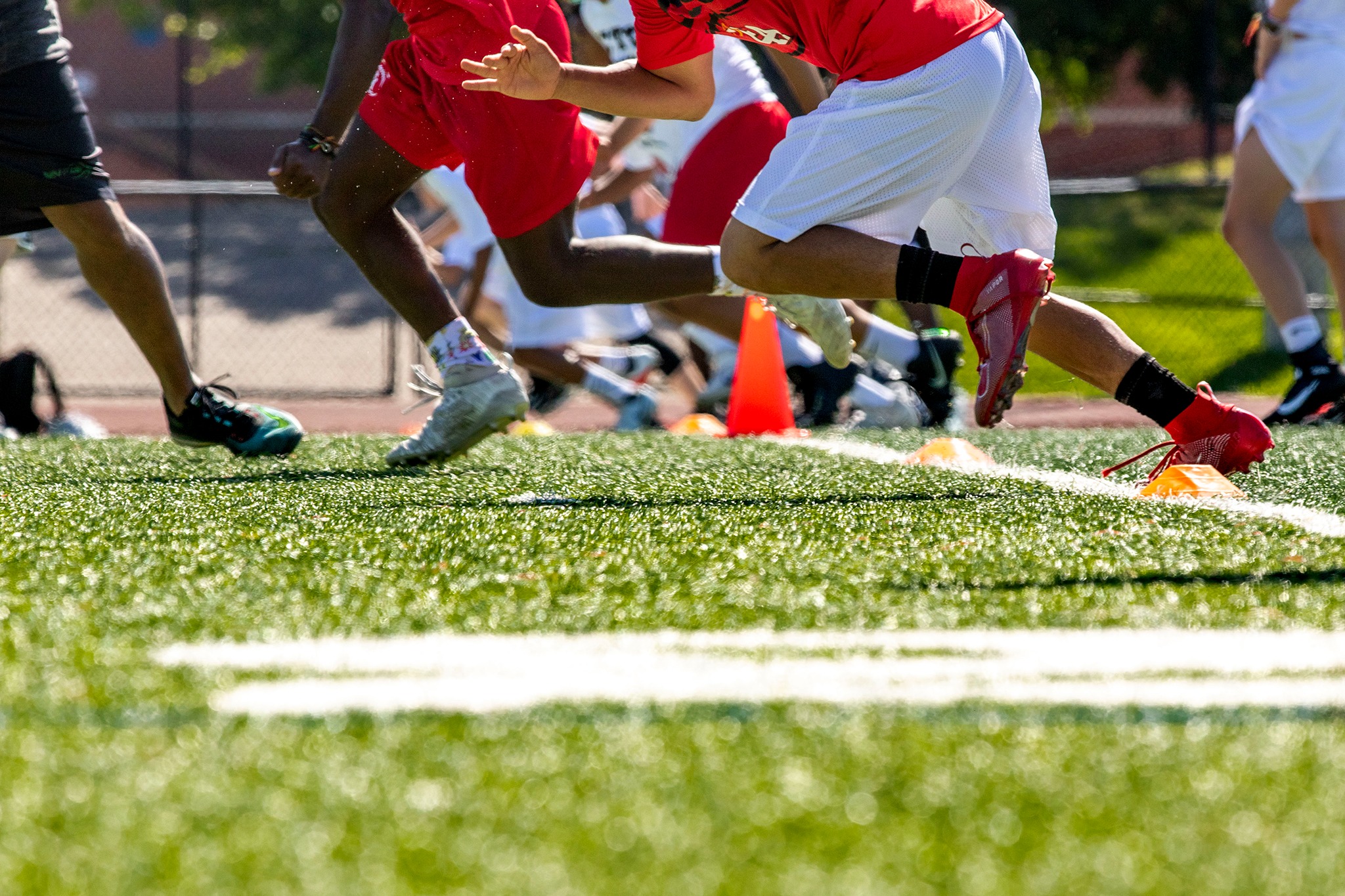
Football elicits the highest number of concussions in male athletes, and then soccer tends to be the highest in female athletes. We also see them in hockey. We also see a number of concussions and things like cheerleading and it's not often the athletes who are getting thrown into the air, but the ones who are at the base. They can often get kicked in the head and get concussions when they're trying to catch someone who's tossed in the air.
What made you aware that there was this gap when it comes to laypeople's understanding concussions?
I read about and learn about and think about concussion almost daily so that helps me keep up to date with best practices and what the evidence the science is saying but I've noticed when I've attended local sporting events, if there's a suspected injury and people know that I'm a concussion researcher, they'll ask me for my advice like, well, what should we do and how should we manage this?
And so that's really why my collaborators and I wanted to get this article published and get the concussion recognition tool into people's hands so they will know enough about what a concussion might look like to remove a young athlete from play. And if they're wrong, the consequences are minimal. If they're right, they may have helped to protect the long-term health of the athlete. And I think that's just a wonderful thing for people to be equipped with.