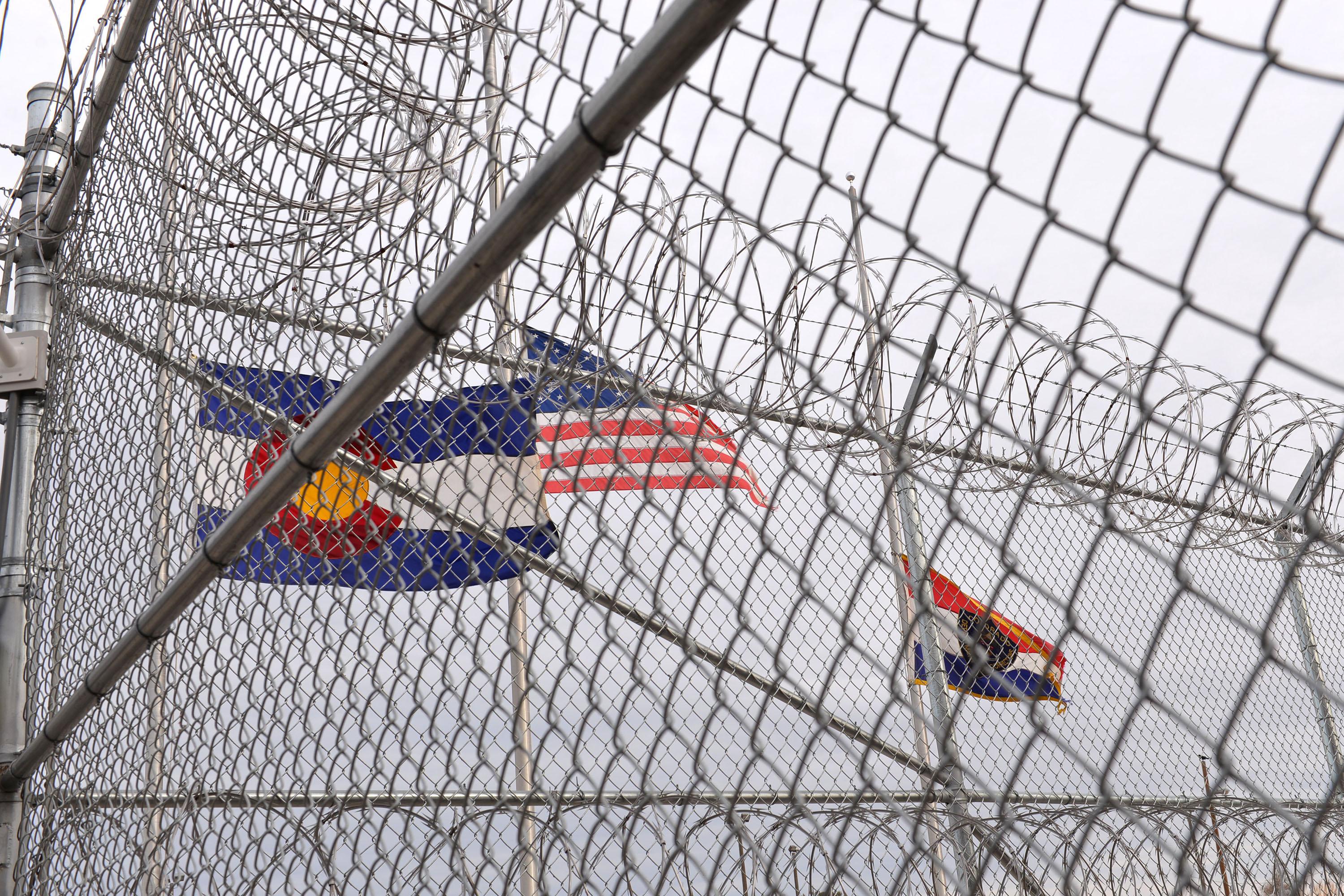
A judge ruled against the Colorado Department of Corrections in a class-action lawsuit Friday, and found they violated the state's constitution by forcing prisoners to work by threatening punishment.
The lawsuit, filed in 2022 by two inmates, alleges that CDOC punished incarcerated people who opted out of prison work assignments. The suit also names Gov. Jared Polis.
A trial last October included testimony from several incarcerated people. Lawyers argued that CDOC policies requiring work inside facilities contradict a law passed by Colorado voters in 2018 that prohibits slavery and involuntary servitude in all circumstances.
Lawyers argued that a “failure to work” violation can result in the loss of up to 30 days of earned time, often extending inmates’ time in prison. They said this practice amounts to involuntary servitude.
In her ruling Friday, Denver District Court Judge Sarah Wallace said the defendants were in “violation of the prohibition against involuntary servitude.” Wallace specifically pointed to “unconstitutional coercive policies,” including the threat or use of segregation and isolation against inmates who refused to work.
A spokesperson for the Colorado Department of Corrections said the CDOC is reviewing the ruling.
“We respect the judicial process and continue to evaluate the full legal and operational implications of the court’s decision to determine next steps. The Department of Corrections agrees that slavery and forced labor are wrong and illegal and do not believe we have engaged in either,” said Alondra Gonzalez-Garcia with the CDOC.
The people who filed the lawsuit, however, tell a different story.
The lawsuit
One of the inmates, Harold Mortis, 35, said that while ill with COVID-19, guards told him he was required to work eight-hour shifts in the prison kitchen because of staff shortages.
Mortis said he believed he first contracted COVID-19 in the kitchen and was still experiencing symptoms. He declined the assignment and asked if he could do lower-risk work instead.
He said guards told him no and warned that he would be removed from the incentive living program if he refused to work in the kitchen. After he challenged the order, officials revoked two days of earned time. That meant he would spend more time in prison for declining the assignment.
In the lawsuit, Mortis and another inmate said they lost earned time, which pushed their parole eligibility dates further back. They also alleged they were penalized and placed in more restrictive housing units for refusing to work.
Ruling orders CDOC to stop
Wallace ordered the state and the Department of Corrections to stop threatening or using segregation and isolation and to end the policy allowing “double charging” when inmates refuse to work.
The CDOC spokesperson, Gonzalez-Garcia, said, “CDOC programs are designed to provide essential skills, vocational training, and rehabilitative opportunities that support successful reentry into the community. The Department remains committed to upholding the Colorado Constitution, and believes we have been despite the ruling.”
It is unclear whether the CDOC will appeal the decision.
CPR justice reporter Allison Sherry contributed to this report.