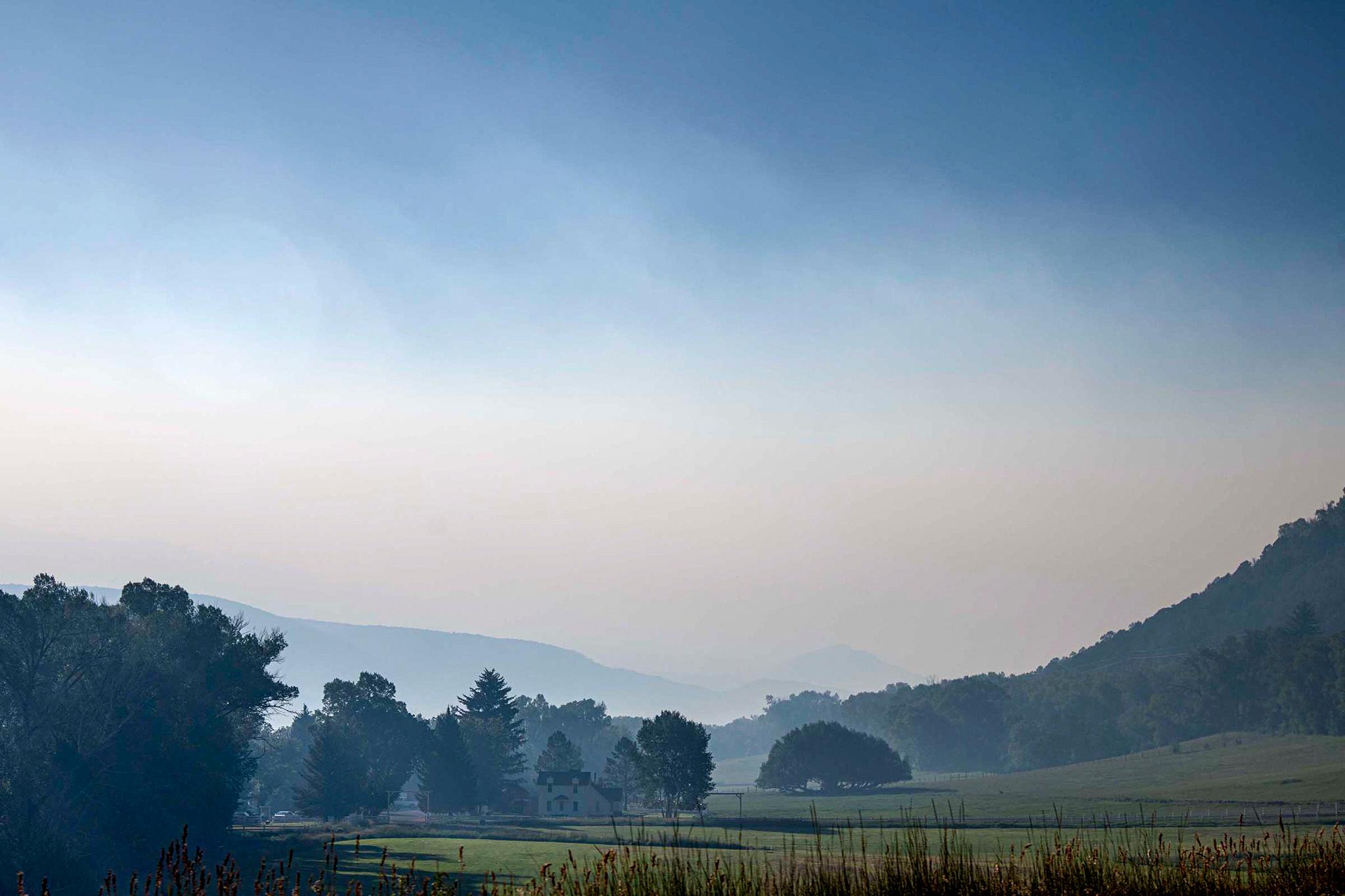
Any Coloradans planning a heavy workout on Wednesday might want to wait for a far less smoky day.
As fires burn across the Western U.S., air quality is terrible. Air monitors are registering moderate-to-severe levels of particulate pollution across Colorado’s mountain communities and the Front Range on Wednesday morning. Scott Landes, Colorado’s air quality forecaster, warned that conditions could fluctuate and potentially worsen from hour to hour.
State air quality officials have issued an action day for multiple pollutants until at least 4 p.m.
“Unfortunately it looks like the fires are going to be active here on Wednesday but also into Thursday,” Landes said. “We anticipate pretty high fire activity, and that’s going to result in more smoke plumes.”
At least six major fires continue across the state. Satellite maps show four of those blazes — the Ferris fire in the San Juan National Forest, the Gold Mountain fire near Ouray, the Willow fire near Leadville and the Snyder fire west of Fruita — are sending smoke toward Colorado’s northern Front Range. In southern Colorado, the Aspen Acres fire and Sheep Mountain fire have boosted pollution levels in Pueblo and Cañon City.
The smoke has so far spared far southern Colorado and northwestern Colorado. On Wednesday morning, Durango had some of the state’s best air quality, according to official air monitors.
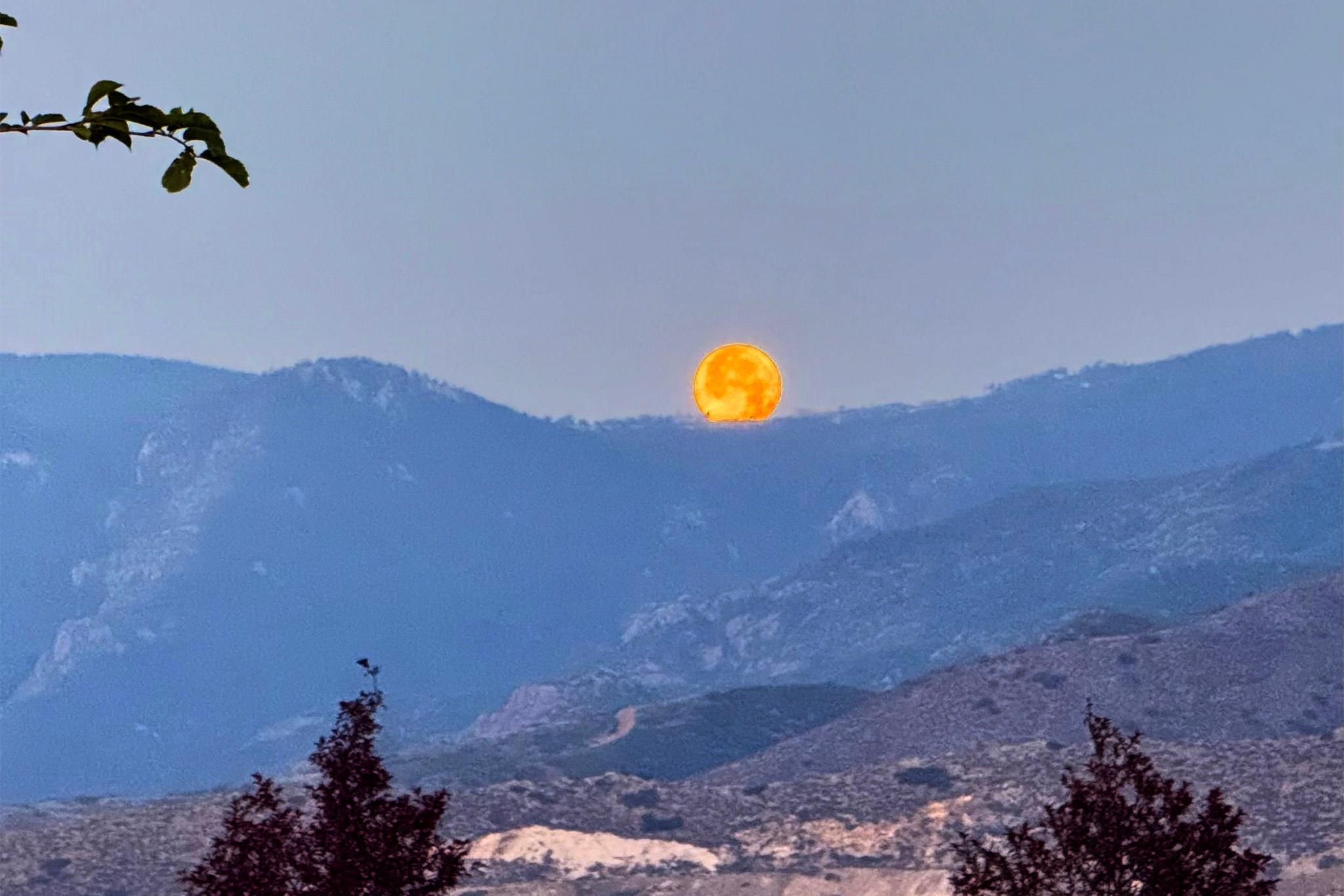
The state’s air quality advisory covers smoke particulates plus ground-level ozone, a dangerous lung irritant boosted by wildfire smoke and other pollutants.
Both smoke and ozone can exacerbate heart problems and lung conditions like asthma. Long-term exposure is also associated with a wide range of health impacts, including birth defects, cancers and an increased risk of death.
There are many ways to monitor local air quality conditions and check if it’s dangerous. The Colorado Department of Health and Environment issues air quality advisories and regularly updates smoke conditions at the Colorado Smoke Blog.
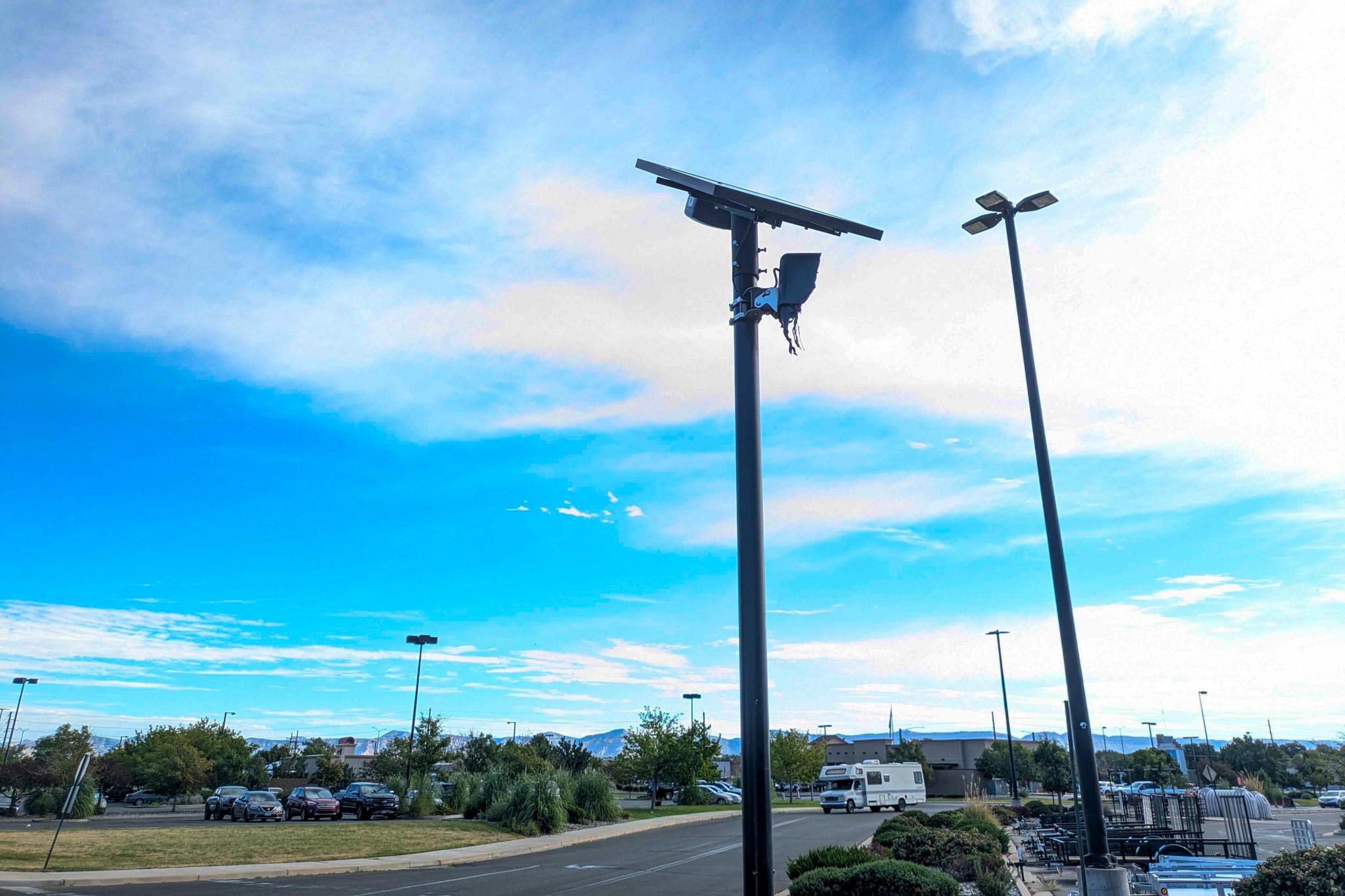
The EPA AirNow app provides a quick way to check local air quality. A growing number of citizen scientists have also deployed low-cost air monitors at homes and businesses, helping to monitor hyperlocal conditions. Those results are published on online maps maintained by private companies like PurpleAir and IQAir.
If those tools are unavailable or unhelpful, Landes recommends appealing to your senses.
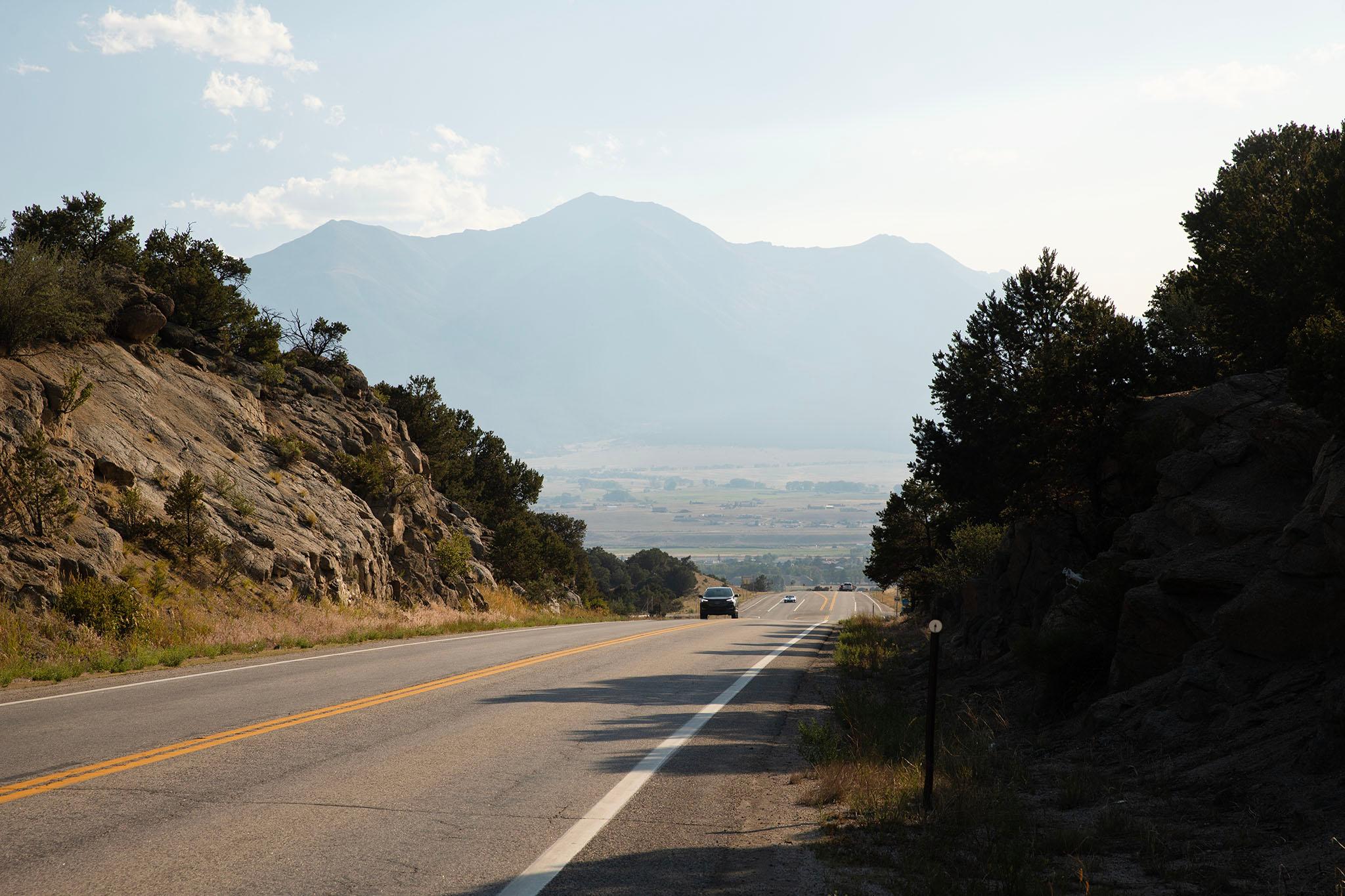
“The rule of thumb is: if you can’t see something that’s five miles away, the air can be considered unhealthy,” Landes said.
Staying inside can help limit smoke exposure, but fine particles are small enough to enter buildings, especially if doors or windows are left open. A high-quality air purifier can help prevent pollution from building up in indoor spaces. While many models with HEPA filters are available, DIY options built from box fans and furnace filters are also an effective way to clean indoor air.
For anyone unable to limit time outside, state health officials recommend wearing a tight-fitting N95 or KN95 mask to guard against wildfire smoke.