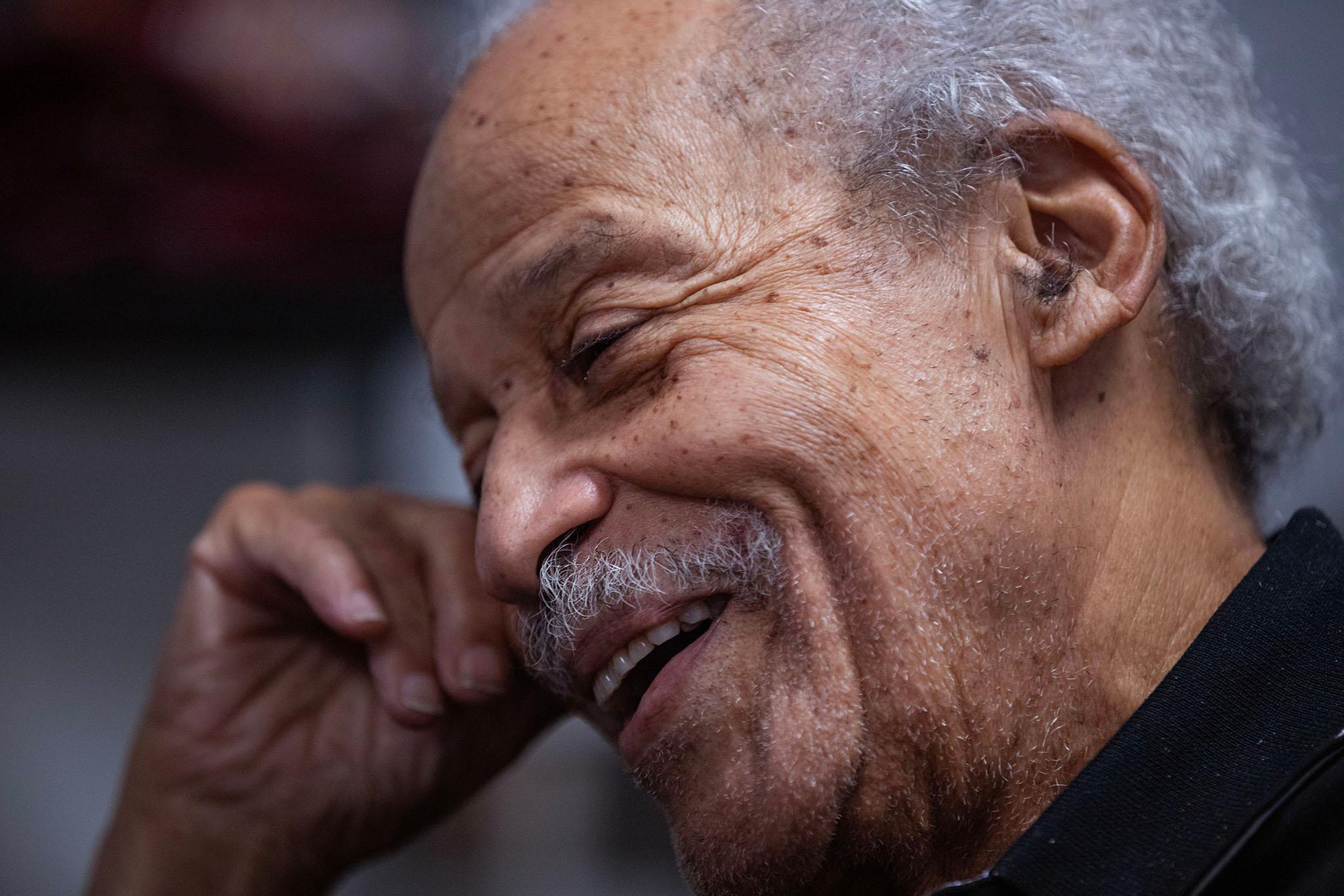
Before Ed Dwight ever shaped a person into clay, he studied them. From the angles of their face to their emotions, he looked so closely that the barrier between the person and himself as the artist disappeared.
“I cannot do a sculpture of anybody unless I become them,” Dwight said from his temporary studio space in Denver. “I actually transform myself into whoever I'm making a (sculpture of).”
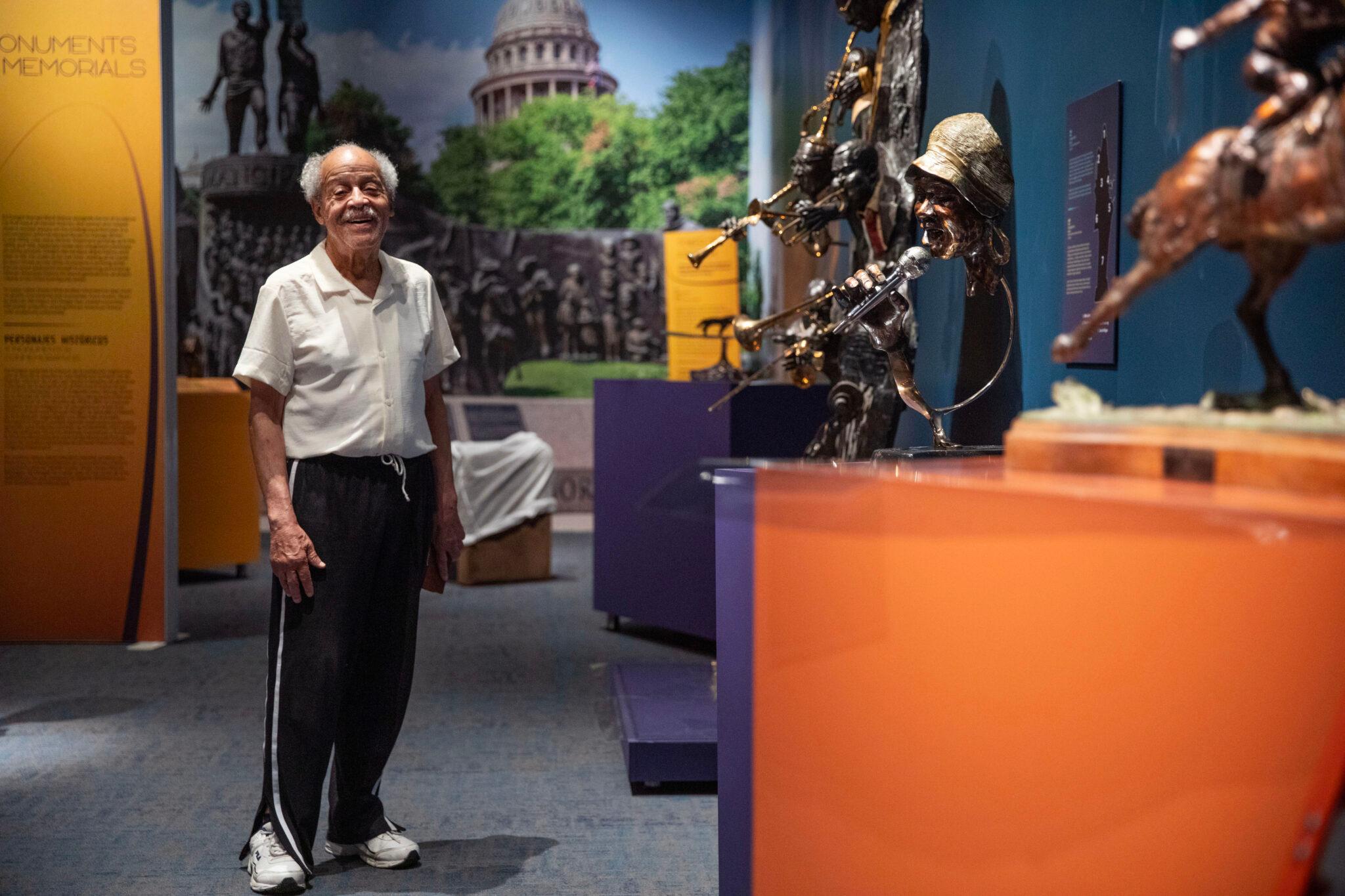
Dwight’s approach is how he managed to create notable sculptures in museums and memorials in parks across the country. His bronze figures include civil rights leaders, musicians, athletes and pioneers, many of which preserve and share Black history.
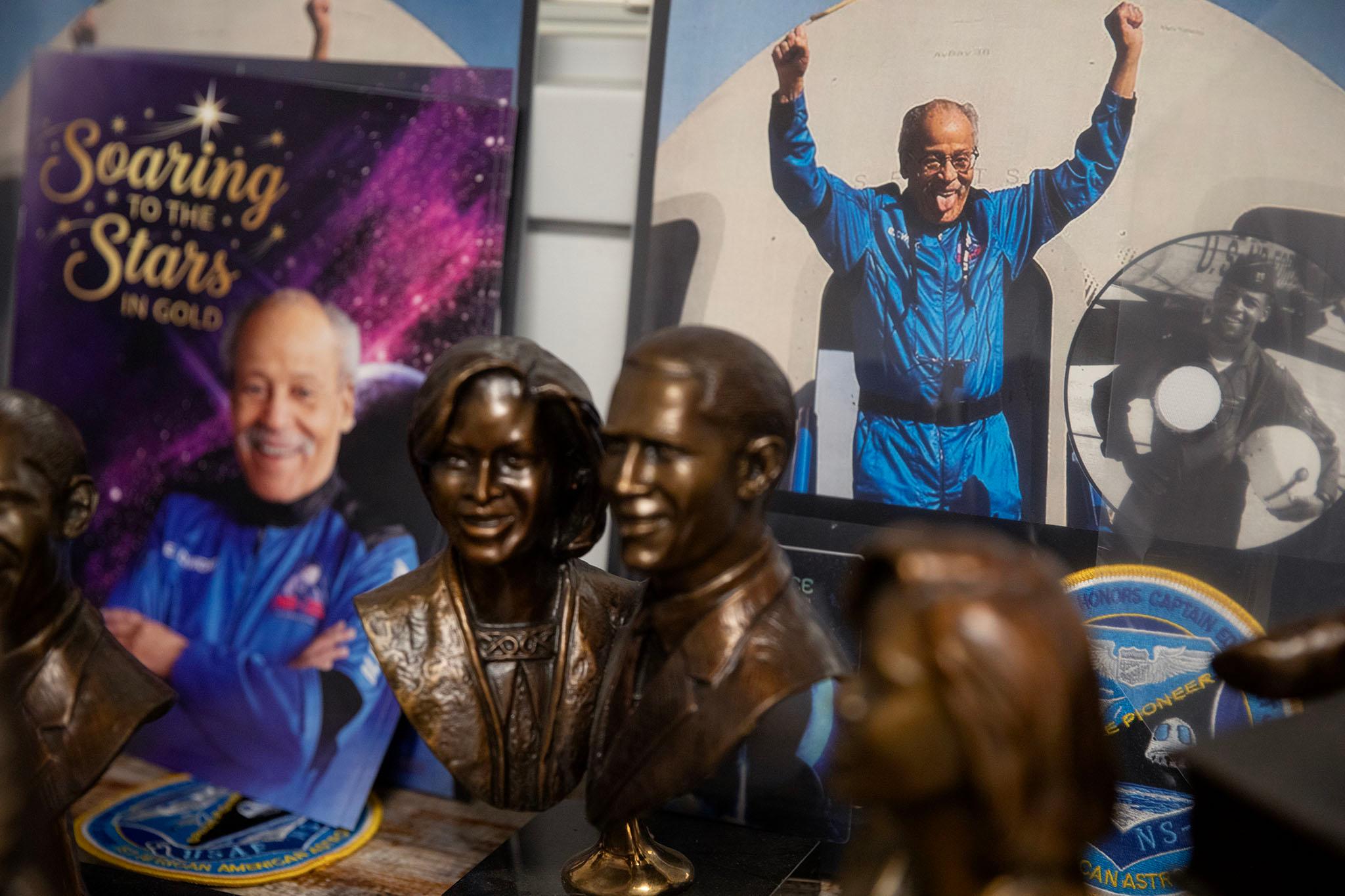
A new exhibit at History Colorado called “Ed Dwight: Casting a Legacy,” honors his lifelong artwork.
Dwight’s artistic path began much earlier than his career as an Air Force pilot and astronaut. And some of his artistic lessons also came from his parents and grandparents.
‘I make art out of junk’
He grew up on a farm near an airport in Kansas City. His grandfather drove through the city with a horse, mule and wagon, collecting discarded objects. When they spotted something useful, Dwight would jump down and throw it aboard. Then, back at the farm, his grandfather used a propane torch to transform the scraps into practical objects.
“I spent time in junkyards eyeing … things that I could make into art,” Dwight said.
He later dedicated his piece “The Dirt Farmers” to his grandparents. The sculpture is included in the History Colorado exhibition.
Meanwhile, in school as a child, people knew him as this “special kid.”
“I was drawing full-body figures (at) two and three years old, where the other kids were drawing stick figures,” Dwight recalled. “All my instructors and teachers capitalized on this art thing.”
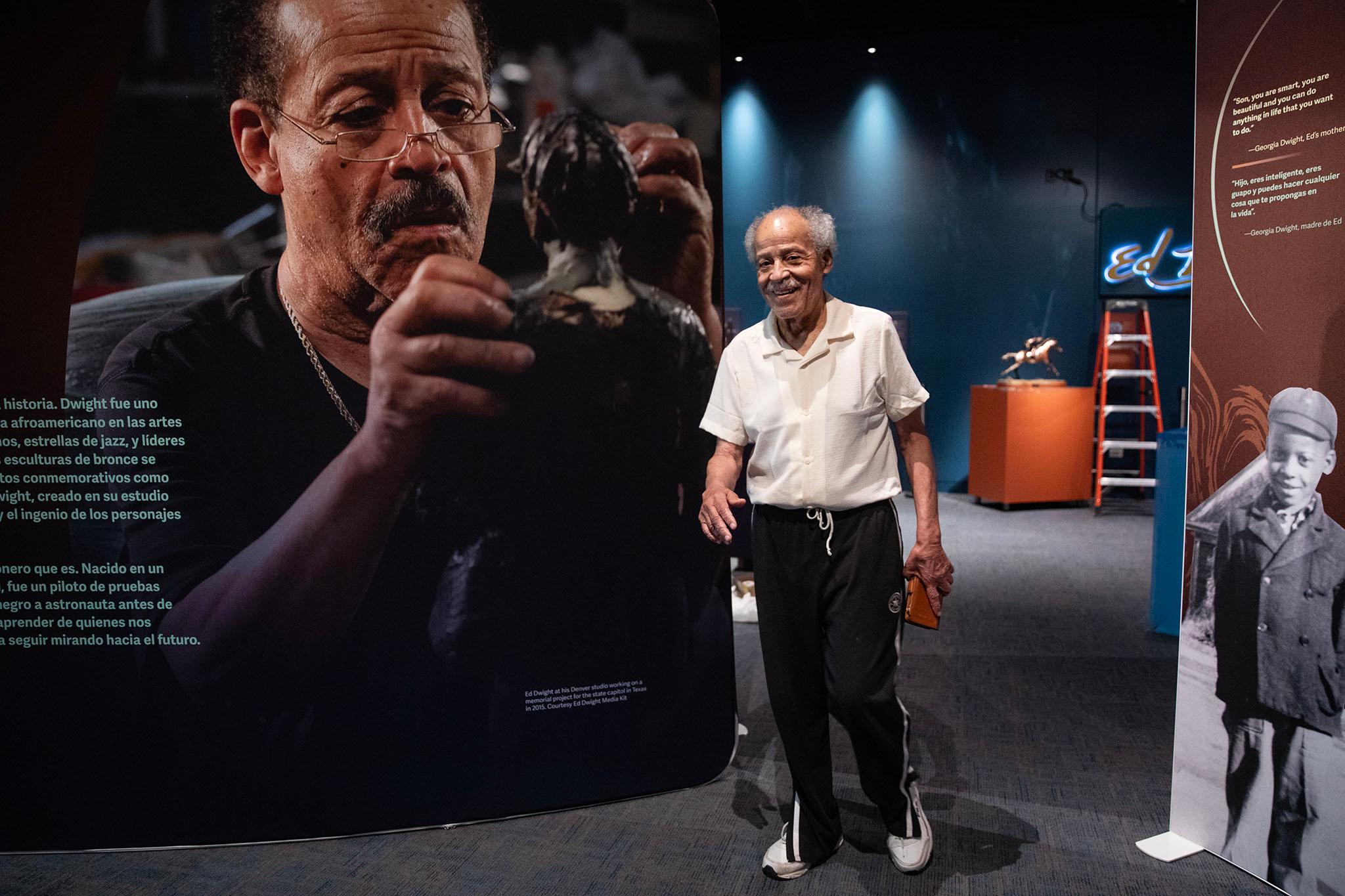
That “art thing” transformed into top prizes in statewide competitions, a scholarship to the Kansas City Art Institute, and the opening of his first studio at 14, where he created signs for Black-owned businesses.
The decade he spent as an altar boy while growing up and his exposure to prominent Catholic figures also played a part, he said.
“I lived in the library studying the great masters, Michelangelo and all those greats,” Dwight said.
Casting Black history into public spaces
But one of the most influential people in Dwight’s life was Colorado’s first Black lieutenant governor, George Brown, who he said is “totally responsible” for his art career. Brown requested a sculpture of himself to display in the Capitol.
“And I said, ‘Good luck with that … I make art out of junk, George,’" Dwight remembered. “And he says, ‘Get down to the library and get a book and teach yourself how to sculpt because you're going to do this sculpture of me … You're going to be the greatest sculptor that ever hit the earth when I get through with you.’”
Brown also wanted Dwight to document the history of Black Americans, pointing out that Black people helped build the United States, but their achievements were nearly invisible in public art.
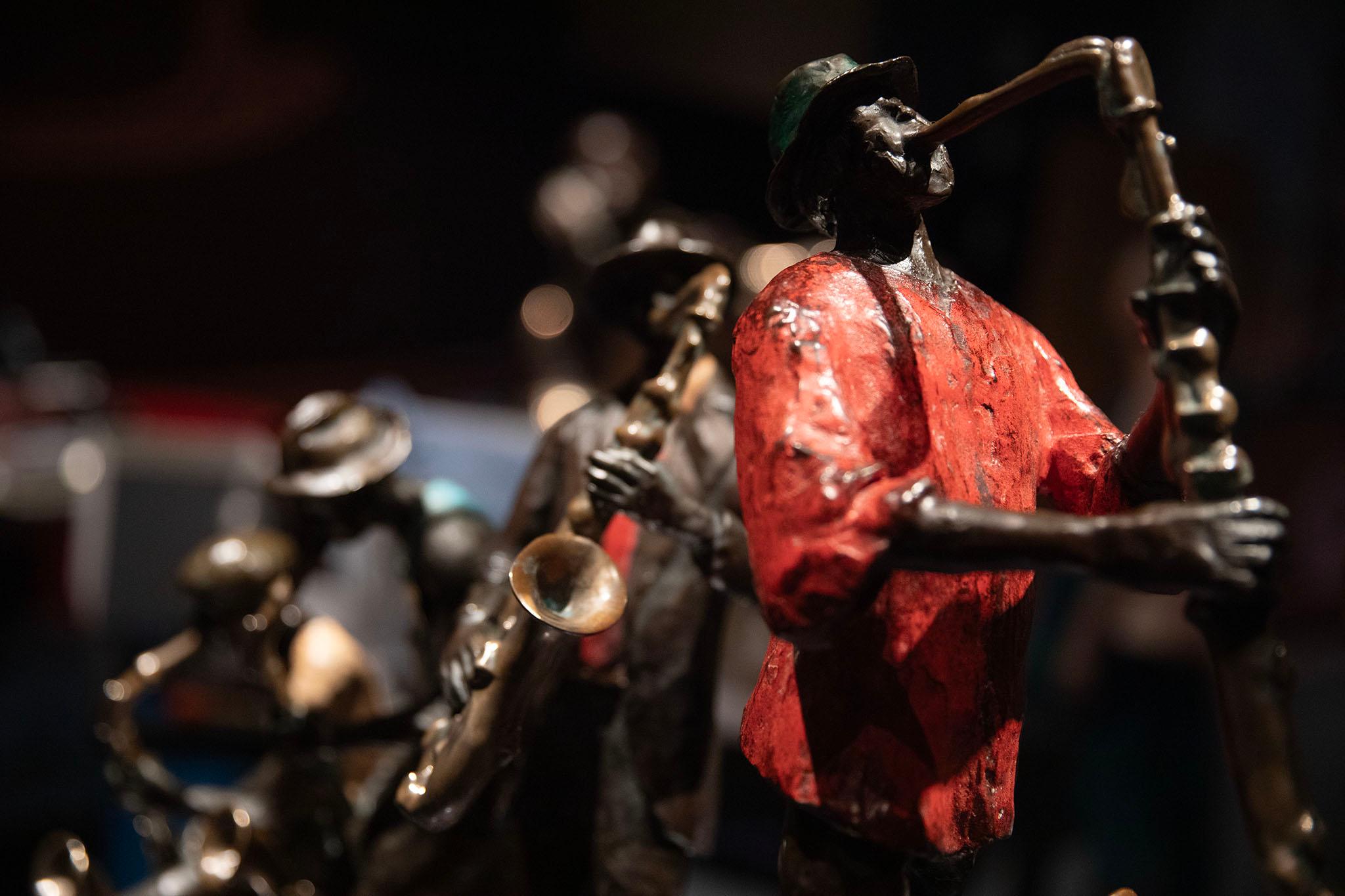
It’s how his series “Black Frontier Spirit in the American West” was born. In 1975, the Colorado Centennial Commission hired Dwight to create a series of bronzes documenting Black contributions to the American West. Dwight said it expanded far beyond the seven sculptures originally envisioned, encompassing stories of Black pioneers, soldiers, farmers, trappers and cowboys.
“Once I got started, it went bizarre,” he said.
The series was later exhibited around the country. While it was on display at the National Park Service’s Jefferson National Expansion Memorial in St. Louis, Dwight’s work led to new opportunities, including his first large-scale federal commission, a sculpture of Frederick Douglass.
Dwight had not grown up learning about many of the people he would eventually sculpt. He said he did not know who Douglas or Harriet Tubman were until he was 42. Their absence from his own education reinforced the importance of placing them in public view.
When Hank Aaron’s face fell off. Then his a** dropped
Despite the monumental subjects he’s sculpted, Dwight's retellings of them are anything but solemn. Asked whether he became nervous when sculpting a living person, who might dislike the final result, Dwight answered without hesitation:
“Oh, hell no.”
He then pointed to the time he sculpted Hank Aaron.
Dwight had completed a clay sculpture of the baseball legend for a stadium in Atlanta. While Dwight was away in California, Denver was hit by a heat wave, which softened the clay. His workers called and told him to return immediately because Aaron was coming to approve the sculpture.
“His face had fallen off on the floor,” Dwight said. “And his ass dropped down.”
Dwight started over, sitting Aaron down and measuring his face with calipers rather than referencing photographs. Aaron was not pleased, especially when Dwight touched his face to get accurate measurements for his sculpture. But the two eventually became friends and later traveled together.
A ‘crowning event’ 50 years in the making
Dwight can no longer sculpt as he once did. Illness and vision loss have disrupted the sensory relationship he depended on between his eyes, hands, clay and subject.
“I didn’t realize how much of your senses were involved in making the art,” Dwight said.
Sculpting was a kind of communication, he said. It allowed him to understand the shape of a person’s eyes and nose while reaching for something deeper.
“I become those people,” he said.
Dwight still enjoys looking at his work and reevaluating it. He also hopes to write books about his gallery pieces, his public memorials and the politics of the art world.
For Dwight, the History Colorado exhibition is a “crowning event” and a homecoming of sorts. Nearly 50 years ago, he served on the institution’s board after Brown quietly recommended him for the position.
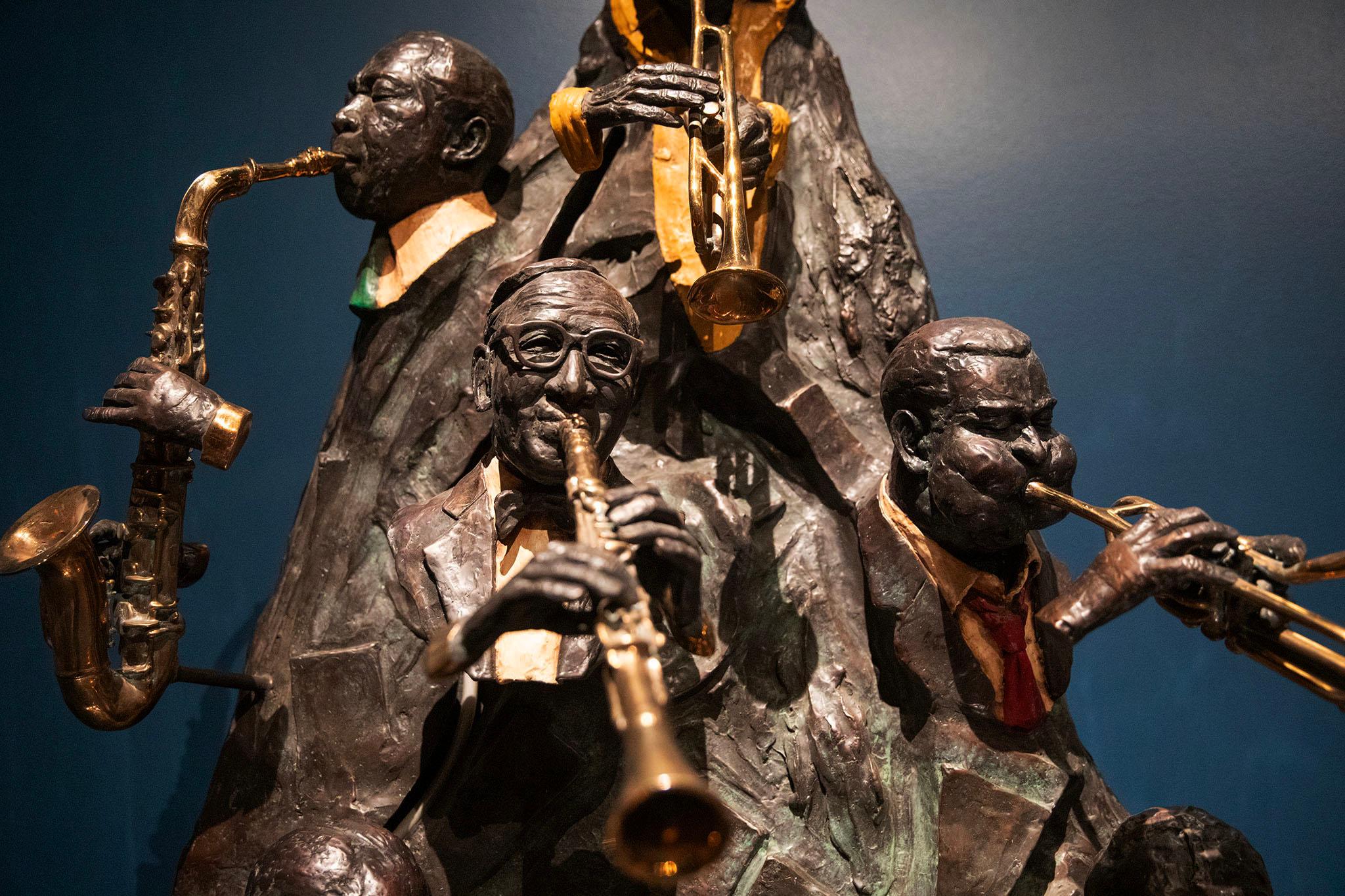
The exhibition brings together more than a dozen works from Dwight’s enormous body of work. But he said the number is not the point.
The pieces show the path from junkyard materials to historic monuments, and the development of an artist who taught himself to sculpt because someone told him the country’s story was incomplete.
“They show the progression,” Dwight said. “It’s the story that they’re telling that’s really important.”
How to see the exhibition: "Ed Dwight: Casting a Legacy" is on view at the History Colorado Center in Denver from July 17, 2026, through Feb. 28, 2027. The exhibition is included with general admission.