Mesa County has a poop problem.
The high-desert county is home to one of the largest populations of unhoused residents, percentage-wise, in Colorado. And they tend to live far from public bathrooms. The result is a lot of human waste from people without a lot of options.
Up until recently, a line of colorful tents stood on a strip of sunbaked land on the commercial outskirts of Grand Junction. With the Interstate 70 business loop on one side and busy train tracks on the other, there were no toilets anywhere nearby.
Tammy, who didn’t want to give her last name, has been camping in various spots since the city’s main homeless shelter closed in March. She bathes under a big pipe that dumps into a murky ditch, but there’s no toilet and few businesses nearby with bathrooms.
“Well, I mean it’s dirty. We definitely need some kind of restroom facilities here,” she said.
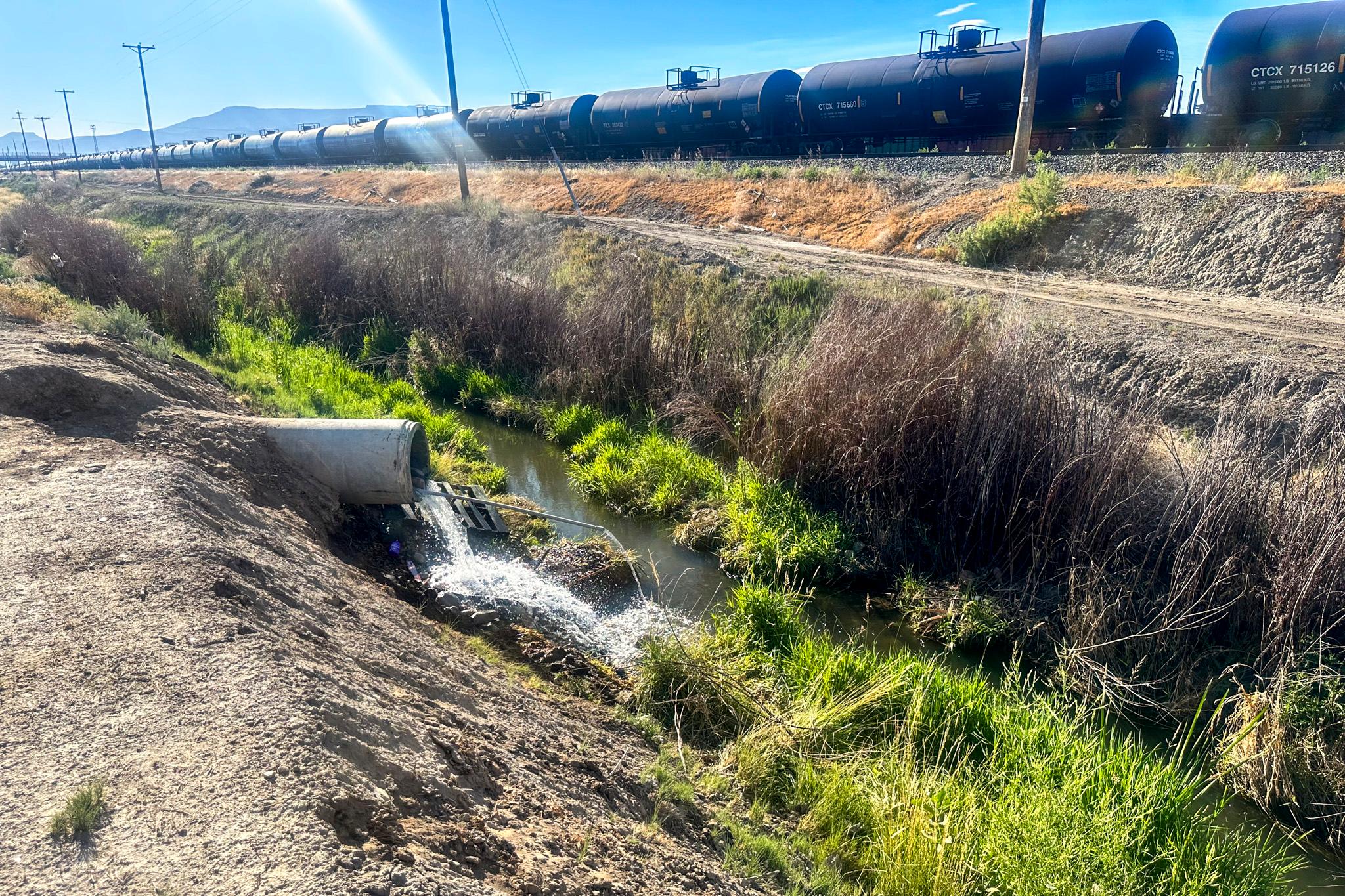
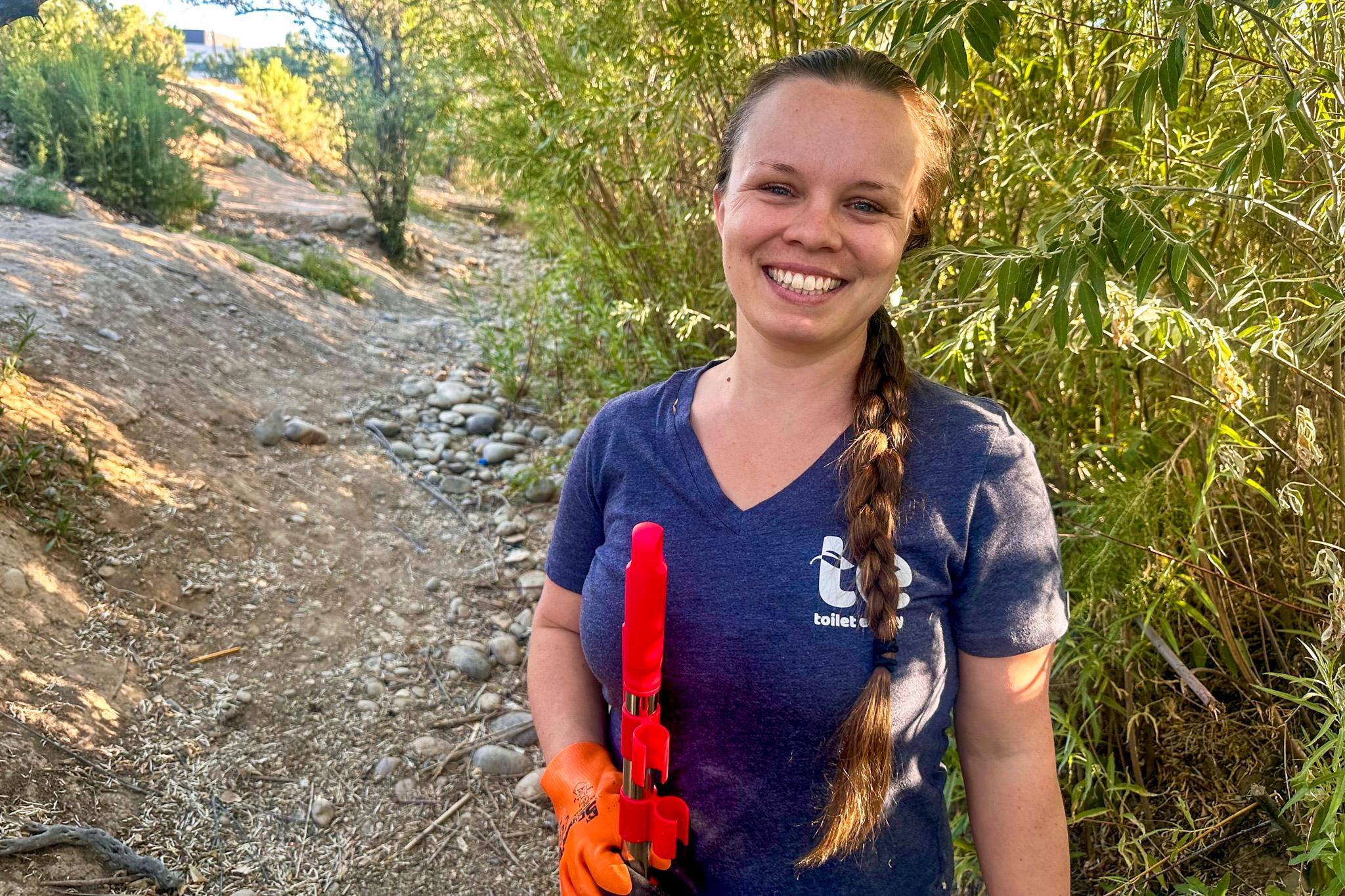
Based on 2025 data, more than 2,000 people experience homelessness annually in the county. Not all of them live outside, but those who do may be eating and sleeping near feces. That isn’t safe for them, explained advocate Kaitlin Pettit, CEO of the nonprofit Toilet Equity and it’s not safe for anyone who lives downstream from their camps. Human feces carries the risk of diseases like e. Coli, salmonella and norovirus.
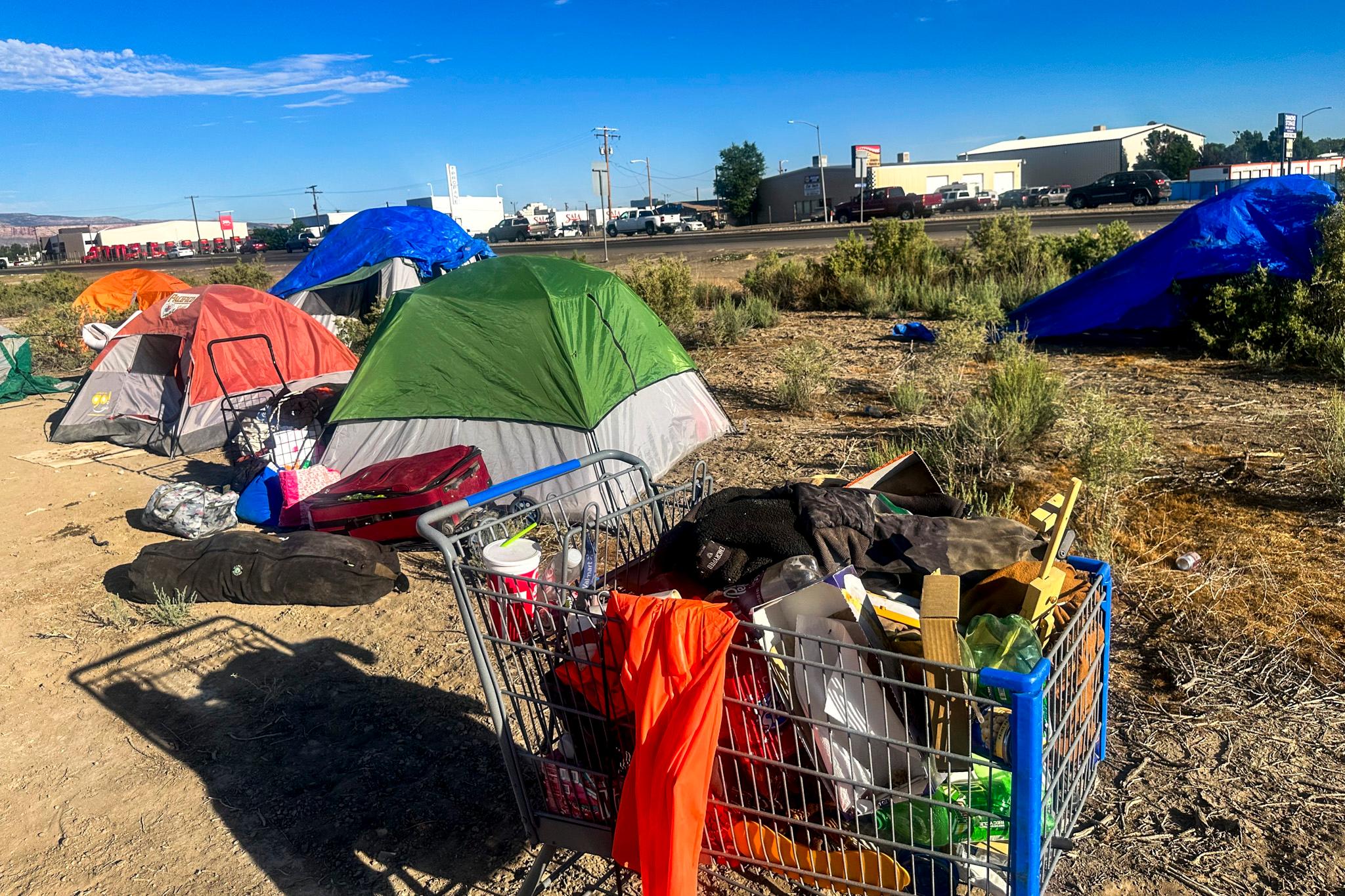
Once it rains, “that runs into the water that we are using to irrigate crops around here that people are playing in, riding paddle boards, kayaking, rafting, having your kids splash around in it,” Pettit says.
Toilet Equity, founded in 2022, has installed composting toilets across the county. Recently, they visited the site of a former encampment outside of Grand Junction to go on a poop hunt. Pettit wore heavy duty rubber gloves and her dedicated poop shoes, which she reserves specifically for the job, as she examined bushes, brambles and gullies for feces.
“Sometimes they're tucked in under a bush because someone was able to find a little bit of privacy,” she said. “Still not very much dignity.”
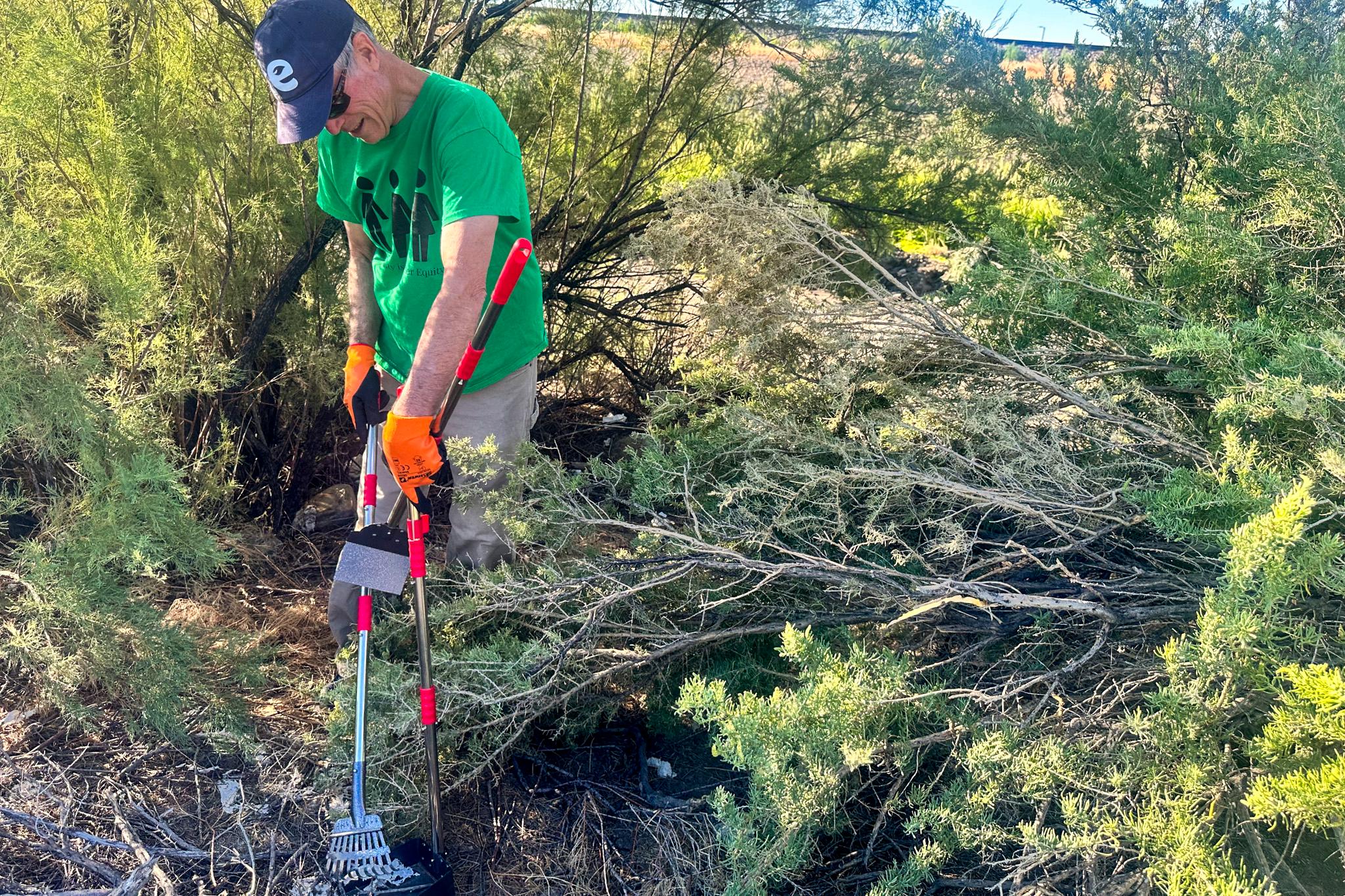
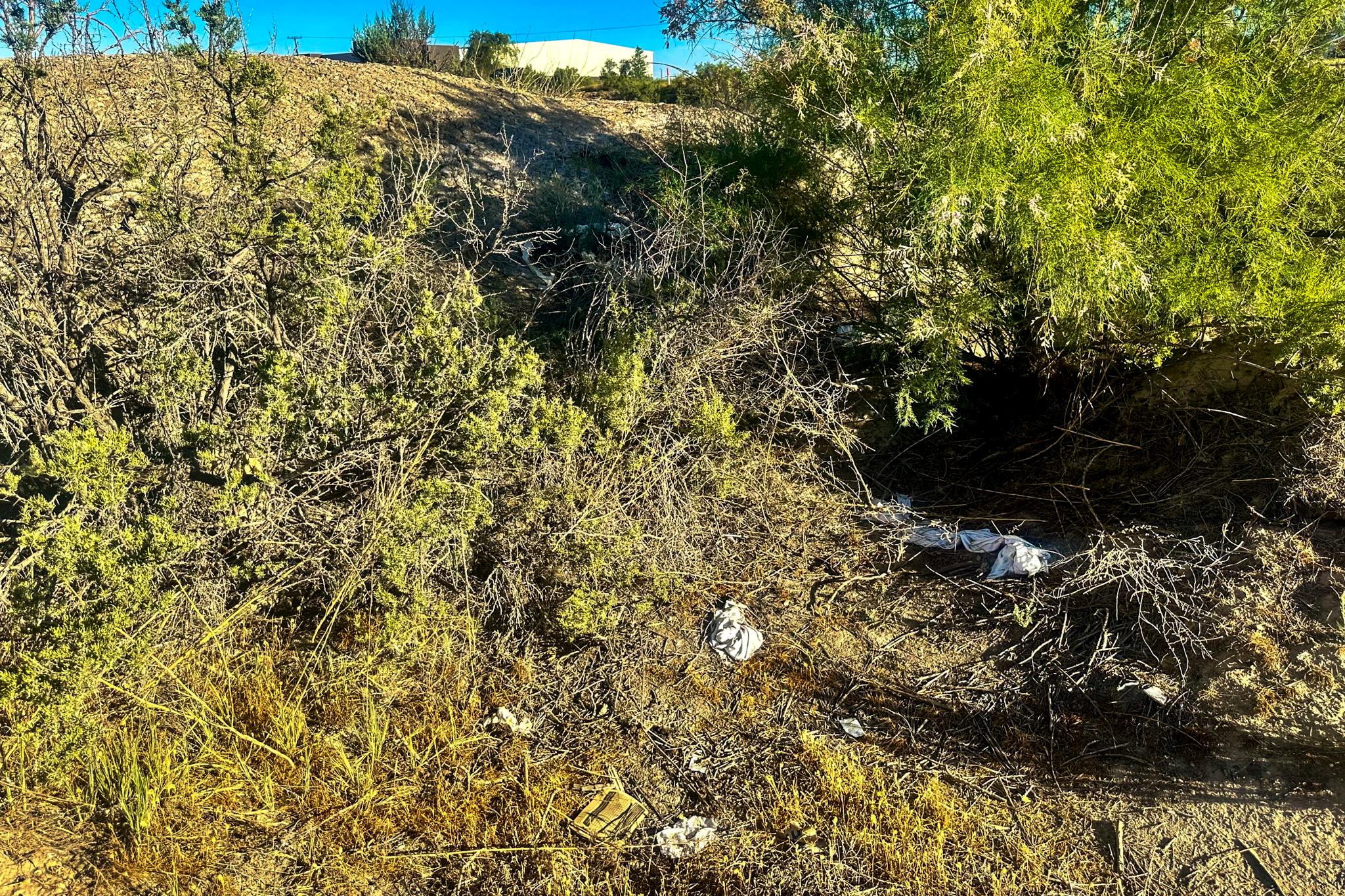
With her long-handled shovel, she scraped, scooped and broke up the dry feces, dessicated by the hot desert sun. While they found about 100 piles that day, they were so shriveled that they only filled one bucket.
Toilet Equity used to take all its human waste to the local sewer treatment facility, but last month, the city revoked their permit saying the group was not permitted to dump waste collected outside of a portable toilet. The city of Grand Junction, which owns Persigo Wastewater Treatment along with Mesa County, said Toilet Equity had two prior violation notices.
“The City takes its obligations under its Colorado Department of Public Health and Environment discharge permit seriously and must take appropriate steps to protect the wastewater system,” said a city spokesperson.
Pettit acknowledged violations with the facility, but insisted they were related to reporting issues and did not threaten public health or safety.
While her group had appealed the decision, it recently dropped that and decided to focus on a new plan. Now a part-time employee hauls the waste, secured in bins on a flat-bed trailer, to a compost facility more than 40 minutes away in Delta.
It’s a much longer drive, but Pettit explained that it’s worth it. Composting is at the heart of what Toilet Equity does anyway. They don’t even like to use the term “waste.”
“Everyone poops but not everyone has a toilet, and that’s why we exist,” Pettit said.
Her group hopes to soon launch a pilot program where they’d give unhoused people their own small portable toilets — sort of like what river runners use on trips — which Toilet Equity would then dump. Due to health regulations, however, the organization still needs to acquire an enclosed trailer to transport those toilets.
Tammy, who’s been living outside for months, would love to have one and said all her other camping neighbors would, too.
For now, “you do what you gotta do,” she said. “When you're out here sometimes you just got to poop in the bushes.”
A few weeks after she spoke to CPR, Tammy and others in the makeshift camp were told to move from the little spit of land where they’d made camp. With a city camping ban on public land in place, local unhoused residents will likely keep moving farther away from the public eye — which could mean farther away from toilet facilities, as well.