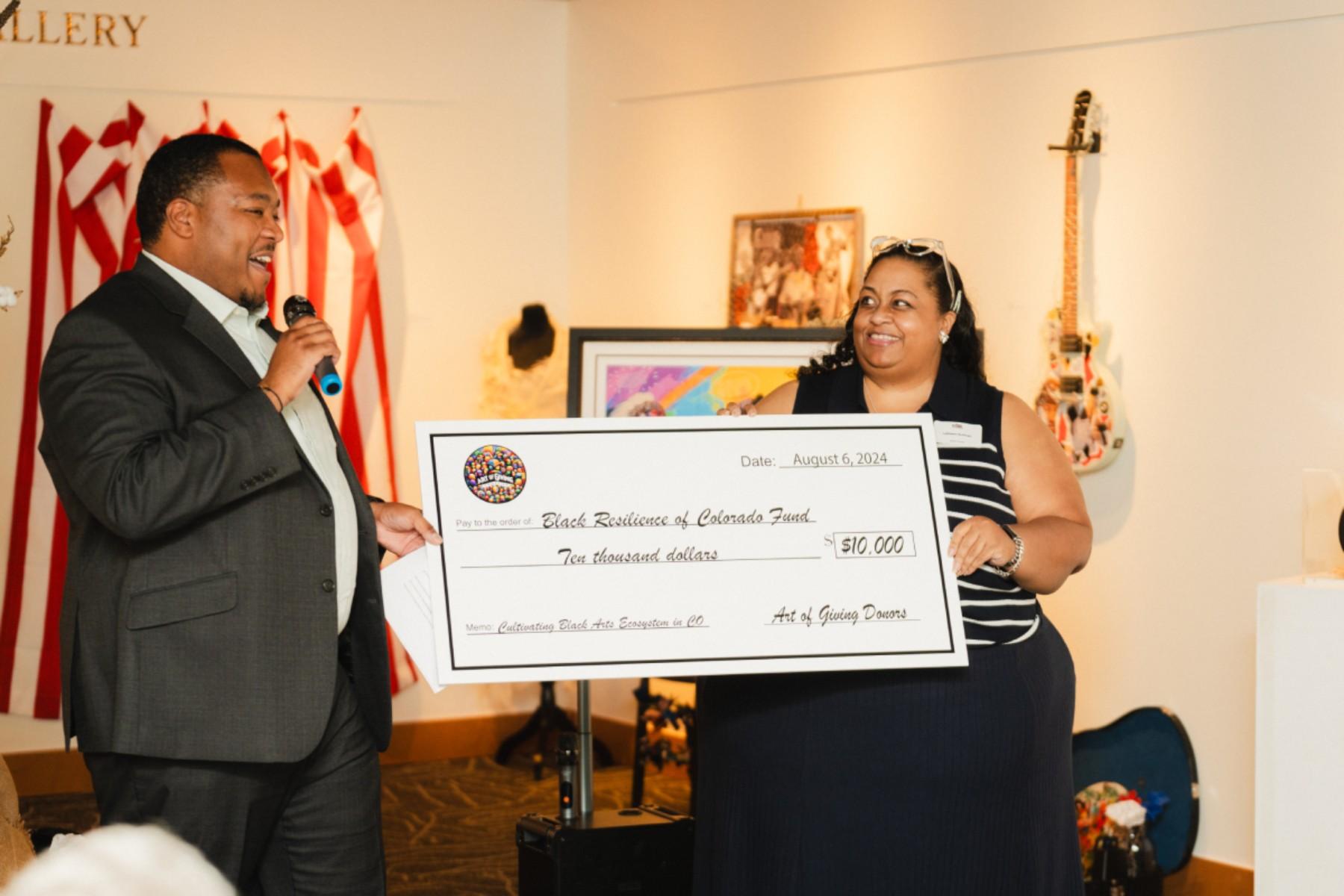
As political debate over diversity, equity and inclusion (DEI) initiatives intensifies nationwide, the Black Resilience in Colorado Fund (BRIC) has marked its fifth anniversary with leaders and supporters saying its work is essential now more than ever.
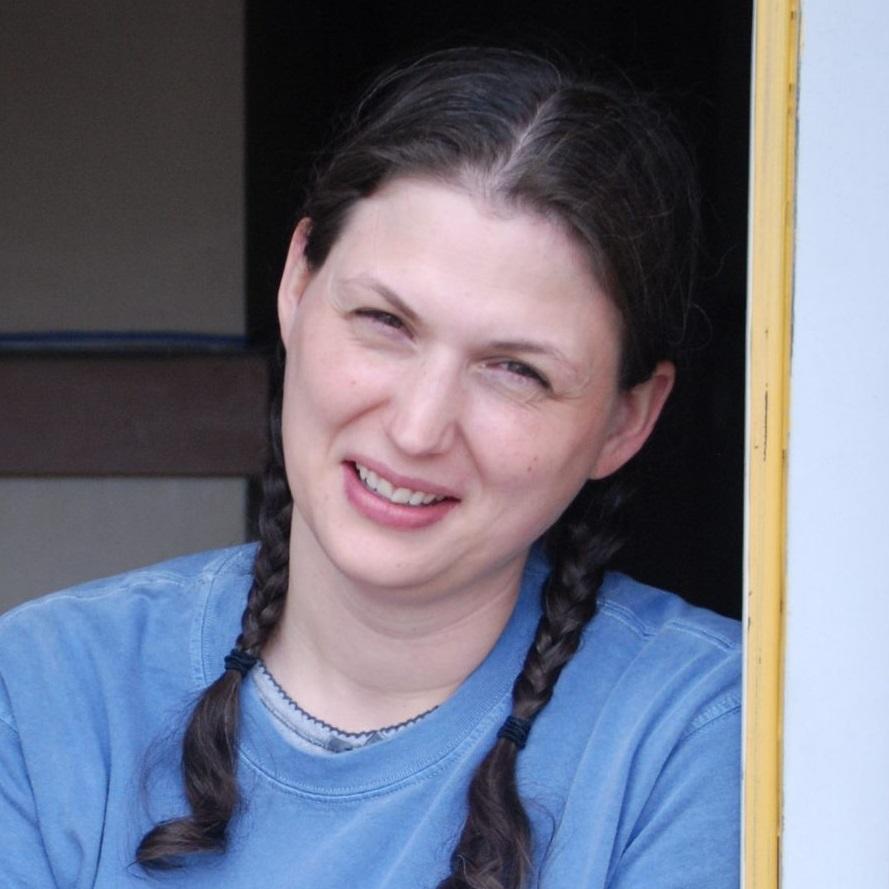
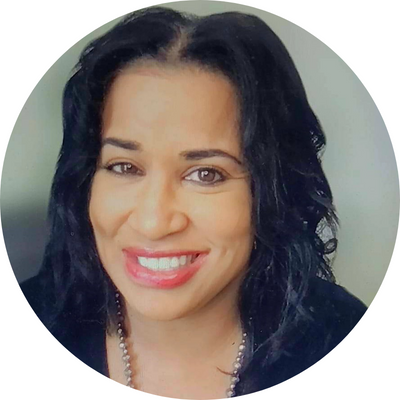
Billed as the first community fund in the state created to support and sustain Black-led and serving organizations, its founder and executive director, LaDawn Sullivan, said she launched BRIC on Juneteenth in 2020 during “a very important time in history with the COVID pandemic and then the escalated racial injustice” movement. She said during that time, many Black-led groups in Colorado stepped into crisis response that stretched far beyond their missions. They were “focused on making sure that people had food, that they had rental assistance, utility assistance, access to technology and other needs for their children,” she recalled.
Sullivan said since then, BRIC has mobilized more than $6 million in grants and partnered on a loan fund to increase access to capital for Black-led nonprofits. In an interview with Colorado Matters host Chandra Thomas Whitfield, she also highlighted a statewide leadership institute with more than 300 alumni and said their work is rooted in “trust and partnership and belief that the folks that are closest to the challenges in our community are those that are the closest to the solutions.”
Sullivan said the current political climate “presents some real challenges” as some push back against DEI. Divisive rhetoric, she said, “threatens unity and it threatens equity work,” but also strengthens BRIC’s resolve. She emphasized that progress will require “deep collaboration, trust, and partnership” among funders, nonprofits and communities.
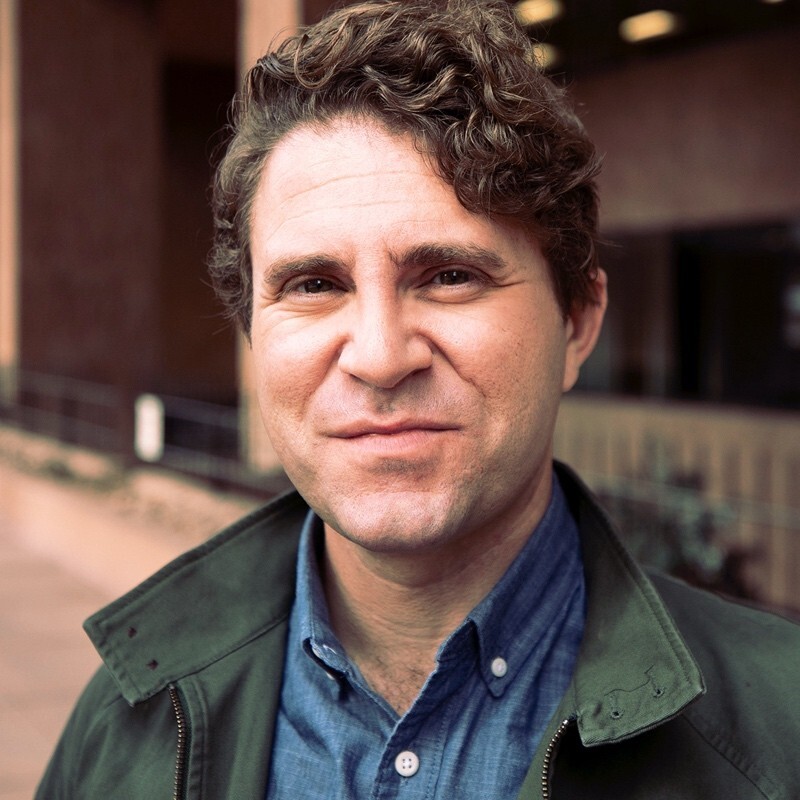
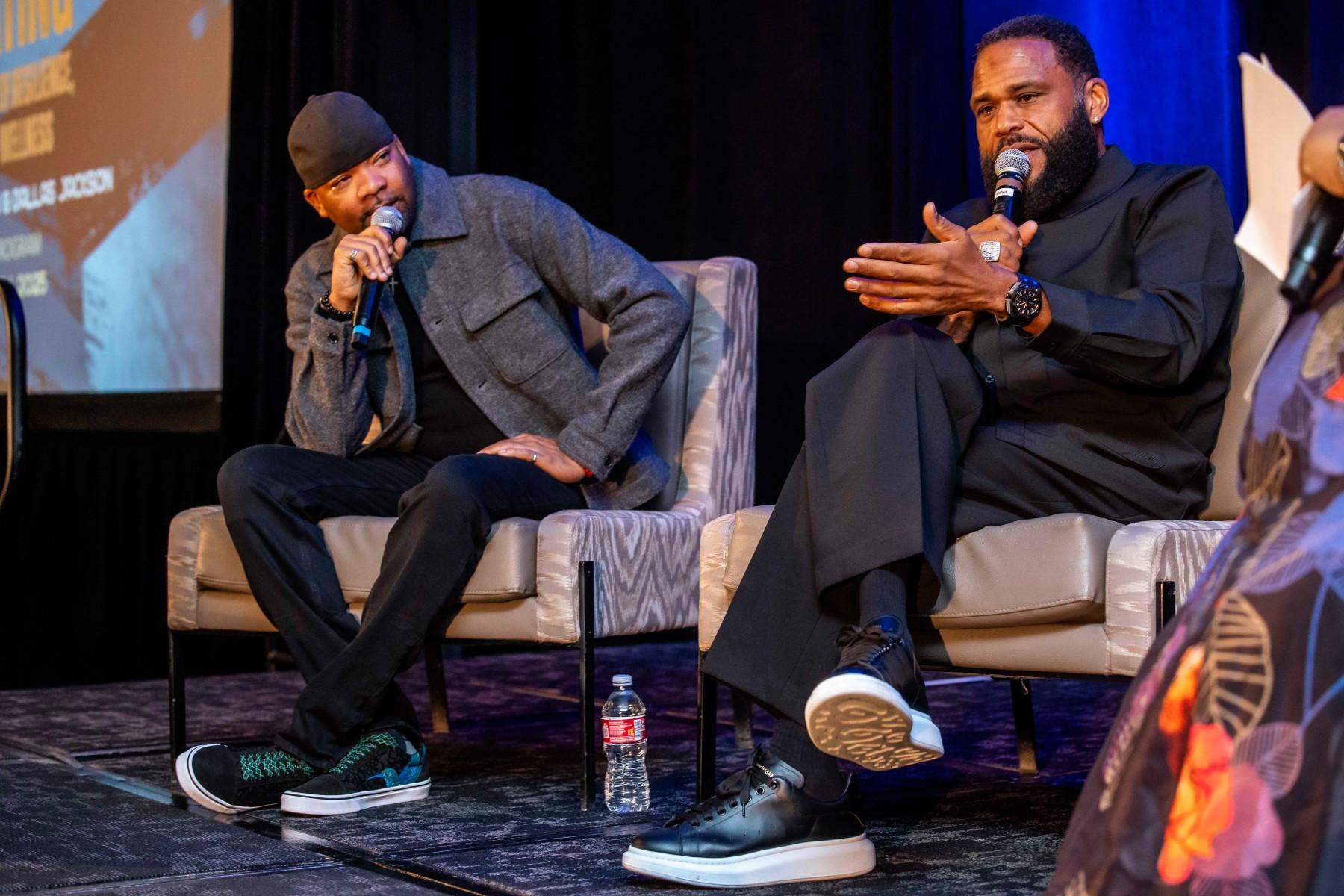
At BRIC’s recent fifth anniversary celebration in downtown Denver, Dallas Jackson, a writer/director and alum of Denver’s famed East High School, joined Sullivan onstage for an interview, alongside his friend, actor/comedian Anthony Anderson, best known for his starring role in the television series Black-ish. Both shared their backstories and expressed their support for the organization.
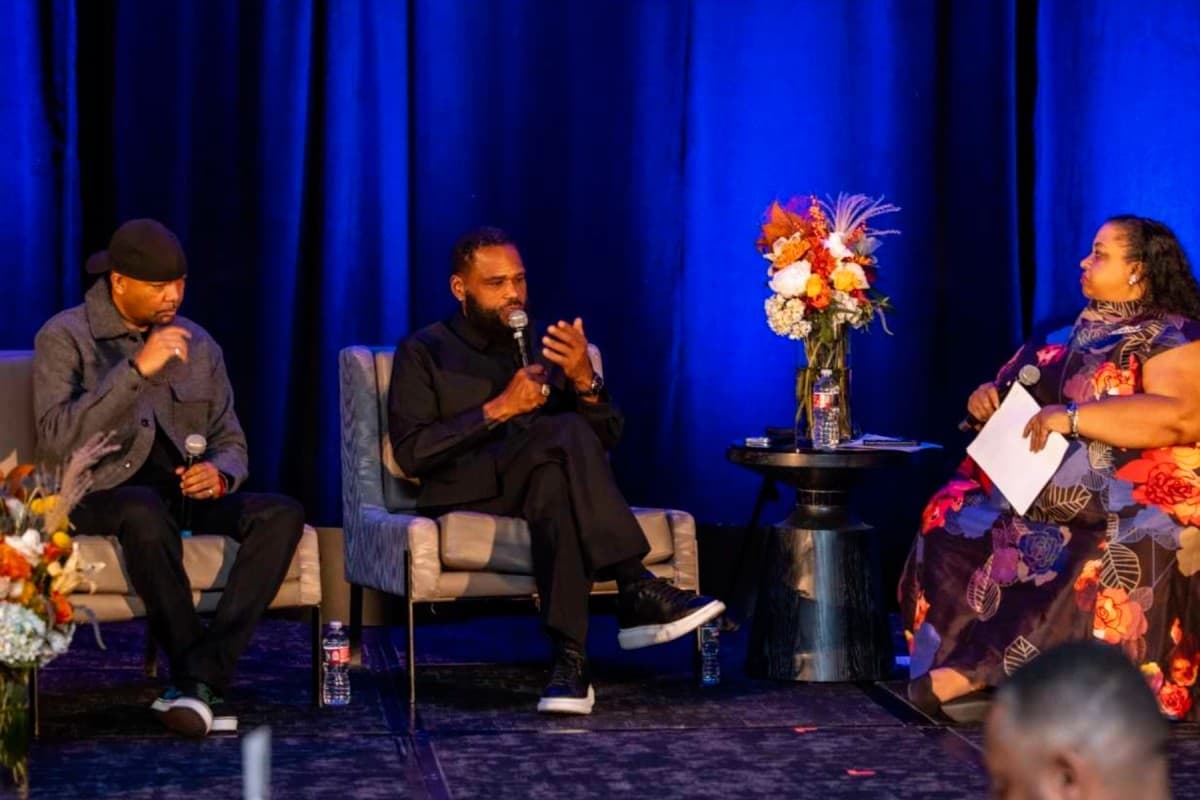
Jackson said it's important amid the DEI pushback that those who believe in its principles continue to lend their financial support because “we need an outlet for creatives” and “a place that can lend resources for someone who has a dream.” He said while growing up in Denver, he saw the film “Hollywood Shuffle” at the Ogden Theatre, sparking his desire to become a film director, but he did not initially know how to enter the industry. Now Jackson, who is writing a film he will direct at 20th Century Studios and who shared that he recently sold a television series to the NBC network about one of the first Black medical examiners in the country, said organizations like BRIC are essential. “They are supporting Black excellence and creativity and people who are resilient with their dream,” added Jackson.
Anderson said he participated in BRIC’s anniversary event because Jackson invited him and because he believes in the organization’s mission. He said it was an honor to talk about “Black excellence” among a packed crowd, members of the Colorado “community.”
Asked about his impression of the Centennial state, Anderson quipped about landing at Denver International Airport and observing the landscape. “As I was flying over, I was like, ‘Where is the grass?’” he said, with a laugh, “But Denver is great!”
Sullivan said going forward, BRIC’s success ultimately will depend on collective investment rather than the size of any single contribution, emphasizing the importance of what she called the five Ts: “our time, our talent, our treasure, our testimony, and our social ties.”
Added Sullivan, “We don't want to have any roadblocks between all of these different parts of our community so that we can work well together.”
For more information on BRIC, click here.