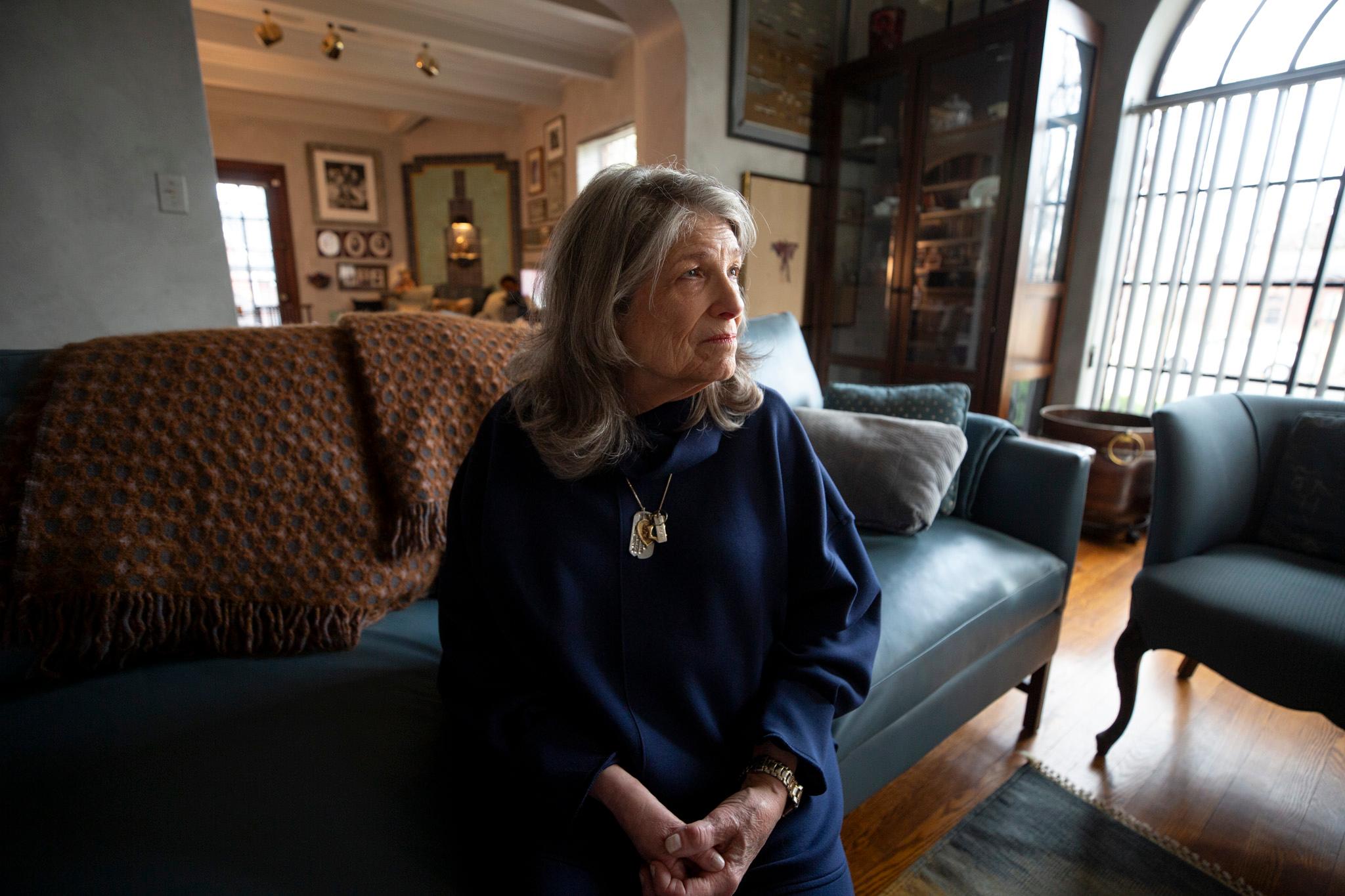
To really understand how immunization can change your life, Carol Boigon is a good person to talk to.
“Every summer everybody got sick,” said Boigon, a Denver resident. “One summer it was my turn, not just to get sick but to get disabled from it.”
It is polio, a highly contagious viral disease that attacks the nervous system, often causing partial or full paralysis. Boigon, a former Denver city council member, grew up in the 50s in Detroit, where polio was spreading in her neighborhood.
“The whole block was sick and some of us got crippled. And that was just the way it was,” she said.
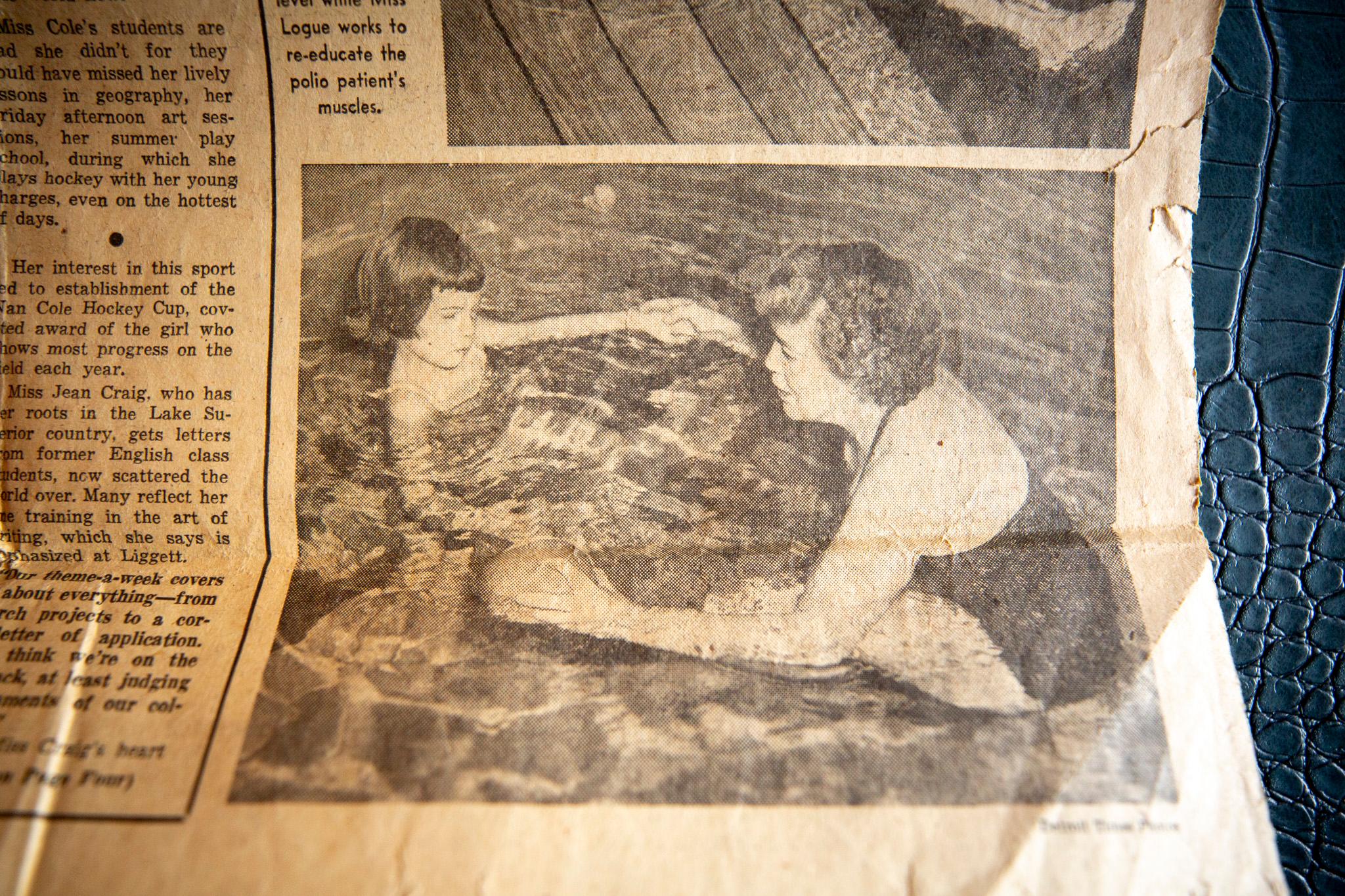
She was hospitalized for six weeks with a fever when she was 5 years old. And the virus attacked her spine. “None of my limbs worked immediately afterwards,” Boigon said.
Her right arm never fully recovered. She showed me it's smaller, skinnier, weaker than the other.
“I'm a one-armed person basically,” she said, noting she had to adapt to many aspects of everyday living, like reaching out to shake hands with her left hand.
The next year, 1954, polio vaccines arrived, becoming available to the general population.
“After 1954, it was a new world,” Boigon said.
New group steps up to try to fill the void
Boigon has joined a new group called Colorado Chooses Vaccines, which held a meeting recently in Denver.
With federal health leadership and agencies seemingly steering the country away from broad vaccine coverage, the coalition aims to fill the gap in Colorado with policy proposals, plus science-based information and communication.
“It was in direct response to the federal threats,” said former state lawmaker Susan Lontine, who leads Immunize Colorado. “A couple of us had gotten together and felt like we needed to assemble a group of folks to talk about what we can do.”
At this point, funding is scarce, she said, so the coalition also aims to raise money.
'An historic victory over a dread disease'
“Polio was once one of the most feared diseases in the United States. Thanks to the polio vaccine, wild poliovirus has been eliminated in this country,” states the website for the federal Centers for Disease Control and Prevention.
Epidemics of poliomyelitis hit frequently in the late 1800s and early 1900s, according to the World Health Organization. In 1916, a major outbreak in New York City killed more than 2000 people; in 1952, the worst recorded outbreak in the U.S. killed more than 3000. By mid-century, the disease was paralyzing or killing more than half a million people globally.
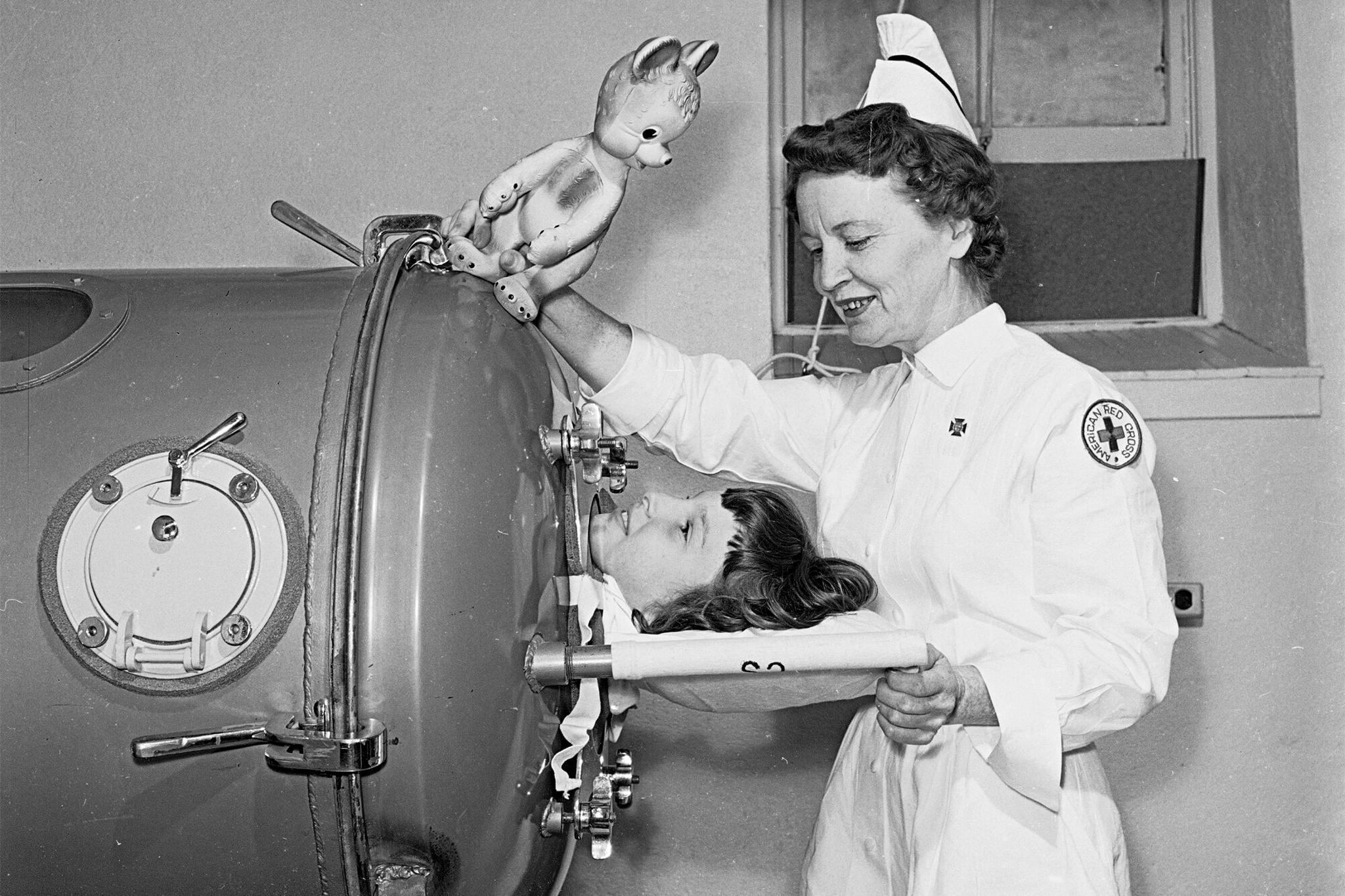
“The hallmarks of the Polio Era were children on crutches and in iron lungs, shuttered swimming pools, theaters warning moviegoers to not sit too close to one another,” NPR explained in a story on the 60th anniversary of the development of a vaccine.
But scientists were working on a solution.
U.S. physician Jonas Salk, working at the University of Michigan, in the same state where Carol Boigon was growing up, created the first safe and effective vaccine. He tested it on himself and his family in 1953. A year later, 1.6 million children in the U.S. Canada, and Finland were vaccinated.
Grainy newsreel footage link from April of 1955 hailed the development of the polio vaccine as “an historic victory over a dread disease.” Headlines read “Polio Test 90% Effective” and “Salk Vaccine Beats Scourge of Childhood,” as a narrator heralds “the monumental reports that prove the Salk vaccine against crippling polio to be a sensational success.”
Within a couple years of the announcement of the vaccine, U.S. polio cases dropped 85% to 90%.
Preventable illnesses surge
Colorado Chooses Vaccines's formation comes as the nation and the state have been battling surges in vaccine-preventable illnesses. That includes flu, which hit a record in Colorado hospitalizations in recent weeks, and measles, which saw a dramatic spike in the state in 2025, recording some three dozen cases. For the first time in a quarter century, the U.S. could lose its measles-free status.
Colorado pediatrician Sean O'Leary is part of the new group. He's been speaking out nationally in his role as chair of an infectious disease committee for the American Academy of Pediatrics.
“What our experience has been, it's like the new Leonardo DiCaprio movie. It's just one thing after another,” said O’Leary, a professor of pediatrics at the University of Colorado School of Medicine.
Health agencies led by Robert F. Kennedy Jr., who has been a longtime vaccine skeptic, have upended a system of vaccine research and decision-making that's been in place for decades. Most recently they limited the number of vaccines routinely recommended for children.
“First of all, people should know we're not taking vaccines away from anybody. If you want to get the vaccine, you could get it. It's gonna be fully covered by insurance just like it was before,” Kennedy recently told CBS News.
A reporter asked if the steps the administration has taken will result in fewer people getting a vaccine for flu. “Well, that may be, and maybe that's a better thing,” Kennedy responded.
Research doesn’t support policy
When the U.S. Department of Health and Human Services announced changes to the childhood immunization schedule, it said President Donald Trump directed it to examine how other developed nations protect their children and to take action if they are doing better.
“After an exhaustive review of the evidence, we are aligning the U.S. childhood vaccine schedule with international consensus while strengthening transparency and informed consent,” Kennedy said in a press release. “This decision protects children, respects families, and rebuilds trust in public health.”
But major medical groups like the American Academy of Pediatrics, which has been making vaccine recommendations for decades before the federal government, maintain that's definitely not a better thing. The AAP president called changes to the vaccine schedule “dangerous and unnecessary." The AAP will continue to publish its own childhood vaccination recommendations. The group says research shows fewer people getting vaccines will mean more people get sick, some with serious illness, some dying.
O'Leary said the new coalition aims to join forces with others who believe in vaccines.
“I think what we're doing here with this coalition is really creating a broader tent,” he said. That means reaching beyond other advocates, local public health officials and professional societies to “the folks who don't really think about immunizations all that often.”
‘Scary and uncertain’
One member is Denver mom Sam Hochman, with the group Colorado Families for Vaccines.
“It's scary and it's uncertain. And I think Colorado did a really good job last year of trying to prevent some of the fallout,” said Hockman.
Colorado diverged from the federal recommendations on several fronts. That includes changing its vaccine guidance to take into account not just federal recommendations but the views of key medical groups that review vaccines.
Elizabeth Garcia, a public relations specialist, said she'd like to see more messages reach the Hispanic population. Vaccination rates for Hispanic Coloradans, for things like flu and covid, lag well behind other groups.
“A lot of time it's this fear that they're gonna have to pay out of pocket. That their insurance doesn't cover it, that they might not even have insurance in general,” Garcia said.
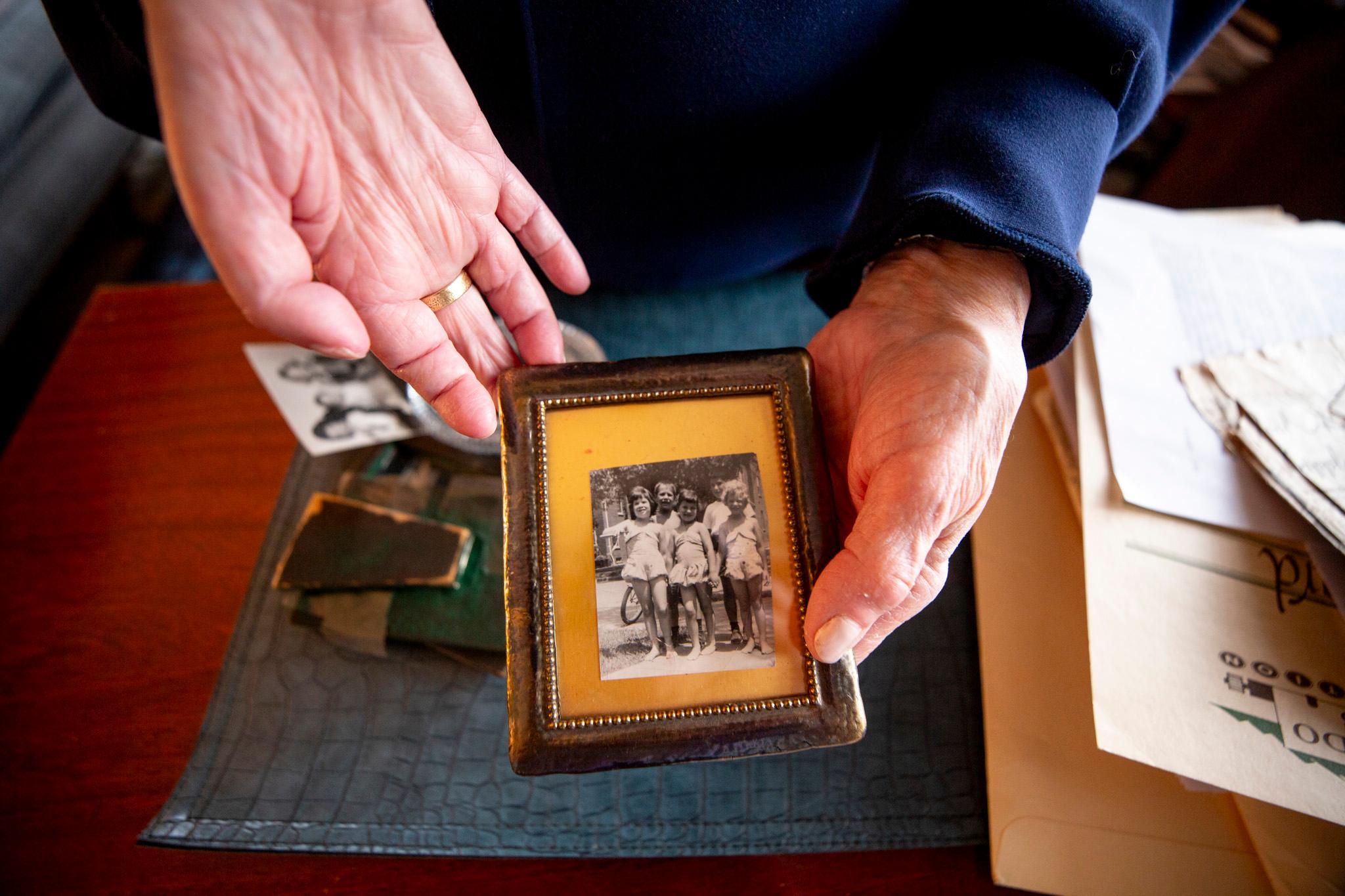
Polio survivor Carol Boigon said she's glad to be joining the fight and speaking out.
“It's like we're going backwards. It's like we have decided we don't want a modern life. We want to be back in the 1950s where children are sick and dying,” Boigon said.
She worries the consequences of national backsliding on vaccines could be profound.