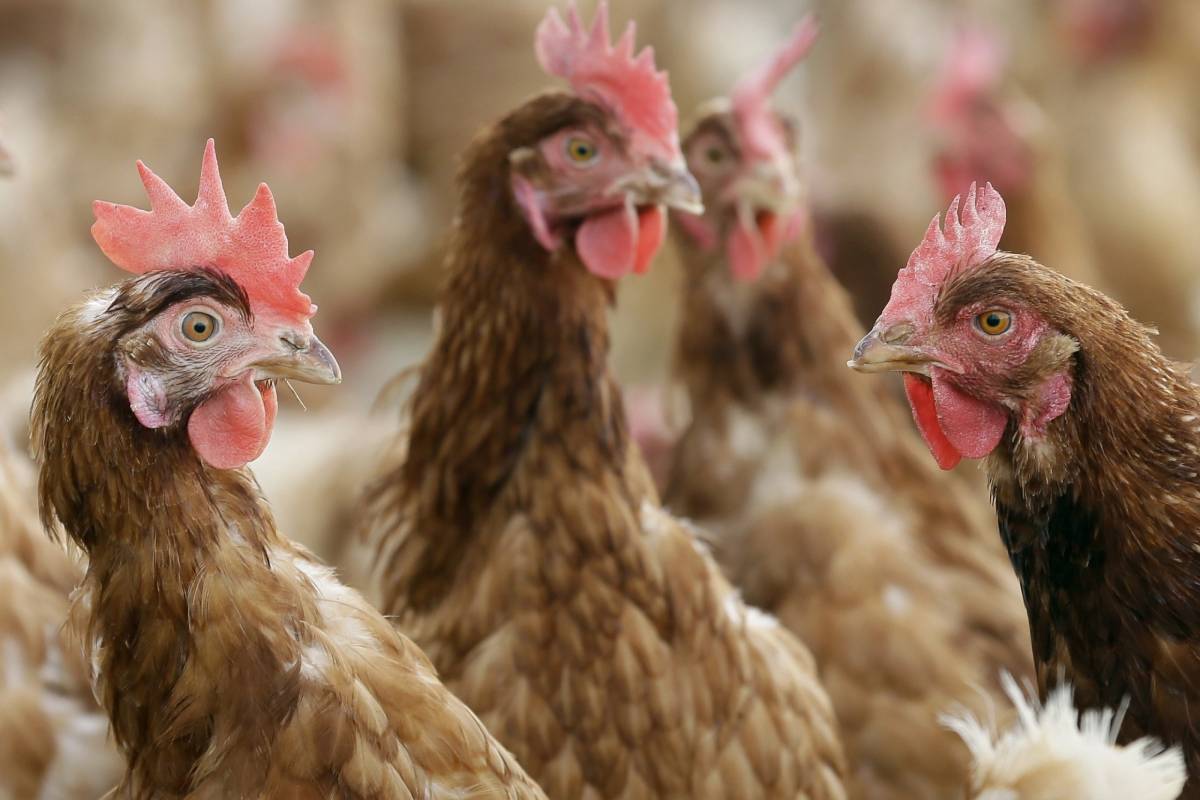
Avian flu concerns are ramping up further in Weld County, after hens at an egg operation with 1.3 million chickens tested positive for the virus last week. Agriculture officials have issued poultry quarantine orders for the area and the state has enacted a disaster declaration for Weld County.
Avian flu has been present in the state since 2022 and has been blamed nationally as a driver of high egg prices. It has no cure and has up to a 100 percent mortality rate in domestic poultry flocks.
“The first thing that they see is a lot of birds getting sick and a lot of birds dying very quickly,” Colorado State Veterinarian Maggie Baldwin told CPR News. “It is a really, really unfortunate disease … there's nothing that we can do to cure those animals.”
Baldwin said all of the birds in the infected Weld County flock will be euthanized.
The Colorado Department of Agriculture set up a response center on-site at the farm, which it has not publicly named, to kill and dispose of the chickens. This is the first time since July 2024 that avian flu has been detected in a commercial flock in Colorado. However, four backyard flocks in Morgan, Logan and Larimer counties have tested positive in the past two months.
The virus can spread easily and often does so through migratory birds, which can interact with domestic poultry and infect them.
“We have seen a lot of reports over the last several months of a lot of different species of wild birds that have been detected positive here in Colorado,” said Baldwin.
The state is asking residents not to move any poultry or poultry products (including eggs) in or out of the quarantine zone around the farm so as not to spread the virus further, and for poultry owners to report any potential cases immediately.
Avian flu does not pose much of a threat to humans, but infection is possible, so the state is taking precautions. “One of our top priorities is for the folks that are working on site to make sure they're wearing adequate personal protective equipment, and that includes things like coveralls and gloves and masks and eye protection,” said Baldwin.
The state stresses that cooked eggs and poultry are safe to eat.
Department of Agriculture communications director Olga Robak said 10 million chickens had been culled in Colorado since the virus arrived in 2022. She said the general message to the public is “there’s no reason to panic,” but recommended never touching dead birds. “It’s a big threat to the birds, but a small threat to folks on the ground responding."
The avian flu can also spread to cows. The Colorado Department of Agriculture is asking livestock and poultry farmers — and backyard poultry hobbyists — to monitor their animals for disease, and use proper biosecurity measures so their flocks don’t get infected by other domestic birds or migratory birds passing through. Domestic animals, including cats and dogs, can also contract the virus.
For flock owners, Baldwin recommends keeping birds inside a barn or other facility, and wearing protective clothing over your clothes — even a clean pair of overalls or jumpsuit will do — and covering your shoes, so as not to introduce wild bird droppings into the flock.
“Owners sometimes see clinical signs, so they might see the birds get sick very suddenly, but typically what we see is a really high mortality rate,” reiterated Baldwin.
She added that this particular strain of the bird flu, called H5NI, is particularly persistent and has been impacting the wild bird population for several years, killing geese, ducks, eagles, hawks and other species. Unlike past strains, it hasn’t faded away over time.
“There's a lot of folks that are trying to do research to figure out why this strain of the virus has been hanging on as long as it can, and it's puzzling a lot of our avian influenza experts,” Baldwin said.