The Sand Creek Massacre Foundation is accusing the federal government of repeating history.
“We are again witnessing the dehumanization of targeted groups of people, the deputizing of an untrained militia given extrajudicial rights to attack civilians, egregious disregard for the rule of law, and the disintegration of human rights,” the Foundation said in a statement put out on Friday. “The forces behind these government-sanctioned acts happening today in the United States are the same as those that drove the Sand Creek Massacre in 1864.”
The comments come as tensions across the country have escalated after the killing of two civilians by U.S. Immigration and Customs Enforcement in Minnesota, multiple shootings of civilians by federal agents, and recent arrests of Native Americans by ICE.
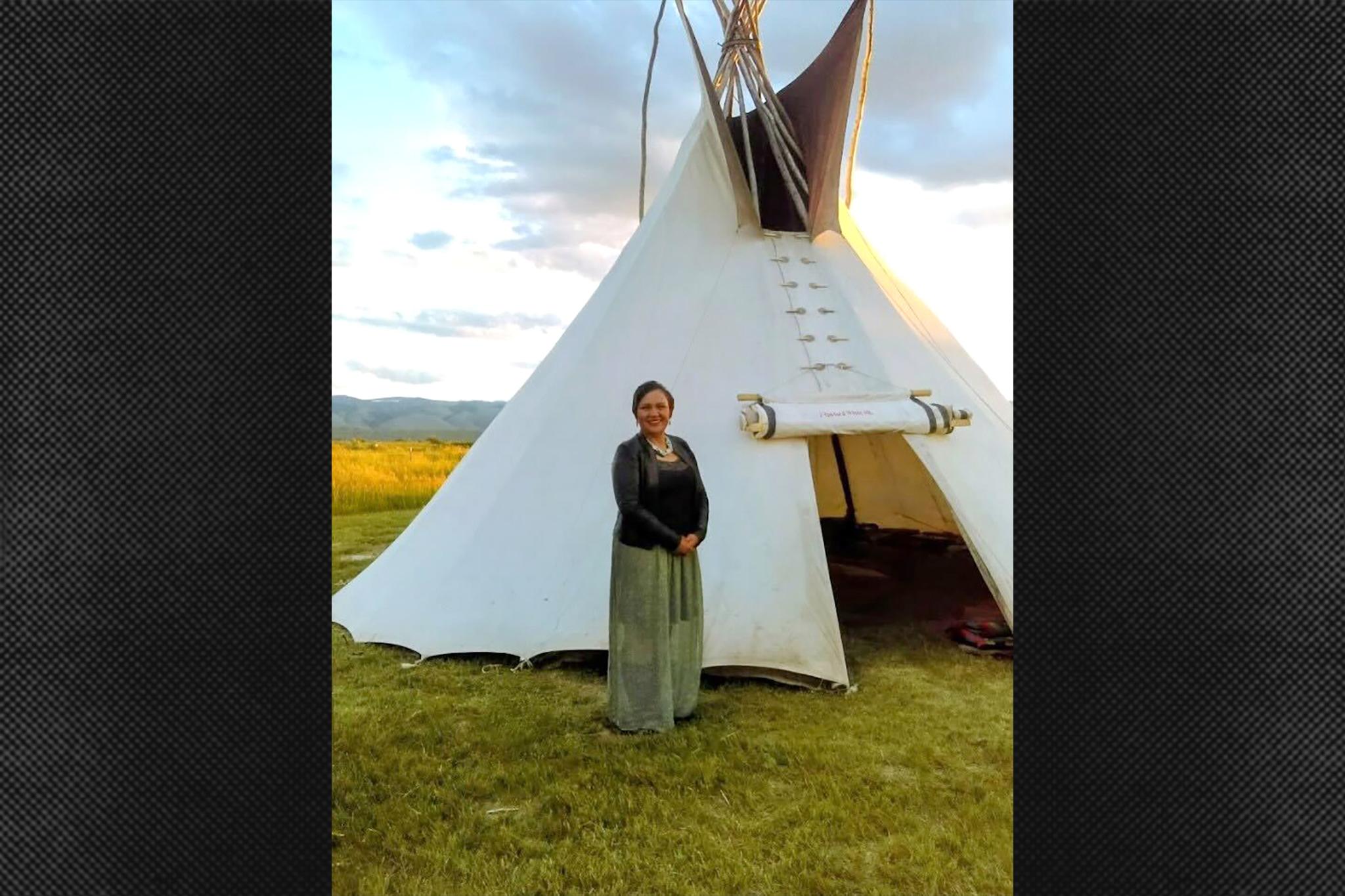
“I'm going to cry,” Dodie White Eagle, a member of the foundation's board and descendant of survivors of the massacre, said. “The kidnapping of children, the invading of our sovereign lands, and they're taking our own people.”
The Sand Creek Massacre Foundation was created more than 150 years after the Sand Creek Massacre, when the U.S. Army opened fire on 230 unsuspecting Native Americans who were mostly women, children, and the elderly.
In the statement, the foundation said it exists to learn from the past and works to make sure atrocities, like the ones the Cheyenne and Arapaho people faced, never happen again.
White Eagle told KRCC she grew up always by her grandma's side, listening to her stories, and learning the Native American history she was never taught in school.
“(My grandma told) her story and the atrocities that they faced, and having to hear about how at the battle, how she ran,” White Eagle said.
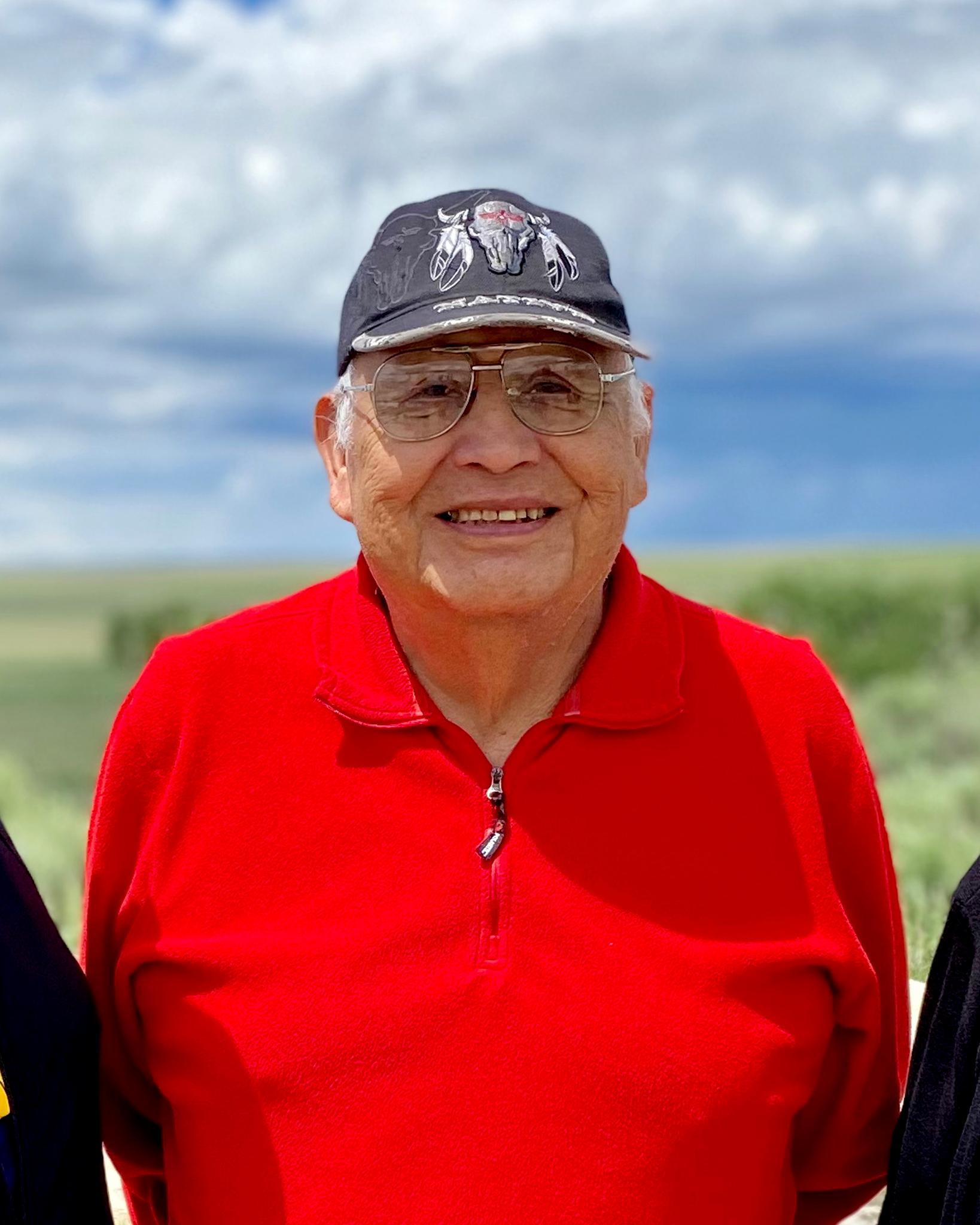
The generational memories that White Eagle carries are what she said pushed her to advocate for the foundation to publish the 2026 statement titled “Komaahe vo’estaneo’o tsesaa’evahosetseto’omeneheheo’o.”
Translated from Cheyenne to English, it reads, “So that nobody else will have to suffer similar hardships.”
“It's triggering all of the pain and the trauma that my grandmother would talk about and (why) they advocated tirelessly so that their memories wouldn't be forgotten,” White Eagle said.
Attached to the statement is a poem from Cheyenne Ve’Kesohnestoohe, a descendant of a Sand Creek Massacre survivor. It's an adaptation of a sermon by Martin Niemoller, a German pastor who spoke out against Nazi rule.
“First, they came after the Mexican people. I did not speak out because I was not a Mexican person,” Ve’Kesohnestoohe’s poem begins.
“Then they came for the Cheyenne people,” Ve’Kesohnestoohe’s poem ends. “When they came after me, there was no one left to speak for me.”