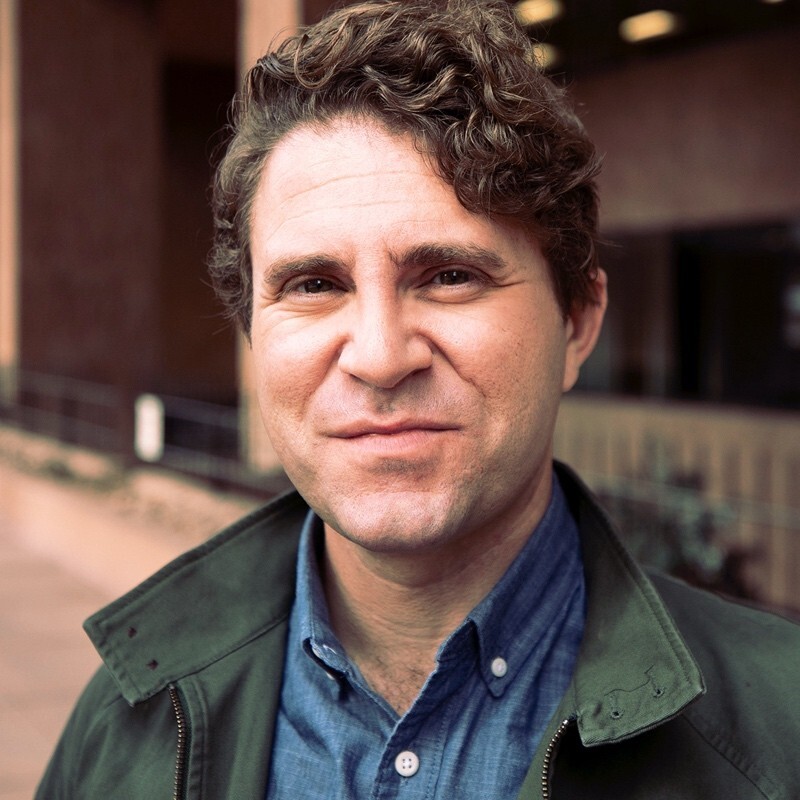

There was barely a trace of snow left on the towering gray peaks across the road from Dwight Mondragon’s weathered ranch house. It’s a home Mondragon inherited from his father; a house that was built the year he was born on this now century-old family ranch near Colorado’s border with New Mexico.
Most years, on a typical late-May day like this, Mondragon said beautiful green grass a foot and a half high typically covers his 120 acres.
“Now it's barely a couple inches,” he said. “Yellow. Doesn't look good.”
Last week, Gov. Jared Polis declared a statewide drought emergency. After record-low snowpack and persistent above average temperatures, every county in Colorado is dryer than average. Mondragon’s ranch in southern Costilla County is facing some of the worst conditions, but there is plenty of very bad drought to go around.
“We are tracking stress around the state,” said Colorado’s Agriculture Commissioner Kate Greenberg during a meeting of Colorado’s Drought Task Force in early June. “Stress on crops, stress on livestock, stress on people.”
Mondragon’s small herd of 20 cows and their calves picked through the bone dry grass, looking for whatever green they could find.

“I don't see much pasture left in this field,” he said. “I'm going to have to move them here pretty soon.”
The emergency declaration coincides with moving to phase 3 of the state’s drought response plan. It allows the Governor to access and appropriate money available in Colorado’s disaster emergency fund and sets up stronger state coordination on dispersing those resources. In addition, it opens the possibility of asking the White House to issue a federal emergency declaration.
As it currently stands, farmers and ranchers can apply for a suite of relief options ranging from emergency loans, to grants for crop loss, to reimbursements for the travel costs of hauling extra feed or water for livestock.
The Colorado Department of Agriculture said it cannot yet quantify how many people have applied for these various resources, but that many ag producers have been inquiring about their aid options.

About 160 round hay bails were stacked near Mondragon’s corral. It’s all he has to get him through this upcoming winter, he said, and he’s not at all sure it will be enough.
“If I have to start buying hay to feed my animals, then it's not worth it,” Mondragon said. “So, then I'll have to get rid of some of them.”
Summer 2002 was the last time he went through a dry spell like this. Conditions were bad enough that year the ranch was forced to downsize the herd by half. More than two decades later, Mondragon’s herd is still half the size it was before the 2002 drought. If this year’s drought forces him to downsize again, he worries the business will no longer be viable.


Many of his neighbors are in a similar position, he noted.
“That's a heartbreaking situation,” Mondragon said. “I don't want to let this farm go to waste. Once the cows are off of here, there's nothing left.”
While Mondragon said he’s reluctant to apply for government assistance, he’s ready to consider it. At 57, he hopes to pass the ranch down to his two adult sons at some point. One son and Mondragon’s granddaughter are already living back on the property.
“They're going to have a hard time here,” Mondragon said. “I've been trying to get it set up for them. We've got new tractors, a new baler. But, everything depends on moisture right now.”
Seasonal forecasts from the National Weather Service possibly indicate a strong monsoon season for Colorado. That could mean a rainier-than-average late summer.
“We’ll get water eventually,” he said. “Something my Dad always told me, ‘Have lots of faith and patience.’”


After a record-breaking season of low snowpack, Colorado is entering summer 2026 in a deep drought.
CPR News is covering this unfolding story and its impacts on communities, the Colorado River, farmers and ranchers, outdoor recreation and the environment through a new series, Water Pressure.