It's not clear if a Buc-ee's travel stop meets the criteria of a ‘convenience store’ under El Paso County land use codes. That's the determination from the director of Planning and Community Development after the company sought the designation last month.
The decision is neither an "approval or denial," according to the county. Buc-ee's has 30 days to appeal, but other development applications could be reviewed separately.
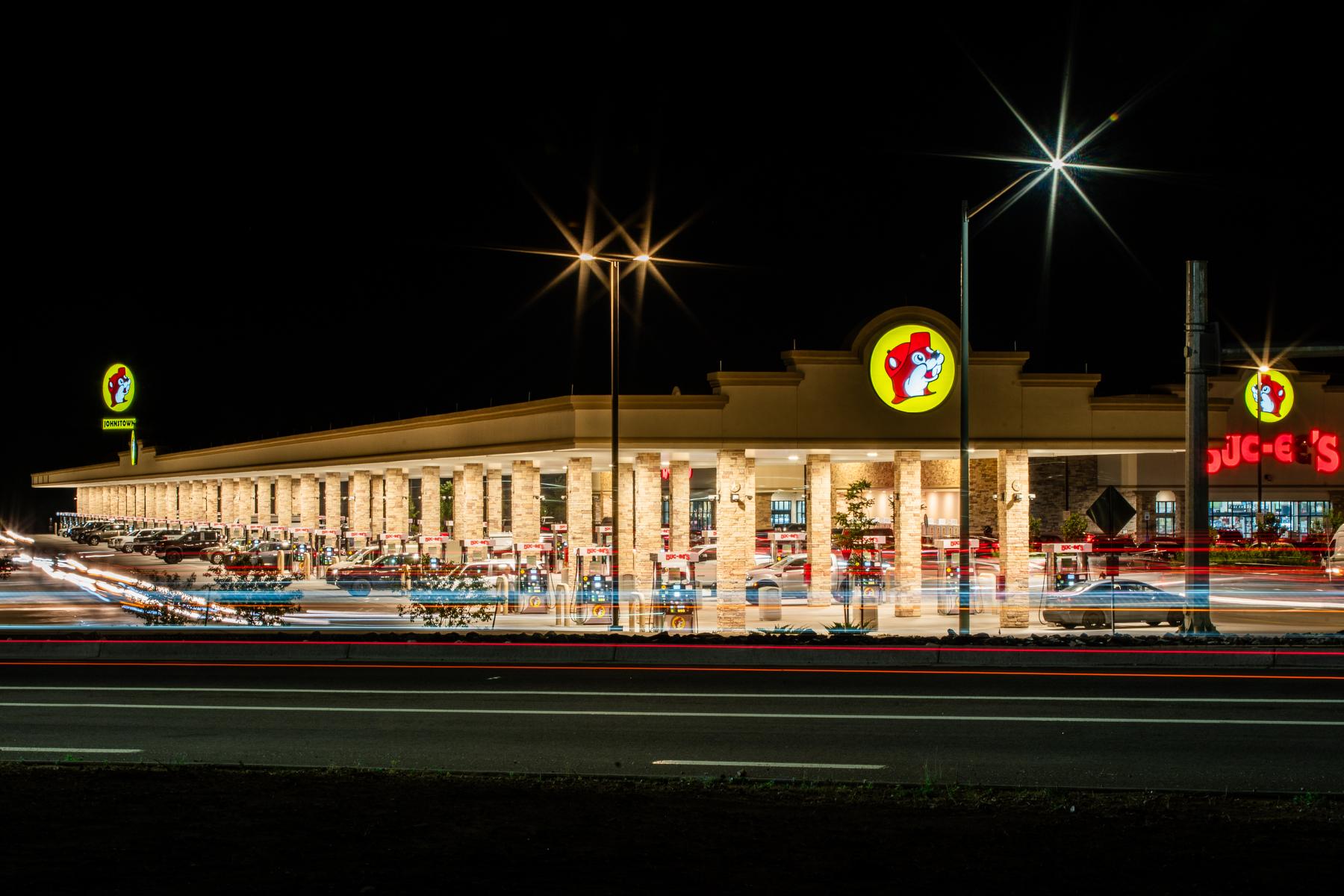
In a nearly 300-page application, the company known for its sparkly bathrooms and massive food and gift emporiums sought an administrative decision from the county that would define its proposed outpost on Monument Hill as a convenience store under the Land Development Code. Or, would at least consider the business a similar permitted use.
If the request had been approved outright, future applications for construction or other activity would have been handled through an administrative process and not subject to public hearings, potentially smoothing the path for construction.
"We're delighted to see this decision," said Sean Sawyer of Tri-Lakes Preservation, Inc., which formed in part to oppose the Buc-ee's development. "We've done research nationally, Buc-ee's repeatedly calls themselves travel centers, not a convenience store."
The company does boast that its location in New Braunfels, TX, is “the World’s Largest Convenience Store.”
As part of an ambitious national expansion plan, the Texas-based Buc-ee's is trying to build a second Colorado location on the west side of Interstate 25 at Monument Hill. The location is in the northern-most reaches of El Paso County, bordered by residential areas and Douglas County open space.
The company has been pursuing the project since at least 2024, when it first proposed an annexation agreement to the town of Palmer Lake.
Buc-ee’s withdrew that application earlier this year after a bitter fight in the bucolic town of 2,700 people that saw the resignations and recalls of numerous elected officials, amid allegations of intimidation. Opponents of the development said at the time they anticipated the company would try to instead secure approval through the county.
Since then, opponents have appeared in front of commission meetings to decry the proposal, which they believe will impact local quality of life, traffic, wildlife and the environment. They've also sent a deluge of emails to the county and media outlets.
According to the county, Planning and Community Development Director Megan Herington "was unable to make a determination" on the question of whether a Buc-ee’s location could be considered a convenience store. She came to that conclusion after reviewing the applicant's materials, applicable definitions and historical approvals, among other research.
"As part of the review, the Director may consider whether the function, performance characteristics and location requirements of the proposed use are consistent with the purpose and description of the zoning district," the county said.
A convenience store, as defined by the Land Development Code, is "an establishment for the purpose of offering for sale to the neighborhood in which it is located such items as groceries, ready to eat food, over the counter drugs, and sundries. A convenience store may include retail sale of gasoline and other petroleum products."
In its application letter, Buc-ee's said it would "serve residents, employees and others in the surrounding area by offering everyday convenience goods, including groceries ... ready-to-eat-foods … gifts, apparel, and other convenience retail merchandise."
It also said the fuel sales would be "an integrated component of the overall convenience retail operation," but would not offer vehicle repairs, oil changes, car washes or other "vehicle-servicing functions."
This characterization — that the travel plaza would serve locals — seems at odds with how the company pitched itself to the town of Palmer Lake during its proposal for annexation. In those documents, Buc-ee's focused on its status as an attraction, bringing new customers, and tax dollars, to the area.
The location has seen opposition from Colorado's governor and two U.S. Senators, who asked the company to reconsider its choice of location. Other areas, like Pueblo and Lamar have courted the business.