Colorado officials are developing a program to pay ranchers, farmers and irrigation districts to conserve Colorado River water, but it’s unclear how much water it will actually be able to save.
The voluntary, two-year program will be funded by $100 million from the Bureau of Reclamation, which manages the massive federal reservoirs that dot the Colorado River.
The funds will be split between water conservation programs in the river’s upper basin states — Colorado, Utah, Wyoming and New Mexico.
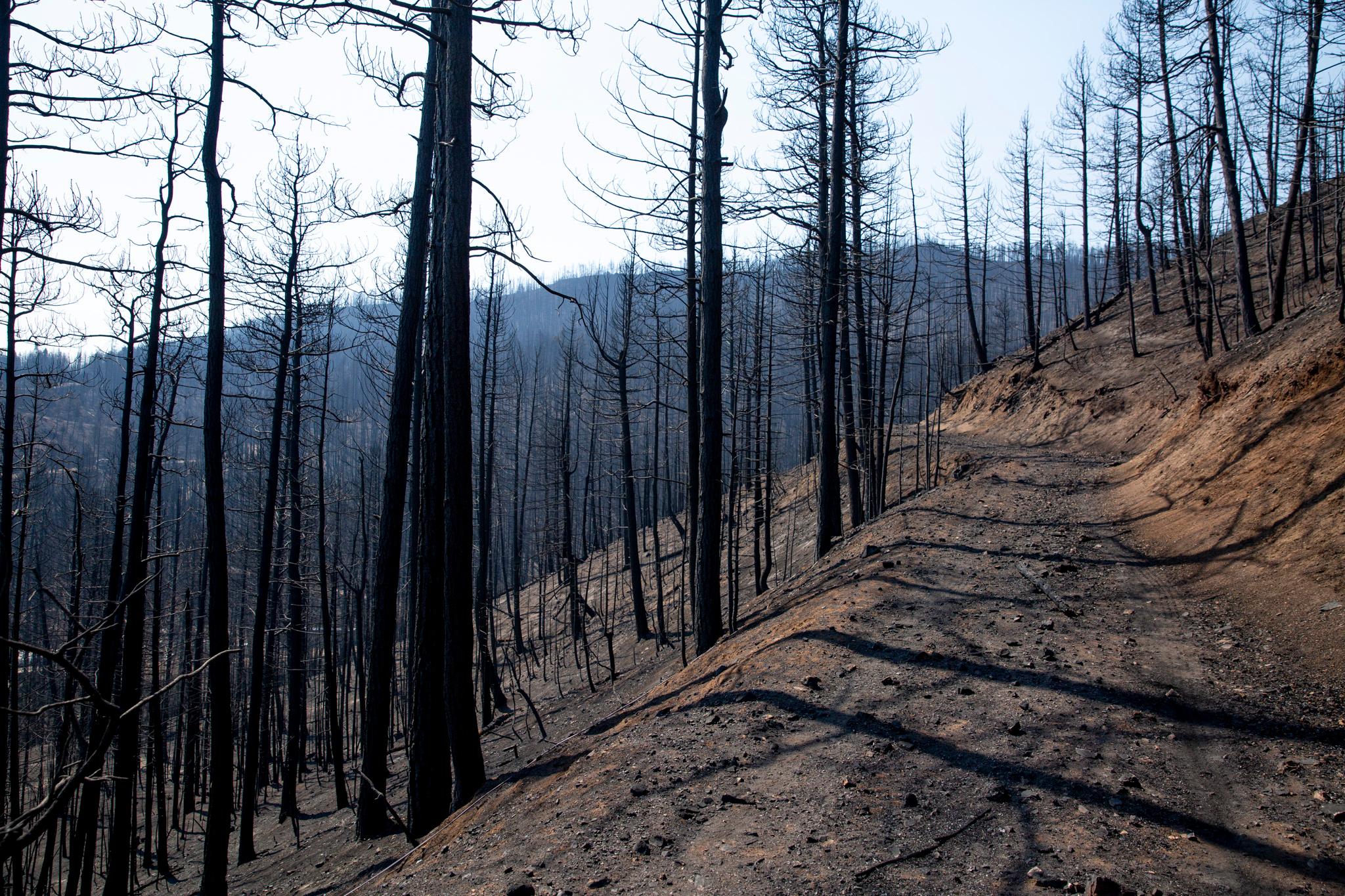
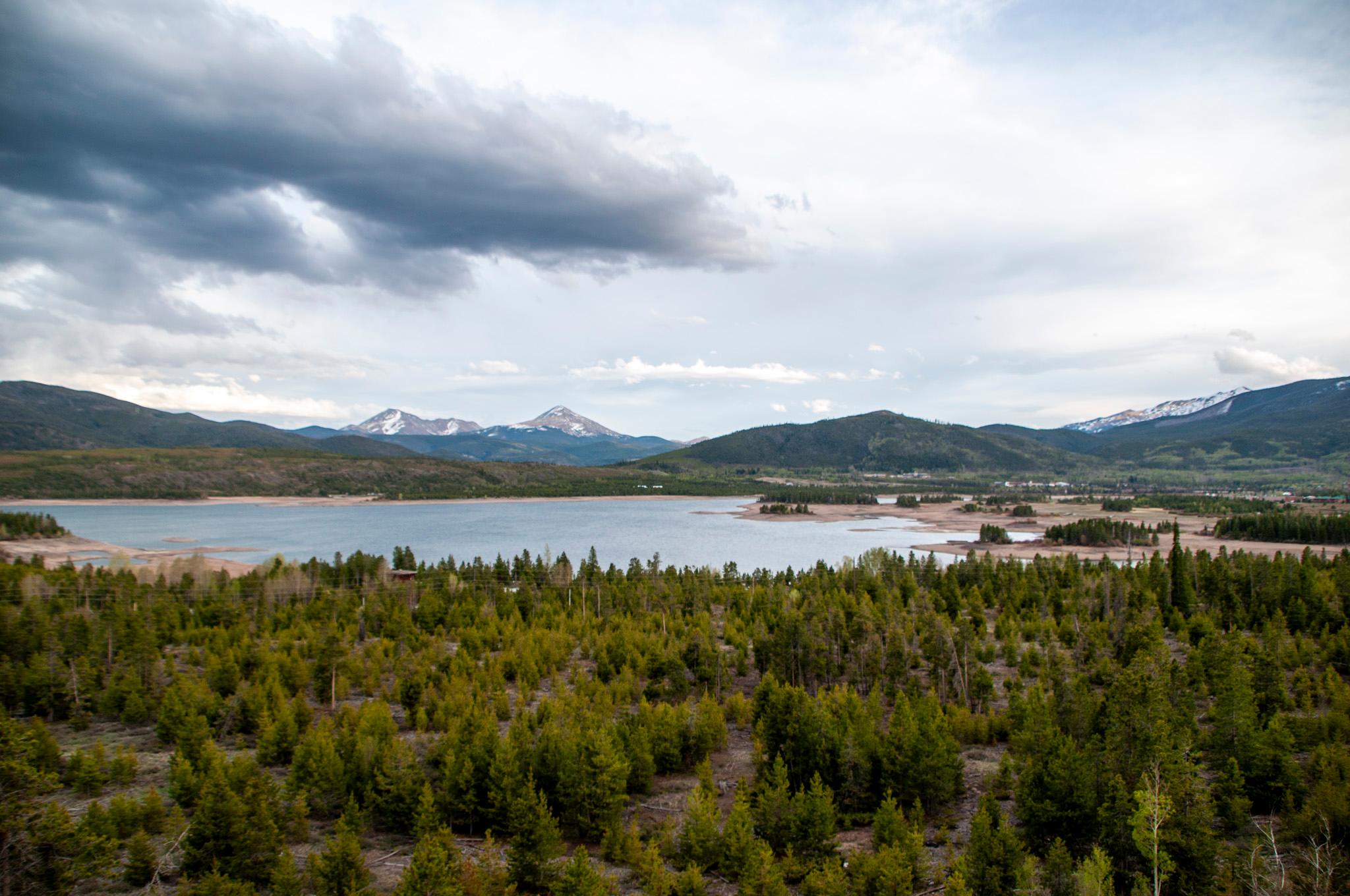
The program comes as Colorado is facing a historically dry year, with record low snowpack and an exceptionally warm spring. That means large reservoirs now look less like behemoth storage projects and are instead stagnant puddles.
The conservation program will still take months to finalize, and comes as the seven states in the Colorado River Basin have failed to reach an agreement on sharing dwindling water.
In the past decade, the federal government has periodically paid Coloradans to voluntarily cut their water usage, through limited programs like the “System Conservation Pilot.”
But that program never actually tracked what happened to the saved water once it flowed downstream to the Lower Basin states of California, Arizona and Nevada. That means the water may have ended up being consumed by large farms in Southern California or megacities like Phoenix.
The new program — known as a “near-term contribution program” — will be different, according to Amy Ostdiek, a section chief at the Colorado Water Conservation Board.
“[The water] is not just flowing downstream to the Lower Basin, but rather it is being used to the credit of the Upper Basin to build resiliency,” Ostdiek told reporters after a July 15 CWCB board meeting.
The Upper Basin states will first have to account for the total amount of water they’re paying people to save, a tricky task given that each state has different water laws. Then, the federal government will earmark, or credit, that saved water so those states can use it in the future, like a bank account.
The saved water will be stored in either Lake Powell in Utah and Arizona, Blue Mesa in Colorado, or another federal reservoir in the Upper Basin, according to Reclamation’s acting administrator Scott J. Cameron.
Cameron said the new program would use federal dollars to incentivize Upper Basin states to help stabilize water levels in federal reservoirs
“The federal government's solution is bribery,” he said to laughs while explaining the funding during a CU-Boulder conference in June.
“We put a hundred million dollars on the table … for the four Upper Basin states to show us how they can achieve conservation,” he added, and defined conservation as having more water in an Upper Basin reservoir.
Blue Mesa Reservoir, near Gunnison, is at its lowest level since its dam was built, according to Michelle Garrison, a CWCB water resources specialist. It could completely dry up and be unable to produce hydropower by year's end.
Lake Powell, the country’s second largest reservoir, is around 23% full, an astonishingly low level. It may also be unable to produce power for more than a million people across the West by sometime next year.
As basin states have been unable to agree on a Colorado River plan, Reclamation is expected to finalize its own plan by August.
Agreements and significant details need to be finalized
Significant questions about the program remain. For one, it’s unclear how much water it will actually save.
The program will have to pay users a fair price to cut back on water they’re allowed to use. The price for an acre-foot of water (a common unit used to account for water across the West) can fluctuate wildly, according to Peter Fleming, general counsel with the Colorado River District, which advocates for Western Slope water users.
Conservation projects using Western Slope water have paid roughly $500 to over $900 per acre-foot of water in recent years, Fleming said during Wednesday’s meeting.
Ostdiek said she was confident the program could save around 100,000 acre-feet of water over two years — which is about as much water as Colorado Springs consumes annually — and an extremely modest amount on the scale of Colorado River use. (The Upper Basin states are legally entitled to 7.5 million acre-feet of water every year).
It’s also unclear what exactly the saved water would be used for. It’s possible it could be used as a sort of emergency fund, if the Lower Basin states trigger a never-before-used clause to demand that the Upper Basin states send them more water.
Working out a credit and accounting system would also require a legal agreement with Reclamation, which could take months to finalize. A provisional water accounting agreement with Reclamation expires this year.
Ostdiek also said Reclamation needs to legally obligate the $100 million to the states by September, and Colorado wants to “hit the ground running” after mid-September, a very tight turnaround.
“There's a lot yet to be discussed or put forward,” said John Berggren, a Colorado River expert at Western Resource Advocates. “A lot of the details need to be worked out.”
Program could provide opening in negotiations
A major sticking point in Colorado River negotiations has been the Upper Basin’s unwillingness to agree to mandatory water cuts, unlike the Lower Basin states, who’ve agreed to cutbacks in their proposals.
The River starts high in the Colorado Rockies and is fed by increasingly fickle rain and snowfall. As a result, officials like Becky Mitchell, Colorado’s top river negotiator, insist they can’t commit to fixed water cuts.
“We cannot guarantee a certain amount of water will be conserved in a given year because we don’t know how much water our water users are going to get,” Ostdiek said of the proposed program.
“We can't conserve water that we're not getting in the first place.”
The proposed program, though, could provide an opening. If the Upper Basin states are able to save a meaningful amount of water, that could help both sides coalesce around an agreement.
“If the four Upper Basin states put forward a contribution program that the Lower Basin states feel is worthwhile and meaningful,” Berggren said, “then we could see a seven-state agreement at some point, maybe, down the road.”
Cameron, from Reclamation, said his agency would be happy to scrap a federal plan at any point in the next decade, if the seven states successfully reach their own agreement.
They’ve been trying, and failing, for years.

After a record-breaking season of low snowpack, Colorado is entering summer 2026 in a deep drought.
CPR News is covering this unfolding story and its impacts on communities, the Colorado River, farmers and ranchers, outdoor recreation and the environment through a new series, Water Pressure.