Colorado’s 2025 “water year” — a 12-month period that tracks water in the state — was a scorcher, according to a new report from the Colorado Climate Center at CSU.
The “water year” runs from October 1 until September 30 of the following year. It’s used by scientists to keep track of how water accumulates in the state, from the earliest snowpack to when runoff flows into Colorado’s streams and reservoirs.
The 2025 water year was the 10th hottest year on record, which stretches back to 1895. A few Western Slope locations even saw their warmest years on record. The research focuses on temperature, drought and precipitation, including rain and snow.
October 2024 was also the hottest October ever recorded in that dataset. Most months also recorded above-average temperatures compared to the past century.
Temperatures have been steadily increasing across Colorado, said Allie Mazurek, an engagement climatologist who works at the center.
“Seven of our 10 warmest water years have actually occurred since 2012,” she said.
While statewide temperatures trended high, precipitation across the state was only slightly below average. But it’s a different story when comparing the Eastern Plains to the Western Slope, which saw its water fortunes sharply diverge as the year went on.
That’s because conditions can change rapidly over a water year, and significant events, like heavy snowfall or prolonged heat, can dramatically alter an area’s drought outlook.
At the start of the 2025 water year, most of Western Colorado was drought-free, while the Eastern Plains were contending with moderate to severe drought conditions, Mazurek said.
From there, the state saw a record-breaking snowstorm in November 2024, with huge accumulations in the east. Some areas even saw their wettest November on record.
Snowpack otherwise remained low through the winter and spring, parching the entire state.
In late April, some snowpack monitoring locations showed a total loss of snow, which means melting happened much earlier than expected. The worst snowpack conditions were concentrated in Southern Colorado, according to the report.
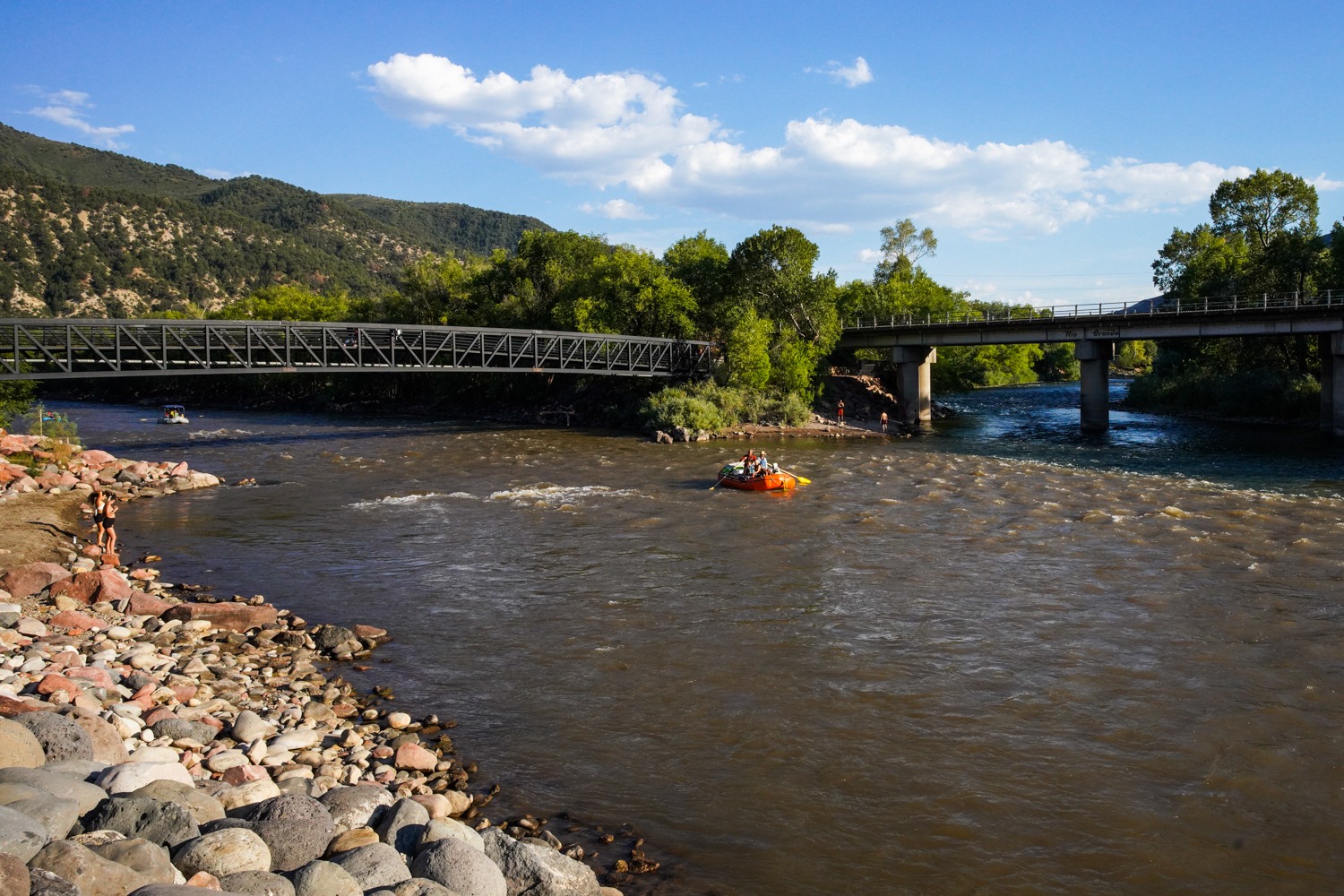
But the plains got a reprieve with summer rain and thunderstorms, while Western Colorado continued to dry out. Streamflows in Western pockets of the state approached near-record lows in some areas.
By mid-August, parts of Western Colorado were facing the most severe category of drought, according to U.S. Department of Agriculture data. Those hot and dry conditions contributed to a bevy of wildfires — the August 2025 Lee Fire is among the largest in state history.
Most of the entire mountain West ended the 2025 water year in drought, though there was considerable variation. East of the Continental Divide faced no drought in most areas, while West of the Divide was much drier.
Western Colorado saw only a fraction of its expected moisture until monsoon rains arrived in late August, behind schedule.
“Much of the West Slope saw a top-10 dry water year, while a few locations on the Eastern Plains saw a top-10 wettest year,” the report said.
As of Nov. 18, 2025, drought conditions have improved across the state, but much of Colorado remains dry. Rain and snow showers over the next week could bring some relief.