Editor's Note: This story contains mention of self-harm. If you or someone you know is considering suicide or other acts of self-harm, please visit 988Colorado.com or call or text 988 from your cell phone for free, confidential, and immediate support.
In the months following her daughter Annalee’s death by suicide, Lori Schott learned the role social media played after reading Annalee’s journals and looking through her daughter’s social media.
“I want oversight. I want responsibility. I want accountability. I want teeth in legislation that actually gives us parents and kids a fighting chance,” she said, pointing to several studies that show social media can negatively impact youth mental health.
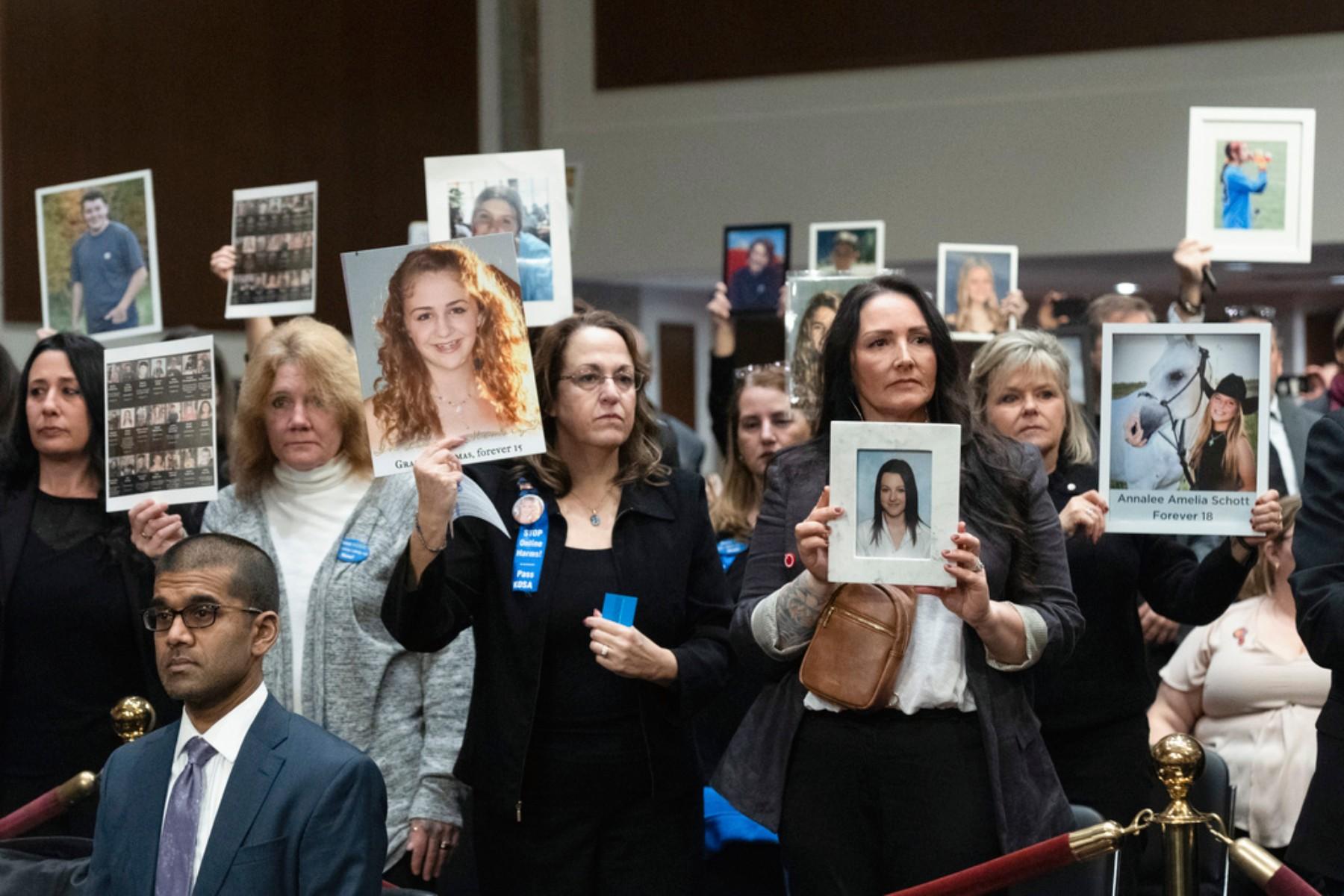
The House Energy and Commerce subcommittee on Tuesday discussed a package of 19 bills designed to protect kids online. Sitting in the hearing room was Schott, who made the trip from Merino, Colorado.
Congressional hearing rooms and offices have become a familiar place for Schott and other parents who lost children because of the harm from social media, advocating for legislation that will protect kids online.
“It was disheartening today because it's like five years, five hearings. Where are we at?” she asked rhetorically. “Look where we've been. Look where we're at. We're at the same spot.”
House package shows divides on how to protect kids online
GOP Rep. Gus Bilirakis of Florida, chair of the subcommittee on Commerce, Manufacturing and Trade, praised the package, which he said forms a “comprehensive strategy to protect kids online.”
“Our approach is straightforward, protect kids, empower parents, and future proof our legislation as new risks and technologies emerge,” he said of the package, which includes ideas from preventing social media platforms from allowing kids under the age of 16 to create or maintain accounts and requiring app stories to request age verification to protecting kids personal data and a nationwide education campaign to promote safe internet usage.
Ranking member of the subcommittee, Rep. Jan Schakowsky of Illinois, was blunt in her assessment of the slate of bills, saying they “do not do the job.”
At issue are changes to the Kids Online Safety Act (KOSA) that many advocates argue rob the bill of much-needed teeth.
The House version of KOSA, crafted by Republican leaders on the House Energy and Commerce committee, removed the “duty of care” provision found in the Senate version of the bill. It would have required social media platforms to reasonably take steps to prevent harm to kids, including bullying and promotion of suicide or eating disorders.
“This committee knows all too well that the big tech companies take advantage of young people online,” said Democratic Rep. Kathy Castor of Florida. “That is why it’s so disappointing that Republicans in the House are offering a weak, ineffectual versions of [The Child Online Privacy Protection Act] and KOSA. These versions are a gift to the big tech companies.”
Bilirakis defended the changes.
“I made precise changes to ensure KOSA is durable. Don't mistake durability for weakness,” Bilirakis said. “This bill has teeth by focusing on design features rather than protecting speech. We will ensure it can withstand legal challenges while delivering real protections for kids online and then kids and their families.”
The House version also would preempt state laws to protect kids online, including some passed in Colorado.
“They gutted it, period,” said Schott. She and many parents in the hearing room support the Senate version, which passed in July 2024 by a vote of 91-3. The House never took up the bill over First Amendment concerns. “How could they take out the actual teeth of a bill that would hold [social media companies] accountable? We know these platforms are killing kids.”
For the divisions over the changes to KOSA or bills not included for debate, many other members from both sides of the aisle were pleased to see their bills get a hearing.
One of those bills is from Colorado GOP Rep. Gabe Evans and Democratic Rep. Debbie Dingell. The No Fentanyl on Social Media Act would direct the Federal Trade Commission to produce a report on how traffickers use social media to sell fentanyl.
Schott is pleased to see some of these smaller bills advance. She likened it to poking holes in the dam that is social media.
But for all the issues the different bills seek to address, Schott knows firsthand how difficult it is to keep kids off social media. She checked her daughter’s Instagram, but it turns out Annalee had five different accounts. She told her daughter no TikTok, but later learned Annalee did have an account.
“Every platform has different parental controls, so it’s a game of whack-a-mole, and they don’t want to make it easy,” she said.
Schott just wants to see Congress take a step — even a small one — towards protecting kids.
“We’re not going to give up. The line is in the sand,” she said. And she’ll come back to the Capitol to tell the story of her daughter “time and time again” until there is better oversight and accountability for social media companies.