As hikers return to Colorado’s trails after an unusually mild winter, a less visible part of spring is also making a comeback. Ticks are emerging early — and experts say this season could be more active than most.
But even with winter weather in the upcoming forecast, the storms won’t necessarily wipe ticks out. Many survive for years, lying dormant through cold snaps and re-emerging when conditions improve.
“Normally winter acts as a bottleneck on the tick population, making it harder for them to survive,” Chris Roundy, the state’s public health entomologist told CPR News. “But with such high temperatures this year, it was easy for them to survive the winter and then get an early start on looking for hosts.”
And Colorado isn’t alone. According to data from the Center for Disease Control, there have been more emergency room visits so far this year around the country for tick bites than in any year since 2017.
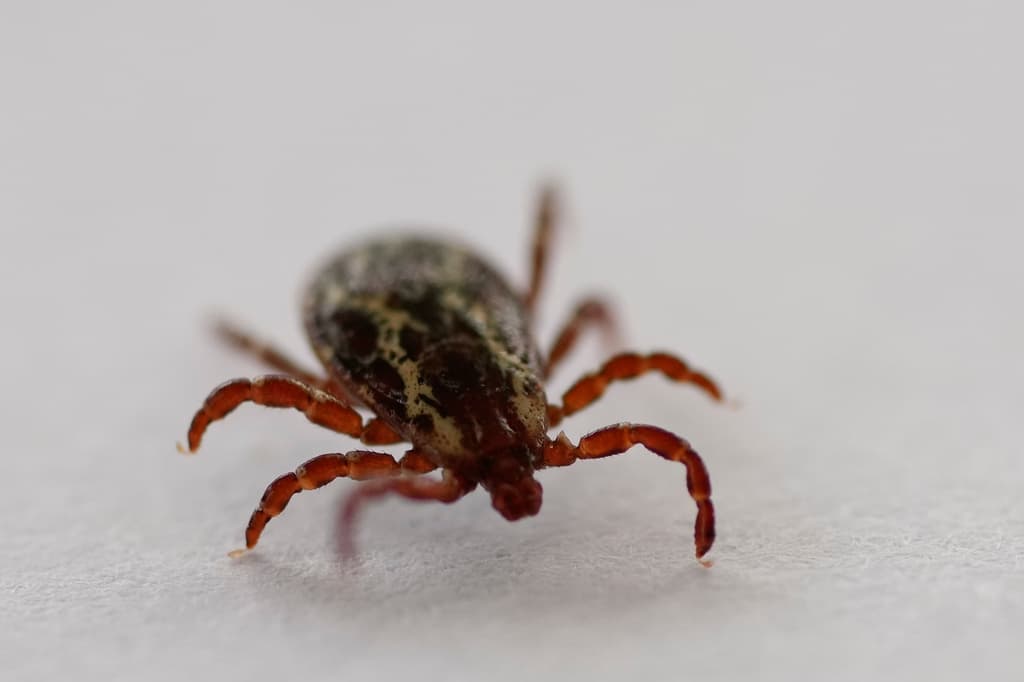
Ticks are carriers for diseases and pathogens like Rocky Mountain spotted fever — that causes a fever and a spotted rash — or Colorado tick fever — that causes extreme fatigue. Both diseases are carried by two ticks commonly encountered in Colorado: the Rocky Mountain wood tick and the American dog tick.
These tiny arachnids tend to occupy different parts of the state — with American dog ticks more common along the Front Range and eastern plains, and Rocky Mountain wood ticks more prevalent in foothills and higher elevations.
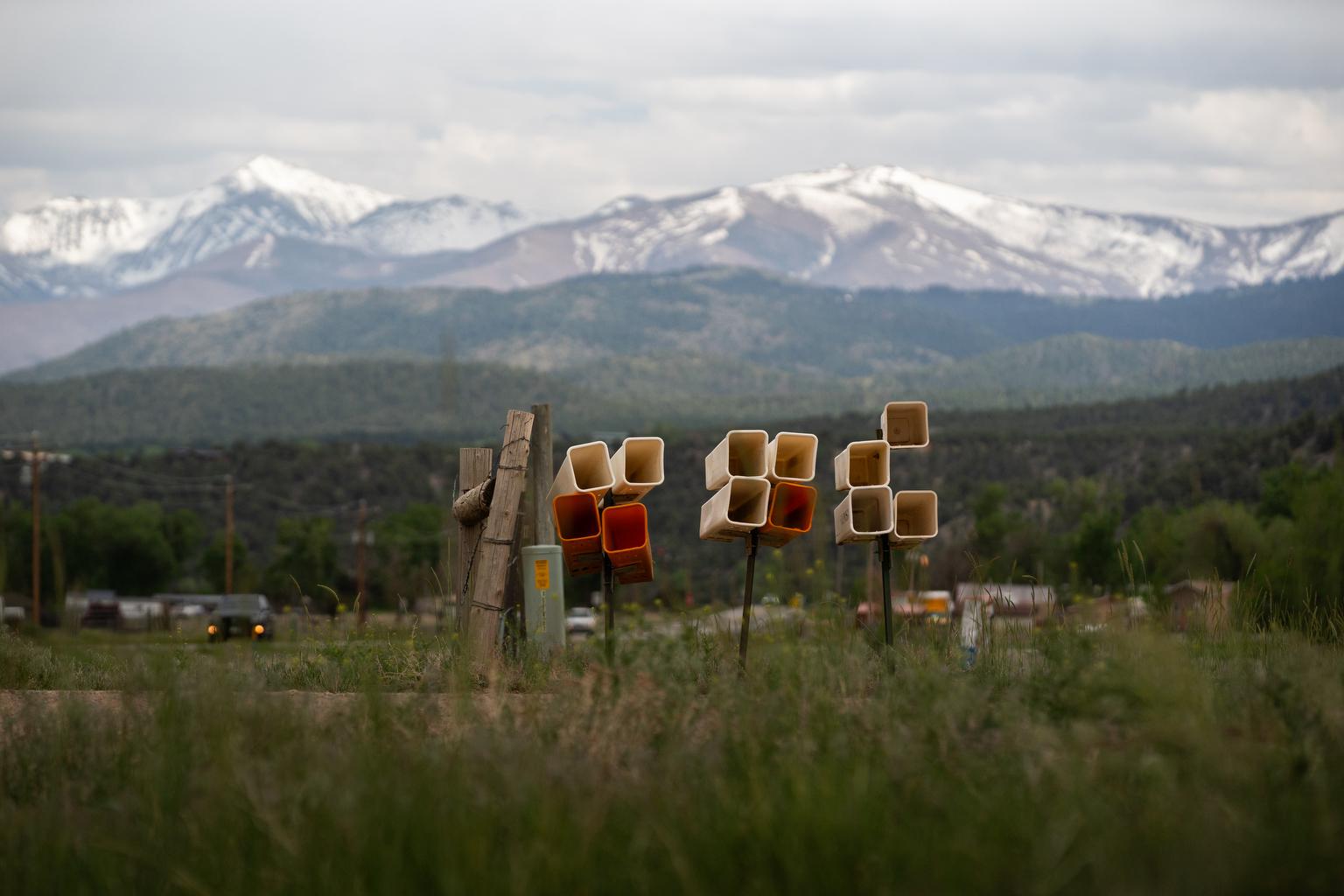
Now, the state is launching a new, first-of-its-kind program: a coordinated, statewide active tick surveillance. Roundy says this program will allow state officials and researchers like him to study ticks to find out what diseases they may carry.
According to CDPHE, they have not yet launched a website for the program yet, but “will have a public dashboard later this year with the data.”
In the past, the state relied largely on “passive” surveillance — meaning ticks were only studied if people submitted them through the state’s ‘submit a tick’ program. Now, trained teams and local partners will actively collect ticks in the field.The goal is to build a clearer picture of risk across different regions, something that has historically been limited.
“We definitely want people to be more aware of the fact that ticks are a problem here in Colorado,” he said. “Our altitude and dry air does not necessarily protect us.”
So Roundy and advocates like Monica White, hope the new program challenges long-held assumptions and misconceptions around ticks in Colorado.
After years of trying to find a diagnosis for her extreme fatigue, White discovered that she had Lyme disease and had passed it on to her children in utero. She says her family’s experience highlights gaps in how tick-borne illnesses are recognized in Colorado. Now White leads the Colorado Tick-Borne Disease Awareness Association, a volunteer-based organization dedicated to raising awareness about the diseases ticks carry.
“I would like to say ‘a single tick bite changed the course of my life,’ well it derailed my life,” said White, who was a former wildland firefighter and wildlife biologist for the U.S. Forest Service. She used to spend her days camping in Colorado’s wilderness tracking bighorn sheep populations. “It definitely impacted my family in ways that are just devastating.”
For almost a decade, White says she struggled to get an accurate diagnosis for Lyme disease — a condition often associated with other parts of the country. Deer ticks, the species of tick that is known as the vector for Lyme Disease, isn’t native to Colorado.
“The thought at that time was that Lyme disease did not occur in Colorado,” White said, who says she first became ill and began noticing symptoms in 2006. “So even when it was on my radar to inquire about with my medical care providers, it was dismissed.”
So both she and Roundy hope the new tick surveillance program provides new insight into the variety of tick species in Colorado and the pathogens or diseases they carry.
“Ticks are great hitchhikers,” Roundy said. “So that not only includes accidentally bringing them home with us after a hike, but we might bring them back to Colorado with us after travel.”
Both Roundy and White agree prevention is key. They recommend wearing long sleeves and pants in grassy or wooded areas, using repellents like picaridin — which won’t damage plastic gear like DEET — or permethrin-treated clothing. They also said it’s important to check yourself, children, and pets after spending time outdoors. If you find a tick, it is critical that you remove it promptly and properly.
“The sooner a tick is properly removed, the less risk there is for transmission,” White said, adding that there is no universally “safe” amount of time for a tick to be attached.