
Extreme heat is increasing across Colorado, even in the typically mild climate of the foothills. Boulder County has seen a surge of summer days pushing above 90 Fahrenheit in the last five years.
To stay cool, the county is experimenting with a radically simple solution: paint that cools buildings. Passive Daytime Radiative Cooling (PDRC) paint looks like normal white paint, but it cools down buildings during the day without using electricity.
The paint can be applied to the roofs of apartments, warehouses, mobile homes, data centers and more. It doesn’t just reflect sunlight — in some cases, it can make a roof cooler than the surrounding air, which can lower cooling bills.
“If applied at scale, it could actually be a really impactful urban cooling strategy,” said Lindsay Rasmussen, who studies passive radiative cooling at the Rocky Mountain Institute (RMI), a nonpartisan climate research group. “It can provide pretty significant cooling," she added.
RMI and Boulder County are running an experiment: using the paint on a 34-unit affordable housing complex to see how well it performs during hot summers, cool nights and snowy winters.
The technology is well-suited for places with scorching summers like Phoenix. But if Boulder’s pilot works, PDRC technology could expand into more moderate climates or places with cold winters that are increasingly heating up because of climate change.
Watching paint dry
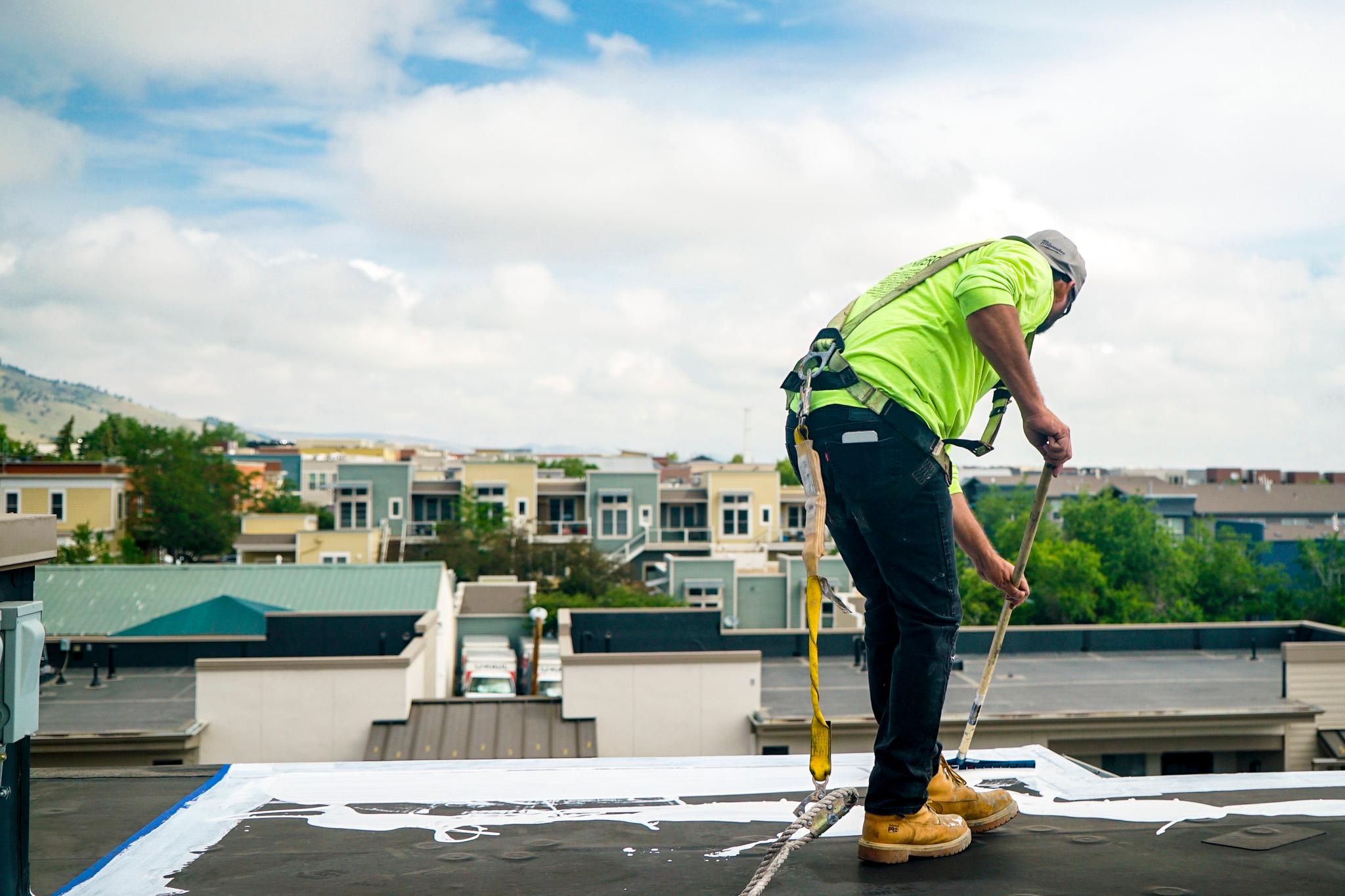
On a recent Thursday, Ivan Pizano, a painter, winched jugs of CryoPaint onto the roof of WestView apartments, an affordable housing complex in North Boulder owned by Boulder Housing Partners. The two buckets were precious cargo: they cost $1,500 total.
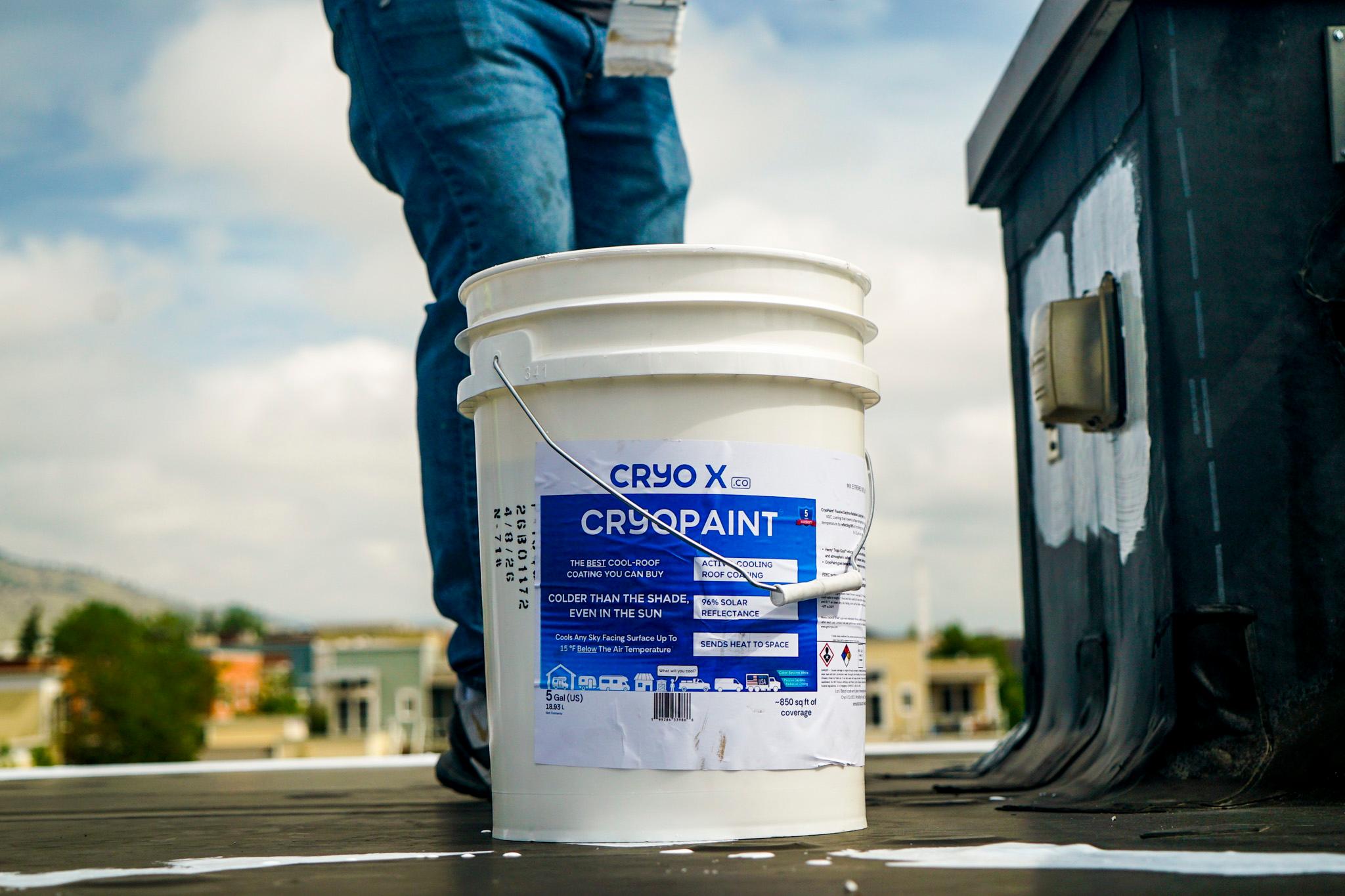
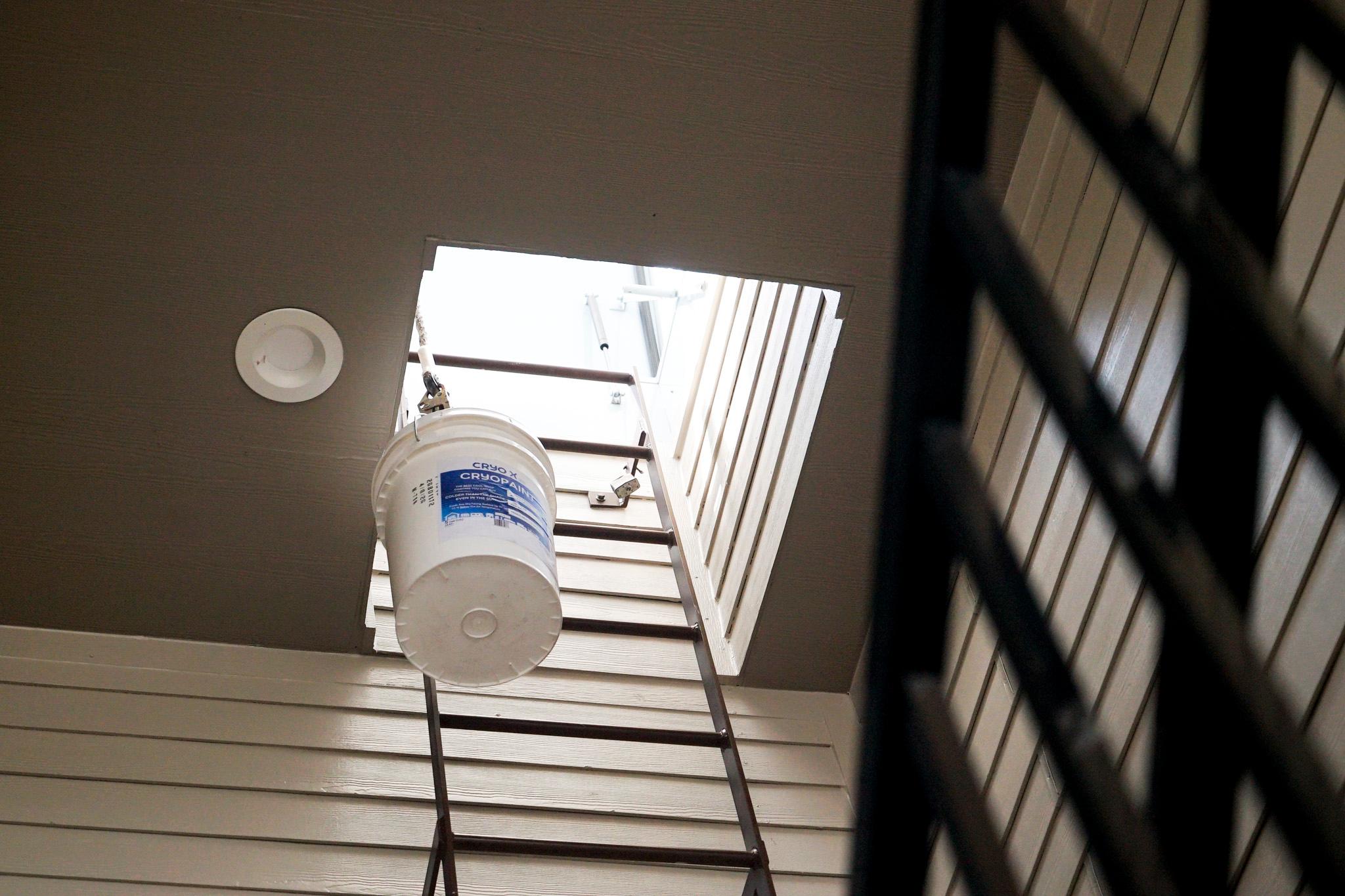
In 2022, Boulder created a cooling initiative that looked to nature-based solutions, like shade, to combat extreme heat. Now county officials want to understand whether PDRC could be part of its efforts, which currently focus on planting trees or helping residents switch to heat pumps, which are super-efficient appliances that can cool homes, according to Dede Croissant, a climate specialist for Boulder County.
Trees, however, can take decades to grow into shady canopies and can struggle to root in areas surrounded by asphalt. Running heat pumps or air-conditioners in the summer can also strain the electricity grid, which could lead to blackouts and high utility bills.
“Cool roof” paint is already available at some hardware stores. It’s similar to PRDC paint — by acting like a mirror, it reflects sunlight away from structures and marginally cools them down in the process.
PDRC paint also reflects sunlight. But its strength, according to Rasmussen, is that it also radiates heat and shoots it all the way into the cold, dark vacuum of space. In other words, that heat doesn’t get trapped in the atmosphere.
Roofs with CryoPaint can be up to 15 degrees cooler to the touch than the outside air in certain conditions, according to Cryo X, the manufacturer. And using less electricity to cool homes can sharply cut demand on the electricity grid during the summer, according to Rasmussen.
By the end of the day, Pizano and his teammate, Luis Silva, had painted white CryoPaint on one roof and applied a much cheaper white, “cool roof” paint to another unit. They left a third unit with its existing black coating.
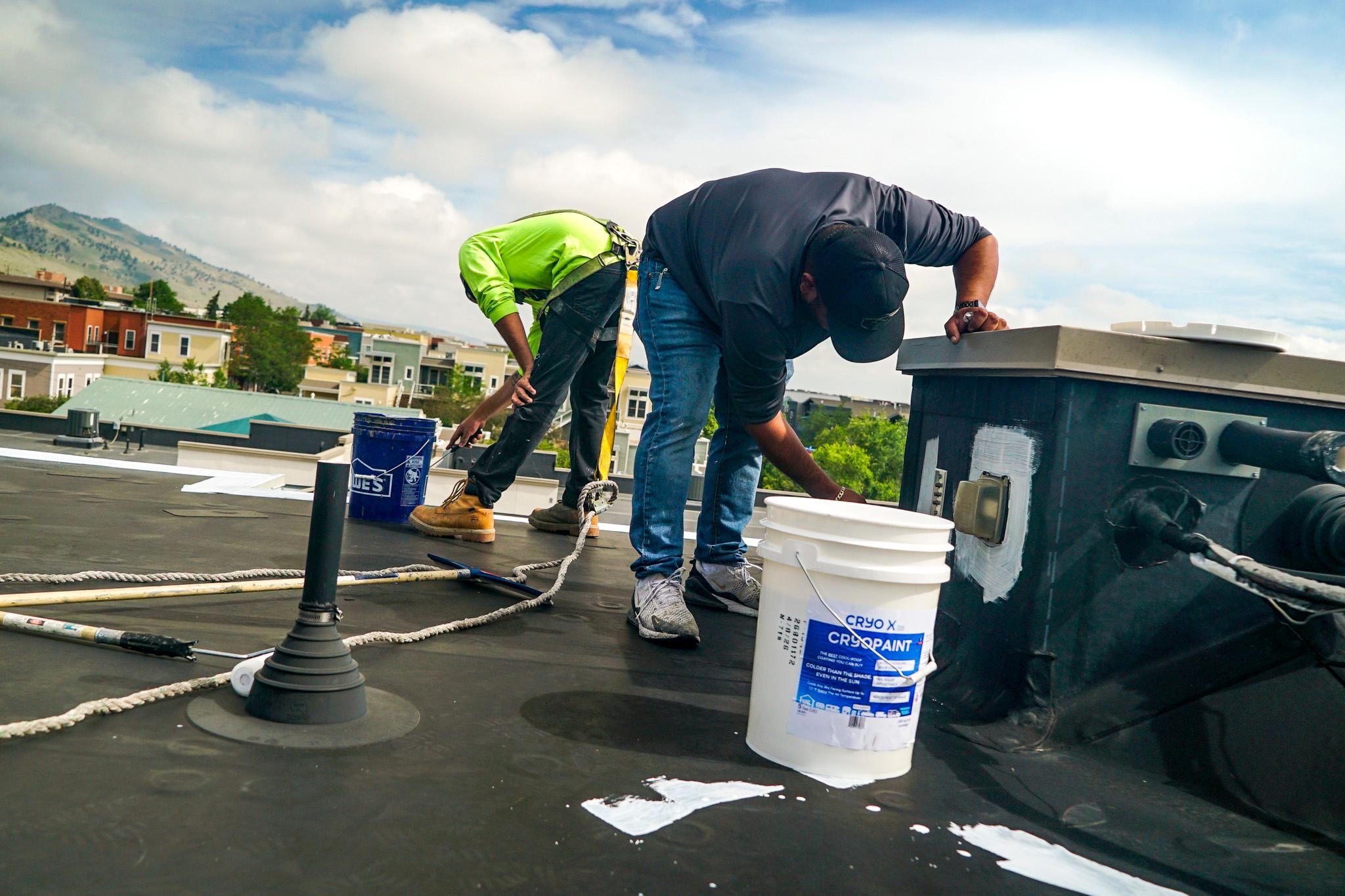
That laid the groundwork for the experiment. Contractors will soon install sensors so that RMI and Boulder County can track and compare the temperatures of the three roofs and the inside of each unit for a year. The county is spending around $50,000 to conduct the pilot.
To test how the paint works in Boulder’s climate, Rasmussen and Croissant will also track how much electricity and natural gas those units use. That’s because a PDRC-painted roof could get too cool in the winter, forcing residents to burn more natural gas to stay warm.
“ It hasn't been clear that PDRC or even traditional cool roofs are the best solution for climates similar to Boulder County,” said Croissant.
There are other challenges. PDRC paint is pricey, though Rasmussen expects prices to fall dramatically once it’s manufactured at scale. And the paint only works on flat or only gently sloped roofs.
Still, Tim Beal, sustainability director at Boulder Housing Partners, said he was excited by the pilot. The Westview complex lacks tree cover and acts like a heat island. If the paint can reduce the impact of sweltering heat and cut energy costs, Beal said they could use it on their 40 other properties.
“ A lot of our residents are more vulnerable populations, so could have potential health issues,” he said. “Anything we can do to increase resident comfort is key for us.”