Despite recent rains, most of Colorado remains in deep drought and a governor’s task force has now put forward four recommendations to help deal with the problem.
State climatologist Russ Schumacher said the monsoon rains were welcome, and certainly bringing some relief — increasing stream flows on the Western Slope and helping control widespread wildfires — but it’s unclear that the rain will continue in the fall or reduce the risk of another snow drought next winter.
“El Niño is in place and getting stronger, which tilts the odds towards wetter-than-average conditions in the fall and possibly hopefully beyond,” he said. But he added, “The connection between El Niño and mountain snowpack is not as strong, making it difficult to say much with confidence.”
The impacts of the 2026 drought, spurred by an unprecedented snow drought over the winter, have been widespread. Water restrictions are in place across the state. Some towns are running out of water. Farmers are facing hay shortages and fallowing land, or selling off cattle.
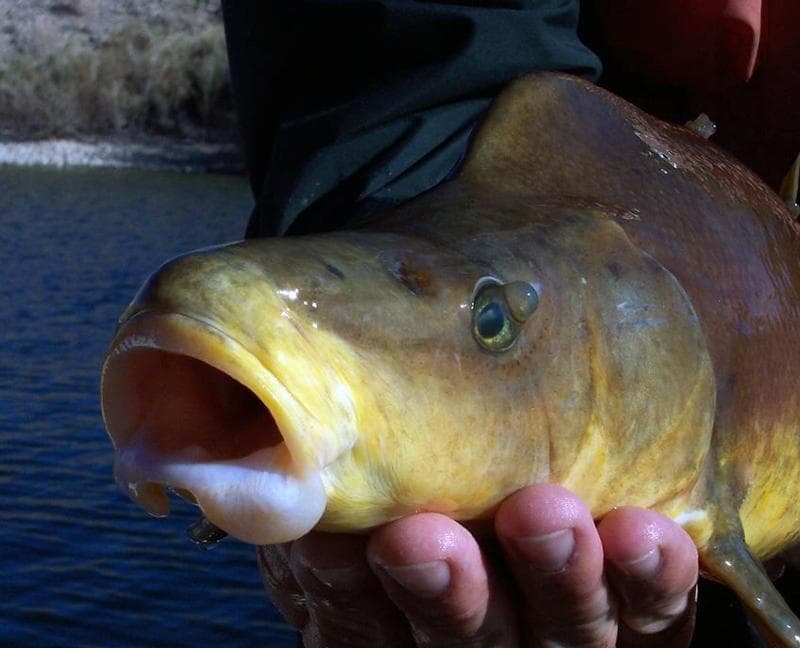
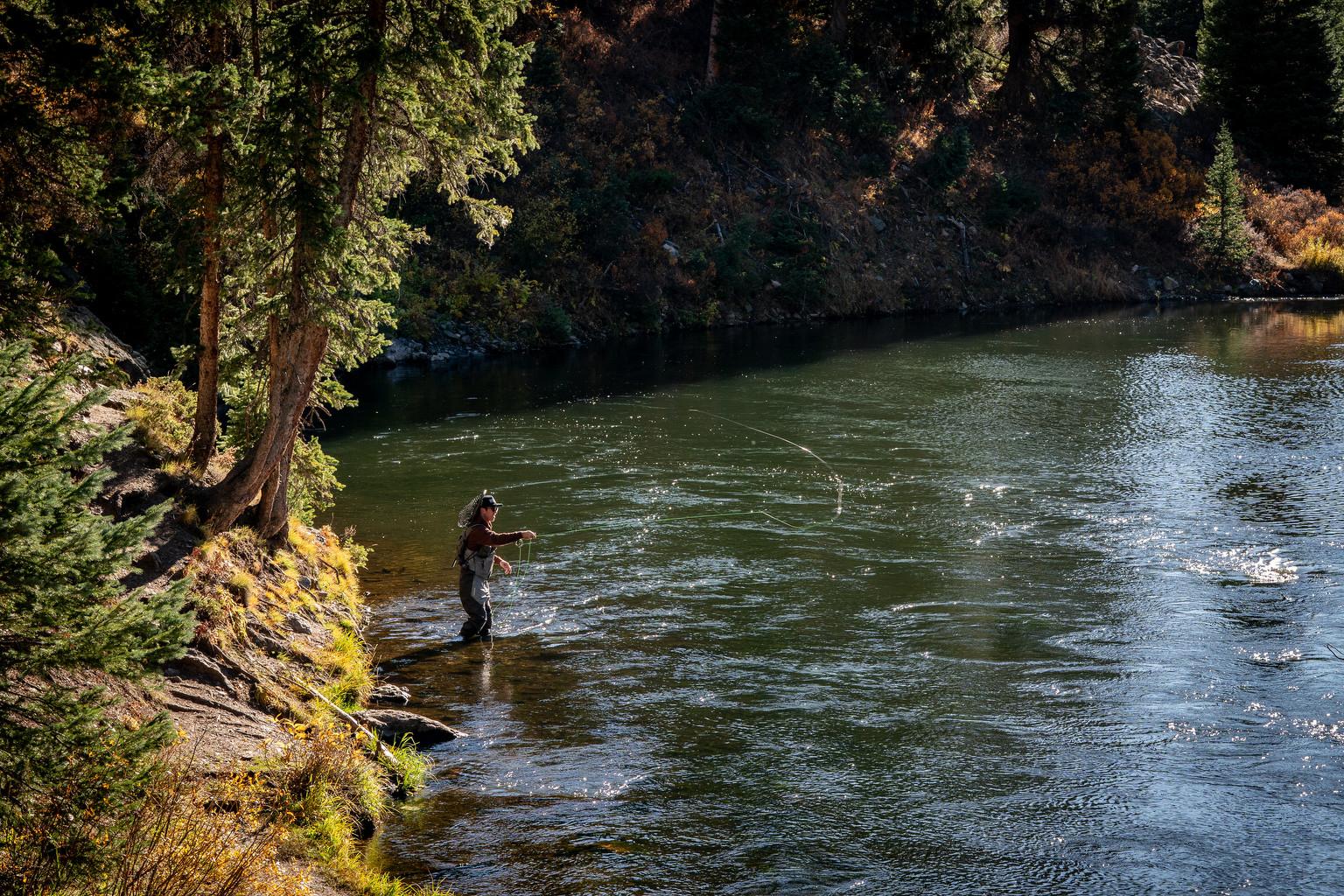
Colorado Parks and Wildlife has closed more streams for fishing than ever before, according to Maura McGovern, CPW water resource manager.
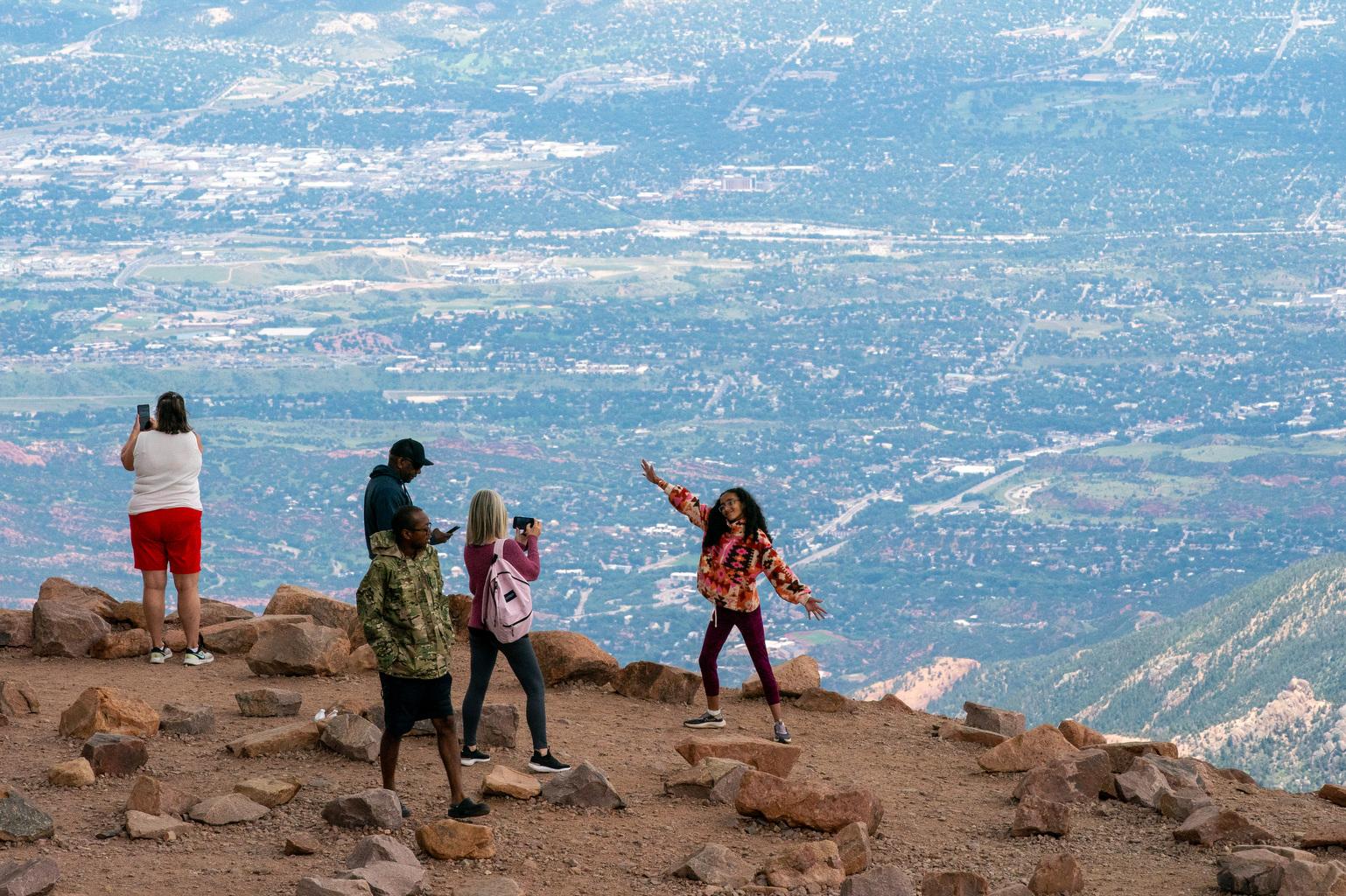
Dry fuels have fed the multiple large wildfires smoldering across the state, and all of that has impacted summer tourism. Chris Sorensen, operations section chief with the Colorado Department of Public Safety, Division of Homeland Security and Emergency Management, reported that the total projected cost of firefighting the four largest wildfires in the state is about $266 million.
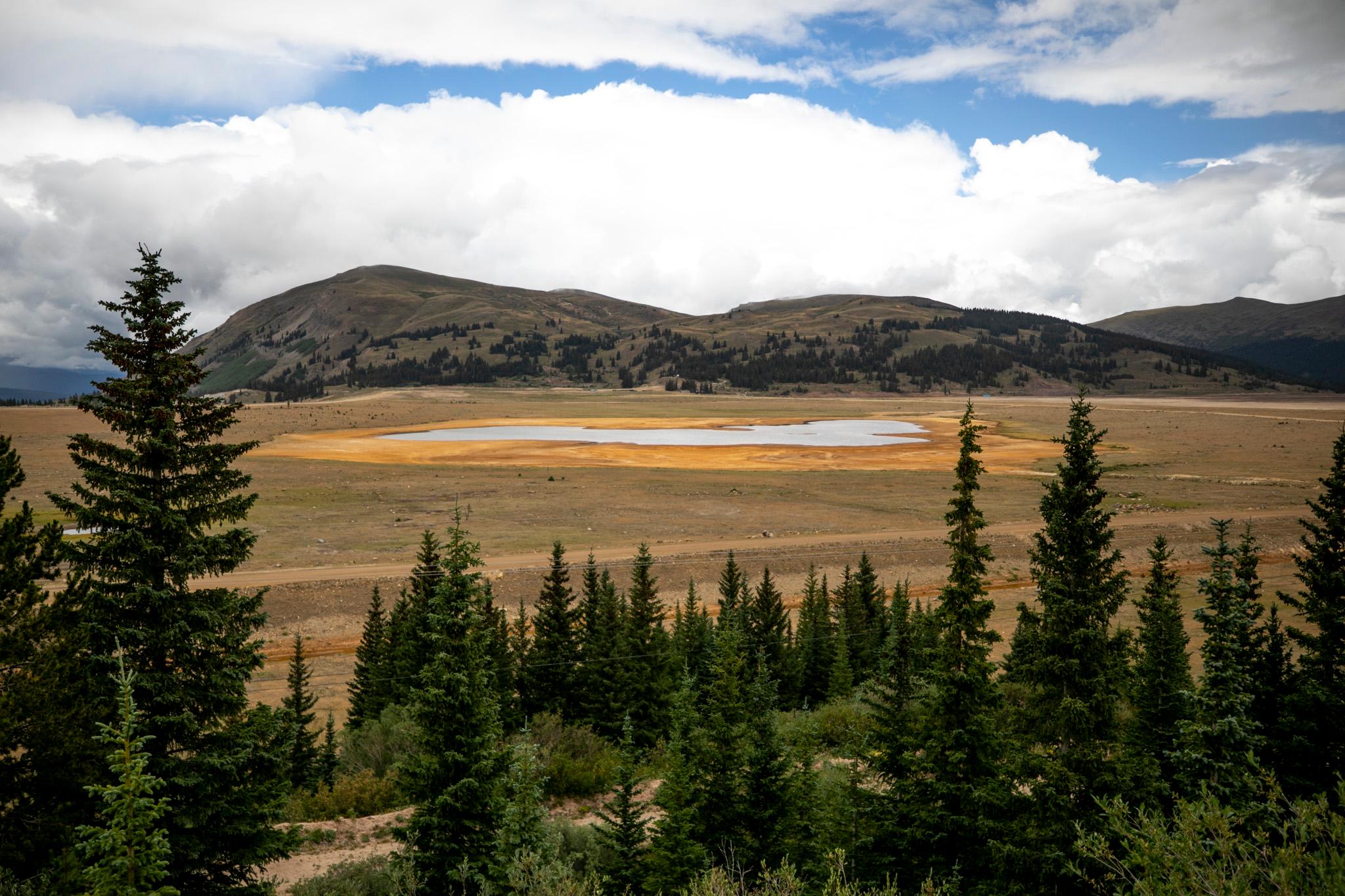
Additionally, some reservoirs are empty or far below capacity, with downstream impacts for lower Colorado River Basin states.
After discussing widespread challenges across the state, the drought task force, convened by Gov. Polis in March to address the widespread impacts across the state, proposed a list of actions to bring to Polis for possible inclusion in an emergency executive order. The order could institute the recommendations formally for 30 days, with the possibility of renewal.
The four recommendations
The first was to reduce onsite water consumption at all state facilities. This would require the state to develop water efficiency and drought plans, including water use audits, leak detection, landscape evaluations and other efficiency measures. It’s an expansion of Colorado’s “Greening Government” framework, which requires state facilities to proactively address water use.
The second is to direct state facilities to shift outdoor water management practices and reduce lawn watering and irrigation use.
Kat Weismiller, section chief at the Colorado Conservation Water Board, said the goal was to “advance efficiency and conservation efforts on state facilities through long-term planning that can reduce onsite water consumption and build drought resilience.” It directs the state to evaluate outdoor water use at state facilities and make recommendations to reduce that water use or change landscaping.
The third recommendation directs the state to reduce washing state-owned vehicles. The goal is to reduce water waste by reducing the frequency of washing vehicles, while maintaining essential safety and health standards.
The fourth recommendation is to extend state tax deadlines for small businesses impacted by the drought. This temporary administrative waiver, which is similar to the wildfire tax relief already being offered in 2026, would apply to all eligible taxpayers, including agricultural producers and recreational businesses, which could apply for extensions.
However, Robert Sakata, agricultural water policy manager for the Colorado Department of Agriculture, said it would provide little help for farmers and ranchers. “I've talked to so many producers that are just worried that they can stay in business — they're not going to have a tax burden. So this doesn't help them at all,” he commented.

After a record-breaking season of low snowpack, Colorado is entering summer 2026 in a deep drought.
CPR News is covering this unfolding story and its impacts on communities, the Colorado River, farmers and ranchers, outdoor recreation and the environment through a new series, Water Pressure.