Campus Free Speech; Denver Commercial History; Ancient Geometry; Jazz History; New Poetry
Protestors on college campuses may see signs pointing them to “free speech zones.” Those types of cordoned off areas, meant to contain students’ political speech, will soon be illegal on Colorado campuses. Then, new evidence that ancestral Puebloans used sophisticated geometry to build the Sun Temple at Mesa Verde National Park. And, Denver poet Robert Cooperman draws on his childhood memories of his father’s work at a local hat factory for his new collection, “City Hat Frame Factory.” We also have a history of “The Denver,” which was the main place to lunch and shop in town during much of the 20th Century.
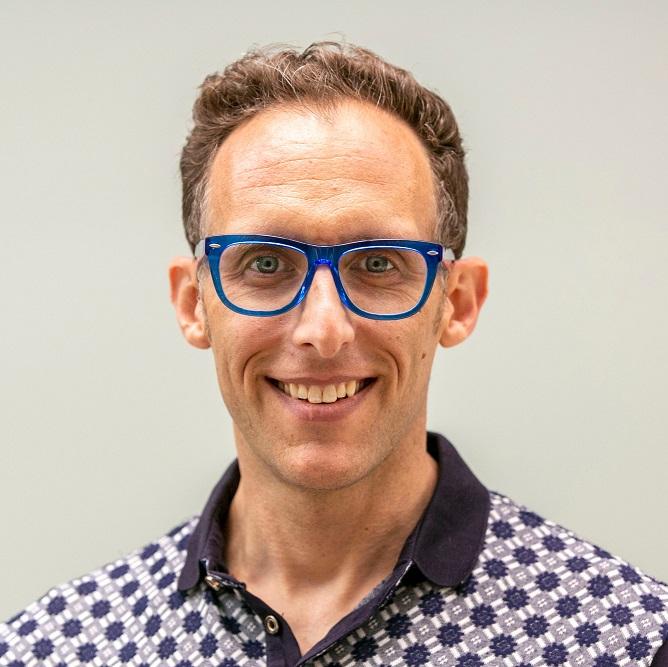

The Hat Factory Where A Denver Poet Came Of Age
In his new collection “City Hat Frame Factory,” Robert Cooperman writes about his family’s millinery business in New York.
AmeriCorps In Colorado Schools; Rock Climbing Emoji; Inspiration From ‘America The Beautiful’; Female Football Groundbreaker
There’s a lot of uncertainty now for young people in AmeriCorps. The national service program could lose its federal funding under President Trump’s proposed budget. Eric Gorski, bureau chief for Chalkbeat Colorado, says this isn’t the first time AmeriCorps’s been on the chopping block. Then, a Boulder woman convinced the people behind Emojis — those little pictures you can text — to make one of a rock climber. They modeled it after her. Later, the high school football player who didn’t realize she was actually a trailblazer. And, the view of Pikes Peak inspired “America The Beautiful.” The Colorado Springs Philharmonic commissioned new pieces based on the song.
Colorado’s Congressional Delegation On Trump Agenda; State’s Tourism Director; Denver Band Tennis
It’s the longest congressional break since the inauguration of President Trump and we check in with CPR’s new government reporter Alison Sherry to find out what lawmakers have been saying about issues like immigration, health care and marijuana. Then, even though Colorado is attracting more tourists, the state tourism office wants more money. It would use the funds to boost tourism beyond metro Denver and the mountain resorts. Then, husband and wife duo “Tennis” have a new album they wrote aboard a sailboat and recorded in a cabin they rented in Frasier, Colorado. Also, a documentary spotlights Greek-Americans in the shadow of the Ludlow Massacre.
Chemical Weapon Antidote; Religious Romeo And Juliet; Little Free Libraries; Mountain Rum
A Colorado doctor is on a mission: to develop antidotes for people attacked with chemical weapons. He says his team is close. We’ll talk in light of the gas attack in Syria. Then, Romeo and Juliet with a twist — families separated by religion. It’s the creation of Denver choreographer Cleo Parker Robinson. Also, we meet the man behind Little Free Libraries; those bird-house-looking-things in people’s front yards that have books inside. And, rum is often thought of as an island spirit. But a distillery right here in landlocked Colorado is making it. And it’s in demand.
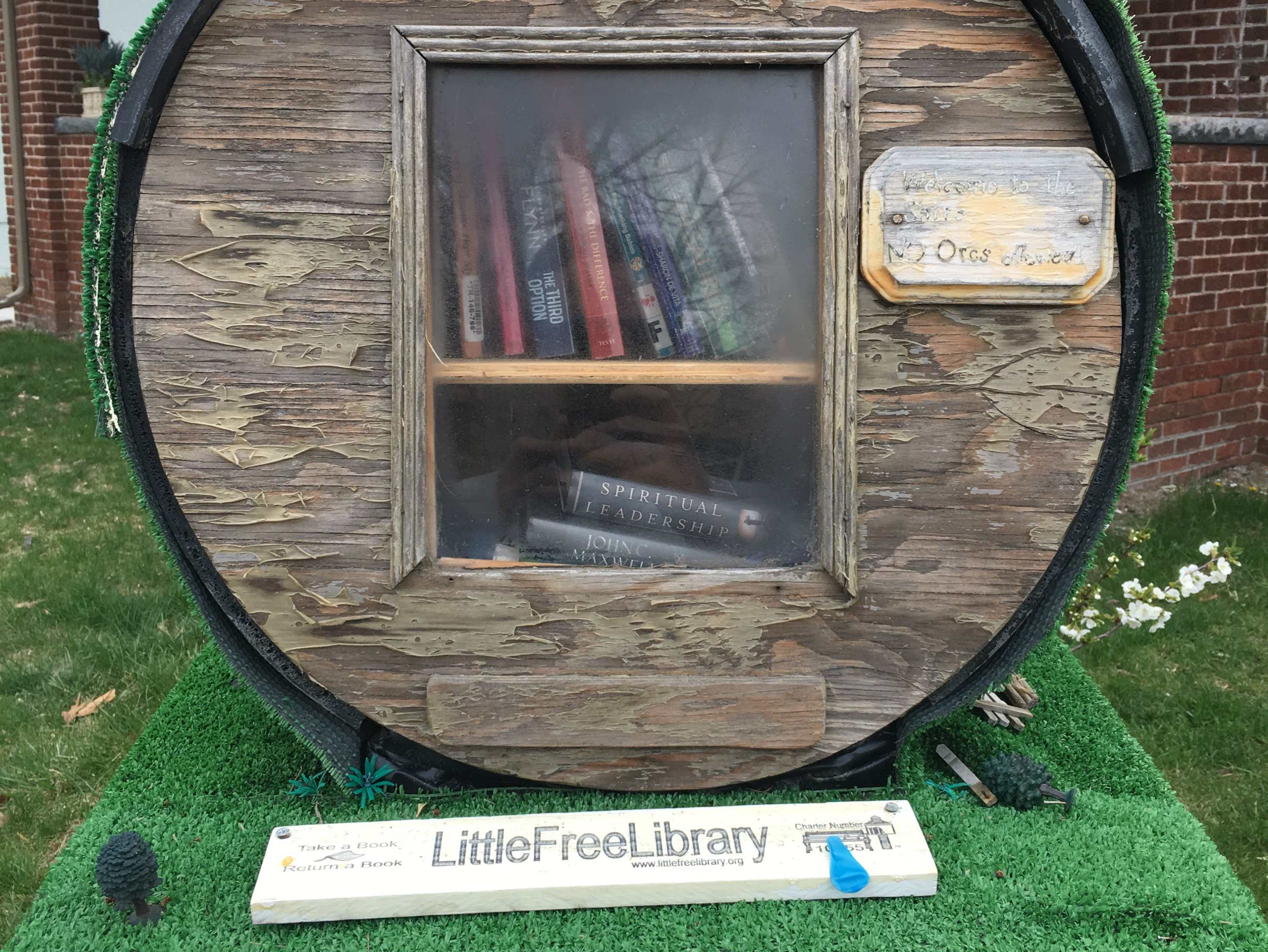
Meet The Man Behind Those Little Free Libraries
Co-founder Todd Bol is in Colorado this week to name Denver a ‘”city of distinction.” There are more than 500 Little Free Libraries in the metro area.
Climate Change Turbulence, Curious Theater Protest Play, Colorado Garden Questions Answered
“Take your seats … fasten your safety belts.” We learn today that climate change could make air turbulence worse. It’s just one of the stories we talked through with two Colorado climate scientists, one of whom went to conference at Arapahoe Basin recently, for news on skiing and climate change. Then, plays usually come to the stage after years of writing and rewriting. Not the one Curious Theater is putting on. They decided — mid-season — to add it to their line-up. Why the company thinks the production, called “Building The Wall” is so critical. And we answer your gardening questions, like the plusses and minuses of growing bamboo in Colorado. Plus some good alternatives to grass for your lawn.
Colorado Lawmakers Back Self-Driving Cars; Where Does The Water Go?; Google’s Food Guru
Autonomous vehicles appear to be the wave of the future and state lawmakers have grappled this session with how to regulate them. Sen. Owen Hill, Republican from El Paso County, has helped lead the effort and has high hopes for the technology. But some worry it could mean the loss of jobs for truckers and taxi drivers. Then, most palm trees in Los Angeles are imported and kept alive with Colorado River water. That was a revelation for New Yorker writer David Owen as he traveled the length of the river to see where all the water comes from and where it goes. Also, we speak with the director of Google Food. He’s in charge of feeding 110,000 people a day in 56 countries.
Hickenlooper On Marijuana, Budget; Future Of Defunct Airport’s Iconic Tower; Longmont Banjo Player Reworks Old Folk Songs
Governor John Hickenlooper has had recent calls with President Trump’s budget director and his infrastructure guru. We’ll hear about those and about the governor’s letter imploring the federal government to butt out when it comes to state marijuana laws. Then, we meet a former air traffic controller at Denver’s old Stapleton airport who hasn’t been there since it closed in 1995, and we learn about plans to turn the control tower into an upscale bowling alley. Also, a Longmont banjo player says old folk songs are like heirloom seeds. He’s planting them and growing new music.
Football Brain Injuries; Air Force Sexual Assault Book; Secret Lives Of Owls
He’s been called “the most dangerous man in football” for his decision to stop playing in the NFL. He thought the risks of brain injury were too high. Chris Borland may have opened the door for other players to do the same. Then, cadets at the Air Force Academy in Colorado Springs expect exhausting physical training, perhaps even some hazing, but a Boulder woman writes in a new book that she was subjected to much worse. And she says her superiors turned a blind eye. Also, it’s an important time for Colorado’s owls. Many are searching for mates. Photographer Paul Bannick has captured a year in the lives of owls.
Small Airports Under Trump Administration; Colorado’s WWI History; Denver Hip-Hop Group’s Protest Songs
The federal government subsidizes commercial flights into places like Pueblo and Cortez, but the president’s proposed budget takes aim at the program. Then, uncovering Colorado’s WWI history. And, Denver hip-hop group Flobots felt music was missing from protests these days. So they’ve written songs for demonstrators to sing. Plus, one of the world’s biggest food companies, Danone, is buying Colorado company White Wave Foods. The Justice Department is making Danone sell off its organic milk brand for fear competition would be reduced too much.
What’s Next For Colorado’s Coal Counties; A Blind Kayaker’s Journey; Watching Grass Grow
Colorado coal mines that are now being shuttered have high hopes for a new technology that turns methane — a gas that escapes from defunct mines — into electricity. It’s already happening at one mine in Western Colorado. Then, when Erik Weihenmayer went blind as a kid, his biggest fear wasn’t the darkness, it was the fear of missing out. But that clearly hasn’t happened. The Coloradan kayaked the Grand Canyon and writes about it in his new book. He also explains a device that helps him see with his tongue. And, a man in Boulder County has set up a webcam trained on his lawn 24 hours a day — and people are actually watching it.
GOP State Lawmaker Has A Change Of Heart; Lead Bullets On Public Lands; Child Brides
Budget-wise, the long-term outlook for roads, healthcare and schools in Colorado isn’t great. That means a leading Republican state senator now supports something he once opposed — and that Democrats have been clamoring for. Then, lead has been taken out of paint and gasoline. But why is it still in ammunition? And what do lead bullets, used in hunting, mean for human and environmental health? Plus, you might think child brides are a thing of the past, but a Colorado historian finds the custom continues in this country.
Debate Over Local Municipalities’ Bar Closing Times; Anonymous Boulder Street Artist
Lawmakers at the Capitol are debating whether to allow municipalities to decide when bars should close. We speak with a bar owner and a nightclub manager who have differing views on the legislation. Then, an anonymous street artist paints images of human faces and animals on mailboxes, buildings, and electrical boxes around Boulder. Business owners often like them so much, they keep them up, but legally, the paintings are vandalism. And, Judy Collins spent her formative years in Colorado and is in the Colorado Music Hall of Fame. The Library of Congress has just honored Collins and we listen back to our 2011 interview with her. Plus, the Colorado Rockies’ home opener is Friday and just steps away from Coors Field is a museum that’s a shrine to classic ballparks, with wooden seats from the old Tiger Stadium in Detroit and the Polo Grounds in New York.

A San Luis Valley Physician Determined To Help New Moms Kick Addiction; Is Cyberpunk Making A Comeback?
Patient by patient, Dr. Barbara Troy is on a mission to transform her community. She’s the lone physician in Colorado’s San Luis Valley who can prescribe a special drug. It helps pregnant women and new mothers kick heroin addiction. Next, Cyberpunk brings to mind a dystopian 1980s vision of tomorrow — think of the movie “Blade Runner.” A new cyberpunk anthology refreshes the genre and is up for a “Colorado Book Award.” Then, unearthing the names of migrant workers, immortalized in the folk song “Plane Wreck at Los Gatos.” And, 14 cottages — and years of precious memories — in Rocky Mountain National Park.