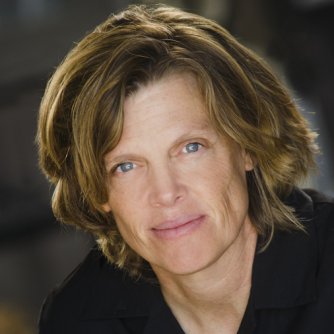
Although she has been a theater actress for most of her life, Jenna Bainbridge never envisioned herself performing on Broadway. The issue was not talent or confidence, but accessibility. Partially paralyzed as a child, Bainbridge did not think she would find the accommodations she needed to work as an actress in New York.
Bainbridge grew up in Sedalia, Colorado, and cut her teeth at Phamaly, a company for artists with disabilities. She said she was content working locally and in regional theater. Bainbridge worked at the Oregon Shakespeare Festival when she, almost impulsively, decided to send an audition tape for the Broadway musical "Suffs." After what felt like an eternity, she landed a role in what became a hit show — and became the first wheelchair user to originate a role in a new Broadway musical.
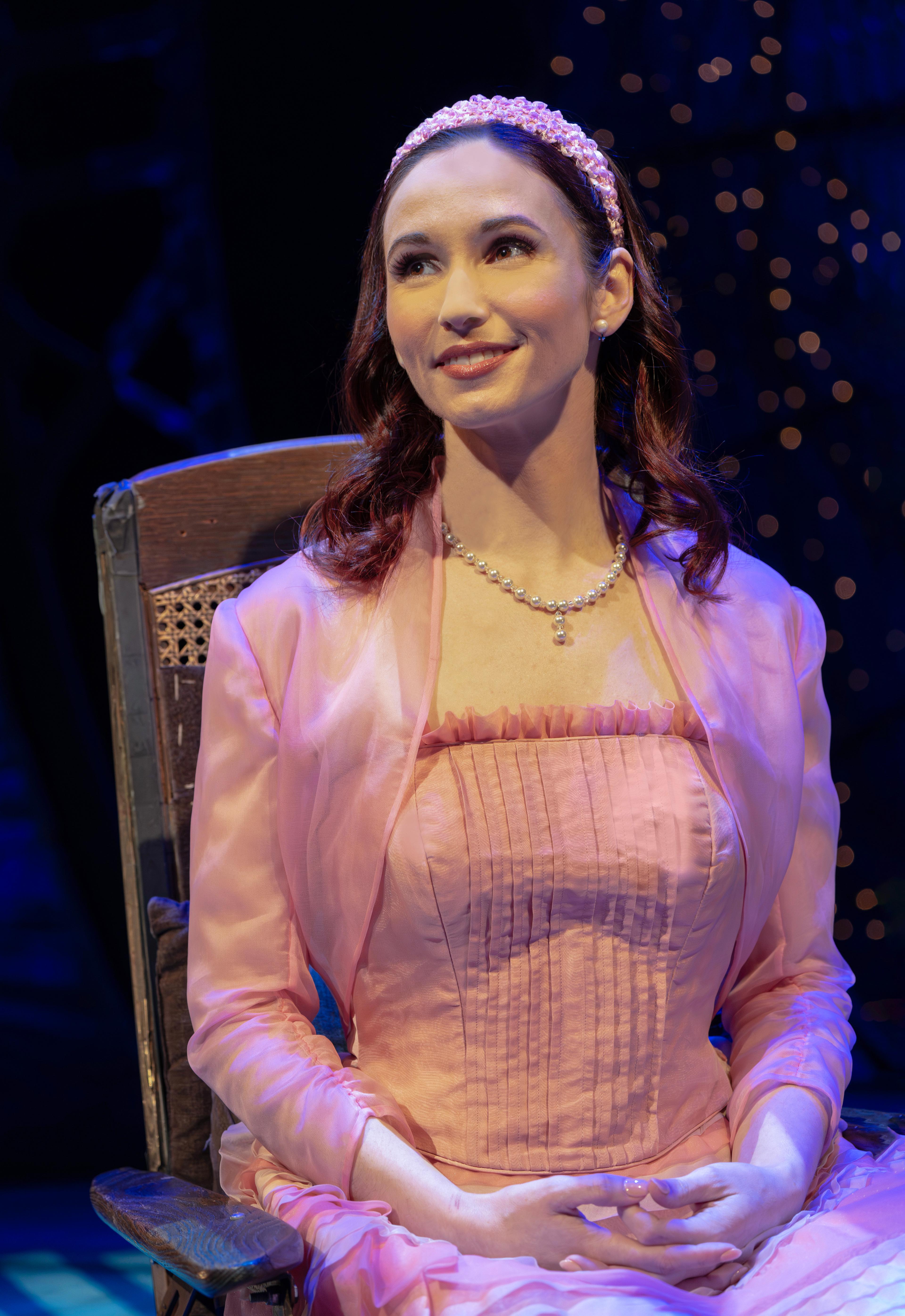
That success led to another milestone: playing Nessarose in the long-running hit "Wicked." Again, Bainbridge broke a barrier, becoming the first wheelchair user to play the role in the show’s more than two-decade run.
As she approaches the first anniversary of her casting, Bainbridge spoke with "Colorado Matters" about her work, which extends beyond acting. She and her husband, Paul Behrhorst, co-founded ConsultAbility, a company that helps theaters and other workplaces become more accessible for people with disabilities.
In the conversation, Bainbridge recalled auditioning for "Wicked" and questioning whether she would be cast — not because of her performance, but because she was unsure whether the production would provide the accommodations she needed to play the role.
Her casting required sweeping changes behind the scenes. Bainbridge hopes those changes were not a one-off, but instead open a path for more actors with disabilities to work in theater.
“I think that theater, and every industry, gets really caught up in, ‘But this is how we’ve always done things,’” she said. “We look to the past for a sense of normalcy. How do we do this thing, this X, Y, Z thing? Historically, people with disabilities have been left out of that conversation.
“So we have to look toward the future and ask, ‘I don’t care how we used to do it. Is it the right way to do it? Is there another way — a more creative solution, a more accessible solution?’ And there always is.”