About 87 percent of Americans graduate with a high school diploma. For the other 13 percent, dropping out often seems like that’s the only option.
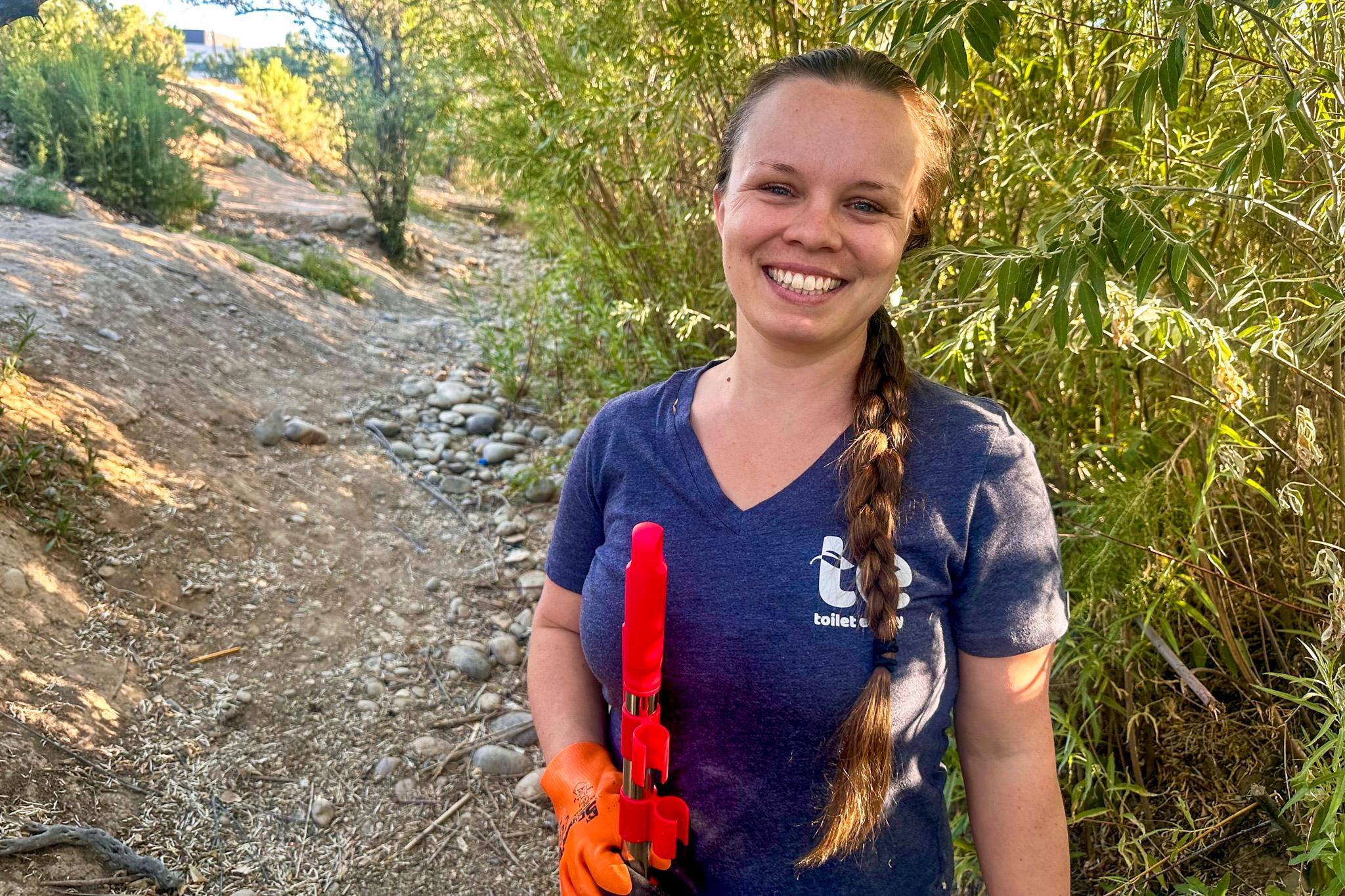
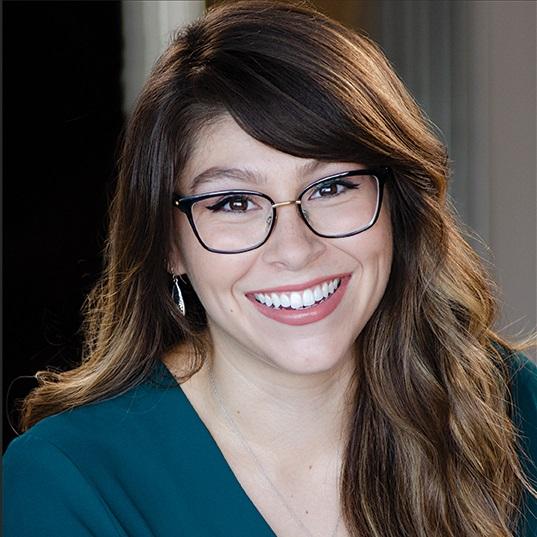
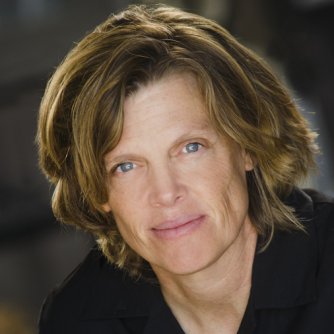
For Delana Wilson, 34, her childhood in Augusta, Georgia, was marked by trauma.
"I didn't have a good mother, so I grew up really fast … I had to raise her. I didn’t get a chance to go to high school.”
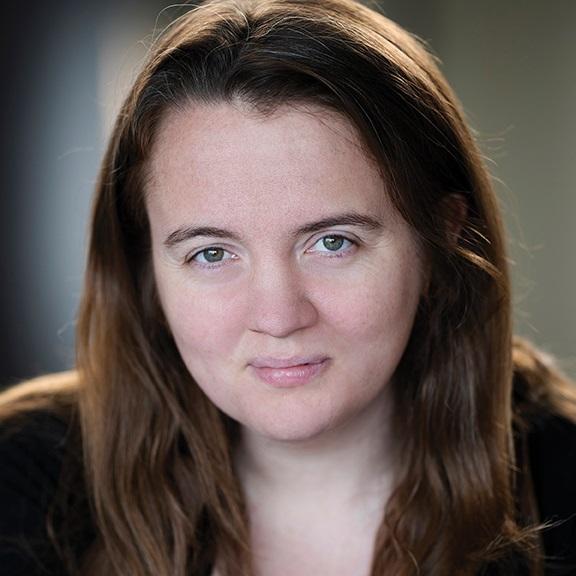
For Brenda Garcia Ordonez, 24, turmoil at home led her to leave at age 15 and, soon after, leave school.
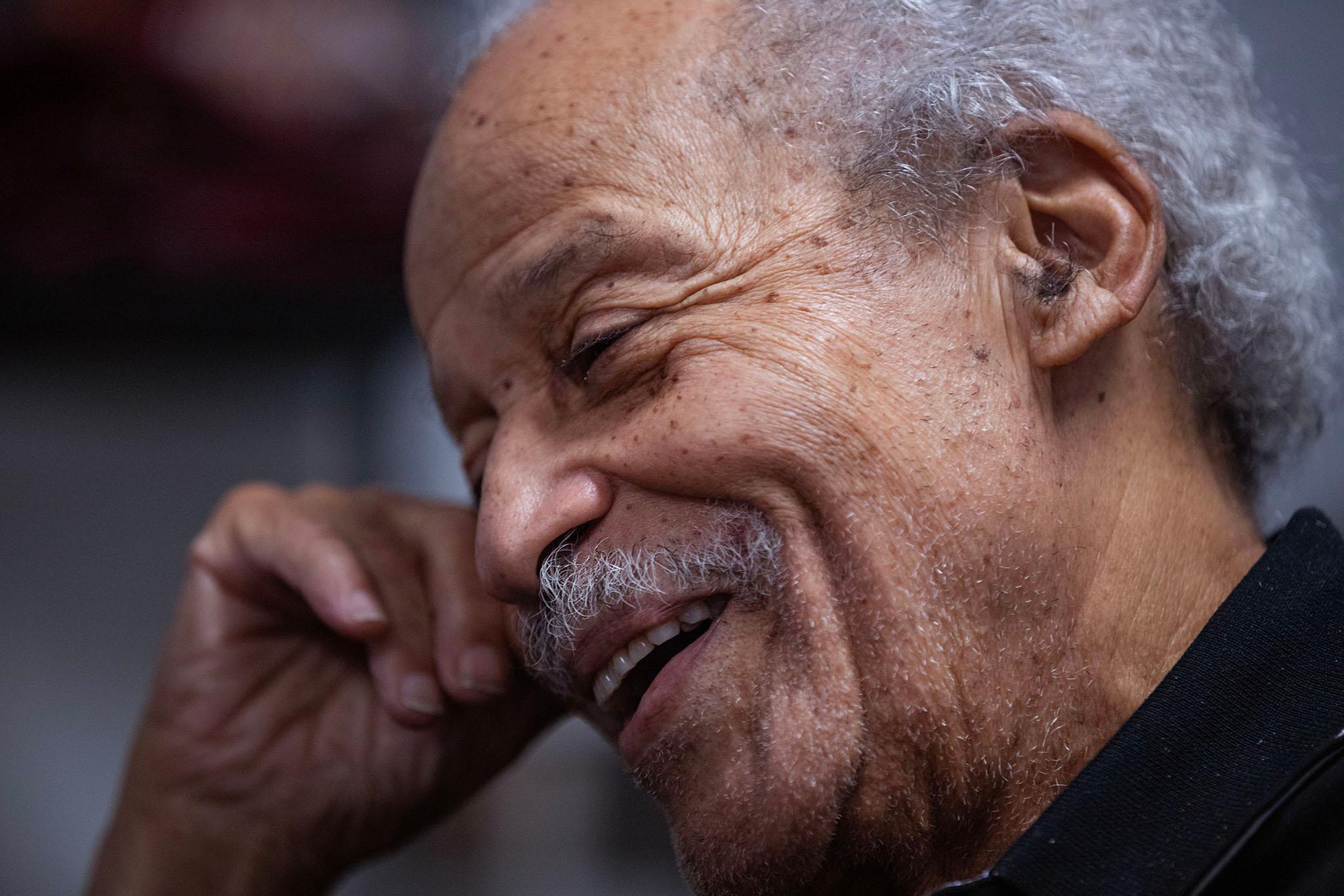
Justin Avila, 34, started falling behind in math, then eventually dropped out to work.
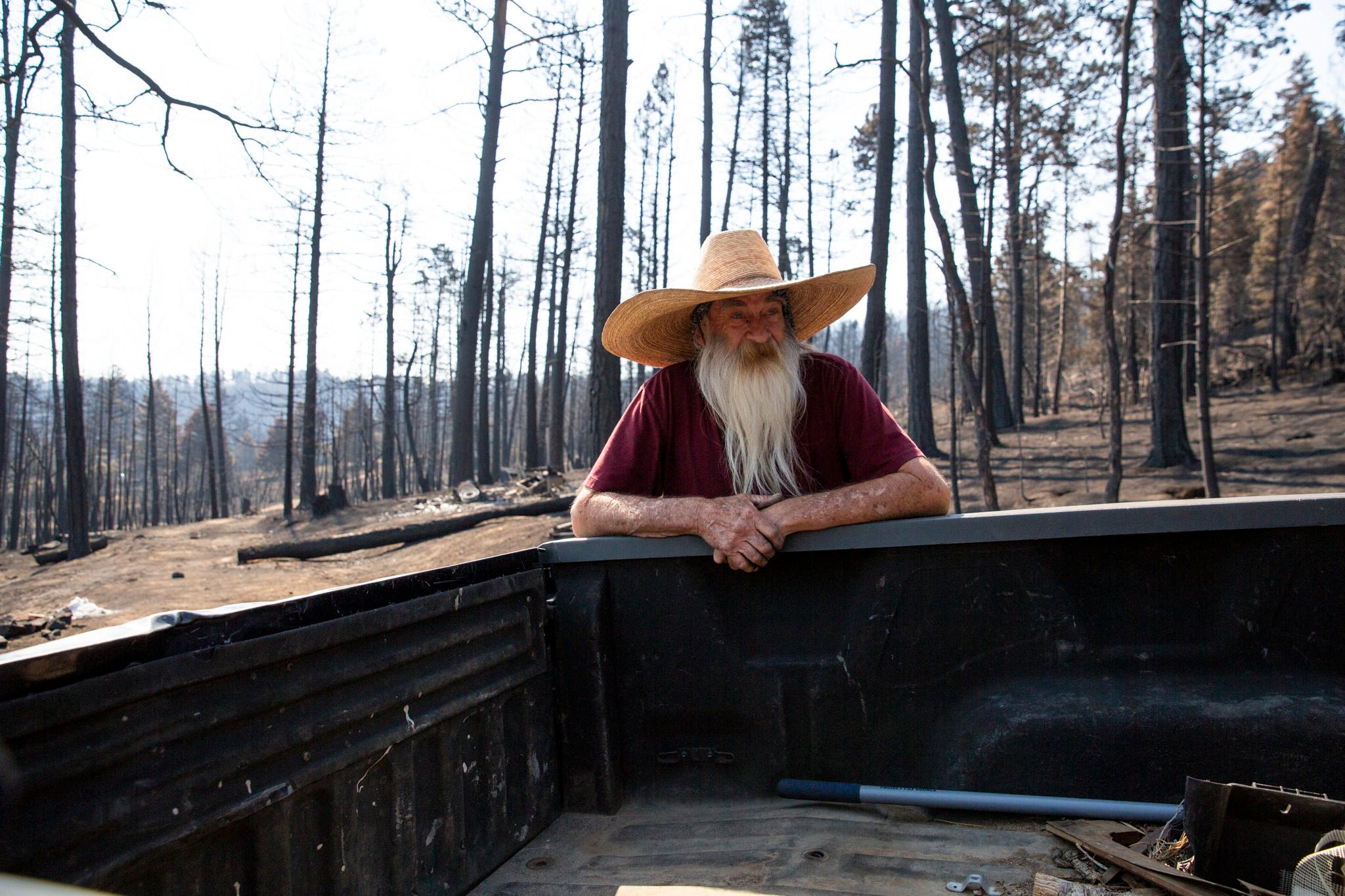
George Carbajal, 43, said simply, he “screwed up” and quit school.

As the years went by, some tried alternatives to a high school diploma, like the GED or HiSET, but daytime classes, exam fees and lack of support put them out of reach. As a result, they’re among the 300,000 Coloradans who haven’t finished a high school diploma.
But a new way to get a high school diploma is showing success — with 1,000 more prospective students trying to get in: through a community college.
A new pathway
Two new Colorado laws in 2023 and 2024 aim to help adults earn diplomas and put them on track for further education and credentials. By 2031, 73 percent of Colorado jobs will require postsecondary credentials; Colorado is one of four states projected to offer few jobs for those with only a high school diploma, according to projections from Georgetown University.
The laws gave community colleges the power to offer diplomas tailored to adults, ones that transition them into certificate and degree programs. The Community College of Denver was the first to launch a program.
Here’s how CCD’s diploma program works: It’s self-paced and requires credits in math, English and civics. Students can test for prior credit, attend evening or weekend classes and have access to college services like tutoring and coaching. Students like the price: $50, good for a year, and you can finish in as little as five weeks.
‘You’re never too old’
When Wilson finally could, she broke away from family trauma and left Georgia. She moved to another state, married and eventually had four children. Over the years, she tried several GED and HiSET programs — always just a point or two shy of passing.
She even tried while the family was staying at a homeless shelter in Colorado. With each attempt, her self-esteem chipped away a little more.
“I always felt like these people are trying to tell me I’m stupid.”
At age 34, she heard about CCD’s new program. The thought of going back made her self-conscious.
“But … like my 15-year-old (an honor roll student) told me, ’you're never too old to go back to school, mom,’ she said. “I’m going to make it the best $50 I put down, I tell you.”

After Garcia Ordonez left home at 15 and dropped out shortly after, she spent the next few years working hard to survive.
“I felt that if I could build my resume enough to match (the job) … I didn’t need the piece of paper.”
But she admits it was really fear of failure and shame that kept her from returning to school. It took the death of her brother to change her path. He was just about to graduate college in Denver when he died.
“He didn’t get to walk the stage,” she said. “I wanted to go back to school and receive the degree that my brother never got to receive.”
In the classroom
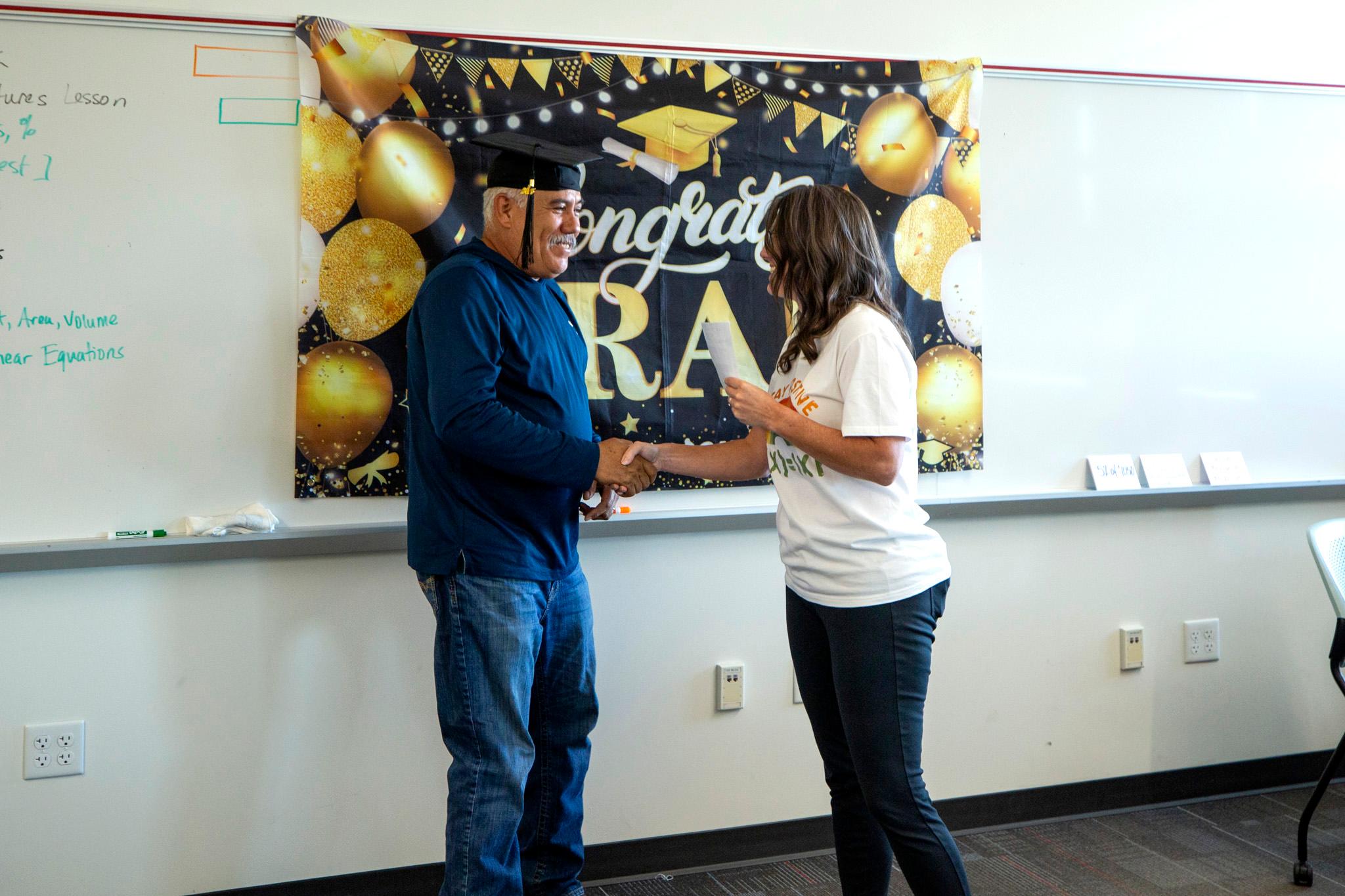
In a bright classroom on the Community College of Denver campus, mountains in distance, students puzzle over math on computers and at whiteboards with tutors. Instructor Amber Gardner high-fives George Carbajal as he suddenly remembers the word “hypotenuse.” The father of four is learning to find the area and perimeter of a triangle. Gardner tries many different approaches to assist him learn, including tearing a piece of paper in half and folding it to illustrate a concept.
Carbajal’s second child is graduating from high school (“she’s super-smart”). That’s what inspired him to go back to school. He feels ashamed that sometimes he can’t understand schoolwork that his children already know. Carbajal never had computers when he was in school. Now, he sees his laptop as a gateway to a better future.
“To be able to work at home at my own pace in a more comfortable setting … that has helped a whole bunch.”
Carbajal hopes one day to shift from construction to nursing.

Justin Avila, a brewery repacker, is working through ratios at a computer. He wants to move up at work — but that’s stalled without a diploma. Gardner doesn’t just help him with math. She asks him detailed questions about his progress and how he is doing. Avila shares his frustrations and breakthroughs and tells her that his confidence is growing.
“Learning requires us to feel uncomfortable,” Gardner says.
He agrees and says it’s making him remember why he didn’t pass math in high school.
“I didn’t understand it, but I also didn’t say anything, and they just kept going, so I kind of fell behind … but now I want to finish.”
Avila plans to take college classes in welding or some form of maintenance to move up in his company.
Not just a test, but a stepping stone
Joshua Margolin, assistant admissions director, says many GED programs focus just on passing a test; CCD’s model gives students the skills they need to continue their education. He sees the diploma as a stepping stone, not an endpoint.
"The objective is for them to continue on beyond that."
CCD’s high school diploma program simulates a college experience so students gain skills to transition to degree or certificate programs. Since launching this spring, 83 students have graduated, with about one in five enrolling for further college classes. Margolin says interest is strong, with more than 1,000 are trying to get in, with 10 to 15 new applicants every day. Graduates inspire family members to return.

He said the program underscores that the current education system is failing many.
"It's leaving too many people behind in a state of discouragement, and they're actively seeking alternatives. I'm fortunate in that we're propping this up as an alternative."
CCD plans to expand by embedding classes in local nonprofits and community centers so students don’t have to travel to the downtown campus.
CCD’s different model
Wilson says in other GED programs, she didn’t get the support she needed. It was like sink or swim, she said CCD was different.
"You have professional people around you. ‘We're here for you. That’s hard? Don’t worry about that. We’re going to show you another technique to understand that.’ ”
Her eighth try — and the right program — was the charm for Wilson. Her daughter made her own elementary school graduation caps, and the 11-year-old made one for her mom, too, complete with crocheted roses and a message, “Best Mom Ever.”

Margolin also sees students motivate one another.
“They recognize they are all occupying a similar position in life...in a world that wants me to believe ‘I'm less than because of this, but I know that's not true and I'm here to prove that.’"
New beginnings
Garcia Ordonez credits patient, encouraging instructors for her success. She now works at a nursing home, plans to grow in the field, and is enrolled at CCD for a business degree.
“I’m determined to get the degree my brother was pursuing.”
Wilson has spent 14 years caring for the elderly with Parkinson’s disease and Alzheimer’s. She gets teary-eyed talking about her clients. They’ve become replacements for the family she left behind in Georgia. But earning her diploma motivated her to enroll in college classes. She wants to be a behavioral health specialist.
"It gave me more than just confidence. It gave me a sense of self. Now you can believe in yourself. Don't worry about all the trauma, what they said to you as a child growing up. Look what you just did!"
Editor's note: The headline has been updated to make clear the purpose of the diploma program.