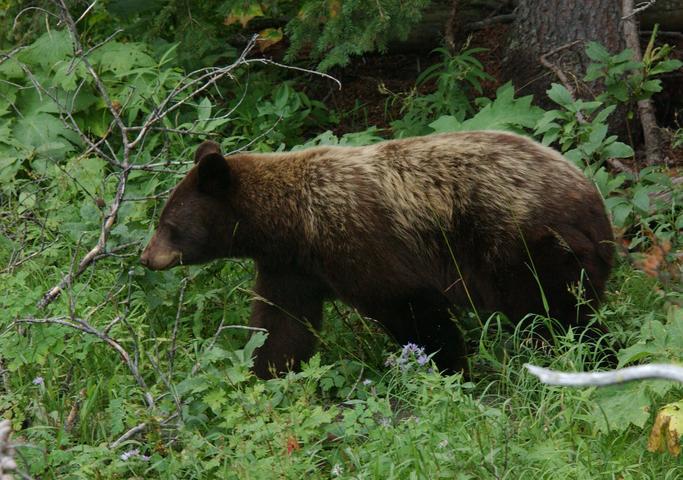
There is an above-average number of reported sightings and conflicts with bears so far this year according to Colorado Parks and Wildlife. The 5,259 reports are the second highest since the agency launched a digital tracking system in 2019.
Bear sightings and conflicts have been on the rise the last three years. Last year, CPW said there were 4,996 bear conflicts or sightings. Both this year and last exceed the seven-year-average of 4,583 bear-related conflicts or sightings.
In Southern Colorado, there were an average or below average number of reports in rural areas, but upticks around the two bigger cities of Pueblo and Colorado Springs. Colorado Springs reported a significant uptick this year, with most reports traced back to human activity like poorly managed food waste and unsecured livestock.
Colorado Parks and Wildlife said conflicts are often traced back to human behavior — like leaving food out. Failing to secure trash, bird seed, or pet food can bring bears into areas they shouldn't be, like urban areas and homes.
People can help make their communities safer, and protect the lives of bears by never feeding or approaching bears, securing any human or animal food, cleaning and storing grills, and alerting neighbors about bear activity.
In September, the CPW awarded multiple schools, municipalities, and fire departments with around $1 million in funding to help reduce bear conflicts by improving trash cans and recycling bins around the state.