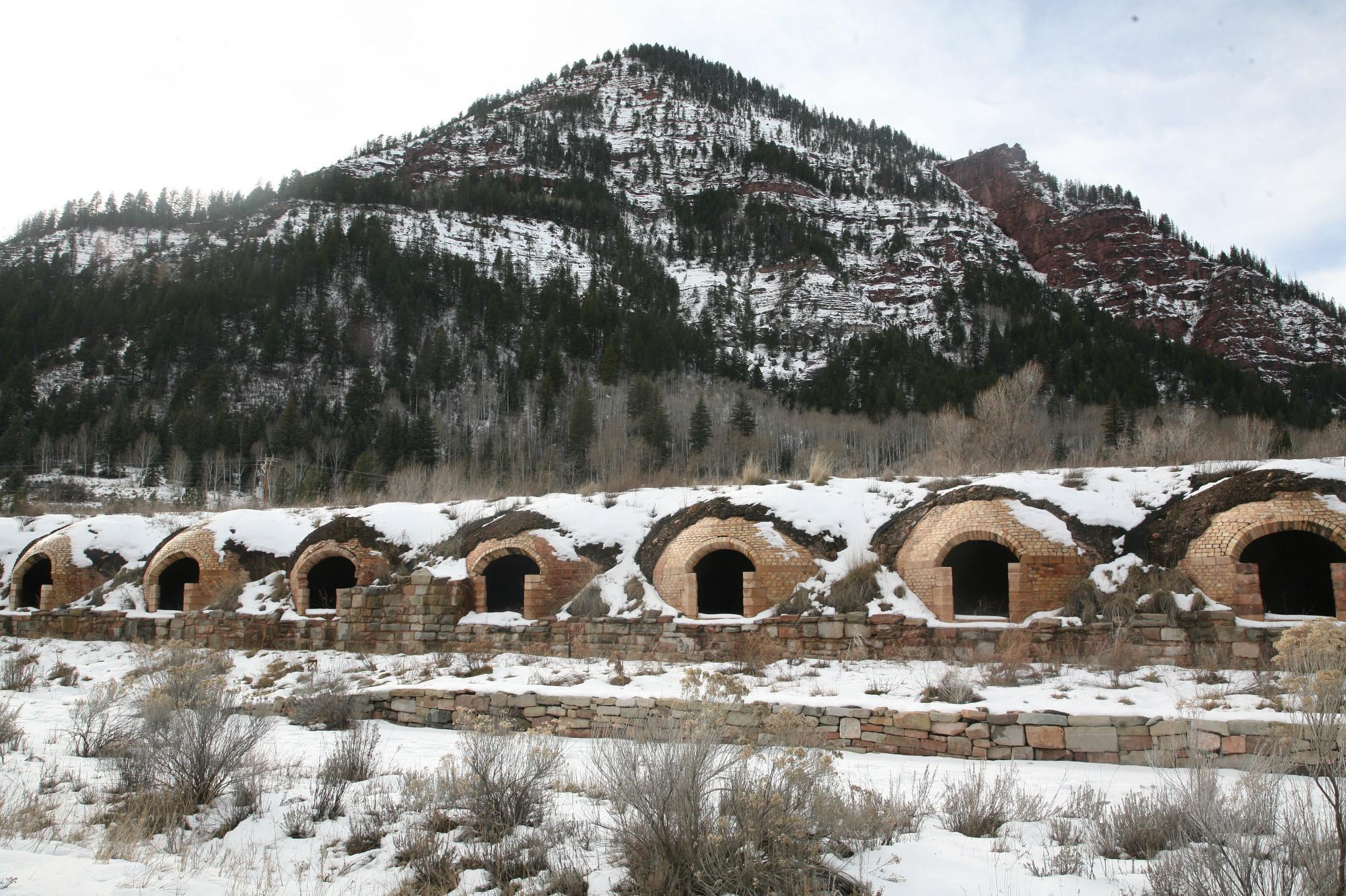
Drive south on rural Highway 133 out of the small town of Carbondale and you’ll encounter a mysterious sight amidst the mountains and wilderness: large brick domes in a long line.
Sheridan resident Holly Smith has been passing them for years, as she drives across the state to tune pianos with her husband. And every time she drives by, she wonders, “What the heck those things are!”
To Smith, they kind of look like pizza ovens.
Locals have heard that guess before. Visitors to the tiny town of Redstone, right across the road, also call them caves, beehives or just “those round things.”
In reality, they’re remnants of what sociologist and amateur historian/volunteer Tucker Farris described as a ”kind of an open-air, massive factory."
They’re called coke ovens, and the Colorado Fuel and Iron Company built them in 1899.
Farris, a member of the Redstone Historical Society Board, explained they’re the reason why little Redstone exists.
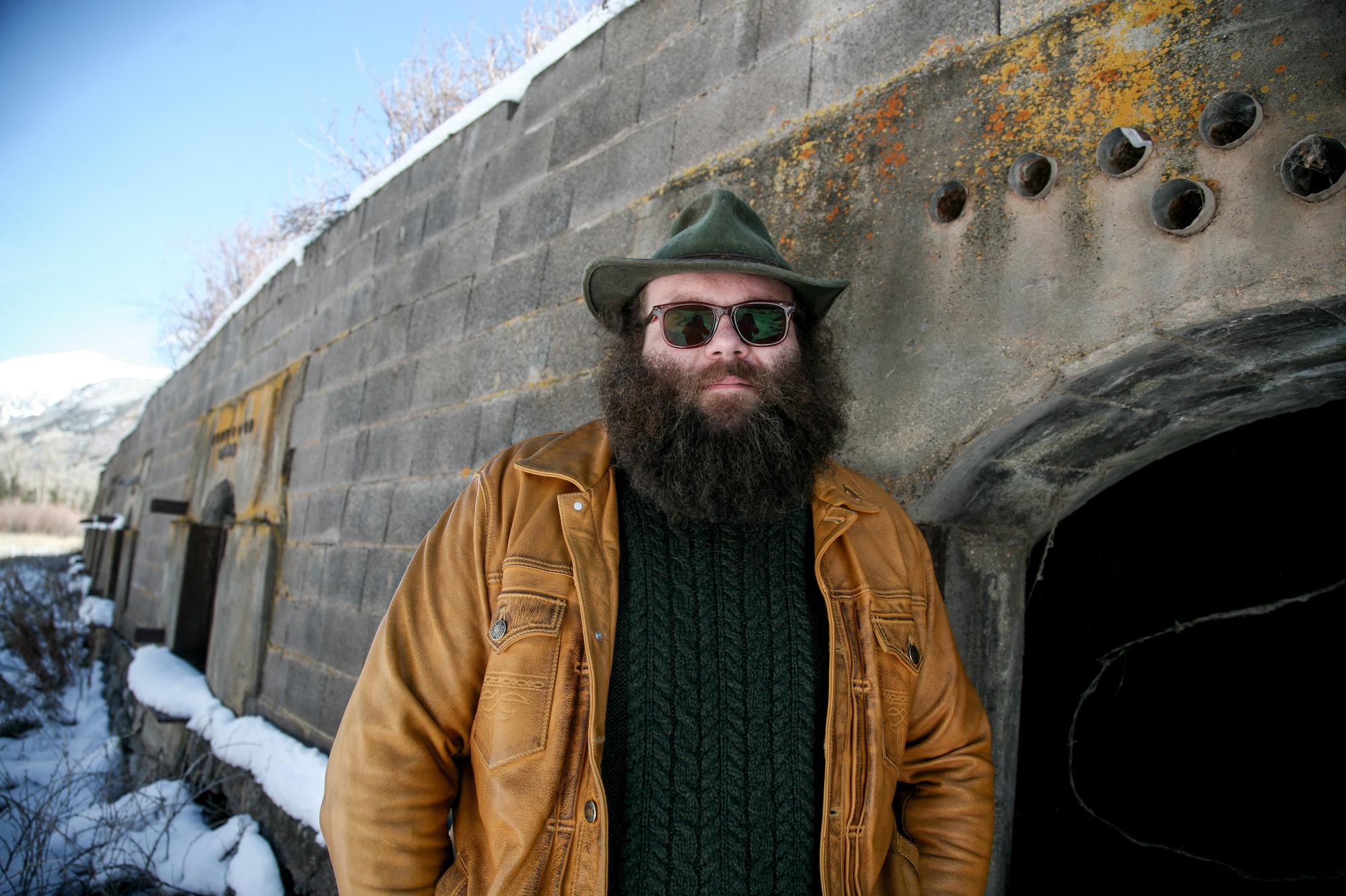
“All of the town is situated to facilitate this,” he said, standing in front of the arched opening of one the 90 that still remain. Hundreds were originally constructed.
The Redstone Historical Society has worked to preserve and protect these ovens. Farris described how workers would shovel in coal from the nearby mine and heat it up to about 2,000 degrees Fahrenheit in order to burn off impurities like “arsenic or sulfur or methane, whatever is sort of trapped in that ore.”
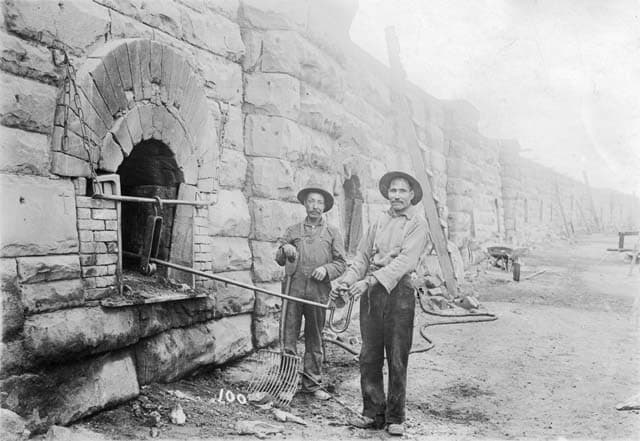
Noxious fumes would spew out the opening in the top until finally all that would be left would be coke — almost pure carbon.
This substance is crucial in the steelmaking process, and it was spirited off to a mill in Pueblo daily.
“So these ovens would be running almost non-stop,” Farris said.
But as much as these ovens are a testament to Redstone’s industrial past, they’re also a reminder of a time when this little town — named for the rust-colored peaks that surround it — was billed as a utopia.
Famously, the New York Times called it “Ruby of the Rockies,” a name that still graces a sign in town today.
“Redstone is the only coal camp in the country where miners wash for dinner and wear nice clothes,” Farris said, quoting the article from the early 1900s.
While the work was still dangerous, with long hours and few protections, employees’ living conditions were some of the best in the country. They had running water, hot meals and electricity. Married workers lived in chalet-style homes, with a complimentary cow and a schoolhouse down the street.
A company building a school was “unheard of at the time,” Farris said.
“My theory, that is unconfirmed, is that they're trying to educate the future generation of miners and keep them here."
The company’s ultra-wealthy owner, John Osgood, also built his workers a game hall, opera house, barbershop and more amenities.
“The darker, more realistic side of it is this is done to maximize productivity and minimize unions,” Farris said.
For all his seemingly progressive ideas, Osgood still paid poverty wages and was an active part of the industrial machine aimed at suppressing workers' rights. And in the end, his grand experiment in Redstone would only last about a decade. The company went out of business due to mismanagement and high costs.
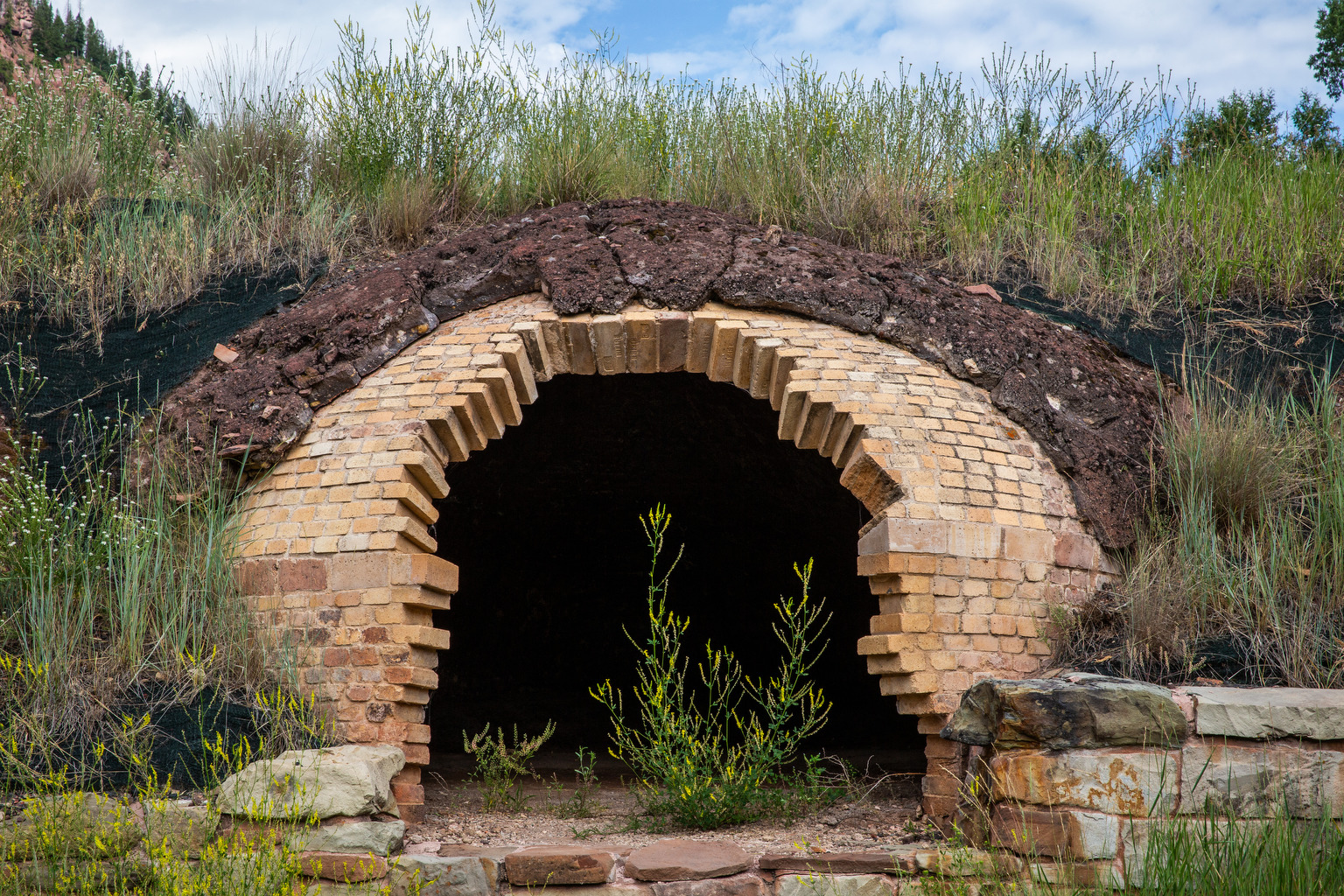
After the ovens last fired around 1910, they sat abandoned for generations.
Farris joked about “some hippies taking up residence in some of them” years back.
Ultimately, however, locals rallied to save the coke ovens. The Redstone Historical Society led a push to purchase the land and restore the ovens. They’re now their own historic district. While many mining communities have decayed into ghost towns, Redstone is still very much alive. It’s home to about 100 people and a vacation destination for folks who love its deep history.
While it’s no longer a company town, Farris thinks Osgood’s idealist vision is still alive in its own way.
“I would say almost maybe we found a kind of utopia that wasn't necessarily planned for,” he said.
And starting next year, visitors can learn all about Redstone’s past as they enjoy its present. The Redstone Historical Society will unveil a new museum. The organization says it should open sometime in the spring or summer and will be housed in one of the homes Osgood built for his workers — many of which still stand today.