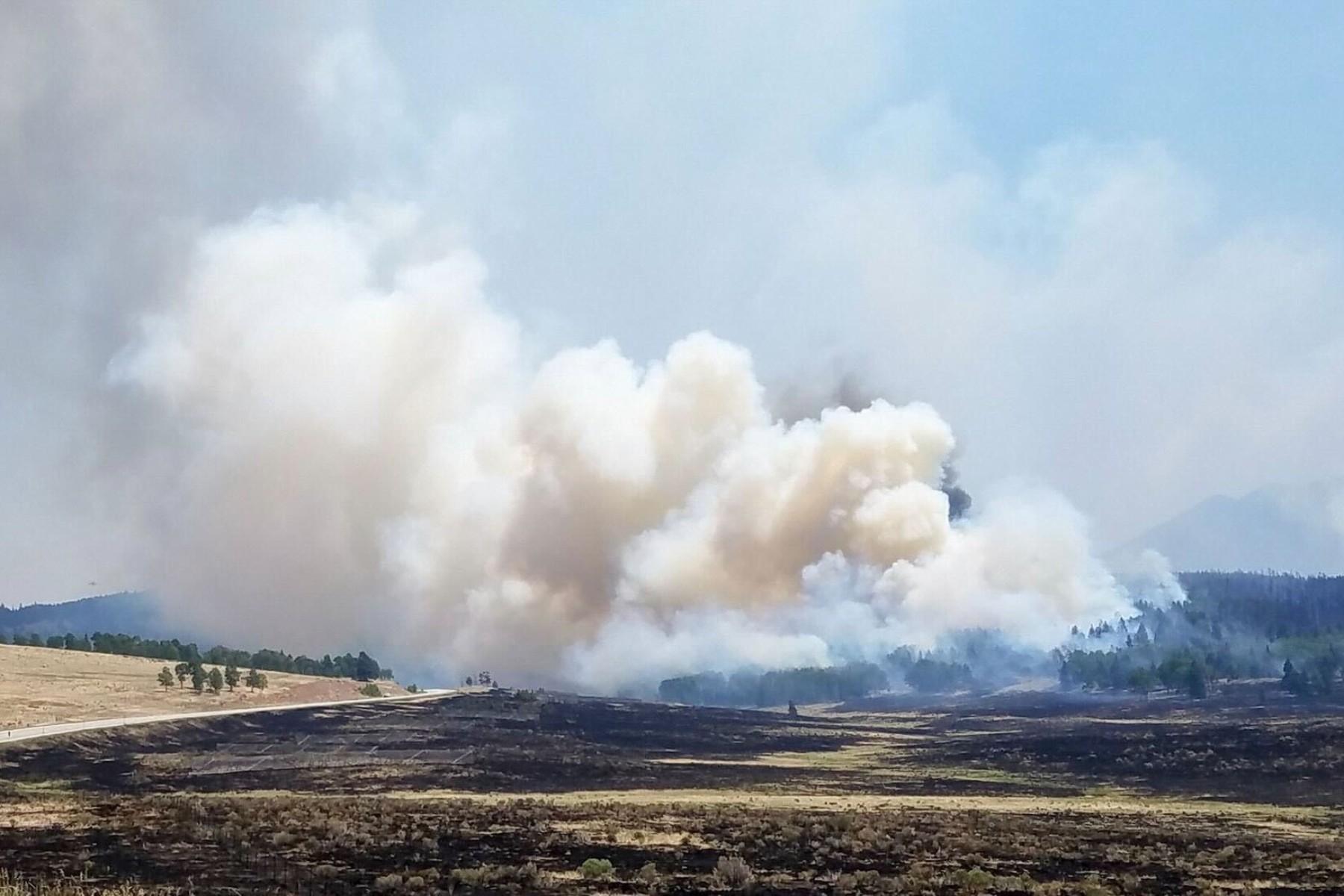
Southeastern counties in Colorado face some of the highest wildfire risk in the state. Yet those same communities have relatively low resources, like funding, wildfire prevention treatments, and plans in place, to prevent the start and spread of wildfires.
The study published by Colorado State University also found that while the Front Range had substantial risk factors (like a history of wildfires or high amounts of vegetation and fuel), there were also ample assets that more closely matched the risks.
“A lot of the funding is going to the Front Range,” Karrissa Courtney, a wildfire social scientist and a graduate student at CSU who conducted the study, said. “This isn't surprising, because there's a lot of resources, a lot of people, and a lot of potential grant writers to be successful.”
The research was based in part on a study from the Pyrologic fire research firm and the U.S. Forest Service that mapped wildfire risk in Colorado. Courtney said she overlayed that information with 11 data points for resources like state forestry funding, the number of fire protection districts in an area, and socioeconomic factors.
Courtney said the study could shine a light on the need for increased wildfire protection in rural areas of the state.
“I do think that funders could potentially consider prioritizing communities where the impact could be most substantial,” she said. “So, potentially those places where there's the lowest capacity but highest risk.”
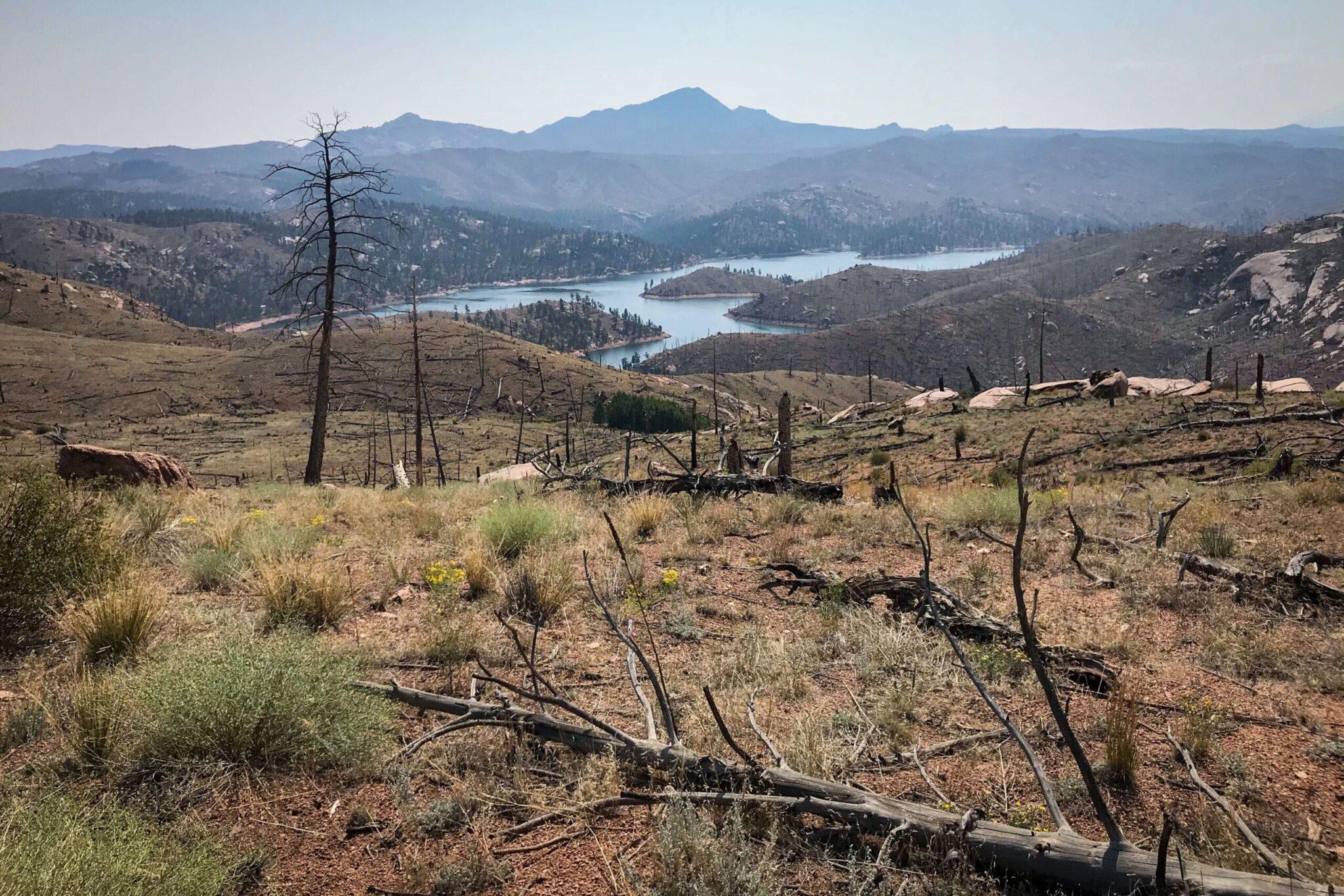
That could look like increased funding for planning and coordination, staff training, and an increase in the number of fire districts. Meanwhile, the capacity for funding could grow, Courtney said, through first-time grant writing programs to get money to at-risk communities.
However, money isn’t the only way to build capacity, Courtney said. The research found that relationships and collaborations can be key in rural communities.
“Folks are able to rely on partnerships and borrow equipment from each other, for example, to get around not having enough money,” Courtney said.