A few years back, Phillip West lived on the streets of San Antonio, waiting to die.
He had once held down a sales job at a nonprofit. He paid taxes. He took college courses. He was a part of society — fully human, he said. Back then, he frowned on people suffering from addiction, living and dying outside.
“I didn’t know it could be that bad,” he said. “I didn’t understand how a person could be that lost. And so I had no sympathy for them.”
Even as he started selling drugs for extra cash, he couldn’t imagine falling that low. He felt on top of the world.
But then he was arrested. He served time in prison. And after his release, he couldn’t stay sober.
“It’s horrible,” he said. “It’s a struggle. It’s dark. And you don’t feel anybody understands you. Being homeless and on the street, you almost don’t care what people think. You don’t care what people think. You know they don’t like you, because most of them are hard on you. You know they are judgmental.”
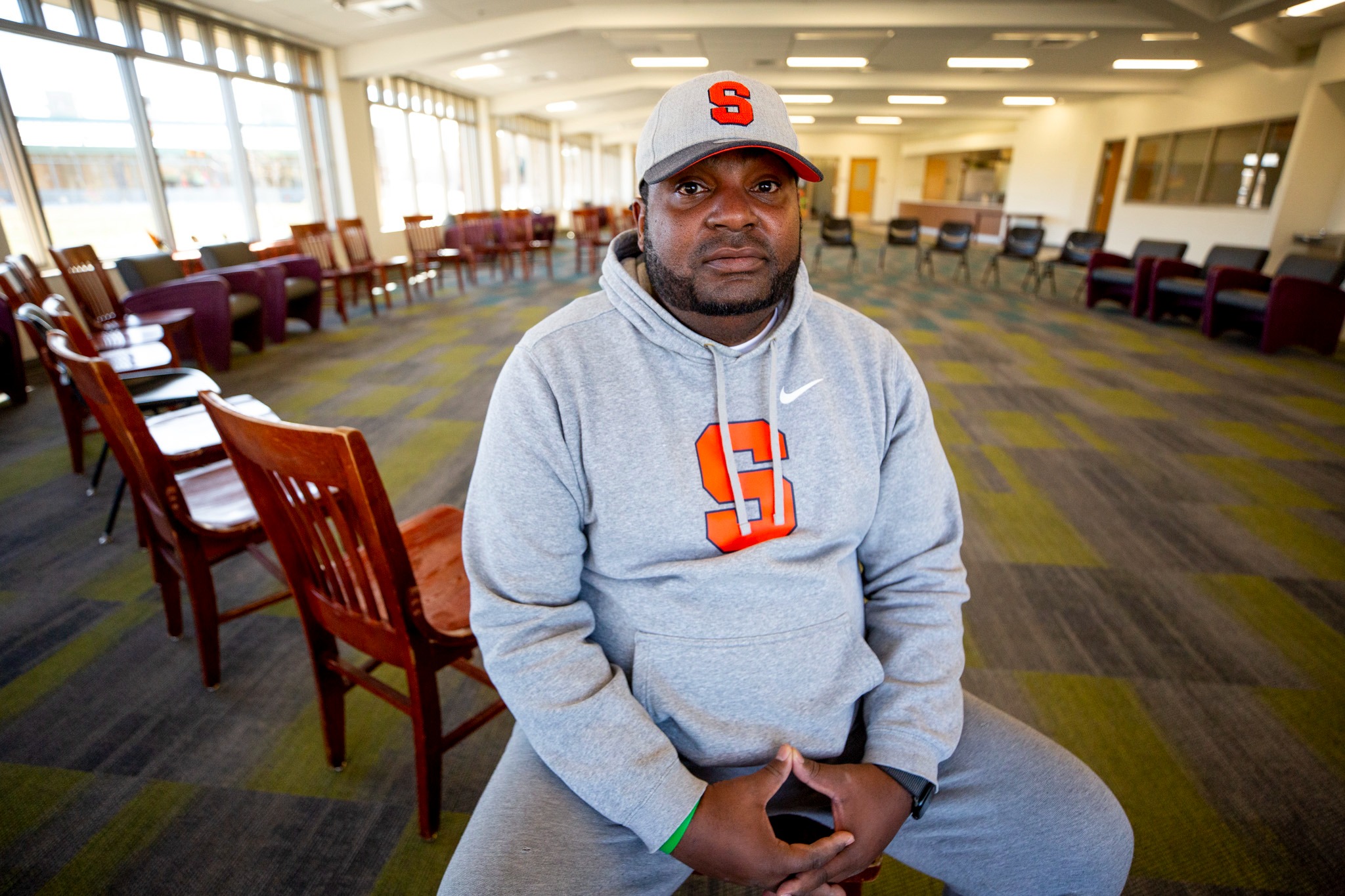
But now Wells is finding his way out of homelessness and addiction, returning to school and dedicating his life to helping others.
Wells told Denverite his story of addiction and recovery at the Sage Ridge Supportive Residential Community, Colorado’s new supportive housing and treatment campus on 560 acres near Watkins, east of the Denver metro.
Wells told Denverite his story of addiction and recovery at the Sage Ridge Supportive Residential Community, Colorado’s new supportive housing and treatment campus on 560 acres near Watkins, east of the Denver metro.
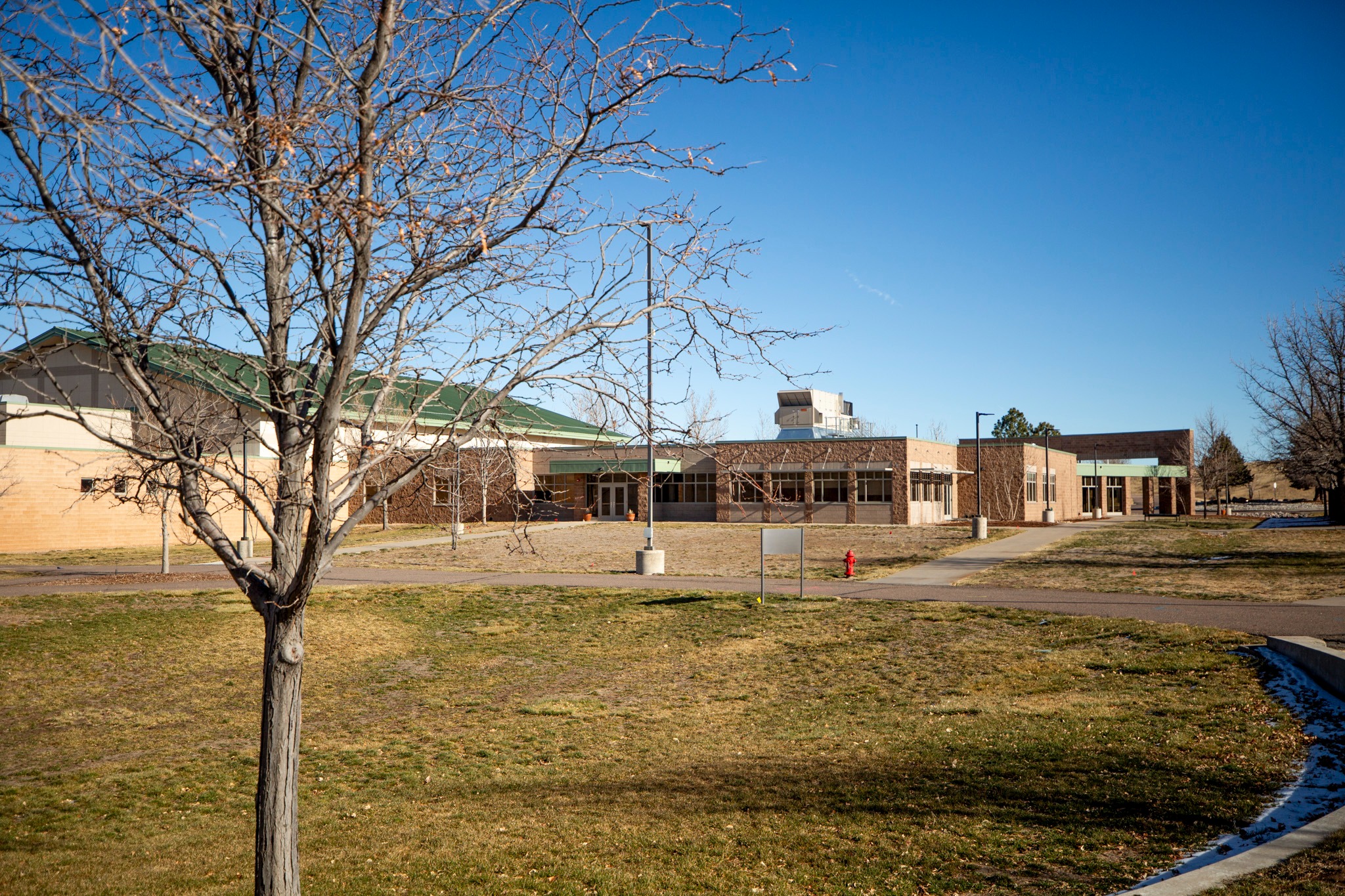
The Sage Ridge Supportive Residential Community in Watkins, operated by the Colorado Coalition for the Homeless. Dec. 31, 2025.
Kevin J. Beaty/Denverite
He was one of the first five residents at a new facility that the Colorado Coalition for the Homeless sees as a potential “national model” for addressing the intersection of homelessness and addiction.
Sage Ridge, run by the Colorado Coalition for the Homeless, opened in September. It is the rare kind of place people of all political stripes have been asking for. The nearly 200-bed facility offers housing and treatment, job training, case management and hope for a better future for people who’ve lost nearly everything.
But the path to Sage Ridge has been a hard one.