After a few hours of discussion Colorado Springs City Council voted 8-0 to allow the plan to build a Church of Jesus Christ of Latter-day Saints temple to move forward without special restrictions. Councilor Tom Bailey was absent.
City hall was packed Tuesday morning, mostly with community members who came to speak in favor of the construction of the temple. There were a few people who came to speak against and appeal the project that was administratively approved by the city planning department last year.
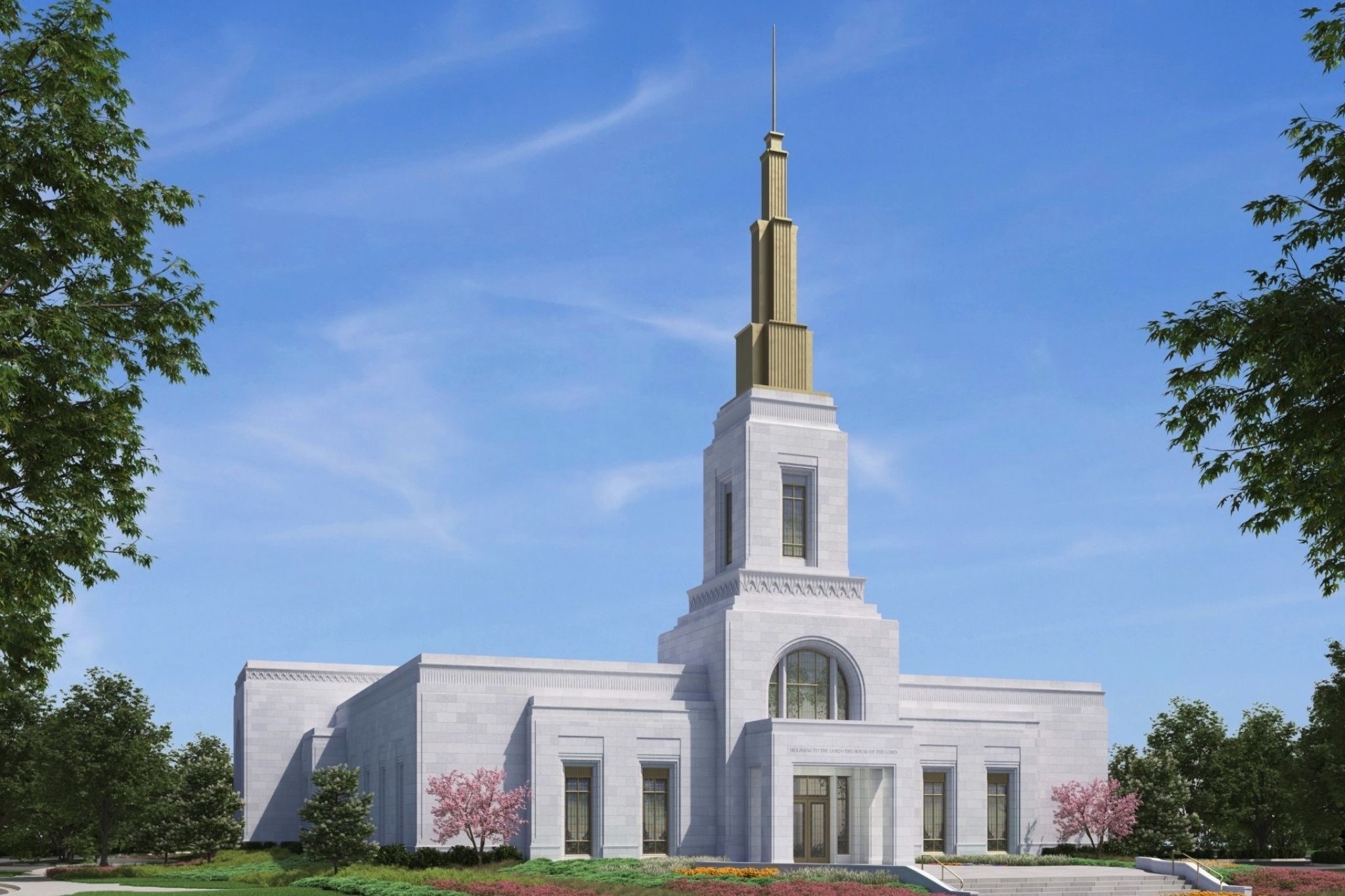
The proposed 45,000-square-foot temple will be built on land long owned by the church at the intersection of Flying Horse Club Drive and Barossa Valley Road in northeast Colorado Springs.
Exterior lighting for the building was the primary concern. Plans call for it to be lit all night, every night.
Monica Fuchs lives diagonally across the street from the site of the temple project. She said she supports the temple, but asked for the cool white outside lighting in the plans to be dimmed at night.
“I really don't want to have to buy blackout curtains for my entire house just to have some peace within my own home,” Fuchs said.
Carolynne White, an attorney representing the church, told council that the lights that would shine on the building will be reflected downwards, and are focused on the structure, with roughly 2 percent of projected light emitted into the sky and surroundings.
Catherine Bullock is a member of the church and said she lives a three-minute drive from the site. She said the temple, and its light, will add to the community.
“I liken this to the north star that can be seen from far away, yet I've never been woken up by a star shining into my bedroom window,” Bullock said.
Others said the 95-foot-tall temple steeple was too high and asked for the height to be reduced.
Wayne Williams, former secretary of state and former at-large council member for Colorado Springs, advocated for the temple. He said that the steeple was half as tall as the city's height limit for buildings and the lighting was compliant with city code.
“The proposed land development plan meets every requirement of the UDC,” he said. “This is different from many other temple sites (in other cities) where rezoning was sought or where an exception was sought for city provisions. In this case. It's already allowed.”
Williams is a graduate of Brigham Young University, a religious institution tied to the LDS church. He and others said any extra restrictions placed on the church that go above and beyond city code would be a violation of federal laws that protect religious freedom.
Temples serve as places for special holy ceremonies like weddings or baptisms for members of The Church of Jesus Christ of Latter-day Saints. Regular weekly services typically occur in the church’s meeting houses, which are more numerous. The church is currently planning to add more than 100 new temples to the hundreds already consecrated around the world.
There are currently temples in Denver, Fort Collins and Grand Junction that serve the 150,000 members of the Church of Jesus Christ of Latter-day Saints in Colorado.