Updated at 5:46 p.m. Friday, May 29, 2026
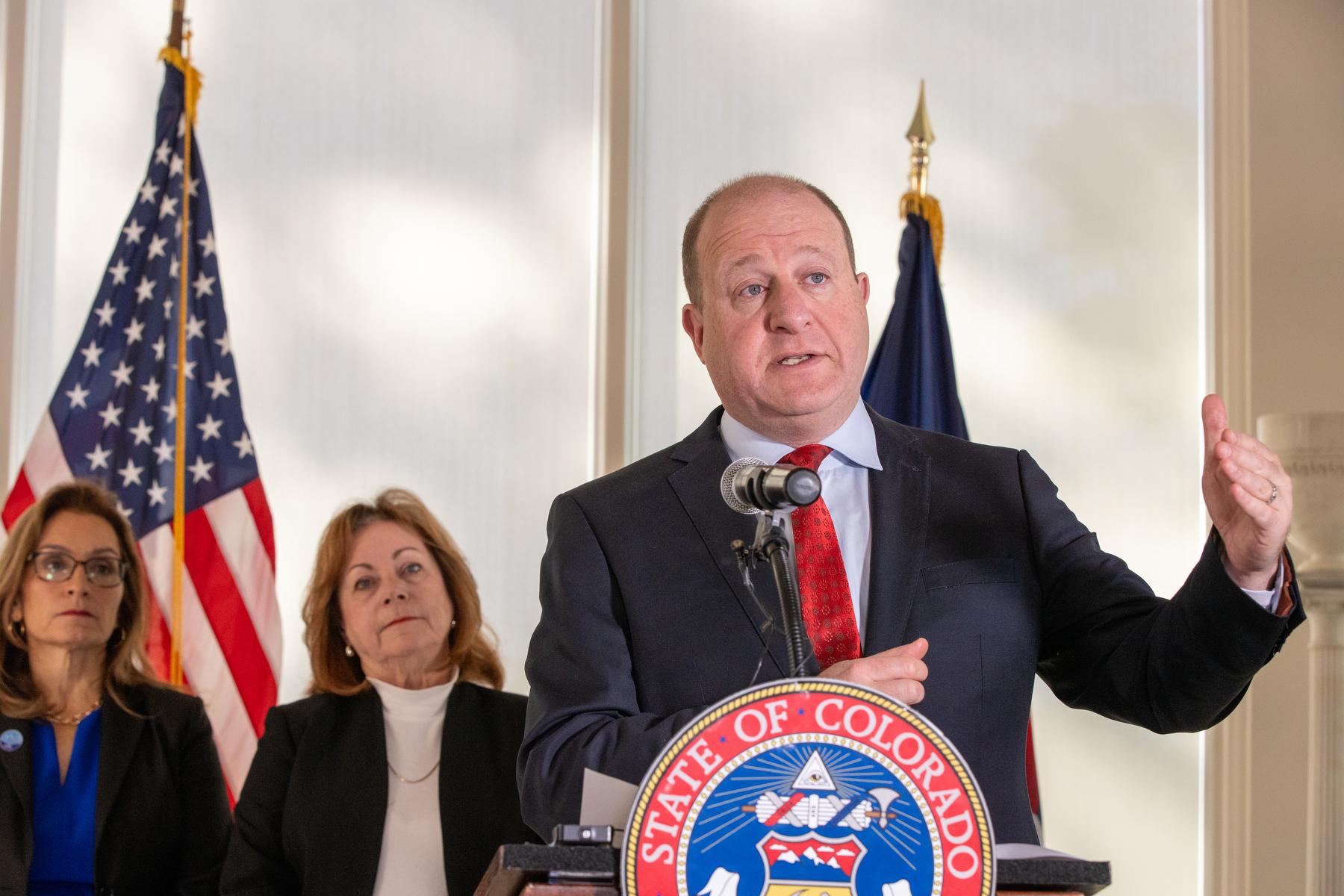
Gov. Jared Polis has signed a bill that gives additional protections to families of students with disabilities as federal enforcement weakens. The move came after weeks of worry from disability rights advocates that he was considering vetoing it.
Senate Bill 26-125 passed with bipartisan support to protect students denied accommodation or equal access to education.
Because state lawmakers faced dramatic budget constraints this year, the bill’s $668,000 price tag would be funded by “gifts, grants, and donations.” Polis was wary of enforcing civil rights laws based on yet-to-be identified donations that are not guaranteed year to year.
In a statement accompanying the signed legislation, Polis said core government services — especially civil rights enforcement — should not be subject to an “on-again, off-again” funding model dependent on charitable donations.
“Protections for students with disabilities are far too important to rely on gifts, grants and donations, and must be adequately funded expeditiously.”
He wrote that he believes it sets a “dangerous precedent.” He also wrote that allowing the Colorado Department of Education to receive funds from organizations that it may eventually be tasked with investigating or regulating creates a potential conflict of interest.
Polis said he intends to work with the Colorado Department of Education to secure proper funding through the General Assembly in upcoming budget cycles.
Protections become law
Advocates say more than 44,000 Colorado students rely on disability accommodations in school. The measure places disability protections into state law and gives families a clearer path if a school district doesn’t resolve a complaint.
“If Coloradans can’t count on the federal government to enforce the law, we should enact a law of our own,” said Emily Harvey, co-legal director of Disability Law Colorado, prior to Polis’ signature.
What is a “504” protection?
The federal Office for Civil Rights enforces Section 504 of the Rehabilitation Act. A “504” plan gives students with disabilities like ADHD, anxiety or physical impairments accommodations like extra test time or wheelchair access even if they don’t need specialized instruction. Students with more intensive disabilities who have individualized education programs, or IEPs, receive specialized instruction.
Colorado investigates complaints involving IEPs but not 504 plans. That happens through the OCR. Advocates say resolving a 504 complaint through OCR is notoriously slow and has been backlogged for years. And they say, with the Trump administration, it’s gotten worse.
Pamela Biscelglia, executive director of AdvocacyDenver, said her organization has seen referrals from parents seeking disability accommodations double, signaling growing discrimination concerns.
“We observed that different families we worked with being ghosted” she said. “Their complaint was accepted but an attorney wasn't assigned, and there wasn't any movement in terms of investigating discrimination.”
New approach for weakened Office for Civil Rights
Last year, the Trump administration laid off about half of the office, including seven of 12 regional offices. Remaining staff describe it as a “skeleton crew” unable to keep up with investigating about 6,000 open cases.
An April congressional report found OCR resolved only about 1% of pending civil rights cases in 2025. Disability-related complaints fell 93% from 2024. In 2025, the OCR resolved none of its 172 pending seclusion and restraint cases, meaning no school was held accountable for physically restraining a child.
Thousands of older cases have been summarily dismissed rather than resolved, according to advocates.
The administration has shifted its focus to alleged antisemitism, transgender athletes, gender-neutral bathrooms and alleged discrimination against white students.
How the Colorado bill will work
The new law codifies federal 504 protections into state law. If a local school district doesn't resolve a discrimination complaint within 60 days, families can ask the Colorado Department of Education to step in.
The state can investigate complaints, order corrective actions and monitor schools for compliance. Schools are required to provide annual disability-rights training for staff.
“We see it as an incredibly important bill in terms of forwarding the rights of students with disabilities,” said Biscelglia.
Advocates say the current system often forces families into lengthy federal investigations or costly lawsuits.
Families, however, can also pursue a claim through the state Civil Rights Division or in state court. But Bisceglia said it’s not accessible.
"It’s probably a well-kept secret and it's something where we observe there are some procedures that appear to only be available to those with privilege."
All school districts are required to adopt and implement 504 policies, including grievance procedures. Biscelgia says 90% of the time those issues are resolved through mediation and careful discussion with districts.
“But there are those issues where it really does demand an independent investigation."