In 1933 Berlin, goose-stepping, swastika-flag-waving stormtroopers filled the streets, celebrating Adolph Hitler’s seizure of power. Like many Jews, the late artist Jacob Barosin and his wife Sonia fled Germany soon after. They settled in Paris, but even there, fear and danger lurked. Barosin enlisted in the French Army, but the couple was often on the run, hiding or on house arrest and sometimes separated from each other for long periods of time. In 1943, he was sent to a deportation camp and then to a forced labor camp, both in southern France.
“The Angel of Death looked us in the face day after day. Especially in those camps where we were completely helpless to influence our situation,” Jacob Barosin said in a 1989 video* accessed through the United States Holocaust Memorial Museum website. “The Angel of Death is always there … we have never seen him, but we knew he was there, close to us.”
Eventually, he escaped the camps and rejoined his wife. They hid in an attic above a Christian school in a small village with the help of a teacher.
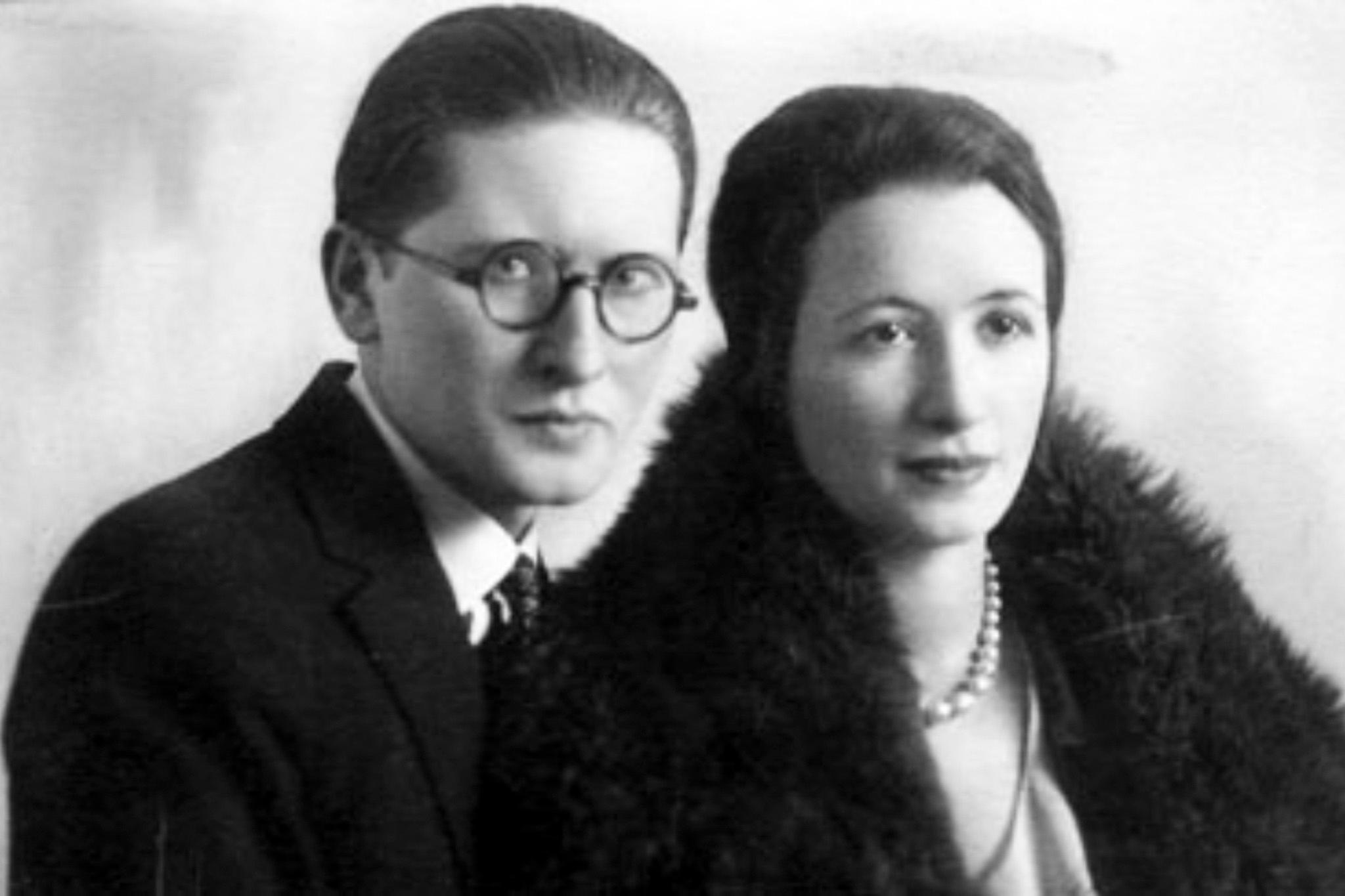
“She hesitated for a second, thinking of her family and the dangers of hiding a Jewish couple,” Barosin said, “but she answered, ‘I think it is my Christian duty.’”
For months, the teacher brought the couple food and water. She gave them a Bible, which they read as they kept silent during the day — an act that forever influenced his work.
After the war, they moved to New York, where Barosin made a living mostly as an illustrator and courtroom artist. He also sketched and painted many scenes from his experiences in Europe.
He died in 2001. His younger sister and many of his relatives in Latvia died during the Holocaust.
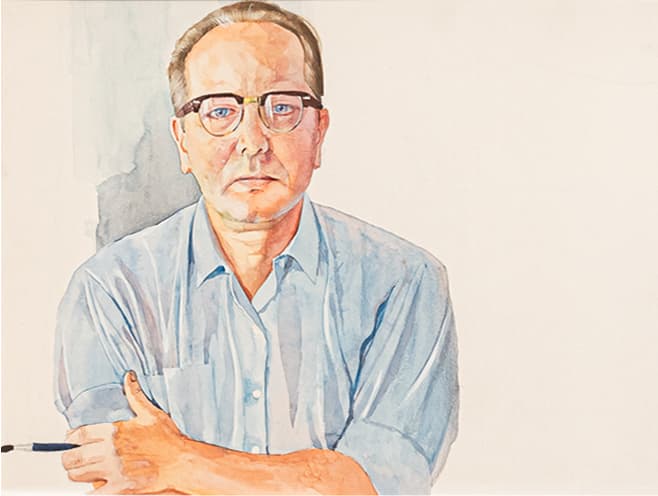
An artist in Pueblo uncovers an unusual painting
Fast forward to Pueblo in 2020. That’s when another artist, Bonnie Waugh, leafed through some donated artwork leftover from a church garage sale in nearby Beulah — about a half hour southwest of Pueblo.
“There were these large, clear folders that had housed artwork from a place that did framing,” she said. “And in that were old posters, original artwork, things that probably needed to be thrown away. But there was one piece that was very haunting.”
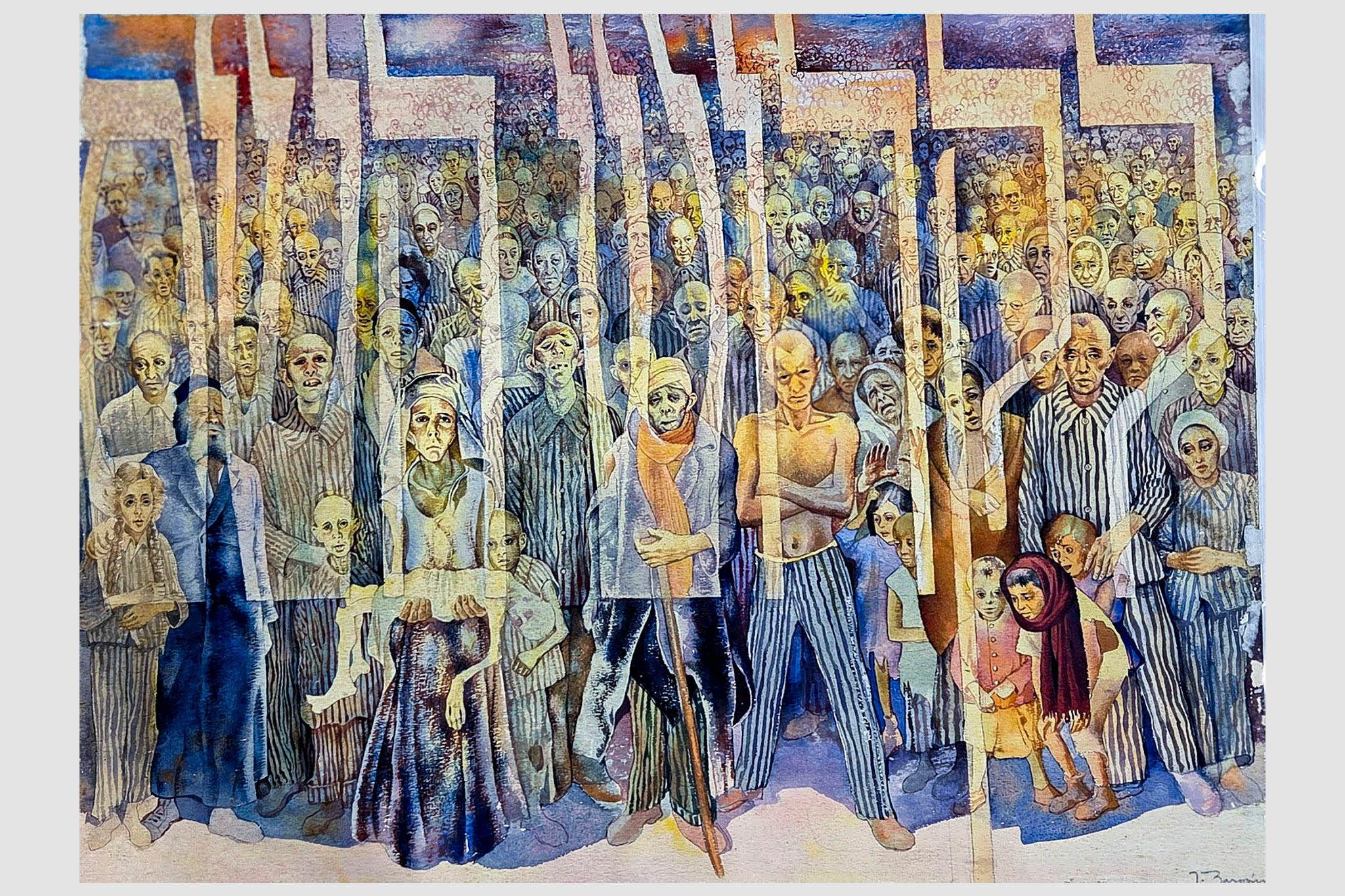
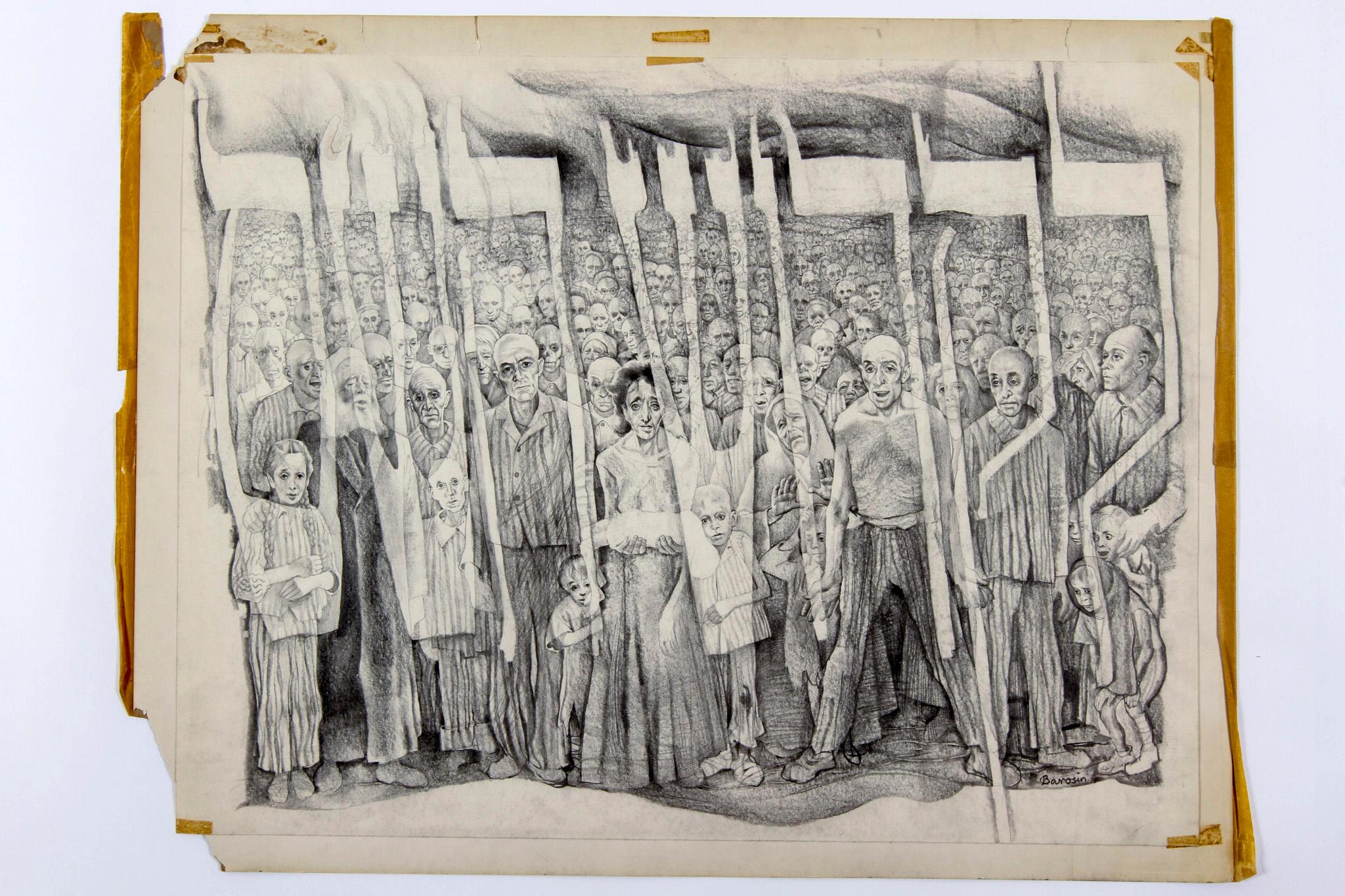
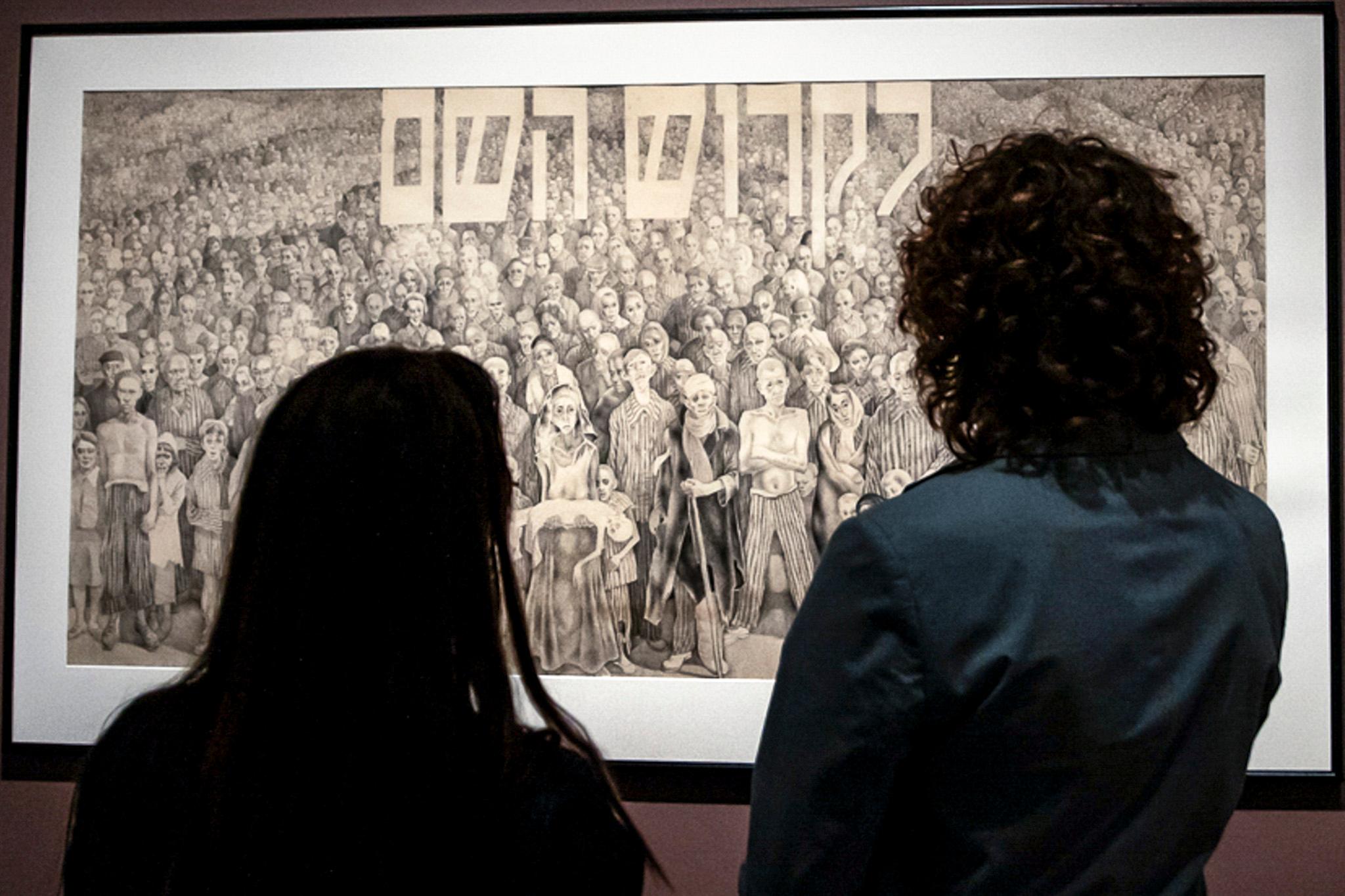
Rows and rows of gaunt faces — men, women and children — look out from the painting directly into a viewer's eyes. Most are dressed in the striped uniforms worn by prisoners in Nazi concentration camps. In the foreground, a woman holds the emaciated corpse of a child. Next to her are people — anguished, defiant, sad — a gamut of individual responses.
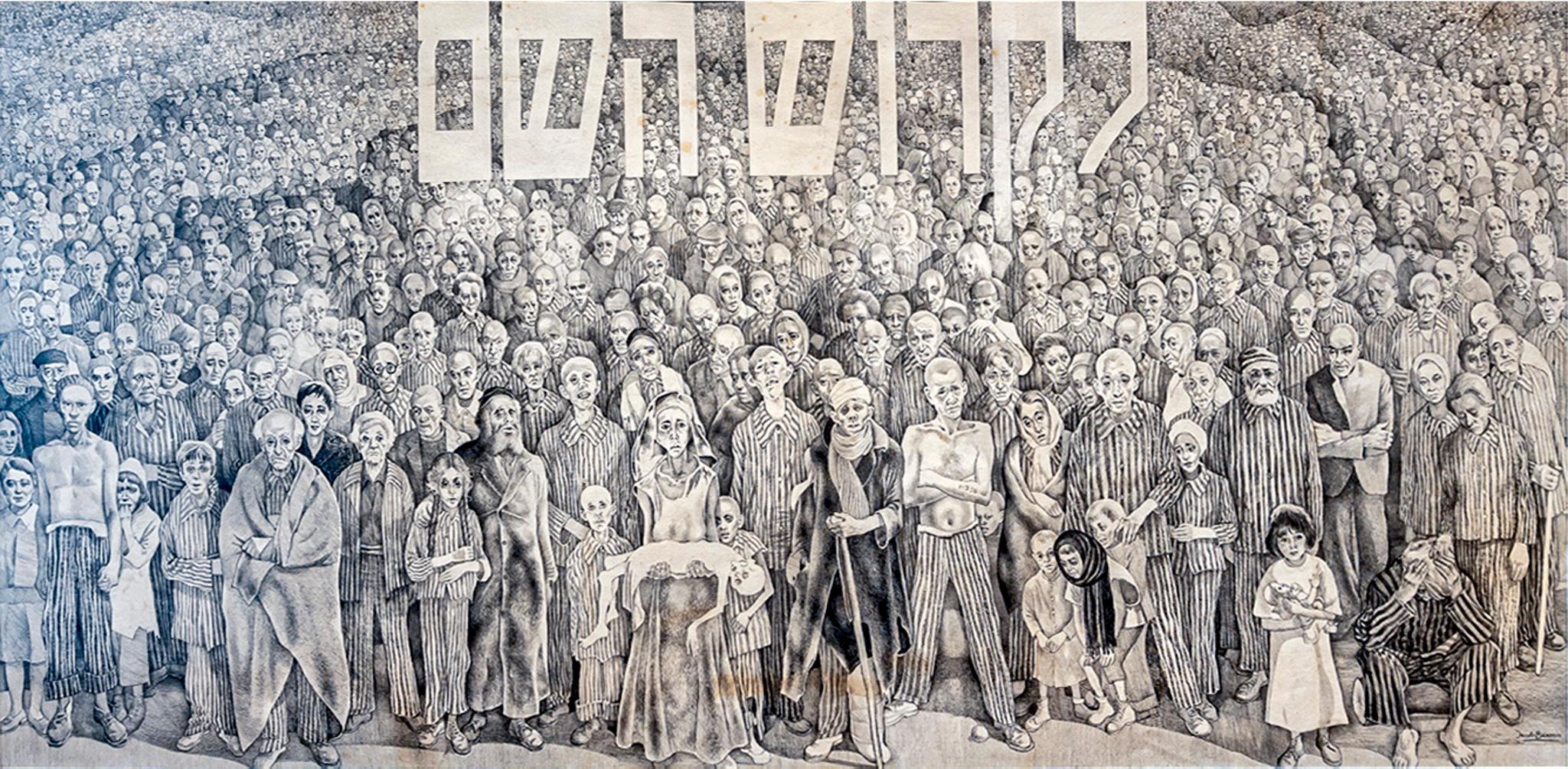
Translucent Hebrew lettering hangs over the thousands of figures. It says Kadush Hashem, which roughly translates as "to the sanctification of the name of God." These words are often used to refer to martyrs or those who died simply because they were Jewish.
“It was dark,” Waugh said of the painting. “And very hard to look at for too long because it just brought up a ton of emotion with it."
In the 1989 video, Barosin said a very similar piece was meant to honor the memory of the victims of the Holocaust.
“This is not a document of gas chambers, of mass graves and death. It is a statement of love for our people,” he said.
Waugh, who is not Jewish, said she kept looking at the painting over and over again, studying each face.
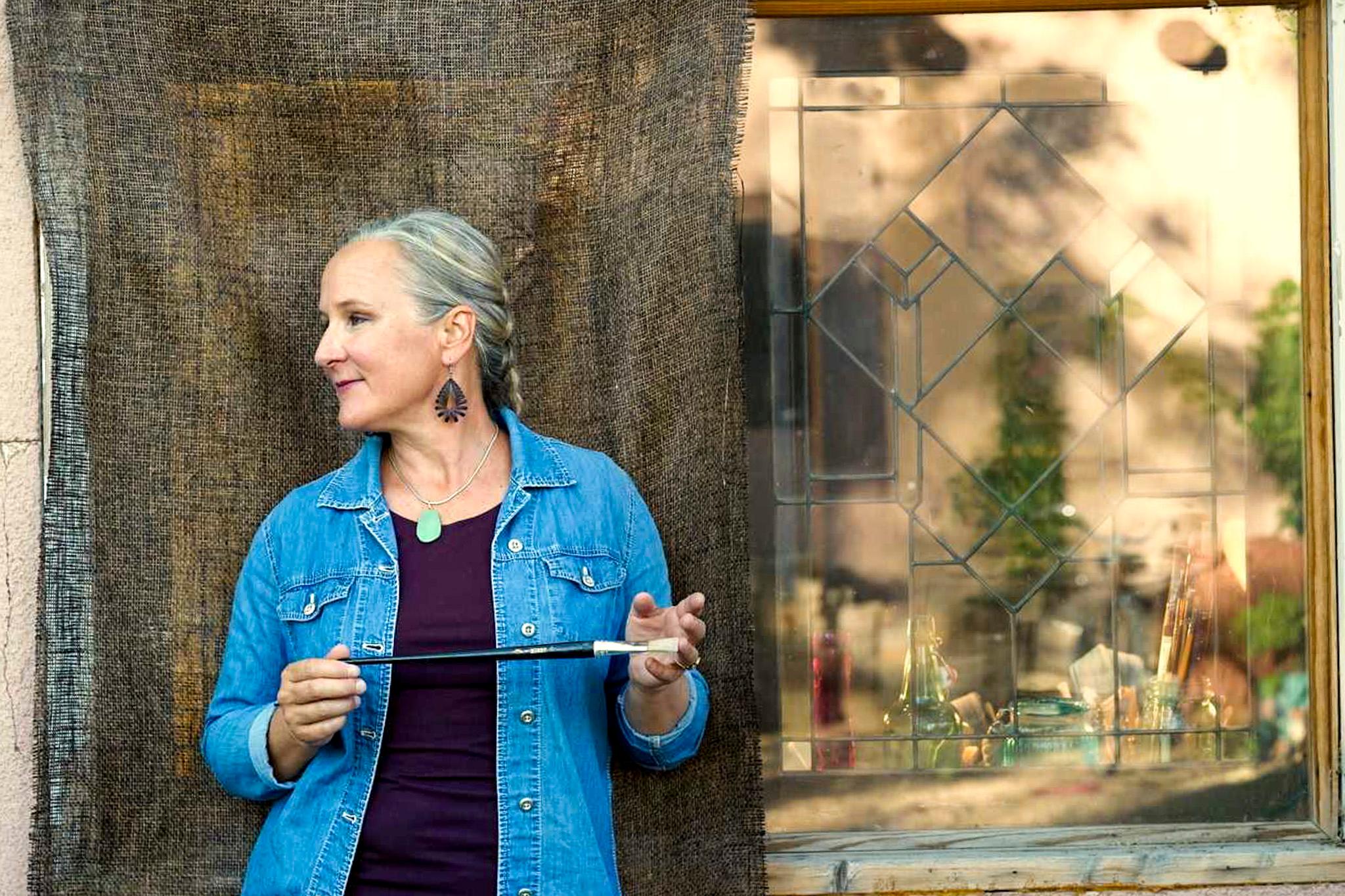
“It's like beauty and melancholy,” she said. “I feel like it acknowledges that they weren't lost. They weren't forgotten. That your life mattered and you are significant.”
Waugh hadn't heard of Barosin before, but she knew what she was looking at.
“I felt like this has to be somewhere besides my studio,” she said.
Searching for the painting’s provenance
So Waugh set about investigating the piece. She learned that Barosin’s work is in collections at the U.S. Holocaust Memorial Museum in Washington, D.C., and elsewhere. That includes black and white sketches, very much like the painting she found, none in color, though.
Finally, after six years, she was able to contact Barosin’s family. He had no children of his own, but was very close to his second wife’s children and grandchildren, including his granddaughter and Boulder resident Jennifer Korczak.
Surprised and delighted that it was found and identified, she wondered how it ended up in Colorado and couldn’t believe that it had been just a few hours away from her for what could have been decades.
“That Bonnie made such an effort,” Korczak said, “and how she felt a connection. She knew that it was something strong and something that made her understand the fierce nature of why it was such an amazing painting.”
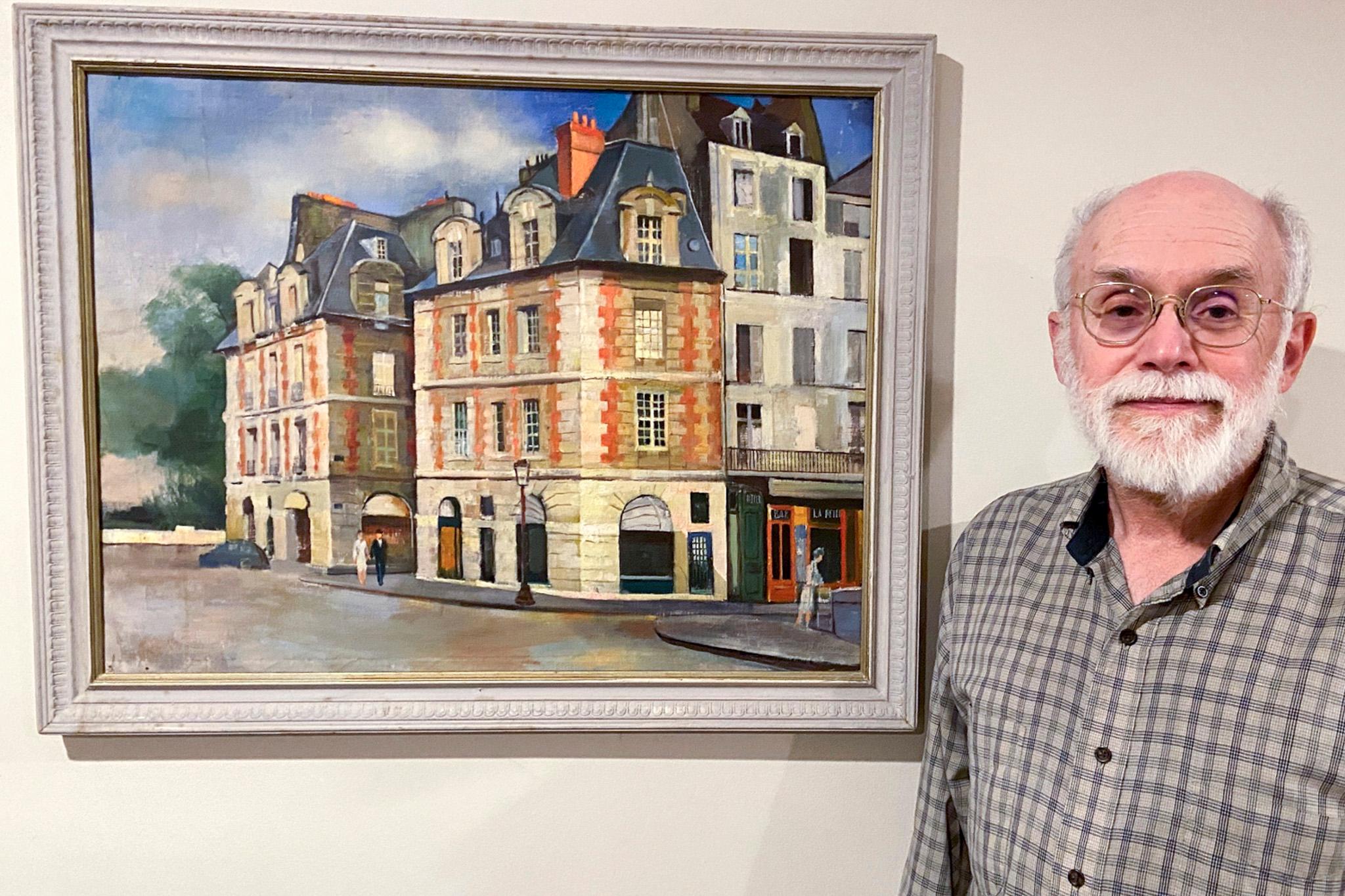
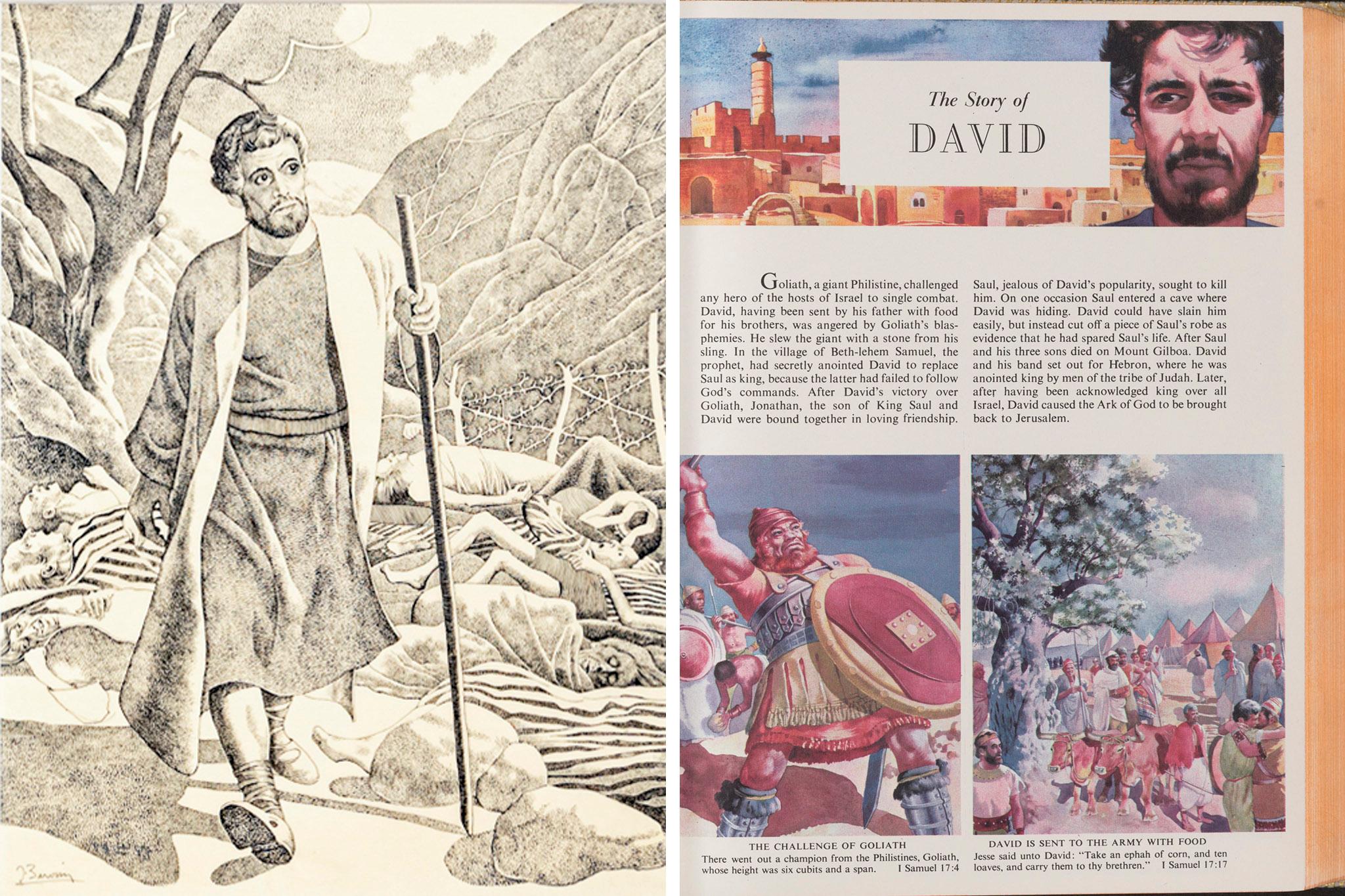
Korczak’s uncle, Peter Garik, is Barosin’s stepson. Garik said Barosin often created biblical images, including commission work with Christian themes
“He was deeply spiritual but not a formal religion person,” Garik said. “He felt he was protected by the hand of God.”
Garik said Barosin traveled to exhibit his work often in churches, sometimes in the southwest United States. Garik suspects the piece may have landed in this region during one of those tours, but records of his itineraries are incomplete.
A permanent placement
Recently, Garik made arrangements to send the painting to the Museum of the Bible in Washington, D.C., where it will become part of a collection of Barosin’s work already housed there.
“He was saved multiple times by the righteous Gentiles,” Garik said. “So I think he would be thrilled about the Museum of the Bible.”
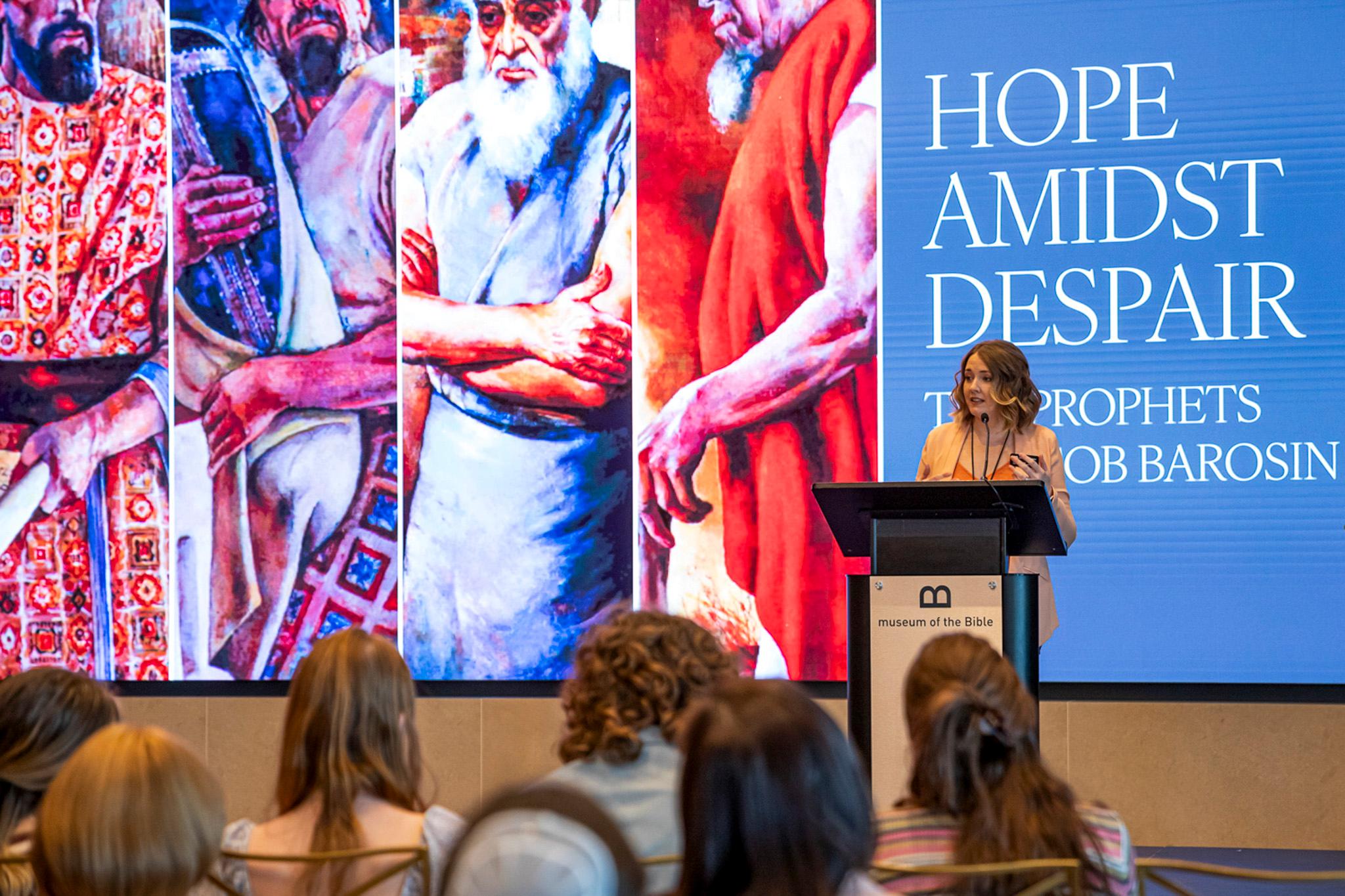
Amy Van Dyke is the museum's curator of art and traveling exhibitions. She said it’s important to have stories about the Holocaust there.
“We seek to tell the stories of people who have used the Bible in their life, have been inspired by it,” she said. “This is the story of an entire people that were persecuted throughout their entire history. Not just the Holocaust. And that is shown in all of the stories in the Bible. So it definitely fits within what the museum is trying to say and what we're trying to do. It's important for us to have that voice here.”
Van Dyke said Jacob Barosin’s story is unique, like all the others who went through the Holocaust.
“Those voices are rapidly being lost to history,” she said. “Thankfully, we have places like the Holocaust Museum, and we have others that are championing these voices. We want to be a part of that, and we're honored to be a part of that to have this voice, something that we can preserve for the future.”
Van Dyke said the piece found in Pueblo will eventually go on display, but in the meantime, they will care for it and keep it safe. Barosin’s family and Waugh said they are pleased that it has found a home at the museum.
*The video of Jacob Barosin was recorded in 1989 by the Queensborough Community College Holocaust Resource Center and Archives and is housed online by the United States Holocaust Memorial Museum.
- Pueblo’s ‘Little Jewelbox’ Temple Emanuel celebrates 125 years
- Preservation work at the Ludlow Massacre site revealed hidden symbols. They’ll never be seen again
- In the San Luis Valley, artisans paint pictures of everyday life using colcha embroidery
- More information coming to light about surprise archaeological find in La Veta